




Ornate Metal Hearth Screen
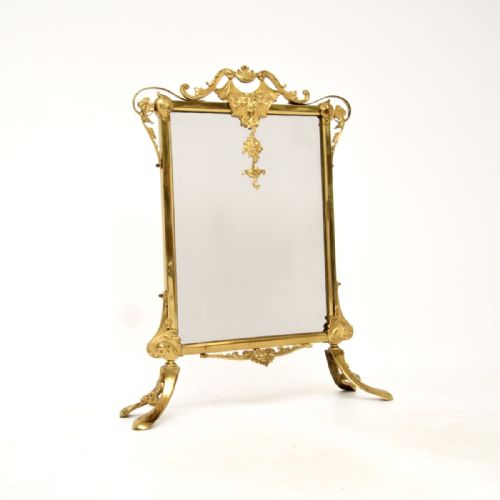
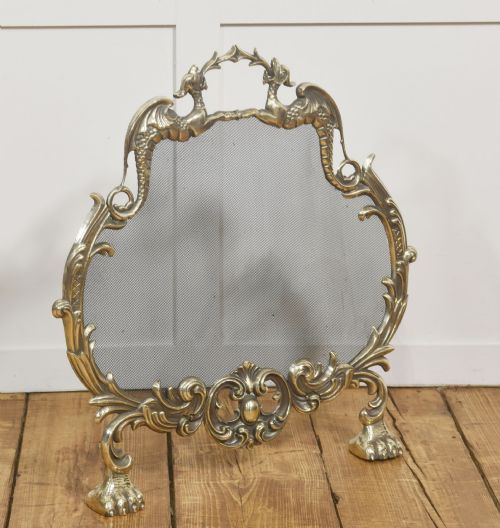
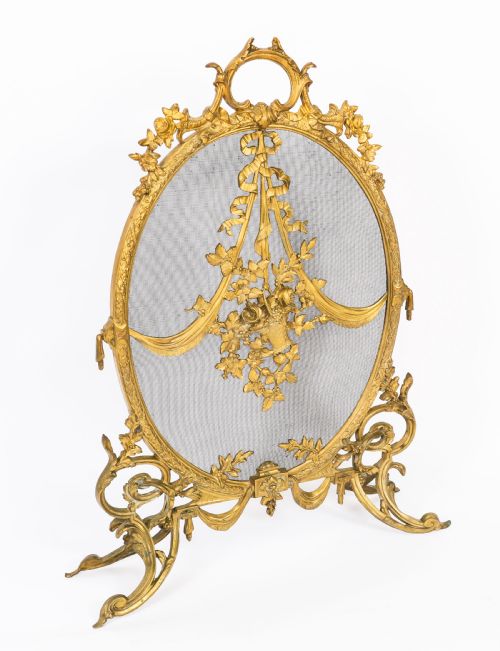
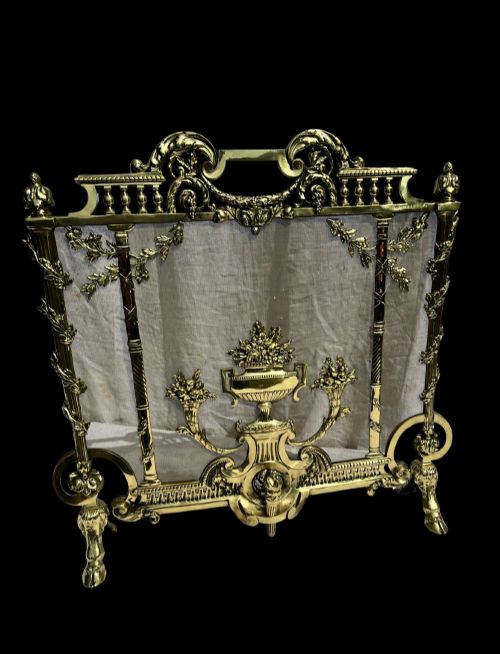
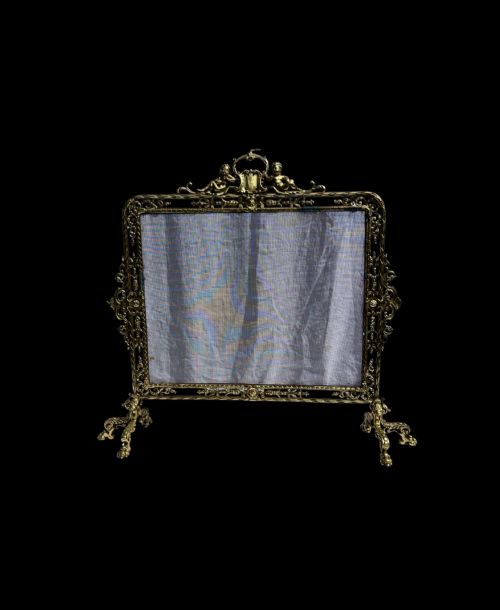
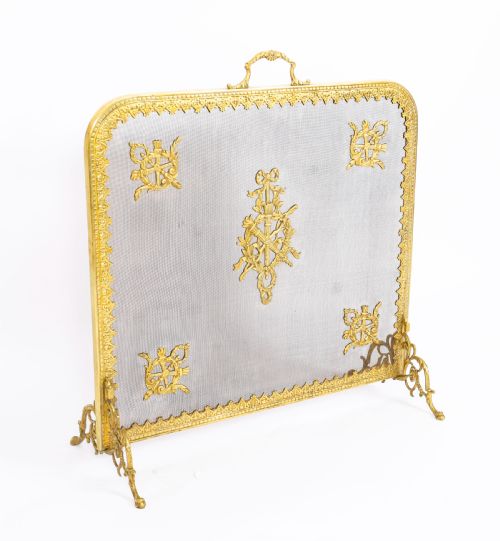
An ornate metal hearth screen commands the room, filtering warmth while containing embers with French revival flair.
Ornate Metal Hearth Screen
An ornate metal hearth screen is a decorative barrier placed before an open fireplace to manage sparks and enhance the mantelpiece. These pieces primarily date from the nineteenth century, including Victorian examples and specific years such as 1860, 1880, 1900, 1910, and 1920.
The most common forms on this page take inspiration from continental aesthetics, particularly French Rococo Revival, Louis XIV Revival, and Louis XVI styles. Buyers frequently encounter free-standing designs, fire guards, and spark screens constructed for domestic hearths.
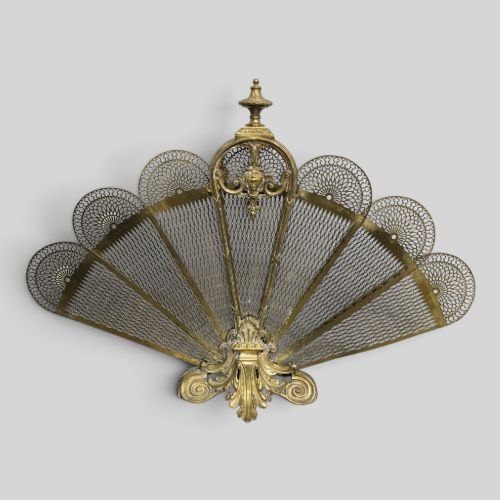
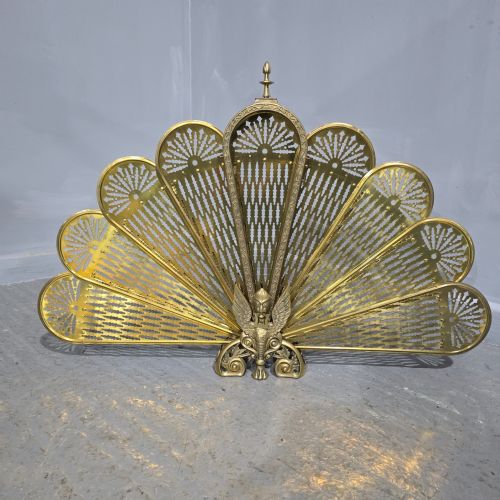
Beyond standard geometric guards, specialised variations include peacock fire screens that fan out symmetrically. These decorative metal objects double as room focal points when the fireplace is unlit during warmer months.
How they were made
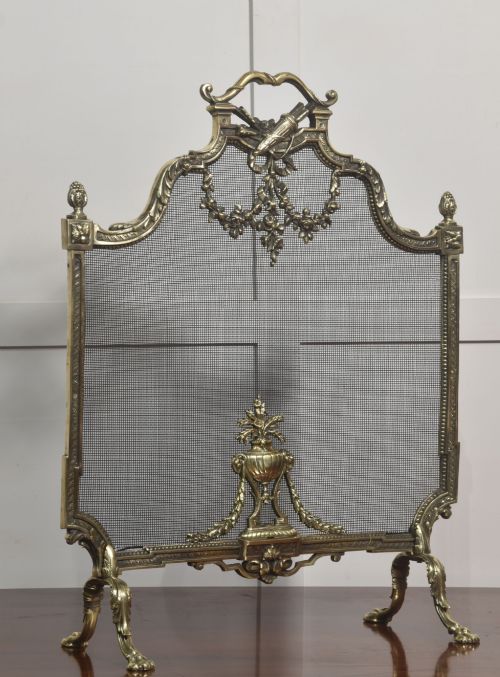
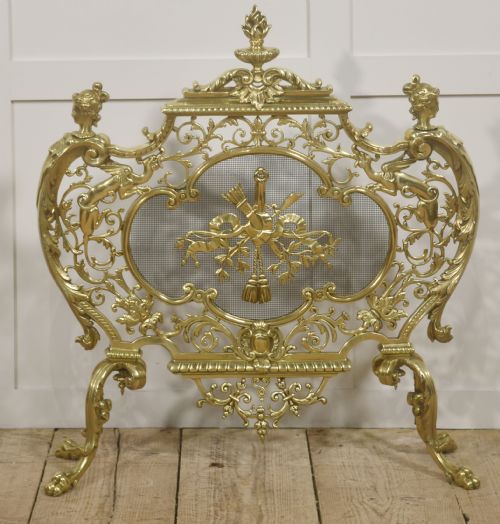
Makers utilised brass, gilt brass, gilt bronze, and bronze as the primary structural and decorative metals for these frames. Casting and piercing techniques allowed artisans to achieve elaborate scrollwork, classical trophies, and dolphin motifs characteristic of revivalist movements.
Wire mesh, steel mesh, and general metal mesh panels were fitted securely within the metal frames to act as functionalspark barriers. Gilt finishes and gilded applications were applied to bronze and brass surfaces to catch and reflect candlelight or firelight.
Ornate Metal Hearth Screen Retail Price Guide 2026
Typical asking prices for ornate metal hearth screen among the pieces listed under this phrase on Sellingantiques today, from the lower quarter to the upper quarter. They describe what is for sale here now, not the wider market.
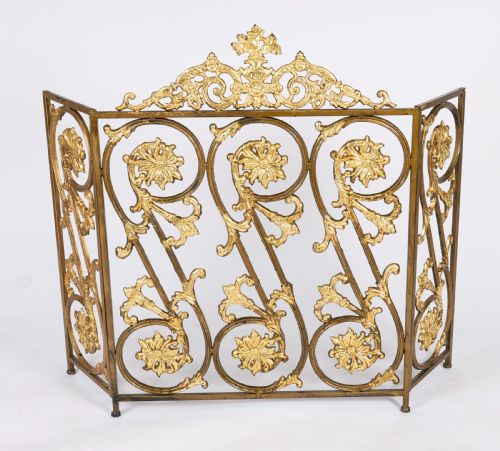
The listings feature nineteenth-century items incorporating brass, wire mesh, gilt bronze, and wrought iron across various French revival styles.
What varies in quality
The distinction between standard production and superior work lies in the depth of the casting and the crispness of the chased details. Heavier bronze and thick brass frames with intricate pierced work demonstrate a higher grade of craftsmanship than lighter stamped alternatives.
Stylistic cohesion also separates the range, where unified French Rococo or Empire Revival motifs show deliberate artistic vision across every scroll and foot. The integration of the protective mesh into the overall decorative scheme marks the standard of the maker's output.
The Ornate Metal Hearth Screen Glossary
- Rococo Revival
- A nineteenth-century design movement inspired by eighteenth-century French art, featuring asymmetrical C-scrolls, shell motifs, and naturalistic plant forms. It dominates many of the brass frames found in this category.
- Gilt Bronze
- An alloy of copper and zinc or tin coated with a thin layer of gold, often referred to as ormolu in French pieces. This material provides a warm, lasting metallic sheen that resists tarnishing.
- Fire Guard
- A physical barrier designed to stand in front of an active fireplace to prevent stray embers from reaching the room. They range from simple mesh panels to heavily ornamented architectural screens.
- Classical Trophies
- Decorative groupings of symbolic objects such as musical instruments, weapons, or agricultural implements cast into the metalwork. These motifs reflect neoclassical and empire revival tastes.
- Peacock Screen
- A folding fire screen composed of individual metal vanes that expand outward like a peacock tail. They provide adjustable coverage for the hearth opening.
Ornate Metal Hearth Screen: Frequently Asked Questions
How do I use a hearth screen?
Place the screen upright directly in front of the fireplace opening before lighting a fire. The mesh panel intercepts flying sparks while allowing heat to circulate into the room.
When the fireplace is not in use, position the screen flush against the hearth as a decorative room accessory. Its ornate metalwork serves as a visual centrepiece during warmer months.
Are these screens safe for open fires?
Most antique screens feature sturdy wire or steel mesh designed specifically to contain hot embers and sparks. Ensure the frame sits level on the hearth before the fire is lit.
Verify that the mesh is securely attached to the main frame without gaps. Do not leave an open fire unattended regardless of the screen used.
How do I identify French revival styles?
Look for distinct design cues such as the playful, flowing curves of Louis XV and Rococo pieces. These often include floral garlands, asymmetrical scrolls, and pierced brass castings.
Empire and Louis XVI styles present a more formal, symmetrical appearance with classical motifs like wreaths and trophies. Reference the listed production periods from the nineteenth century to date the influence.