




Ornate Metal Fireplace
An ornate metal fireplace accessory brings character to a hearth, offering a blend of decorative detail and utility through cast iron, brass, and bronze.
Ornate Metal Fireplace
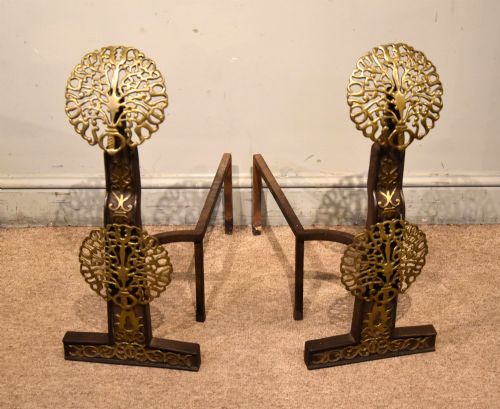
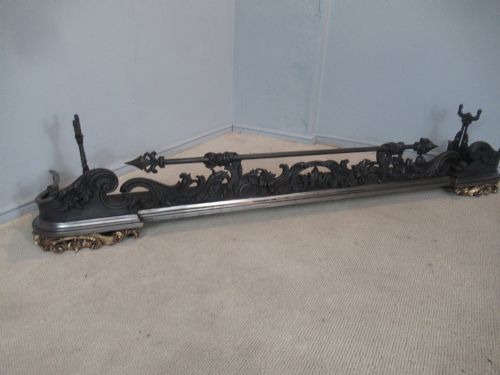
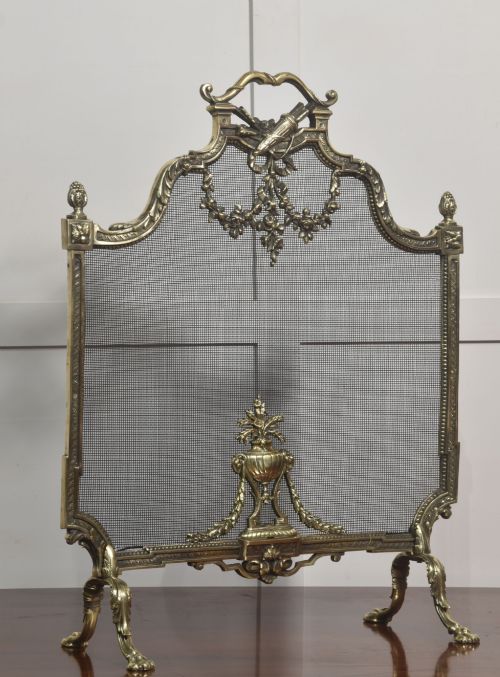
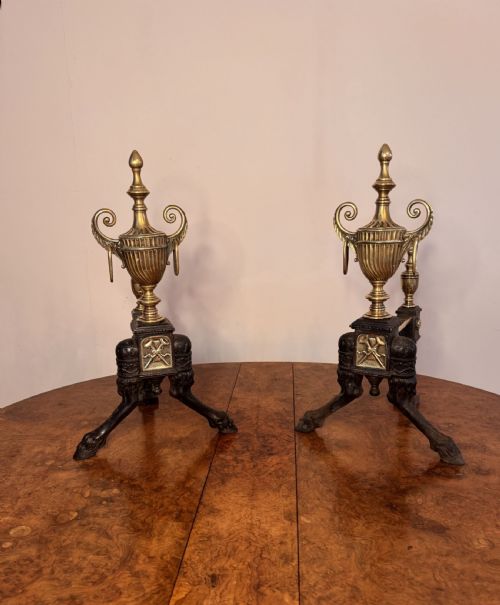
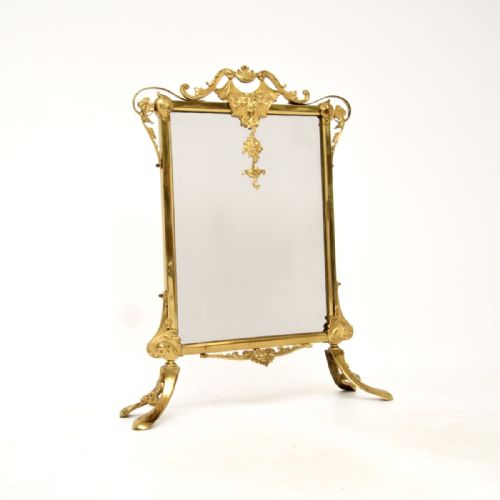
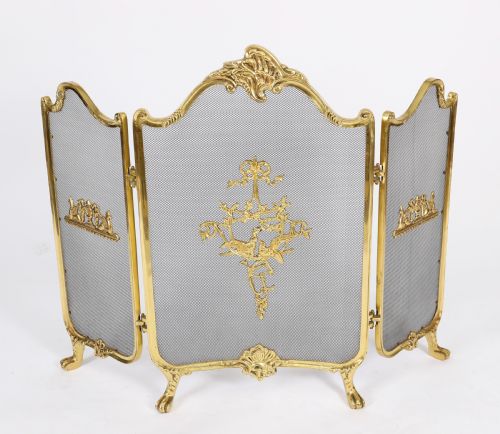
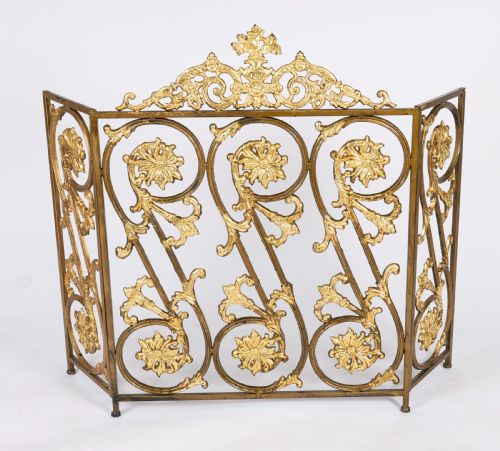
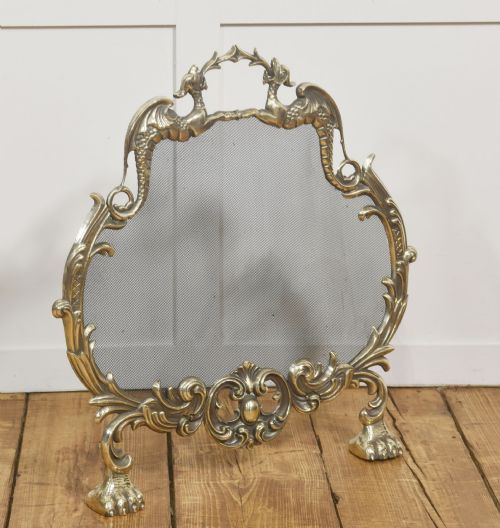
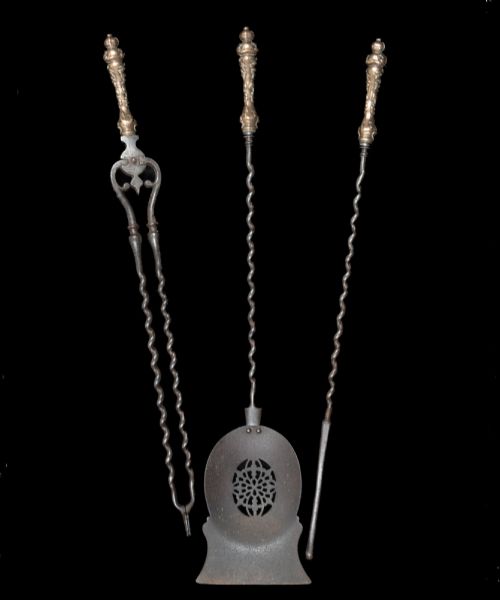
When you search for an ornate metal fireplace, you encounter a variety of hearth equipment spanning the nineteenth century and the early twentieth century. The selection on this page centres predominantly upon fire screens, fire dogs, fenders, and companion sets fashioned from cast iron and brass.
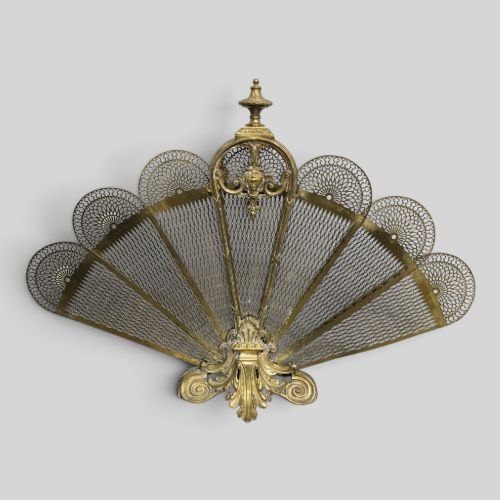
The objects take several distinct forms, including folding spark guards, peacock screens, heavy coal bins, and architectural andirons. French Rococo revival and Victorian styles dominate the designs, reflecting a preference for elaborate ornamentation around the hearth.
Makers and manufacturers produced these items to serve both a practical containment role and a decorative function within the principal reception rooms of the period. Consequently, many examples exhibit pierced metalwork, gilding, and sculptural motifs.
How they were made
Foundries utilised casting techniques for iron and brass components, producing substantial fire dogs and fenders with deep relief moulding. Artisans then hand-finished these metal parts through filing, chasing, and polishing to accentuate the decorative motifs.
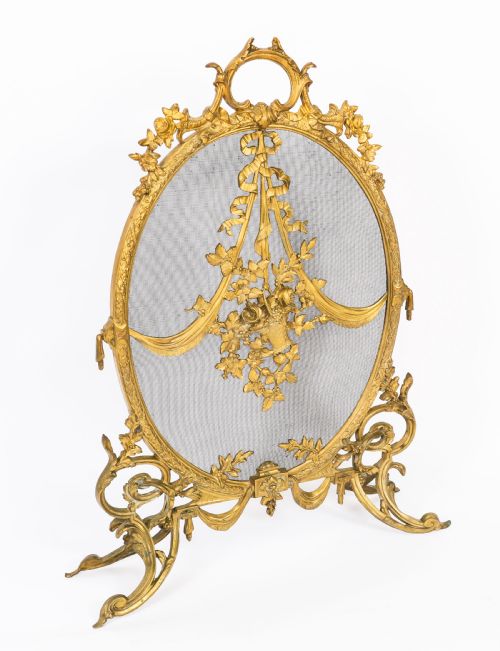
Gilt bronze and gilt brass screens incorporate delicate wire mesh or perforated sheet metal soldered into structural frames. Wrought iron elements provide sturdy frameworks for heavier hearth furniture, often combined with cast brass ornamentation.
French workshops frequently applied fire gilding or ormolu to bronze frameworks, while British manufacturers concentrated on polished brass fenders and cast iron grates.
Ornate Metal Fireplace Retail Price Guide 2026
Typical asking prices for ornate metal fireplace among the pieces listed under this phrase on Sellingantiques today, from the lower quarter to the upper quarter. They describe what is for sale here now, not the wider market.
The inventory encompasses functional hearth furniture, including spark screens, coal bins, and companion sets alongside architectural andirons.
What varies in quality
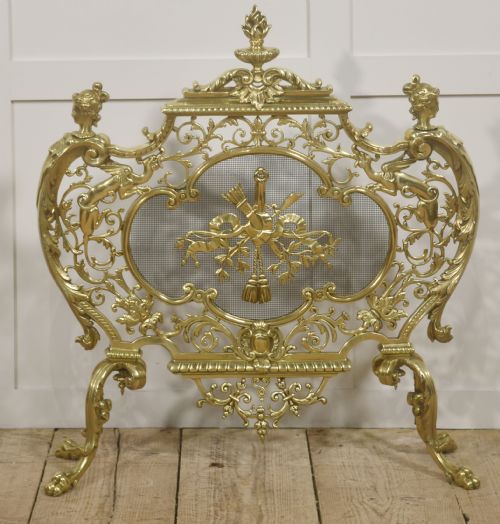
The distinction between standard production items and superior pieces rests upon the crispness of the casting and the depth of the hand-chasing. Finer screens and andirons display intricate, sharply defined details in their foliage, scrolls, and figural mounts.
Material thickness and weight also determine the calibre of a piece, with heavier gauge brass and substantial cast bronze denoting superior construction. Inferior examples rely on thin stamped sheet metal that lacks structural rigidity and dimensional depth.
The integrity of the original mercury gilding or surface finish significantly impacts the visual appeal and historical standing of French and Victorian items.
The Ornate Metal Fireplace Glossary
- Andirons
- Supports made of iron or brass used to hold logs above the hearth floor. They often feature decorative cast front pieces.
- Fire Fender
- A low metal guard placed around the hearth to contain ash and burning embers. These frames define the perimeter of the fireplace.
- Fire Screen
- A decorative barrier placed in front of the fireplace opening when the fire is unlit. They frequently utilise brass mesh to protect against sparks during use.
- Gilt Bronze
- Bronze metal treated with a fine layer of gold applied through amalgamation or electroplating. This finish imparts a rich metallic lustre.
- Rococo Revival
- A nineteenth-century design style mimicking the asymmetrical curves, C-scrolls, and naturalistic shell motifs of the eighteenth century. It appears frequently on French and Victorian hearth accessories.
Ornate Metal Fireplace: Frequently Asked Questions
What is a fire screen used for?
A fire screen serves primarily to shield the room from the intense radiant heat of an open fire when stoked. During warmer months, it acts as an ornamental centrepiece to conceal an empty hearth.
Many period examples incorporate mesh panels that permit ventilation while containing stray sparks. Their decorative frames introduce architectural interest to a chimney breast.
How do I identify a Victorian fender?
Victorian fenders typically combine cast iron bases with polished brass rails or pierced decorative friezes. They are built with substantial weight to withstand daily hearth use.
Stylistic cues often draw upon Gothic, neoclassical, or Rococo revivals. Makers frequently incorporated copper or steel elements alongside the brass.
What are andirons?
Andirons are paired metal supports designed to elevate firewood within the hearth, allowing air to circulate beneath the logs for better combustion. The front pillars are usually ornate, while the horizontal bars extend backward into the fireplace.
They function alongside fire dogs, providing both a structural base for burning wood and a decorative terminal visible in the room.
How do I clean brass hearth pieces?
Cleaning historic brass requires gentle treatment to preserve any patination accumulated over the centuries. A soft cloth and mild soapy water remove surface soot and dust.
Avoid harsh chemical abrasives that strip away the original finish. Specialist metal polishes should be used sparingly and kept away from adjoining iron or mesh.