
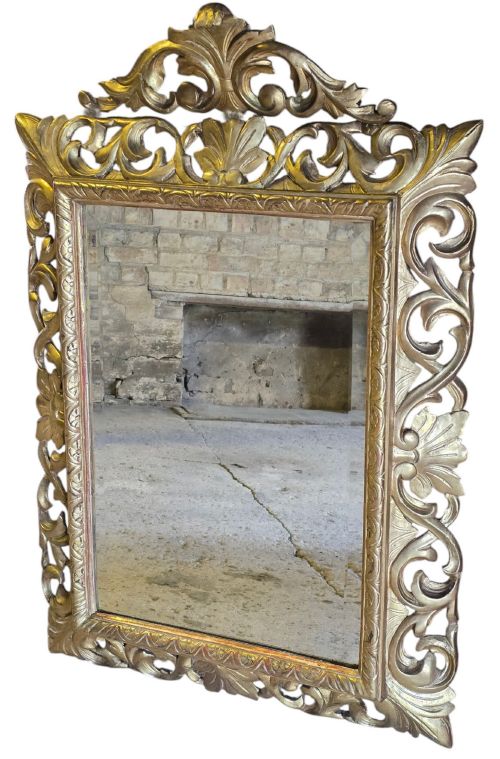

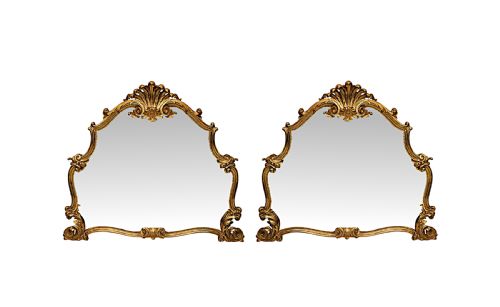
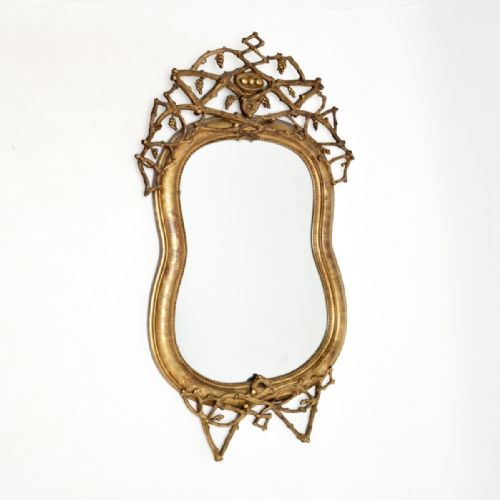

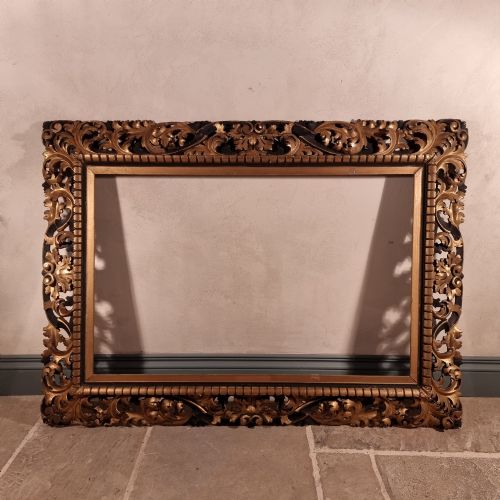


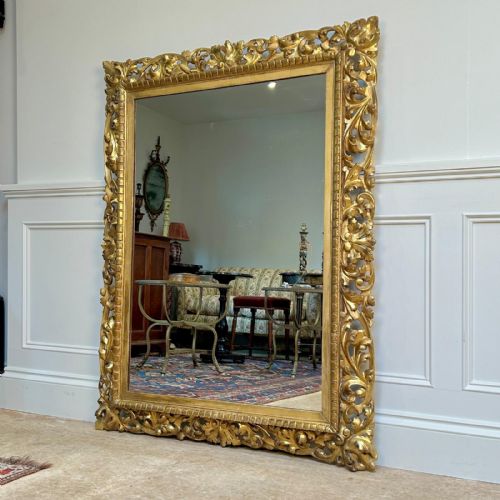


Ornate Italian Mirror
An ornate italian mirror brings depth, light, and carved drama to a room through centuries of traditional craftsmanship.
Ornate Italian Mirror
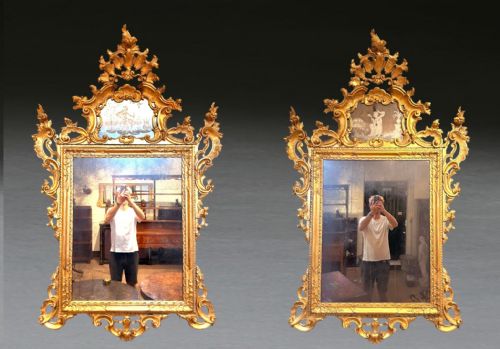
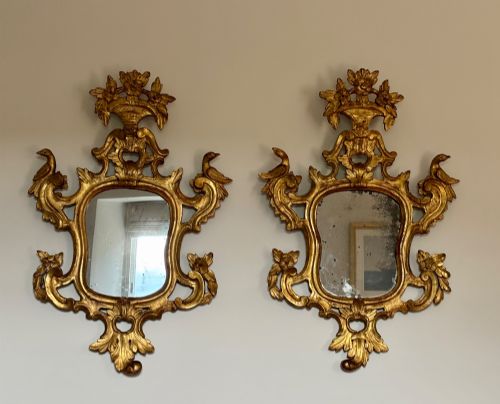
An ornate italian mirror is a decorative looking glass defined by elaborate carving, historic periods, and regional Italian styles. When exploring this phrase, buyers encounter wall mirrors, overmantels, and dressing glasses originating from workshops across Italy.
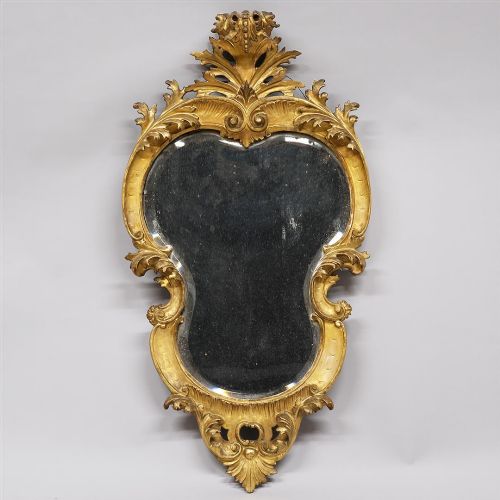
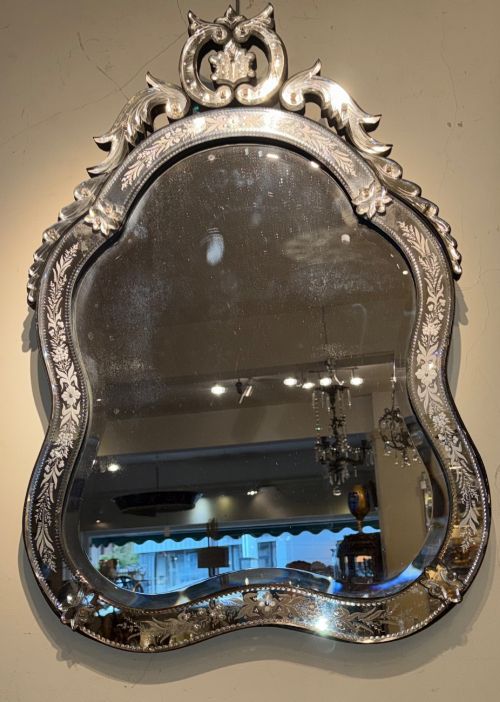
The selections span centuries, featuring 18th-century Venetian and Rococo designs alongside 19th-century Florentine and Victorian interpretations. Wall mirrors and picture frames adapted into mirrors dominate the offerings, often displaying deep bevelling or engraved plates.
Regional characteristics shape each piece, from the pierced foliage of Florentine frames to the cut glass borders of Venetian examples. These objects function simultaneously as practical reflective surfaces and substantial works of carved art.
How They Were Made
Makers shaped these frames from solid woods such as limewood, fruitwood, and walnut before applying layers of gesso to build up high-relief ornamentation. This plaster-like ground allowed artisans to carve intricate scrolls, leaves, and architectural motifs with crisp edges.
Surfaces received finishes of gold leaf, silver leaf, or paint, burnished to achieve a brilliant metallic sheen over the carved wood. Mirror glass plates were hand-cut, sometimes featuring engraved designs or foxed patination developed over long periods.
The documented periods span from the seventeenth century through the Edwardian era, with nineteenth-century pieces forming the largest group.
What Varies in Quality
The depth and crispness of the hand carving separate standard frames from superior examples, as skilled artisans achieved greater dimensionality and fluid movement in foliage and scrolls. The preservation of the original giltwood or gold leaf surface also dictates the visual impact of the piece.
The authenticity and condition of the glass plate matter significantly, with original mercury or early silvered plates holding distinct character compared to later replacements. Structural integrity of the underlying wood and gesso foundation determines how well the heavy frame withstands time.
The Ornate Italian Mirror Glossary
- Giltwood
- Wood that has been coated with a thin layer of gold leaf or gold paint. This technique provides a luminous and durable finish characteristic of high-status mirrors.
- Gesso
- A mixture of binder and chalk used as a smooth base for carving and gilding on wooden frames. It allows artisans to create sharp, detailed low-relief ornamentation.
- Overmantel
- A large mirror designed specifically to hang above a fireplace mantel. These pieces frequently feature horizontal proportions and grand decorative crests.
- Cartouche
- An ornamental frame or tablet resembling a scroll or rolled-up piece of paper, often used as a central motif in Rococo mirror designs.
- Foxed
- A term describing the brown age spots and mottled degradation that develop on older mirror plates. This natural oxidation gives historic glass a soft, atmospheric appearance.
Ornate Italian Mirror: Frequently Asked Questions
How do I hang a heavy antique mirror safely?
These carved wooden frames carry substantial weight due to their dense materials and gesso ornamentation. Professional wall anchors and heavy-duty fixings suited to your wall type are essential.
Ensure the hanging wire or integrated brackets distribute the load evenly across the structure. Consulting a professional installer prevents strain on the historic frame and the wall alike.
What is the difference between Florentine and Venetian styles?
Florentine mirrors typically focus on heavily carved, gilded wooden frames filled with deep leaf scrolls and pierced foliage. They project a warm, sculptural presence rooted in traditional woodcraft.
Venetian mirrors incorporate glass elements into the frame itself, often featuring etched borders, floral crests, and mirrored panels surrounding the central plate. They emphasise luminosity and glass-working artistry.
How should I clean an antique mirror plate?
Historic glass and delicate gilt surfaces require gentle maintenance without harsh chemical cleaners. Use a soft, dry microfiber cloth to remove dust from the carved frame and glass.
If moisture is necessary, apply a minimal amount of distilled water to the cloth rather than spraying directly onto the mirror. This protects the original silvering and prevents liquid from seeping behind the plate.
How can I tell the age of an Italian mirror?
Dating relies on examining the construction methods, the wood type beneath the gilding, and the characteristics of the glass plate. Hand-carved joins, tool marks, and period-specific motifs offer clear chronological clues.
Original mirror glass often exhibits subtle distortions, hand-bevelling, and natural foxing. Comparing these physical traits to documented regional styles helps narrow down the period of manufacture.