



Ornate Iron Garden Seat
An ornate iron garden seat brings heavy Victorian casting and French metalwork into the open air to anchor a lawn or terrace.
Ornate Iron Garden Seat
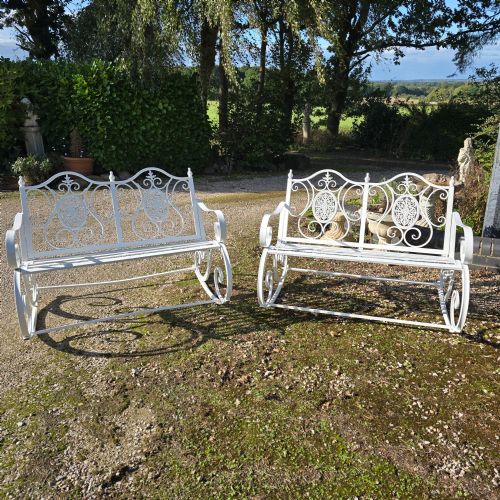
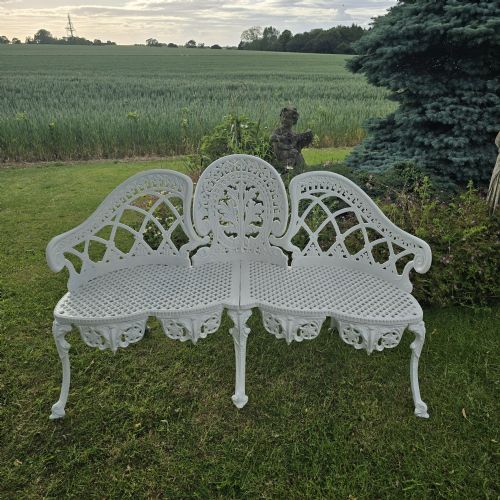
When you search for an ornate iron garden seat, you are looking at heavy metal furniture made to withstand the weather while offering elaborate decoration. The versions most likely to meet you on this page are Victorian and early nineteenth-century cast iron benches, settees, and garden chairs featuring pierced scrollwork and vegetal motifs.
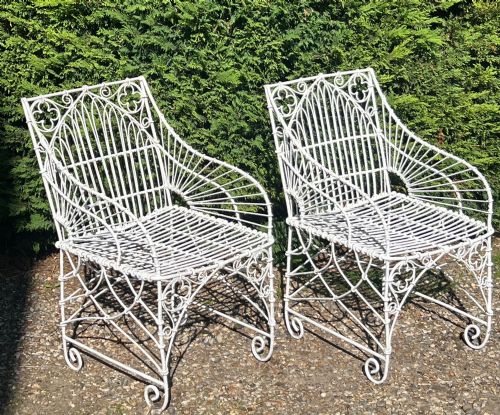
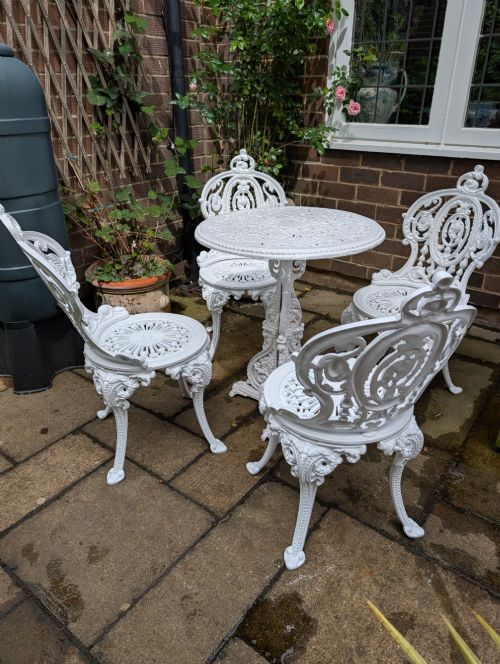
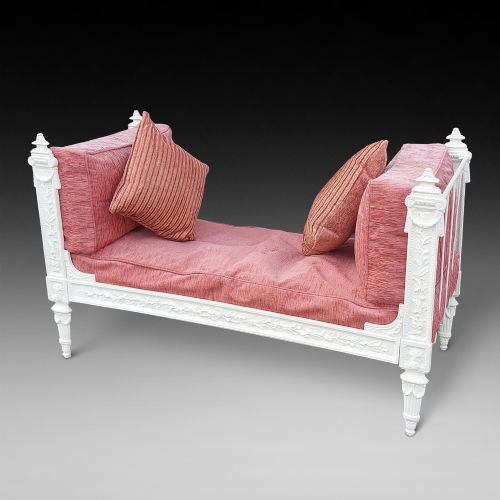
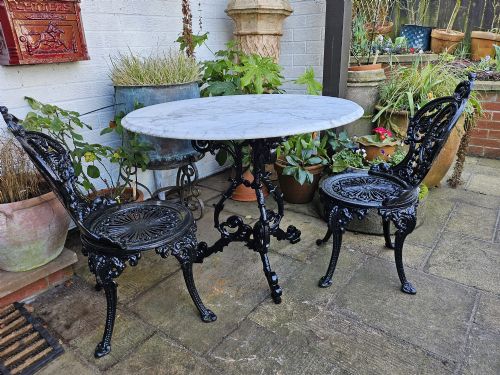
Beyond standard benches, the selection includes pairs of armchairs, daybeds, bistro sets with marble tops, and bench ends ready for new timber slats. Origins span English Victorian foundries to French provincial workshops following Gothic Revival and Riviera styles.
How they were made
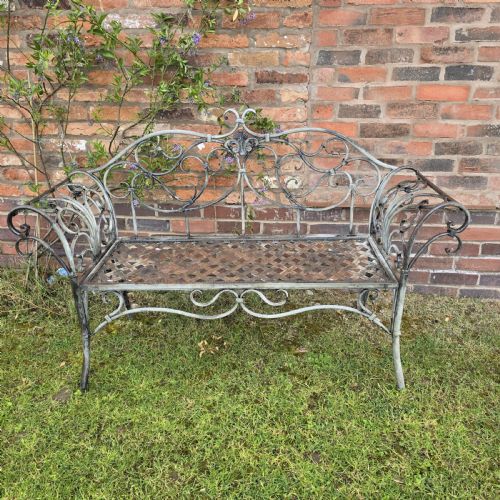
Foundries produced these pieces primarily through sand casting, pouring molten metal into moulds to create intricate, repeating patterns of foliage and tracery. Wrought iron was also utilised for lighter French armchairs and structural frames, shaped by hand at the forge rather than poured.
Makers combined iron with other materials where comfort or function required it, adding timber slats for seating surfaces, marble tops to bistro tables, and occasionally fabric or leather for indoor conservatory daybeds. Paint finishes, applied originally to prevent oxidation, survive in various states of wear and refurbishment.
Ornate Iron Garden Seat Retail Price Guide 2026
Typical asking prices for ornate iron garden seat among the pieces listed under this phrase on Sellingantiques today, from the lower quarter to the upper quarter. They describe what is for sale here now, not the wider market.
Some bench ends carry the ghost of a Coalbrookdale pattern, quietly whispering of nineteenth-century foundry floors.
What varies in quality
Quality in these metal seats rests upon the crispness of the casting and the depth of the relief work in the scrollwork. Finer pieces retain sharp edges and well-defined veins in leaf motifs, whereas lesser examples suffer from worn or shallow mould details.
The integrity of the frame and the original assembly methods also set pieces apart. Complete sets and benches retaining their authentic structural components command greater regard than married pieces or those with extensive later replacement parts.
Christopher Dresser·Coalbrookdale
The Ornate Iron Garden Seat Glossary
- Cast iron
- Iron poured in a molten state into a sand mould to create rigid, highly decorative furniture components. It forms the heavy structure of most Victorian garden seats.
- Wrought iron
- Iron heated and worked by hand with tools to form durable, lighter structural shapes. It appears frequently in French bistro and Riviera seating.
- Bench ends
- The heavy cast iron side supports of a garden seat designed to hold timber slats for the seat and back. They are often found and sold independently.
- Gothic Revival
- An architectural and decorative style drawing on medieval pointed arches and tracery. This aesthetic appears on nineteenth-century garden chairs and benches.
- Conservatory bench
- Seating designed for sheltered indoor-outdoor garden rooms rather than exposed lawns. These pieces often feature lighter frames and refined detailing.
Ornate Iron Garden Seat: Frequently Asked Questions
How do I care for an iron garden seat?
Keep the metal clean and dry during harsh winter months to prevent excessive rust accumulation. Applying a suitable protective paint coating helps preserve the surface.
Inspect the joints and bolts periodically to ensure the frame remains stable under daily use. Wooden slats require regular oiling or sealing if the bench stays exposed to rain.
Can these seats stay outside all year?
Cast iron handles outdoor conditions well due to its robust mass, though prolonged moisture encourages oxidation. Many owners choose to store them under cover during the deepest winter.
Pieces with timber components or marble tops benefit greatly from winter storage or protective tarps. French wrought iron forms need similar consideration to protect their lighter joints.
How do I date a Victorian iron bench?
Examine the style of the casting, noting whether it follows strict Gothic Revival patterns or later Victorian floral exuberance. Registration marks and foundry stamps, when present, offer precise production years.
Construction methods also help, as nineteenth-century pieces use specific bolt configurations and heavier metal gauges than twentieth-century revivals. The wear on the metal surface provides further clues to age.
Are replacement slats easy to fit?
Fitting new timber slats to antique bench ends requires careful measurement of the original bolt apertures. Hardwoods like teak or oak work best for durability against outdoor elements.
Ensure the wood thickness matches the original rebate in the cast iron to maintain structural alignment. Traditional slotted screws complete the period appearance.