
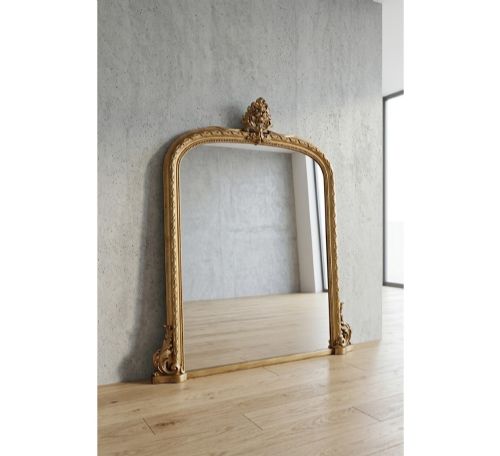
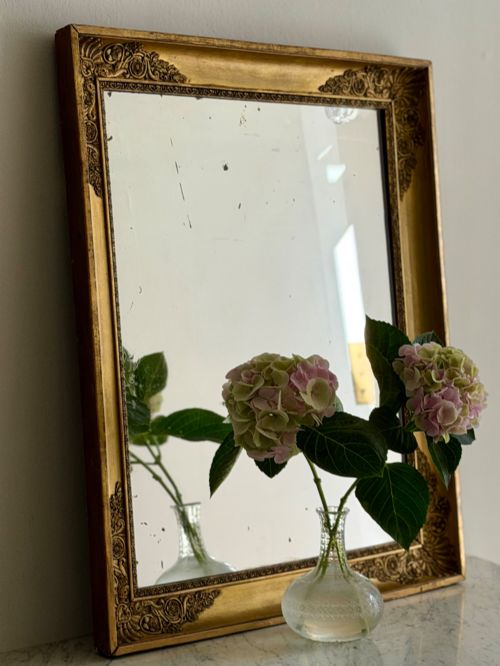
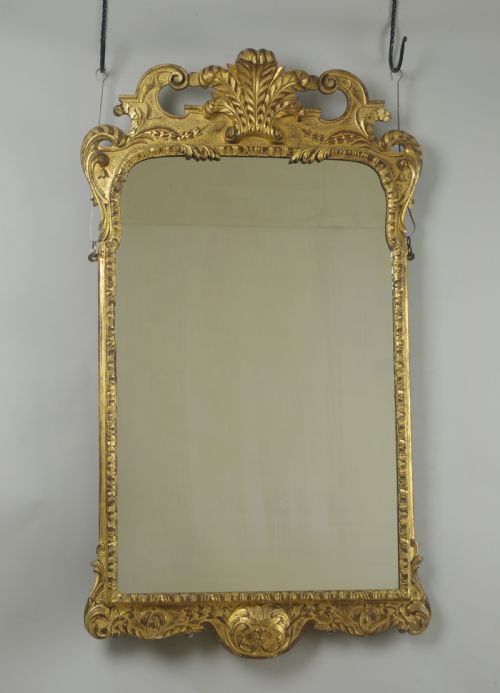
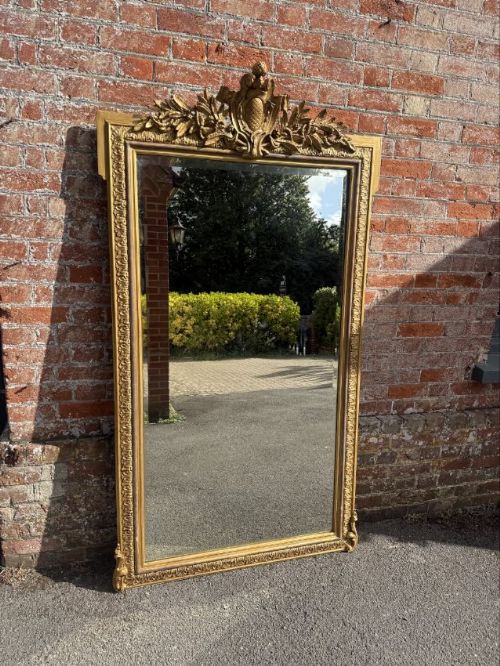
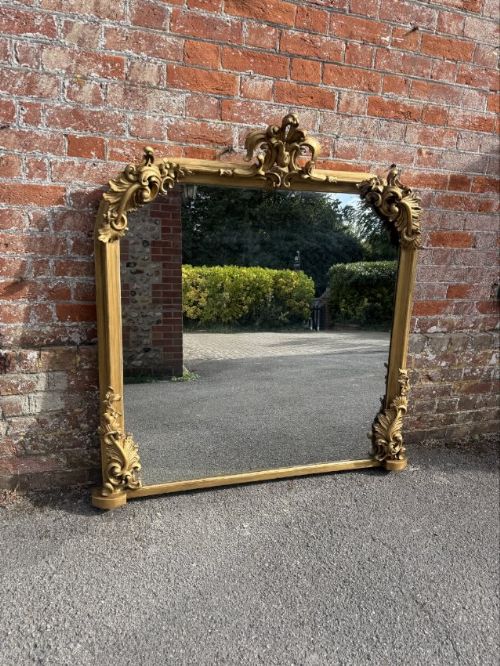
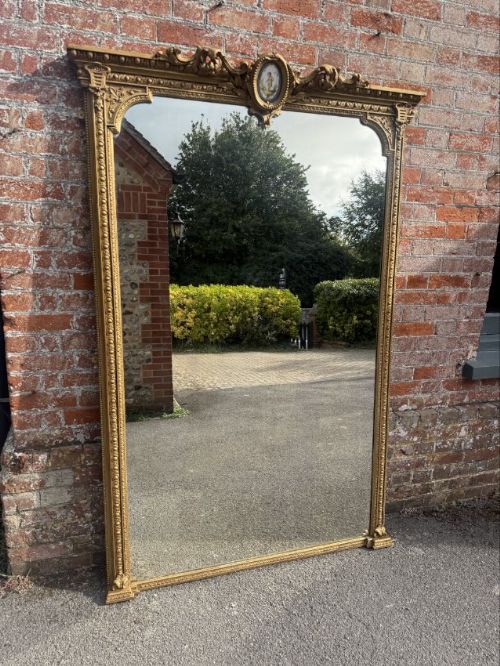
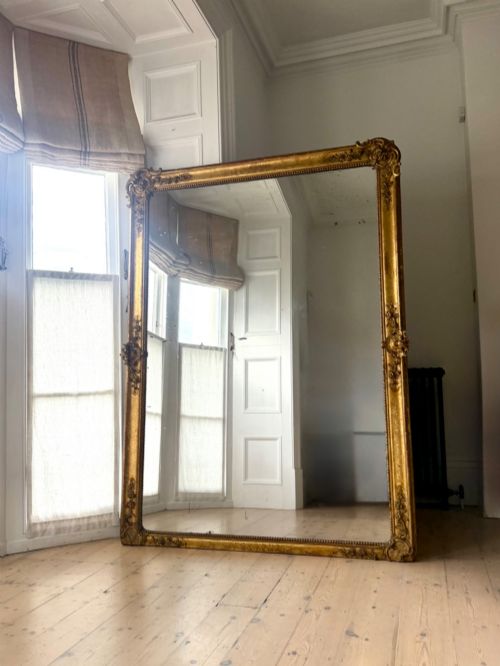
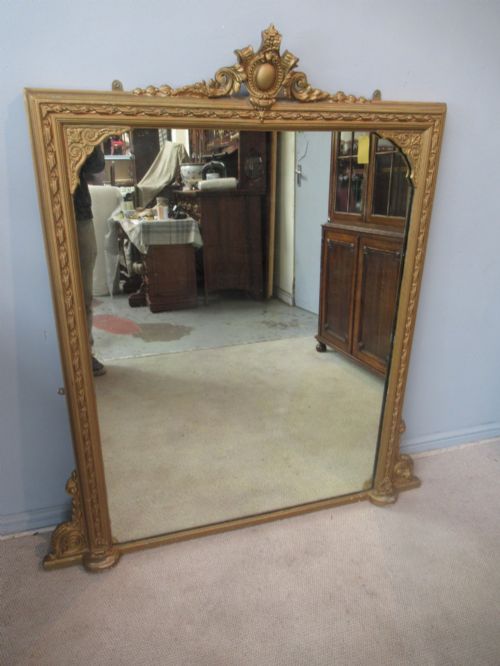
Ornate Gold Overmantel Mirror
An ornate gold overmantel mirror brings scale and reflection to a room, historically designed to sit above a mantelpiece.
Ornate Gold Overmantel Mirror
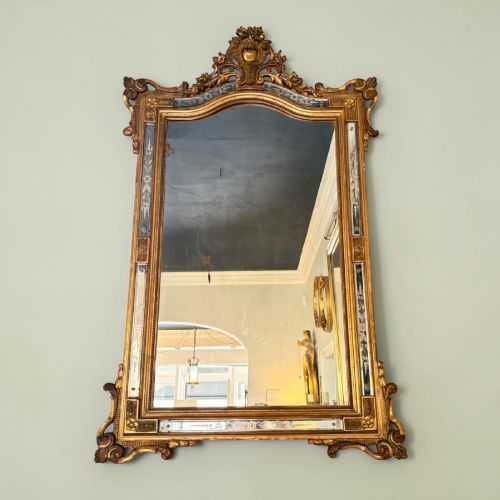
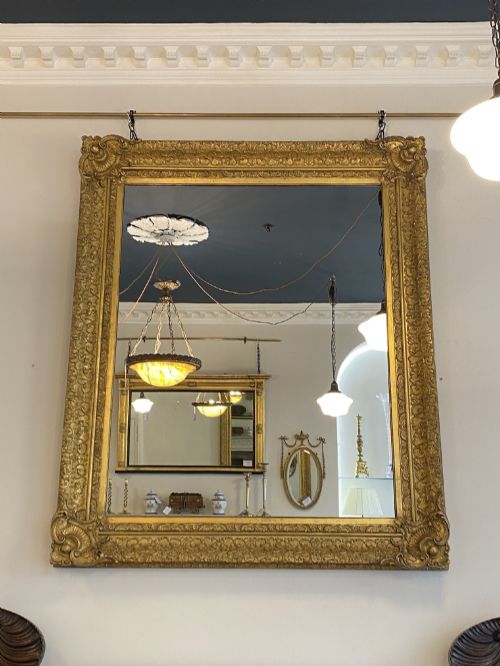
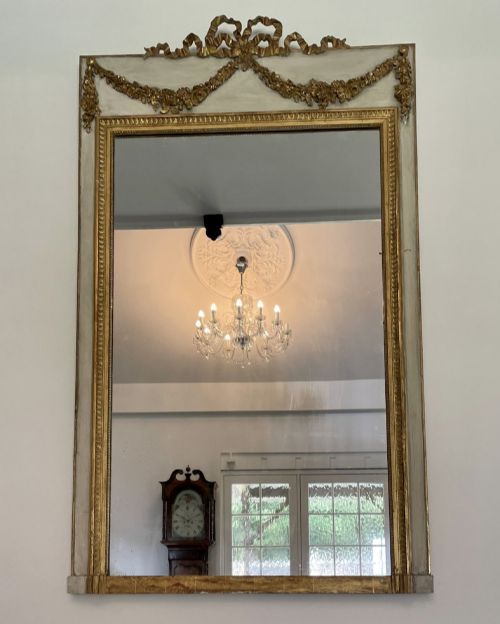
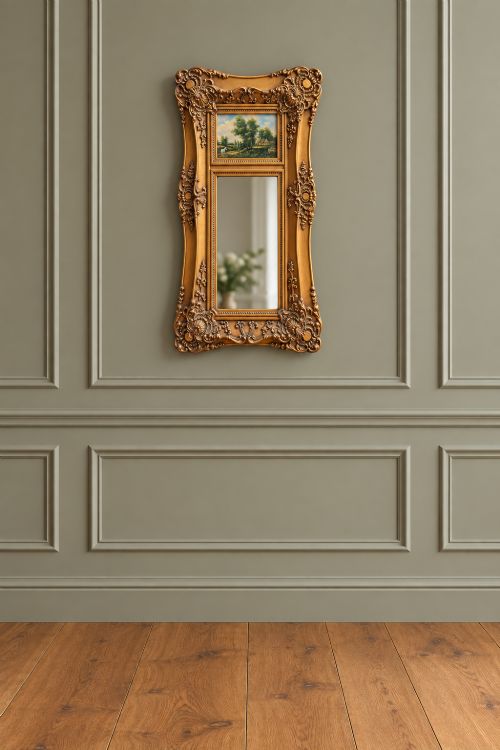
An ornate gold overmantel mirror is a grand architectural furnishing designed to hang directly above a fireplace, anchoring the chimney breast in a room. When you search for this phrase, you encounter large landscape or arched wall pieces intended to bounce light around high-ceilinged interiors.
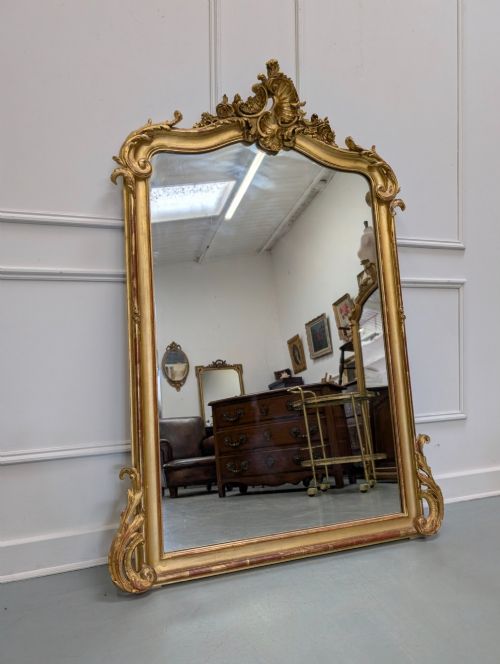
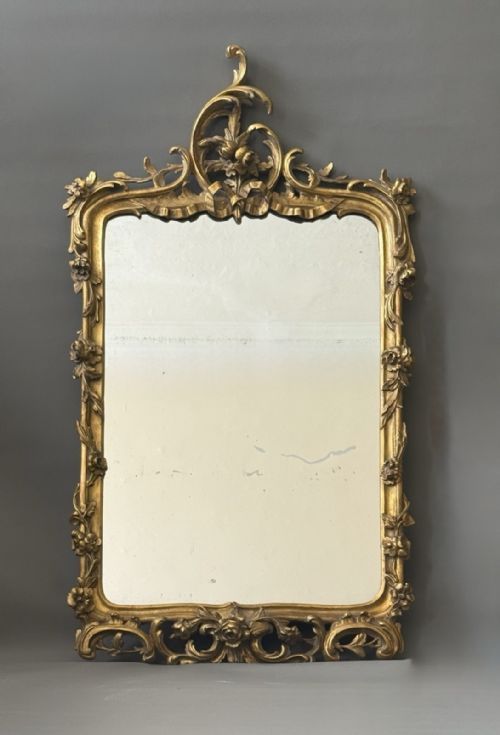
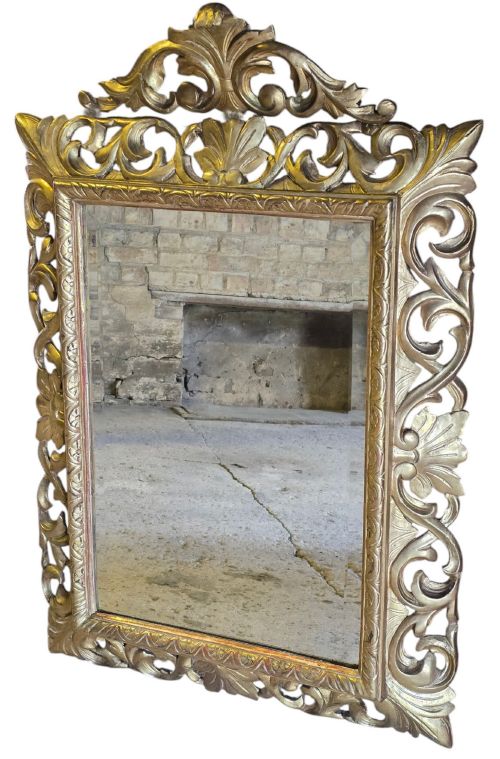
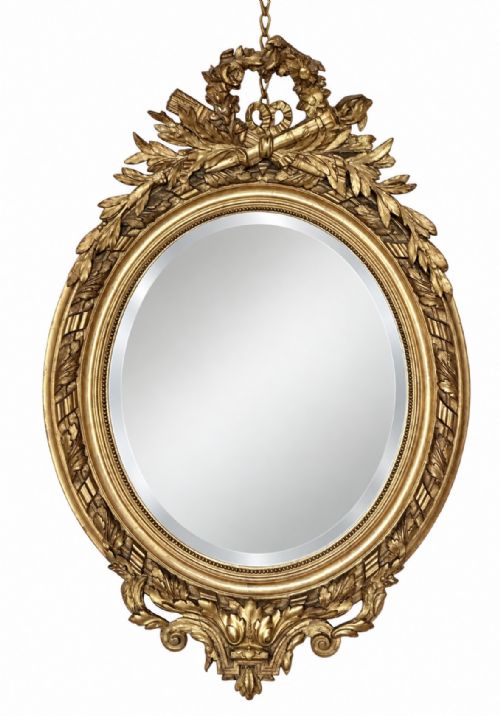
The versions most common on this page hail primarily from the nineteenth century, including Victorian, Rococo Revival, and French styles. These mirrors often incorporate sweeping crests, scrolling foliage, and substantial proportions intended to dominate a principal reception room.
How They Were Made
Carved wood and gesso form the structural framework for these gilded pieces, providing a stable yet malleable base for intricate ornamentation. Artisans applied thin layers of gold leaf or gilt composition over these carved surfaces to achieve a brilliant metallic finish.
Many examples utilise traditional mirror glass, occasionally featuring antique plates with foxed patination or bevelled edges that reflect age. Joinery and heavy framing techniques ensured these sizable hanging objects could support their own weight securely.
Some mirrors gaze back with centuries of foxed spots, having watched countless Victorian hearth fires burn down to embers.
What Varies in Quality
Depth and sharpness of the hand-carved detailing distinguish superior examples from standard production, as crisp acanthus leaves and deep relief work require considerable skill. The integrity of the original gesso and the warmth of the underlying gold leaf finish dictate the visual impact of the surface.
Proportion and architectural balance also divide the range, with better-designed frames integrating crests and side scrolls harmoniously without feeling crowded. The condition of the glass plate, whether retaining its early character or showing pleasing natural ageing, completes the assessment.
The Ornate Gold Overmantel Mirror Glossary
- Overmantel
- A large mirror or painting specifically proportioned to hang on the wall above a fireplace mantelpiece. They were traditionally manufactured to reflect the light of fires and candles into the room.
- Gesso
- A plaster-like mixture applied to wood frames to create a smooth surface for subsequent gilding and deep carving. It allows craftsmen to model fine decorative reliefs before applying gold leaf.
- Giltwood
- Timber that has been coated with gold leaf or gold paint to give the appearance of solid gold. This material defines the opulent aesthetic seen across nineteenth-century decorative arts.
- Foxing
- The natural oxidation and spotting of the silver backing on older mirror glass, creating dark speckles and patches. Collectors prize this charming aged imperfection as a sign of authenticity.
- Pier glass
- A tall mirror designed specifically to hang on the wall space between two windows. These pieces often share stylistic traits with larger overmantel frames.
Ornate Gold Overmantel Mirror: Frequently Asked Questions
What is an overmantel mirror?
An overmantel mirror is a large decorative glass panel specifically constructed to sit on the wall directly above a fireplace. Their wide proportions were designed to complement the width of the mantel shelf below.
Historically, these mirrors helped illuminate dimly lit rooms by reflecting natural daylight from windows or candlelight from the hearth. Today, they serve a similar decorative purpose in living spaces and dining rooms.
Can I place these mirrors on the floor?
Many large overmantel mirrors double as leaner mirrors, designed to rest securely against a wall without being hung. This placement creates a relaxed, contemporary interior aesthetic while still capturing maximum vertical reflection.
When leaning a mirror, secure the top frame to the wall using discreet safety brackets to prevent tipping. This method suits rooms with high ceilings where lifting a heavy piece into position proves impractical.
How do I identify a Victorian piece?
Victorian mirrors often display heavy proportions, robust construction, and eclectic revival styles such as Rococo or French-influenced ornamentation. The use of composition material alongside hand-carved wood becomes widespread during this era.
Examining the backboards, fixings, and the composition of the frame helps determine the manufacturing period. Nineteenth-century examples frequently feature heavy plasterwork crests and original thick glass plates.