




Ornate Gilt Wall Brackets
These ornate gilt wall brackets bring architectural presence and gilded warmth to an interior, functioning as both display ledges and decorative lighting.
Ornate Gilt Wall Brackets
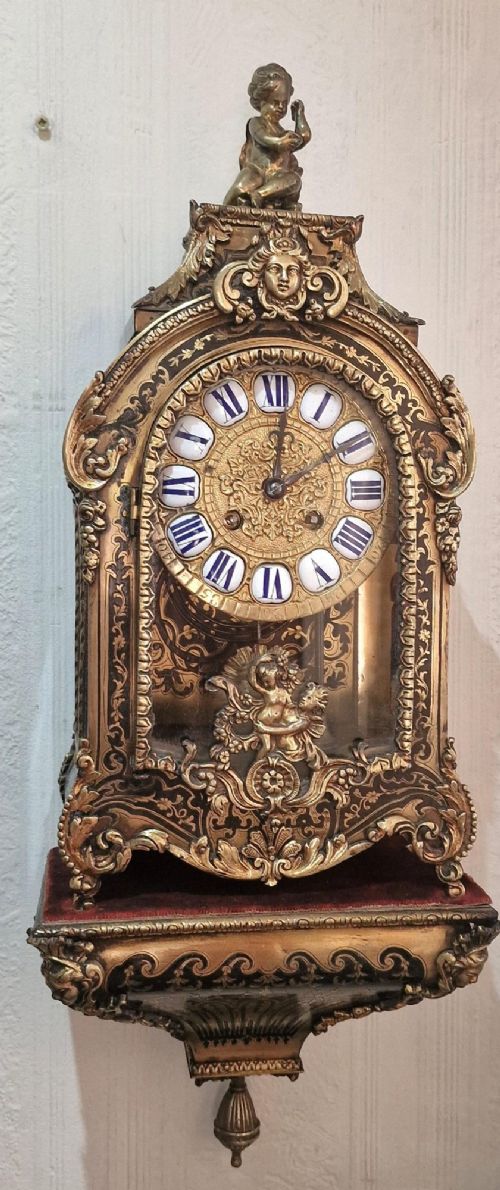
When you search for ornate gilt wall brackets, you encounter a focused selection of decorative ledges, display shelves, and mounting furniture produced across the eighteenth, nineteenth, and early twentieth centuries. These pieces emerge from periods spanning the Victorian era, the eighteenth century, and various revival movements, showcasing the enduring appeal of gilded surfaces.
The materials and construction reflect a blend of carved timber, gesso, cast brass, and bronze, finished with gold leaf or metallic paint. These items served historically to support porcelain, clocks, and candles, projecting light and ornamentation into formal reception rooms.
How they were made
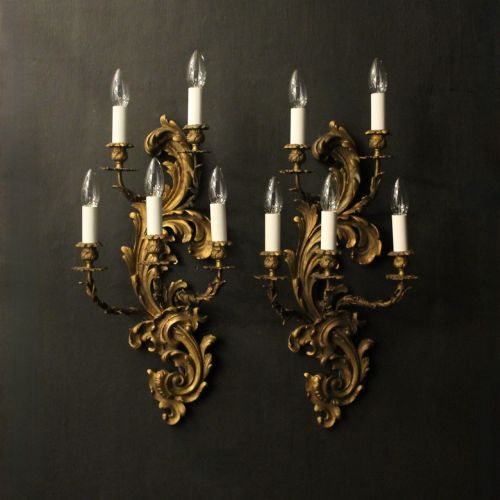
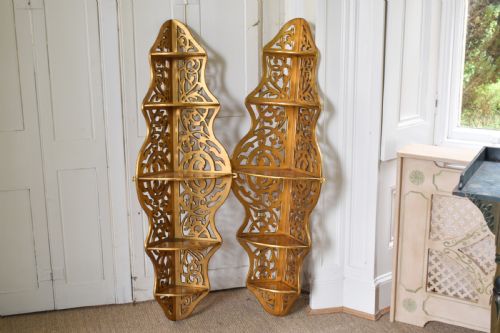
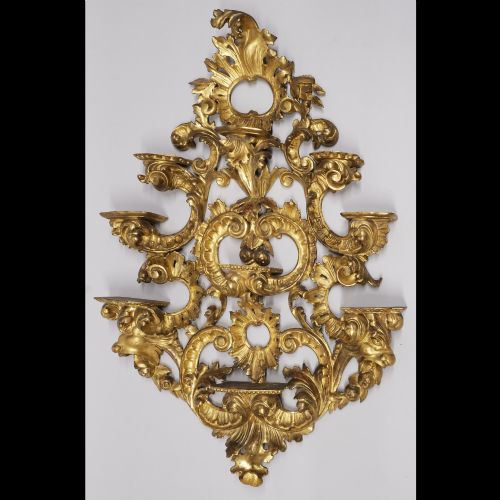
Woodcarvers shaped the foundational forms of giltwood brackets from timber before applying layers of gesso to build up intricate scrollwork, acanthus leaves, and asymmetric rococo motifs. Artisans then laid delicate sheets of gold leaf onto a prepared bole base, burnishing the metal to achieve a deep, reflective lustre.
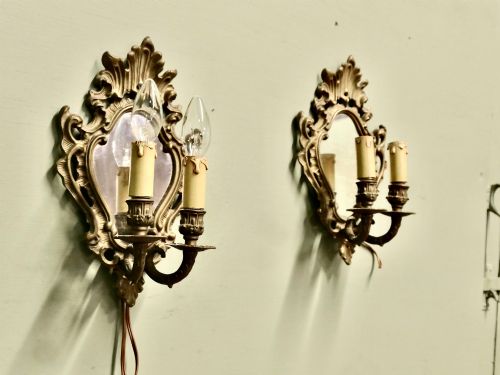
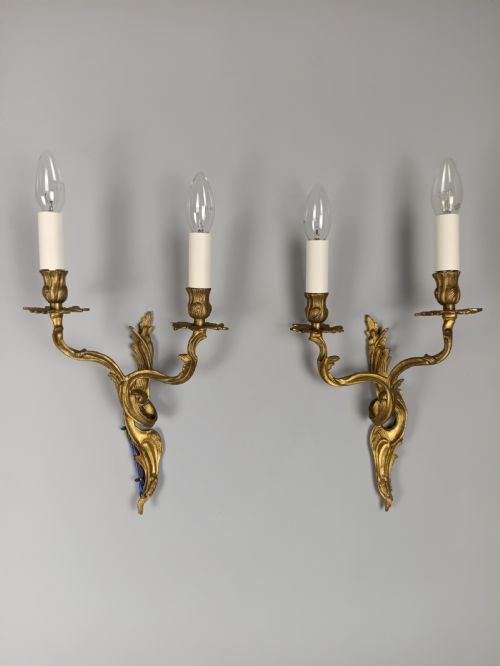
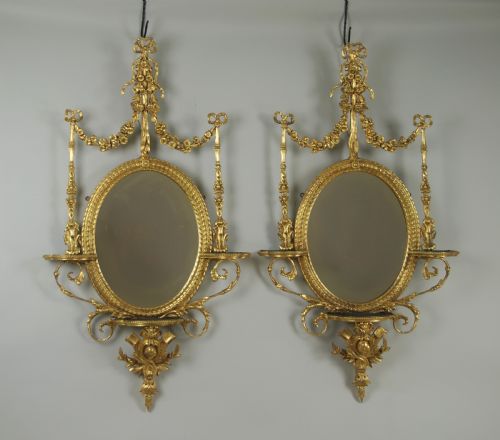
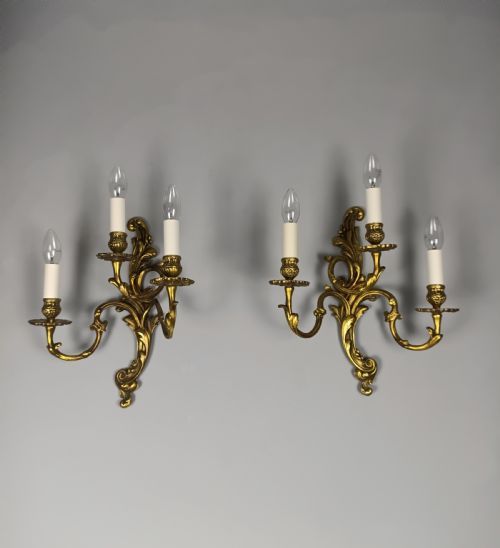
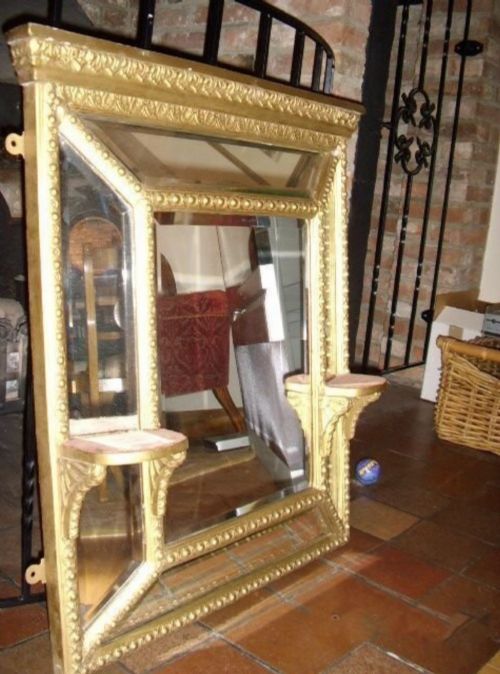
Metal versions utilised brass, bronze, and gilt metal, often cast in detailed moulds before receiving surface gilding or plating. The integration of glass elements, such as bevel-cut mirrors and inset panels, added reflective depth to the heavier carved frames and mounting brackets.
Ornate Gilt Wall Brackets Retail Price Guide 2026
Typical asking prices for ornate gilt wall brackets among the pieces listed under this phrase on Sellingantiques today, from the lower quarter to the upper quarter. They describe what is for sale here now, not the wider market.
The listings feature pieces spanning from the eighteenth century through to the 1930s, incorporating Victorian and French Rococo Revival styles.
What varies in quality
The depth and crispness of the carving distinguish finer examples from standard production, as skilled carvers achieved naturalistic fluidity in foliate scrolls and figural details. In cast metal pieces, the sharpness of the chasing and the weight of the bronze or brass indicate superior craftsmanship.
The integrity and method of the gilding further divide the range, with gold leaf demonstrating a warmer, more stable aged patina compared to later metallic paints or heavy bronzing powders. Original surfaces that retain their historical preparation layers hold greater visual cohesion.
The Ornate Gilt Wall Brackets Glossary
- Giltwood
- Timber, typically pine or lime, that has been carved, coated in gesso, and covered with fine gold leaf. This technique provides the primary decorative surface for many antique wall fixtures.
- Gesso
- A plaster-like mixture applied to wood surfaces as a smooth base for subsequent gilding and fine carving. It allows craftsmen to model intricate relief ornamentation before applying gold leaf.
- Rococo Revival
- A nineteenth-century design movement mimicking the ornate, asymmetric scrollwork and natural motifs of the French eighteenth century. This style dominates many of the surviving wall brackets and sconces.
- Girandole
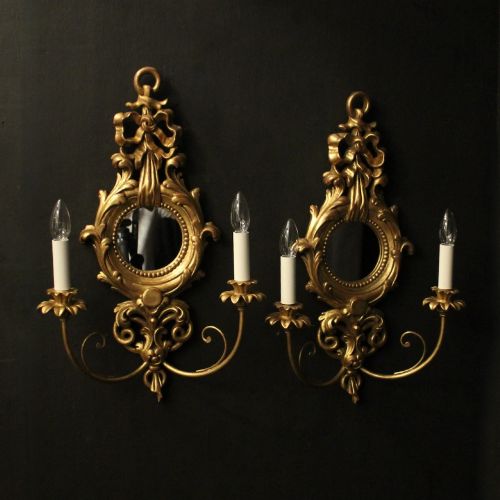
- An ornamental bracket or wall light featuring sconces combined with a mirror to multiply the reflected illumination. These pieces often incorporate elaborate gilt frames and candle arms.
Ornate Gilt Wall Brackets: Frequently Asked Questions
How do I mount a heavy giltwood bracket safely?
Heavy carved wall brackets require secure fastening directly into masonry or through timber wall studs using appropriate wall anchors. The substantial weight of gesso-covered timber demands reliable load-bearing hardware to prevent displacement.
Professional installation is recommended for older pieces featuring integrated mirrors or delicate protruding shelves. Ensuring the bracket rests flush against the wall distributes the downward pressure evenly.
What is the difference between a wall bracket and a sconce?
A wall bracket primarily functions as a structural shelf or ledge designed to support decorative objects such as clocks or porcelain figures. They often feature flat display surfaces and ornamental corbels.
In contrast, a wall sconce incorporates candle arms or built-in electrical fittings specifically to provide illumination. Many nineteenth-century French pieces combine both functions by pairing a display shelf with candle branches.
How should I clean antique gilt surfaces?
Dust giltwood and gilded metal gently using a soft, dry artist brush or a clean feathered duster. Avoid applying moisture, commercial cleaning sprays, or abrasive cloths, which can strip away fragile gold leaf.
Water and chemical solvents react adversely with nineteenth-century gesso and bole layers. Regular, careful dusting preserves the original metallic sheen without disturbing the underlying surface.
Are these pieces usually sold as pairs?
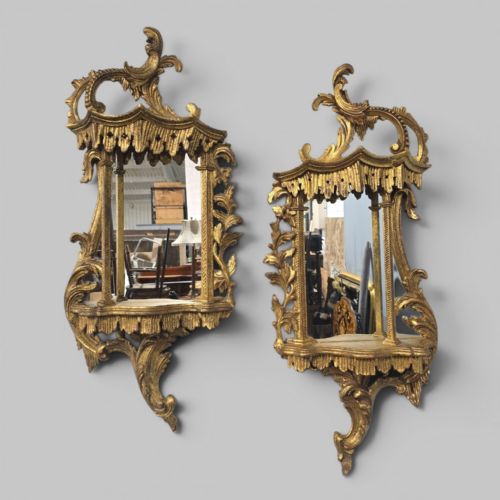
Many wall brackets and lighting fixtures survive as matched pairs intended to flank fireplaces, mirrors, or architectural doorways. Symmetrical placement formed a central tenet of interior decoration during the Victorian and revival periods.
Single examples also appear, having been separated over centuries of changing domestic arrangements. Pairs generally command greater interest for formal wall composition.