



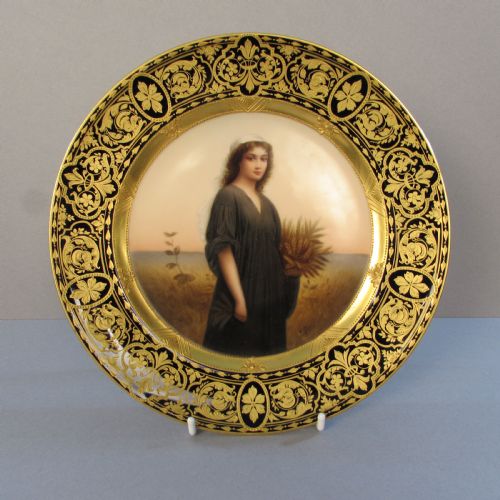


Ornate Gilded Plates
Ornate gilded plates are decorative items of porcelain, glass and giltwood that bring brilliant surface and historical character to a room.
Ornate Gilded Plates
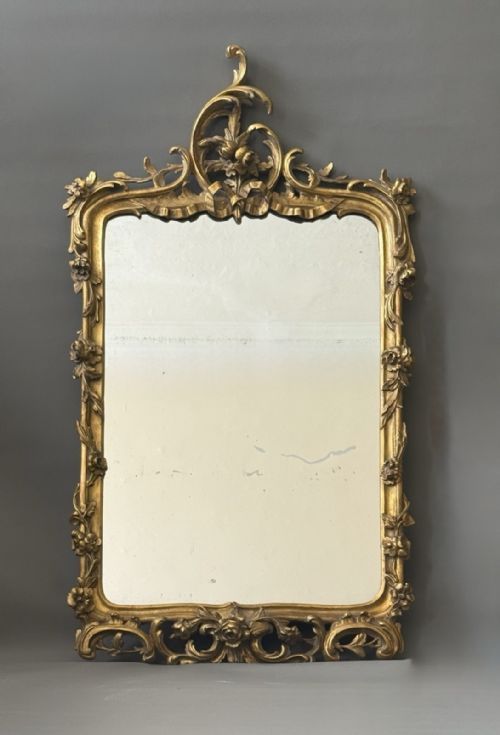
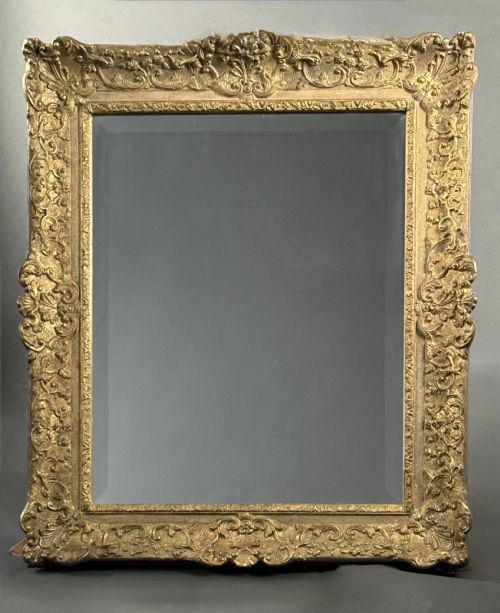
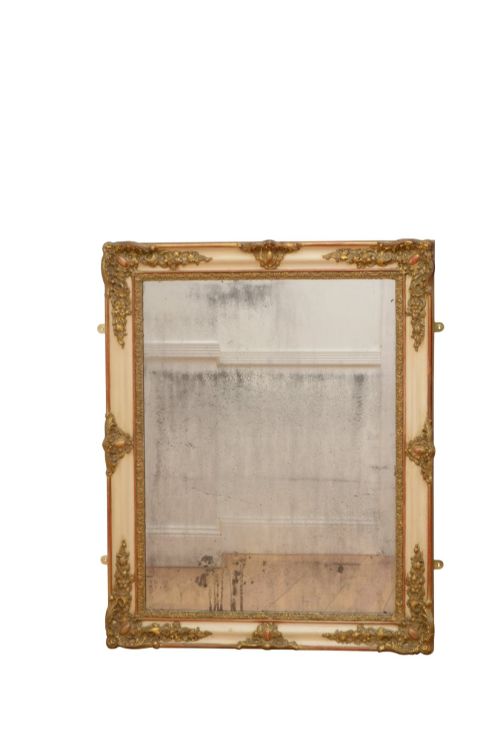
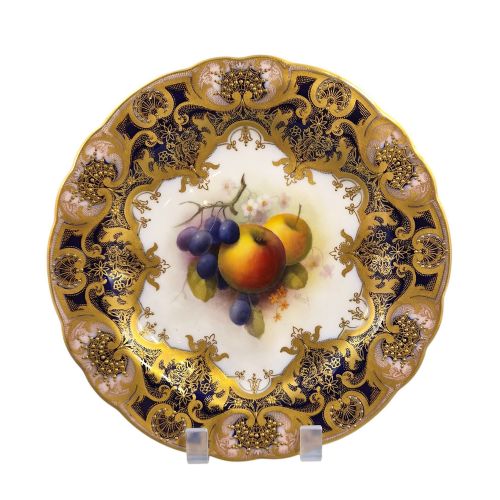
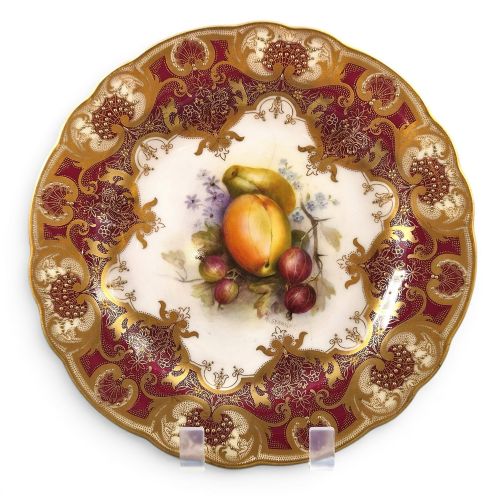
When you search for ornate gilded plates, you encounter pieces that span porcelain cabinet plates and mirrored wall glass set within gilded frames. These items emerge from various periods including the eighteenth century, the nineteenth century and the Edwardian era, with porcelain examples often bearing painted fruit or historical scenes.
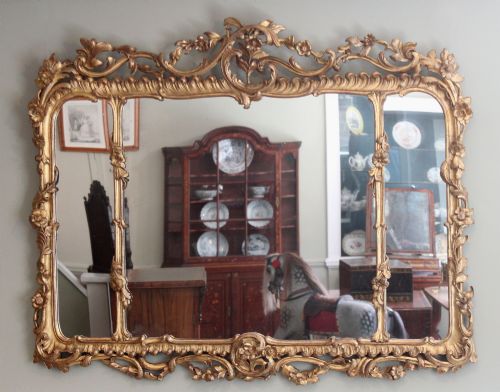
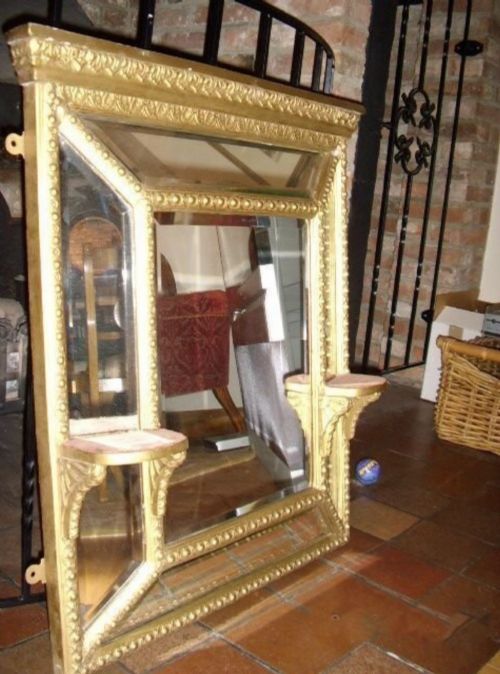
The porcelain variants include cabinet plates from factories like Royal Worcester, Coalport and Sevres, alongside decorative Vienna plates. Meanwhile, the mirror and frame forms span French Rococo, Italian Rococo, Regency and Chippendale styles, taking shapes such as wall mirrors, overmantel mirrors and cushion mirrors.
You are most likely to meet nineteenth-century French and English pieces on this page, alongside Edwardian revivals. They serve primarily as visual focal points, whether displayed on a cabinet or hung upon a wall.
What varies in quality
The finesse of the hand-carving in the giltwood and the crispness of the gesso ornamentation separate exceptional frames from simpler ones. In porcelain cabinet plates, the artistic merit and precision of the hand-painted decoration, such as signed fruit scenes, elevate certain pieces above standard factory output.
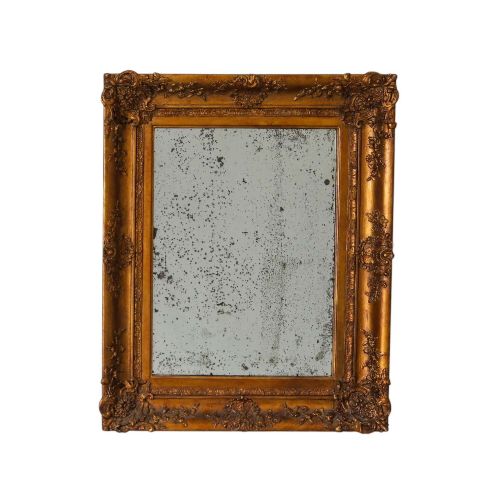
The condition of the gilding and the character of the glass plates, including foxing or antique bevelling, contribute significantly to a piece's visual depth. Originality of components and the prestige of the maker's hand also define the upper tier of these objects.
Listings feature periods from the eighteenth century through the 1930s, encompassing Regency, Edwardian, and Rococo Revival styles.
Royal Worcester·Coalport·Elkington
The Ornate Gilded Plates Glossary
- Giltwood
- Wood that has been coated with gold leaf or gold paint. This technique provides a durable and brilliant metallic finish on frames and decorative objects.
- Cabinet plate
- A decorative ceramic plate intended for display rather than dining. These often feature elaborate painted scenes and fine porcelain bodies.
- Gesso
- A plaster-like mixture applied to wood frames to create a smooth surface for gilding. It allows for deep, intricate relief moulding.
- Foxing
- Age-related spots and discolouration appearing on antique mirror glass. This chemical oxidation creates a distinctive speckled appearance across the plate.
- Rococo Revival
- A nineteenth-century style mimicking the asymmetrical scrolls and shell motifs of the eighteenth century. It dominates many of the frames and mirrors in this category.
Ornate Gilded Plates: Frequently Asked Questions
How do I hang a heavy giltwood mirror?
Heavy giltwood mirrors require secure wall fixings distributed evenly to support their substantial weight. Professional installation into structural wall studs is standard practice for safety.
Ensure the hanging wire or brackets match the mass of the frame and the mirror plate. Regular checks of the fixings maintain stability over time.
Are cabinet plates meant for dining?
Cabinet plates are created strictly for display in cabinets or on walls rather than for serving food. Their delicate painted surfaces and gilded rims are vulnerable to cutlery and washing.
Historical examples by factories like Royal Worcester or Sevres hold value as visual art. Handling them should remain limited to safe cleaning and repositioning.
What is foxing on a mirror plate?
Foxing refers to the small brown spots and patches that develop behind the glass over decades. This natural oxidation occurs as the silvering backing degrades with age.
Many collectors value foxing because it confirms the age of the antique glass plate. It adds a soft, atmospheric quality to the reflection.
How do I clean antique gilt frames?
Antique gilt frames require gentle dusting with a soft, dry brush to remove particles without disturbing the gold leaf. Moisture and harsh cleaning agents can damage the delicate gesso and surface.
Professional conservation is advisable if the gilding shows active flaking or loss. Regular dry maintenance preserves the existing finish safely.