
Ornate French Desk
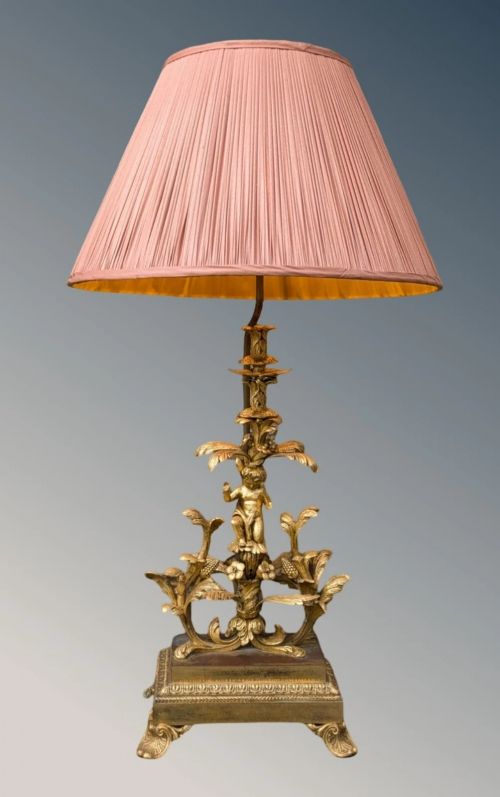
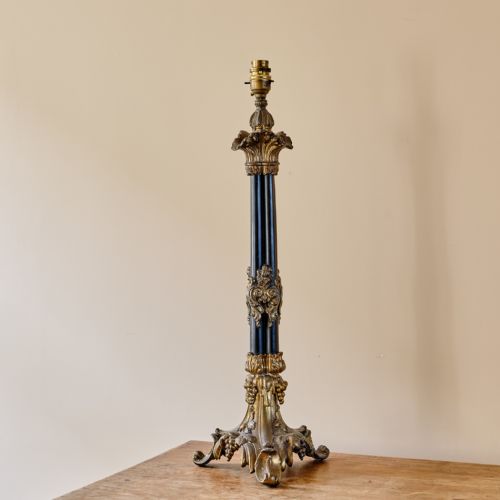
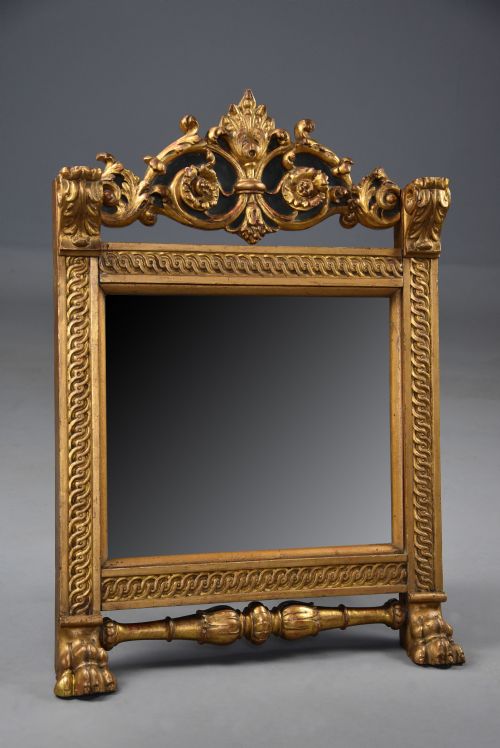
An ornate french desk brings together polished brass, rich porcelain and curved woodwork from the nineteenth century.
Ornate French Desk
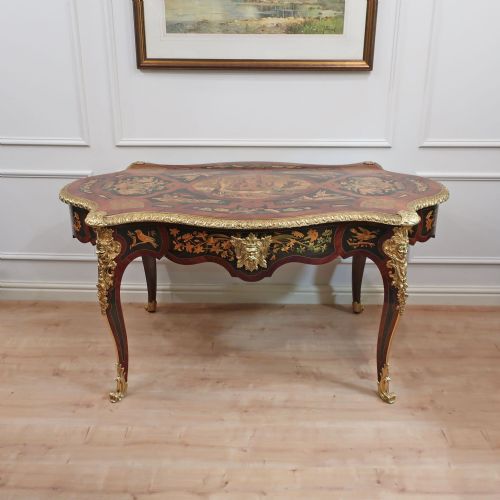
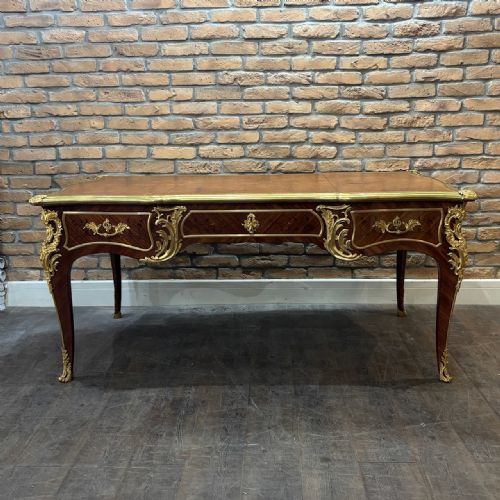
When you search for an ornate french desk, you encounter pieces defined by nineteenth-century revival styles, including Louis XV and Rococo Revival forms. These items often incorporate marquetry, polished woodwork and intricate brass mounts.
The selections available here range from nineteenth-century bureau plat tables to Victorian era writing desks. They reflect continental design traditions that prioritise decorative gilt metal and figured timber.
Materials and Construction
Craftsmen built these pieces using solid hardwoods like walnut alongside detailed marquetry veneers. Gilt bronze, ormolu and polished brass provided the characteristic metal mounts and decorative accents.
Surfaces frequently combined glass, marble and hand-painted porcelain panels set into the wooden frames. Cabinetmakers utilised traditional joinery methods to support the elaborate cast and chased metal hardware.
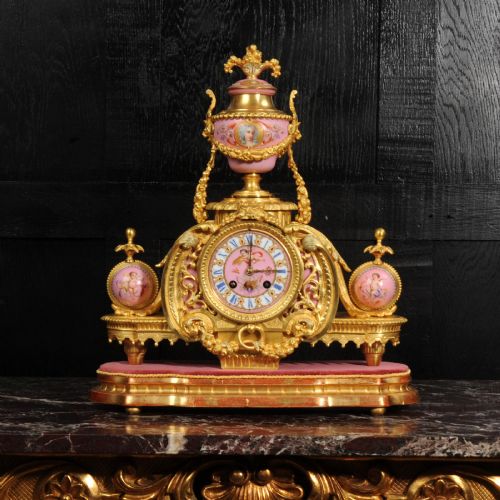
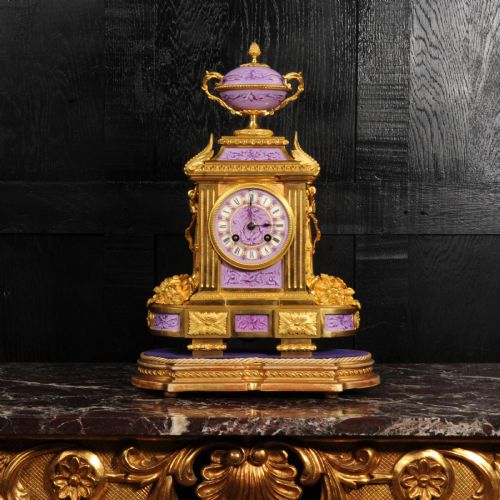
Listings feature nineteenth-century items incorporating brass, marble, porcelain and gilt bronze within Rococo and Louis XV styles.
Markers of Quality
Quality rests in the crispness of the cast ormolu mounts and the precision of the marquetry patterns in the wood. Superior examples display depth in the chasing of the bronze and tight, well-matched wood grains.
Lesser pieces show softer details in the metalwork and simpler secondary timbers beneath the veneers. The harmony between the bronze hardware and the structural woodwork dictates the overall standing of an item.
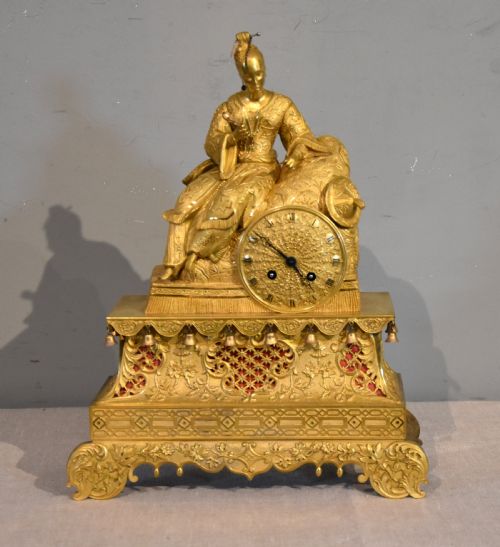
Achille Brocot
The Ornate French Desk Glossary
- Ormolu
- Gilded bronze used extensively for mounts and decorative accents on nineteenth-century furniture. The technique involves applying a mercury and gold amalgam to cast bronze before heating.
- Marquetry
- The art of applying small pieces of veneer to a structure to form decorative patterns. Craftsmen utilised various coloured woods to create pictorial or geometric designs on desk surfaces.
- Louis XV Style
- A nineteenth-century revival design movement inspired by eighteenth-century French curves. It relies heavily on asymmetrical rococo ornamentation and flowing natural motifs.
- Champlevé
- An enamelling technique where troughs are dug into a metal surface and filled with vitreous enamel. This method appears on decorative desk accessories and clock dials from the period.
Ornate French Desk: Frequently Asked Questions
What defines an ornate french desk?
These desks are characterised by nineteenth-century French revival styles, prominent use of ormolu mounts, and intricate marquetry woodwork.
They draw on Louis XV and Rococo design traditions to create highly decorative writing surfaces.
How do I care for polished brass and ormolu?
Metal mounts require gentle dusting with a dry microfiber cloth to prevent the accumulation of dirt in recessed areas. Avoid chemical polishes that can strip the original fire gilding from bronze surfaces.
Maintaining a stable room temperature protects both the metal components and the underlying wood from splitting.
Where were these pieces made?
The items reflect French design traditions and manufacturing techniques from the nineteenth and early twentieth centuries. Many originated in workshops across France before being distributed internationally.
Revival pieces also emerged from British workshops adopting continental styles during the Victorian era.
How can I identify the period?
Dating relies on examining the construction methods, wood types and style of the metal hardware. Nineteenth-century examples often feature specific revival motifs associated with the reign of Louis XV or Second Empire aesthetics.
Comparing the joinery and cast metal details helps distinguish mid-nineteenth-century work from later Edwardian reproductions.