

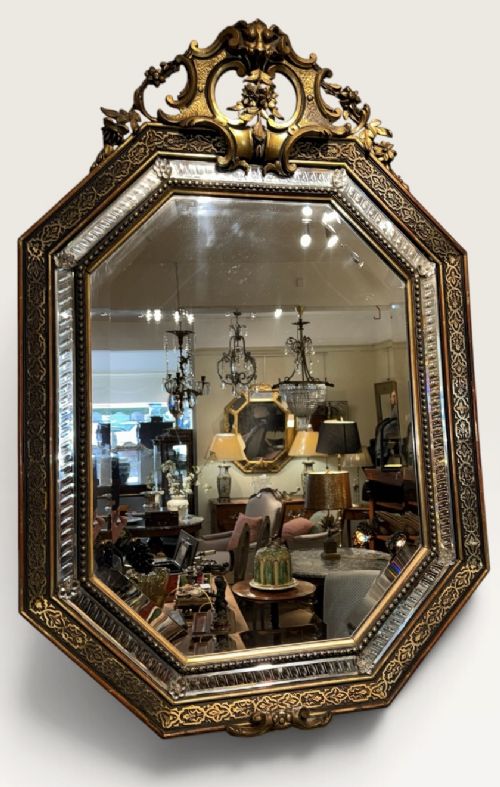
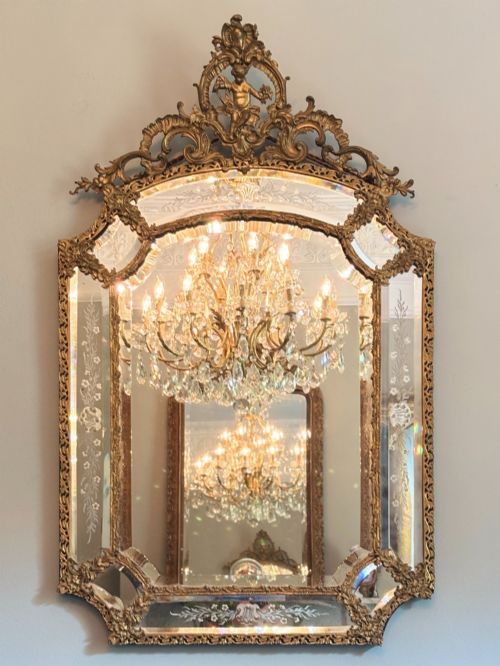
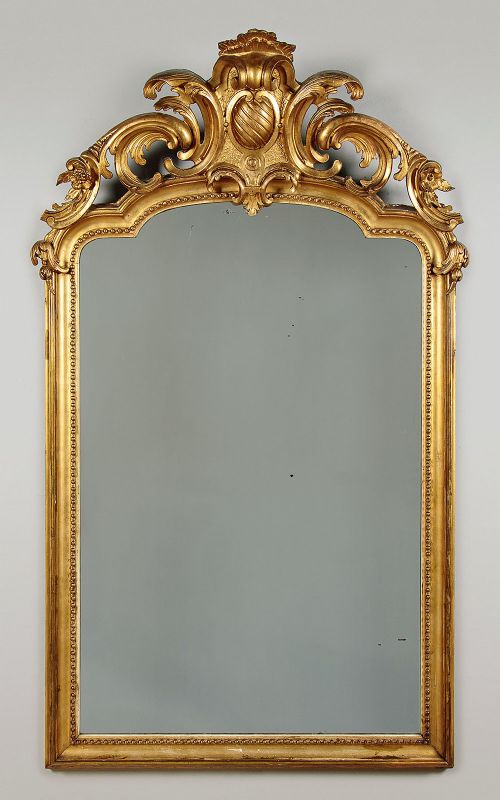
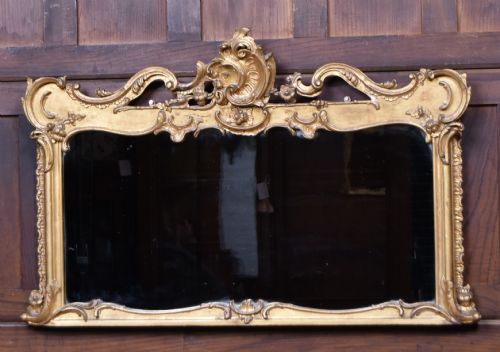
Ornate Framed Mirror
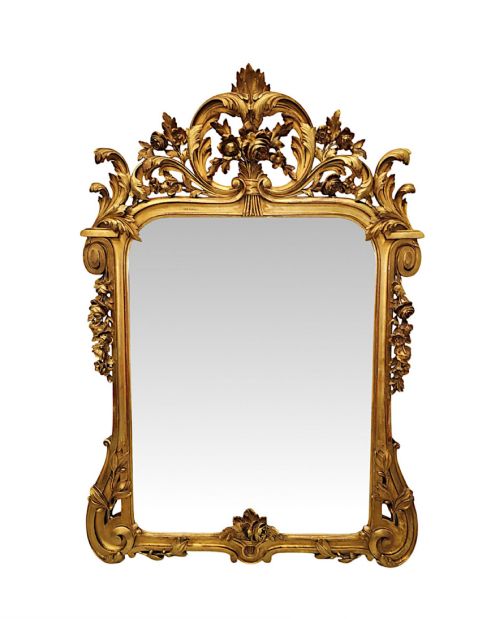
An ornate framed mirror brings light and deep historical character to a room through elaborate carving and gilding.
Ornate Framed Mirror
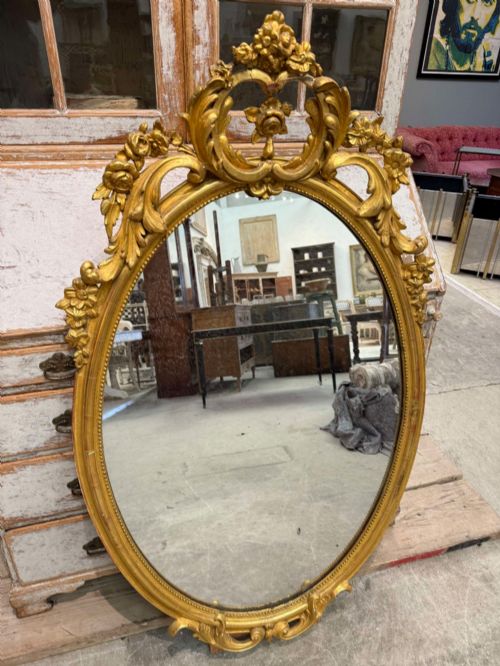
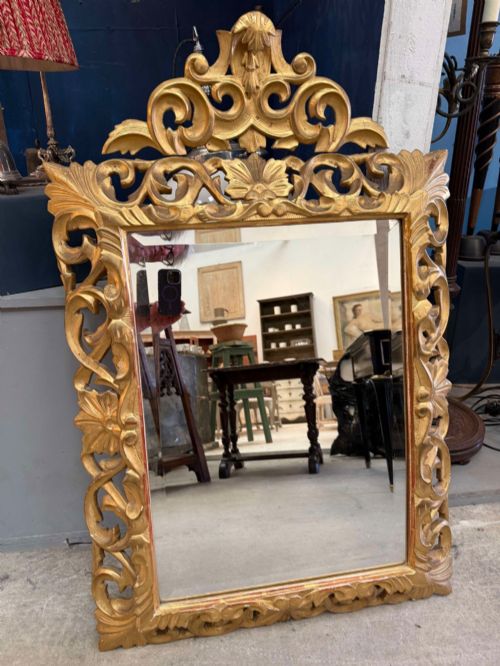
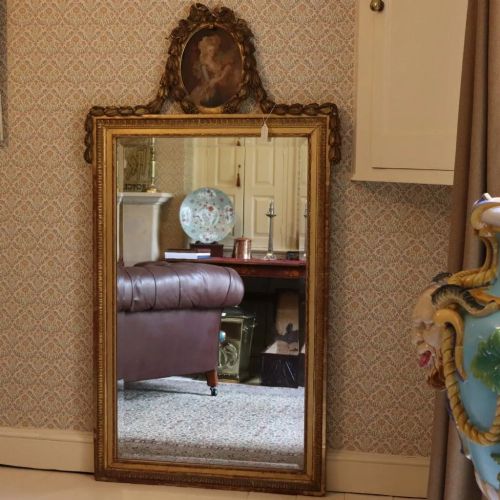
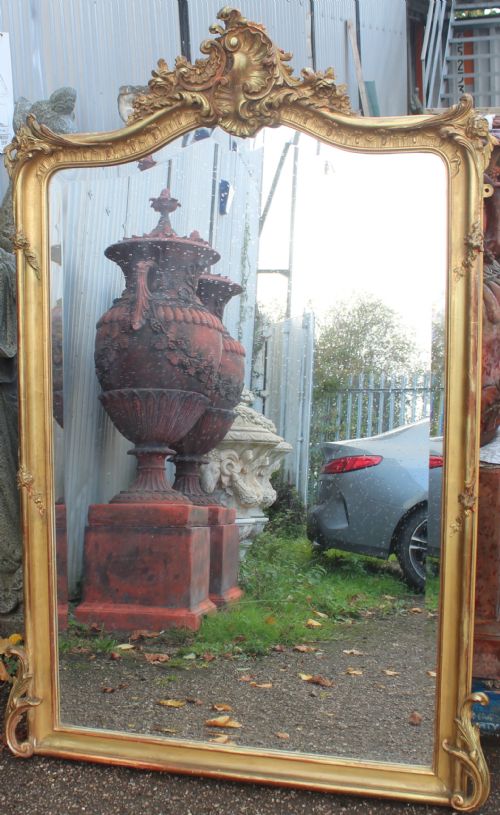
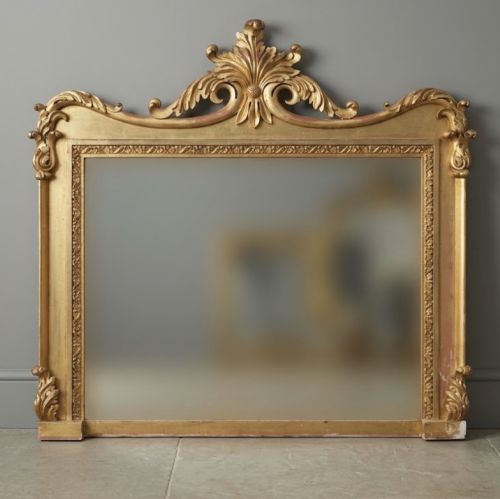
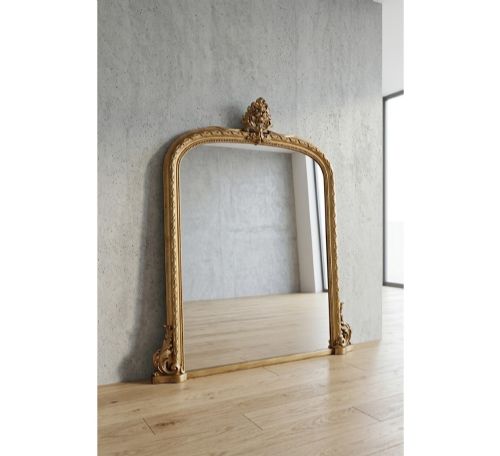
When you search for an ornate framed mirror, you encounter elaborate wall and overmantel looking glasses designed to catch the light and anchor a room. The pieces recorded here span from the eighteenth century through the Victorian era and into the early twentieth century, taking forms such as large architectural overmantels, arched wall mirrors, and oval pier glasses.
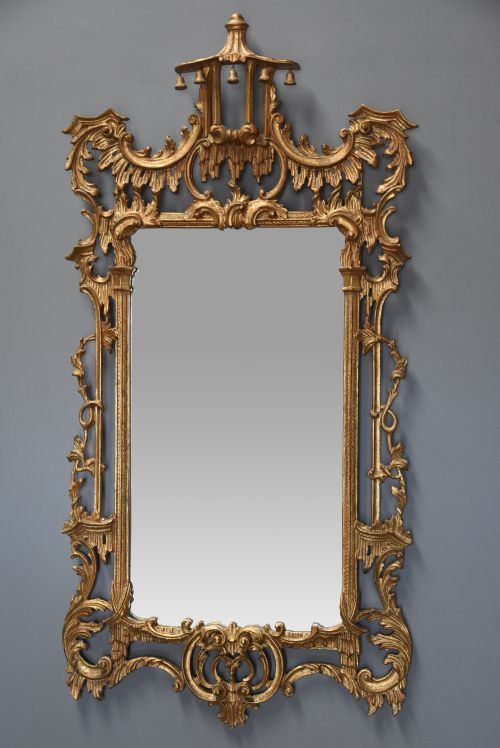
The aesthetic leans heavily toward French and Italian Rococo revivals, alongside English country house traditions and Chinese Chippendale styles. You are most likely to meet large giltwood and gesso pieces featuring crests, ribbon motifs, or floral carving intended to dominate a chimney breast or hallway wall.
How they were made
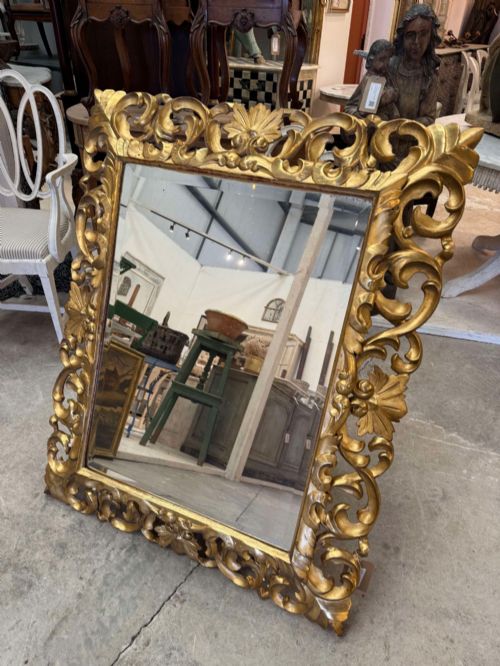
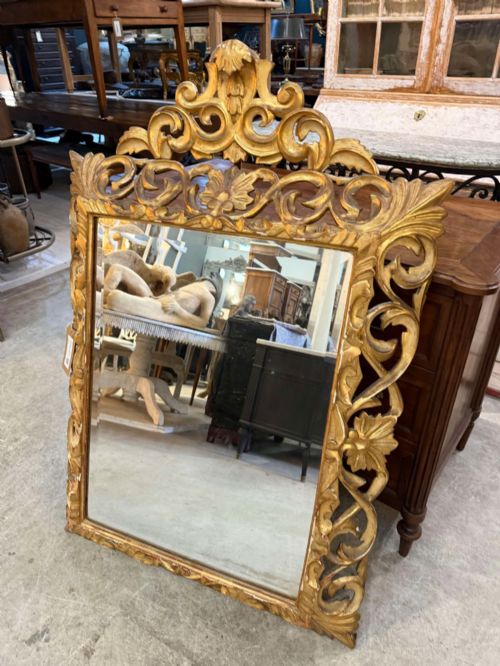
Makers built these frames primarily using carved wood, timber, and oak, often applying a layer of gesso to create smooth surfaces for detailed embellishment. Artisans then finished the frames with gold leaf, silver leaf, or silver gilt to achieve a brilliant metallic sheen.
Techniques combined traditional joinery for the heavy wooden carcasses with intricate hand-carving and moulding. Many examples incorporate period glass plates, including etched or bevelled glass, held securely within deep structural frames.
Ornate Framed Mirror Retail Price Guide 2026
Typical asking prices for ornate framed mirror among the pieces listed under this phrase on Sellingantiques today, from the lower quarter to the upper quarter. They describe what is for sale here now, not the wider market.
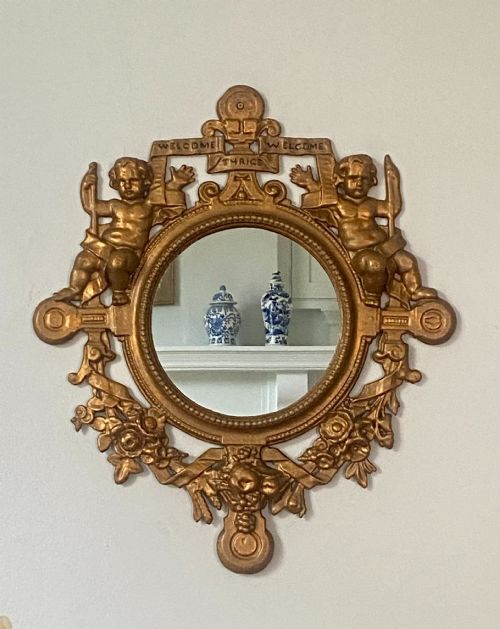
Several mirrors include delightful sculptural accents such as carved wooden rose vines and playful ribbon crests frozen in gilded relief.
What varies in quality
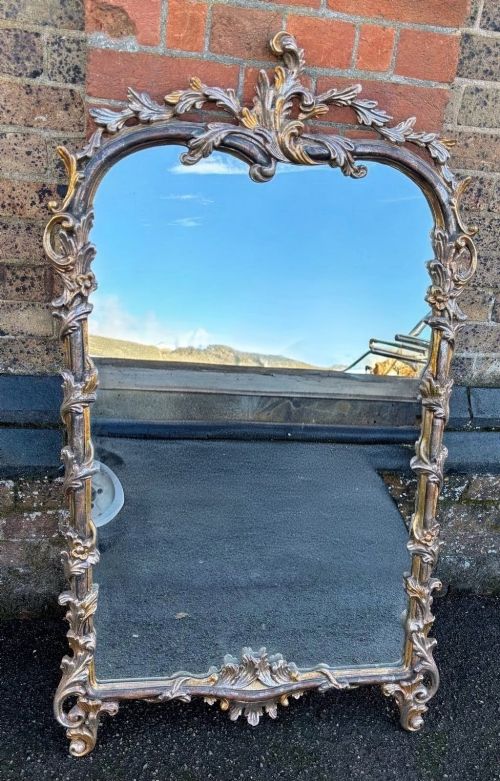
The distinction between ordinary and exceptional pieces lies in the depth and crispness of the hand-carved detail. Superior examples display spirited carving in the wood and gesso where motifs like leaves and scrolls retain sharp edges rather than soft, muddy contours.
Heavier construction and the presence of original gilding and antique glass plates elevate a piece. The integration of balanced proportions, especially in large overmantel and pier formats, separates standard regional work from master decorative output.
The Ornate Framed Mirror Glossary
- Giltwood
- Wood that has been coated with gold leaf or a gold-coloured finish. This technique creates a luminous metallic surface popular in formal period interiors.
- Gesso
- A plaster-like mixture applied to wood frames and carved before gilding. It provides a smooth ground that holds intricate relief details.
- Overmantel mirror
- A large looking glass designed specifically to hang above a fireplace mantelpiece. These pieces often feature architectural crests and substantial proportions.
- Pier glass
- A tall, narrow mirror designed to hang on the wall space between windows. They frequently match console tables or fill specific vertical architectural gaps.
- Rococo revival
- A nineteenth-century design movement that imitated the asymmetrical scrolls, shell motifs, and exuberant curves of the eighteenth-century French Rococo style.
Ornate Framed Mirror: Frequently Asked Questions
How do I hang a heavy overmantel mirror safely?
Substantial frames require professional wall fixings secured directly into masonry or structural studs to support the considerable weight.
Weight distribution across multiple brackets prevents strain on the original wooden joints and antique fixings.
Are antique mirror plates always original?
Many surviving pieces retain their early glass plates, often identifiable by minor foxing, tiny bubbles, and subtle distortions in the reflection.
Some pieces have received replacement glass over their long history to maintain a clearer reflective surface.
What is the difference between an overmantel and a wall mirror?
Overmantel mirrors were historically manufactured to sit directly above fireplace surrounds, influencing their wide proportions and lower framing.
Standard wall mirrors are built for general room placement without the specific horizontal constraints of a mantel shelf.
How do I clean a giltwood frame?
Gilt surfaces require very gentle dusting with a dry, soft brush to avoid disturbing the delicate gold leaf or composition ornamentation.
Moisture and modern chemical cleaners must be avoided entirely as they strip the historic metallic finishes.