


Ornate Desk Lights
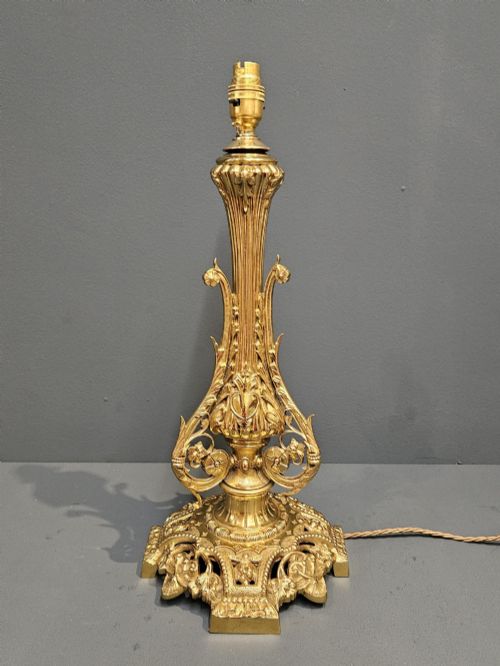
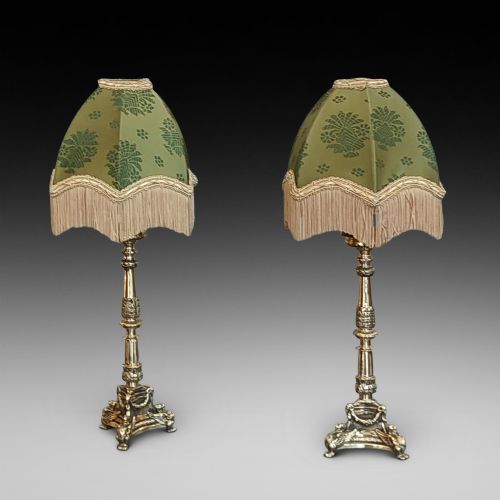
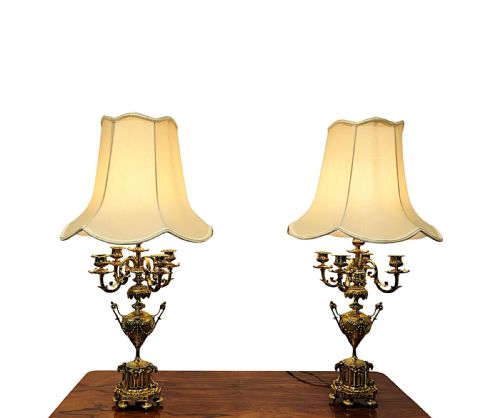
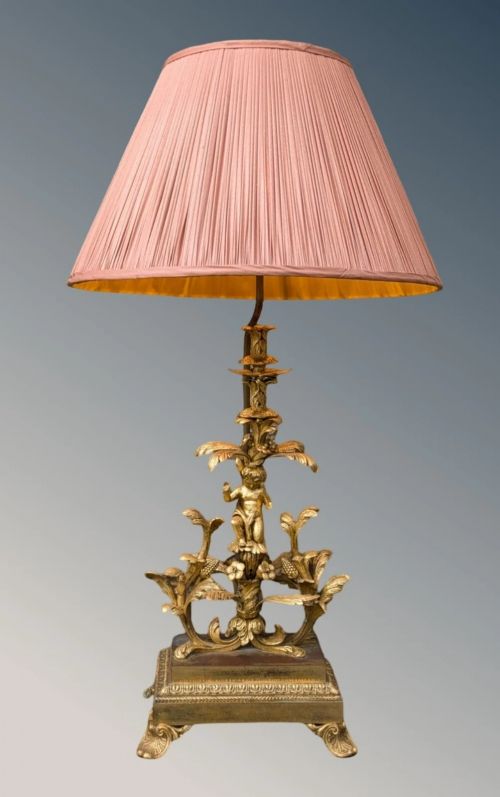
These ornate desk lights bring heavy cast metal, moulded glass and classical revival forms directly to your working surface.
Ornate Desk Lights
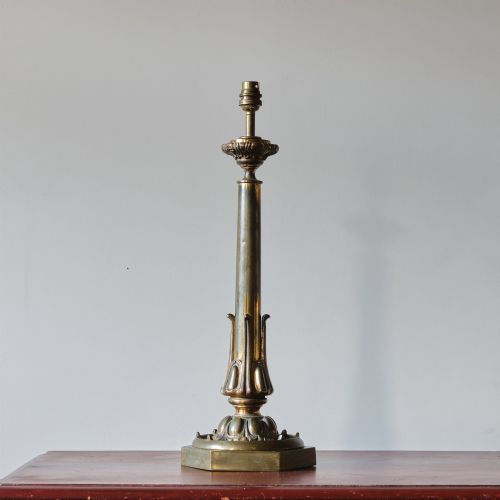
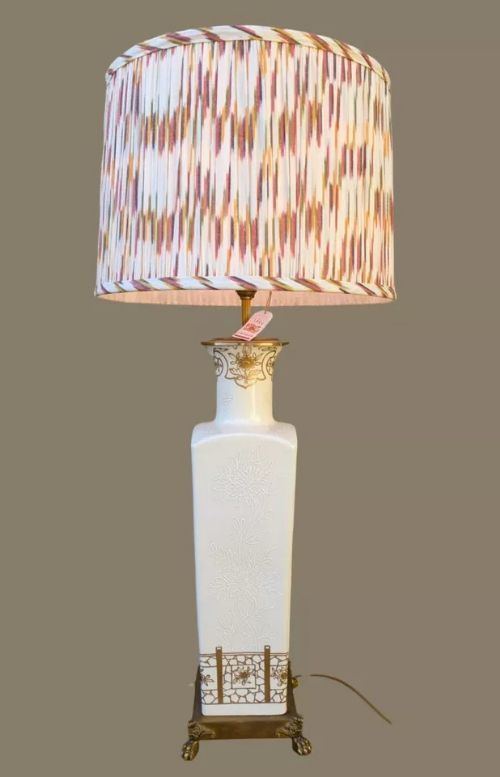
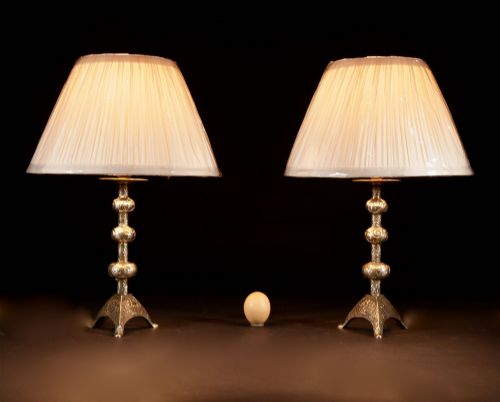
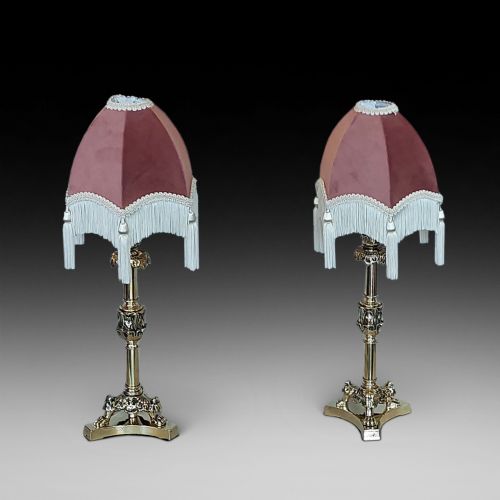
When you search for ornate desk lights, you encounter heavy metal and glass pieces designed to illuminate workspaces and reading tables. The selection ranges from converted nineteenth-century brass candlesticks to elaborate French ormolu and champleve lamp bases.
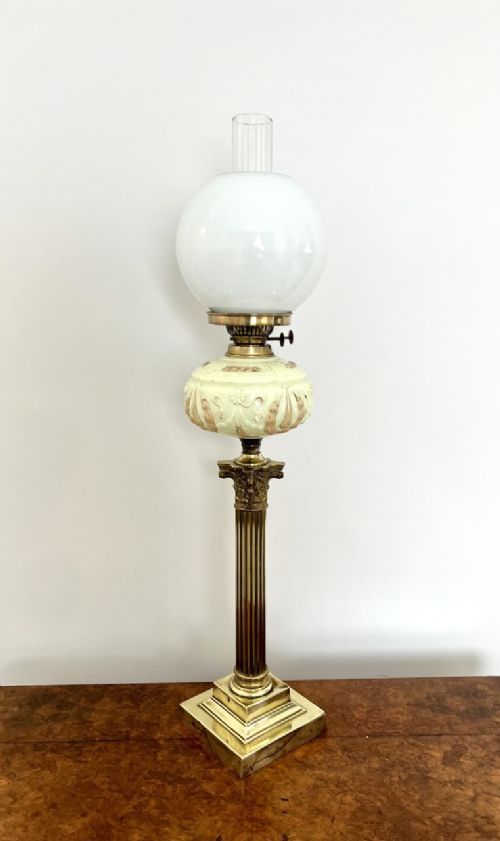
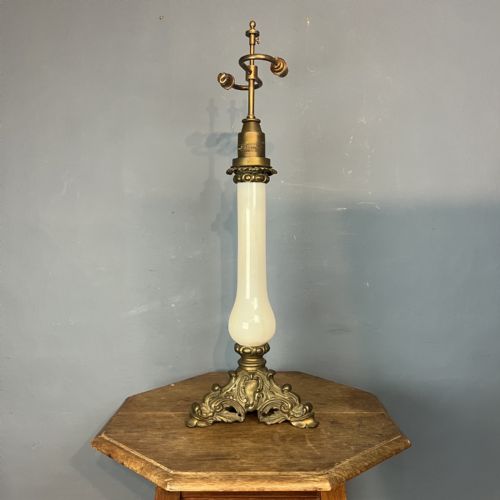
Victorian and Edwardian brass columns stand alongside French neoclassical porcelain and gilt bronze figures. Many examples originate as oil lamps or candlesticks subsequently converted to take modern electrical fittings.
Materials and construction
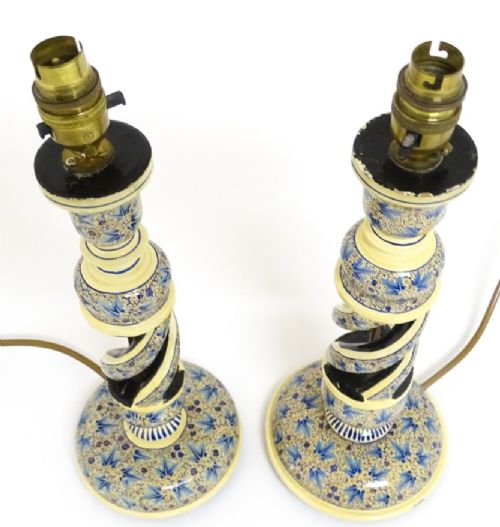
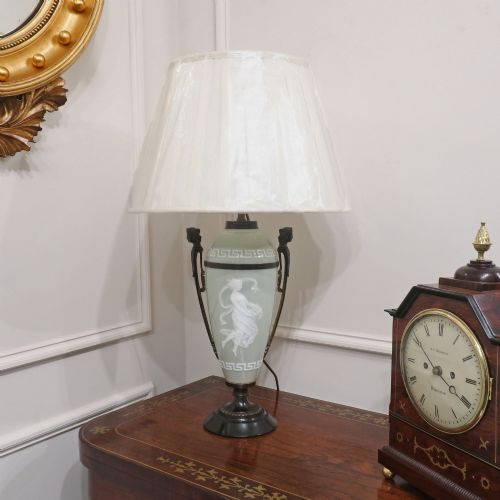
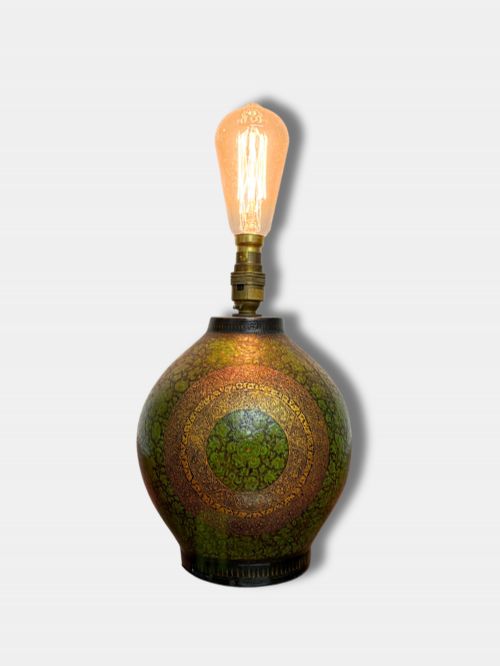
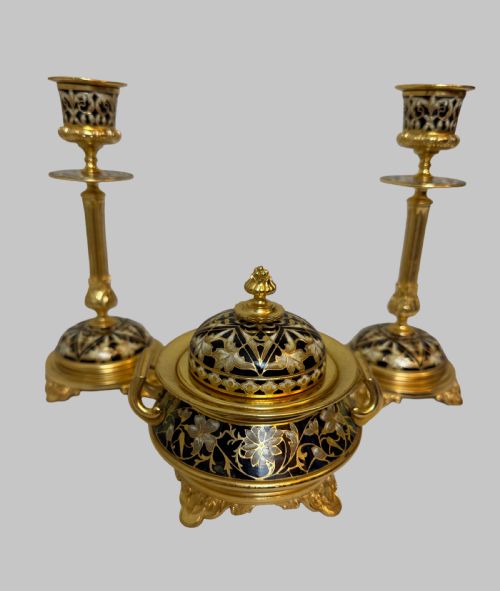
The construction relies heavily on cast and pressed brass, gilt bronze, and ormolu combined with marble, onyx, and opaline glass. Makers utilised champleve enamel work, pate sur pate porcelain, and hand-painted details on Kashmiri bases.
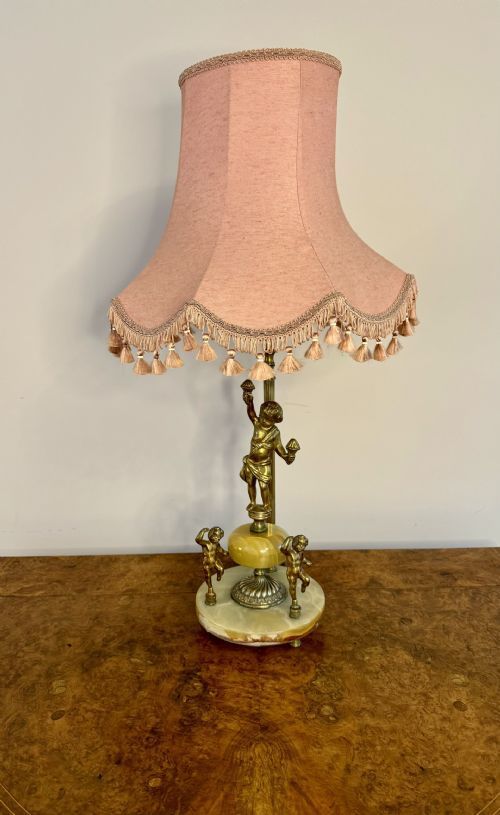
Metal components are frequently mounted on heavy stone plinths or feature detailed figural statuary, while oil lamps incorporate specialised burner mechanisms alongside structural glass reservoirs.
Ornate Desk Lights Retail Price Guide 2026
Typical asking prices for ornate desk lights among the pieces listed under this phrase on Sellingantiques today, from the lower quarter to the upper quarter. They describe what is for sale here now, not the wider market.
Listings feature brass, gilt bronze, opaline glass, and marble across Victorian, Edwardian, and nineteenth-century periods.
Judging the work
The standard of an ornate desk light rests in the crispness of its metal casting and the depth of its gilt finish. Fine examples show sharp definition in figural statuary, architectural column capitals, and chased surface ornamentation.
Material combination also defines the tier of a piece, with genuine marble or onyx plinths and hand-applied enamel work marking out superior productions against simpler pressed metal alternatives.
Wild And Wessel
The Ornate Desk Lights Glossary
- Ormolu
- Gilded bronze, where a mercury amalgam is applied to a base metal to create a rich gold-coloured surface finish. This technique appears frequently on French nineteenth-century pieces.
- Champleve
- An enamelling technique where troughs are dug into a metal surface and filled with vitreous enamel before firing. It creates colourful patterns on brass and bronze bodies.
- Opaline glass
- A pale, translucent milk glass often tinted in soft shades and used for lamp bodies and shades during the Victorian period.
- Corinthian column
- An architectural column style featuring ornate acanthus leaves around the capital, frequently imitated in nineteenth-century brass lamp bases.
- Pate sur pate
- A porcelain manufacturing technique where liquid clay is painted in successive layers onto a contrasting body to create a low relief cameo effect.
Ornate Desk Lights: Frequently Asked Questions
What is an oil lamp conversion?
An oil lamp conversion is a period lighting piece where the original liquid fuel reservoir and burner mechanism are replaced with electrical wiring and lamp holders.
This allows nineteenth-century and early twentieth-century metal and glass lamps to function safely in modern rooms while retaining their original aesthetic.
How do I identify a Victorian brass column lamp?
Victorian brass column lamps typically feature classical architectural motifs such as Corinthian or fluted shafts rising from stepped or weighted square bases.
They appear in heavy cast brass, often stamped with period patent marks or makers' names on the burner mechanisms.
Where were French gilt bronze lamps made?
French gilt bronze and ormolu lamps were produced primarily in Parisian workshops during the nineteenth and early twentieth centuries.
These pieces frequently draw on neoclassical or rococo revival styles, incorporating cast bronze figures, marble plinths, and intricate champleve enamel.
How do I care for antique brass and bronze?
Antique brass and bronze require gentle dusting with a soft, dry cloth to prevent the accumulation of dirt in recessed chasing and decorative details.
Avoid abrasive metal polishes, which can strip away original patination and gilt layers accumulated over decades of use.