





Ornate Bronze Stand
An ornate bronze stand brings weight and polish to a room, drawing the eye with rich metalwork and period character.
Ornate Bronze Stand
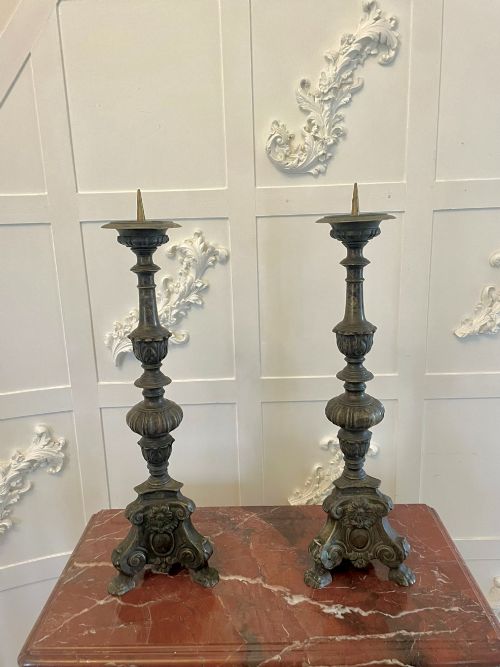
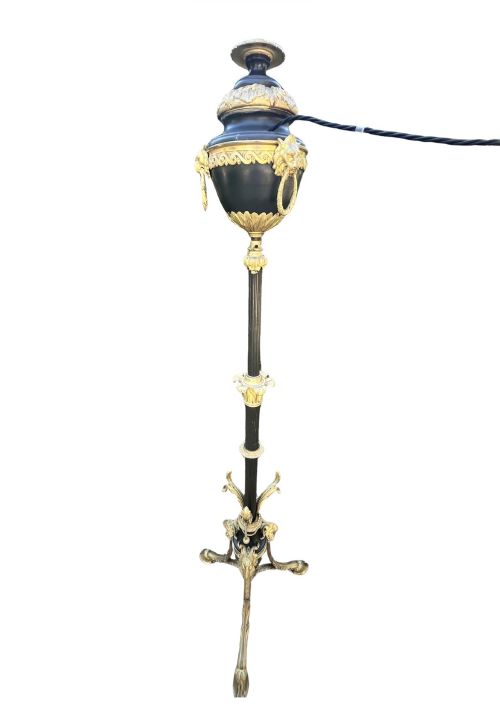
When you search for an ornate bronze stand, you encounter a varied collection of heavy metal furnishings and decorative objects dating from the nineteenth century into the Edwardian era. These pieces span practical household items and display supports, including standard lamps, torchere pedestals, side tables, tazzas, and dedicated ink stands.
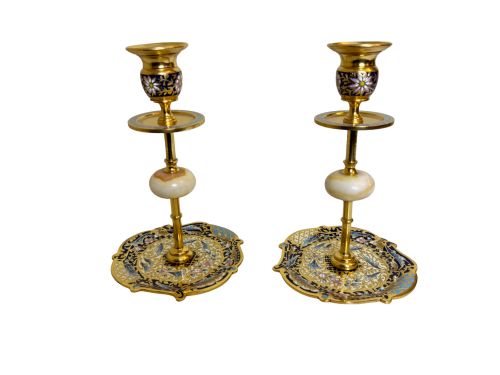
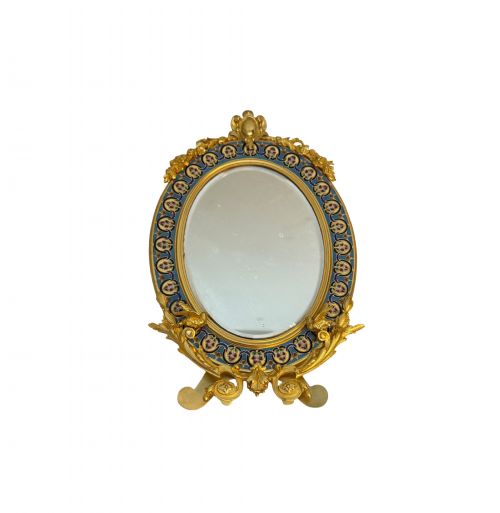
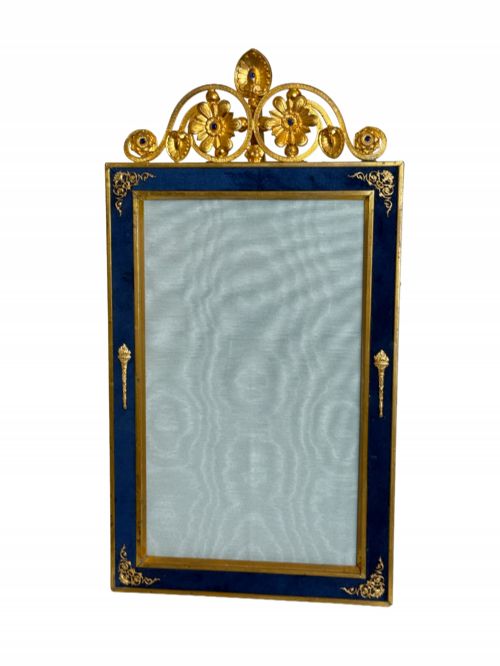
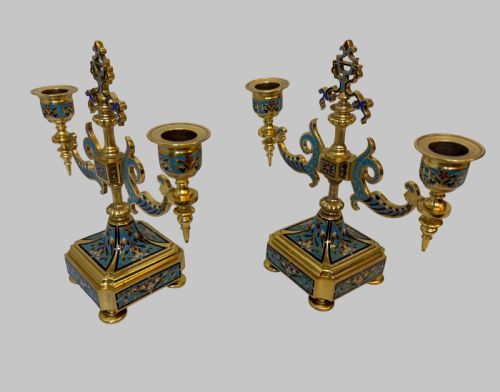
The selection leans heavily toward nineteenth-century French and Victorian manufacturing, alongside Regency and Edwardian pieces. You find candelabra, floor lamps, and table mirrors that incorporate classical revival styles, French Rococo, and Gothic influences, often paired with contrasting elements like marble tops or onyx bases.
Materials and construction methods
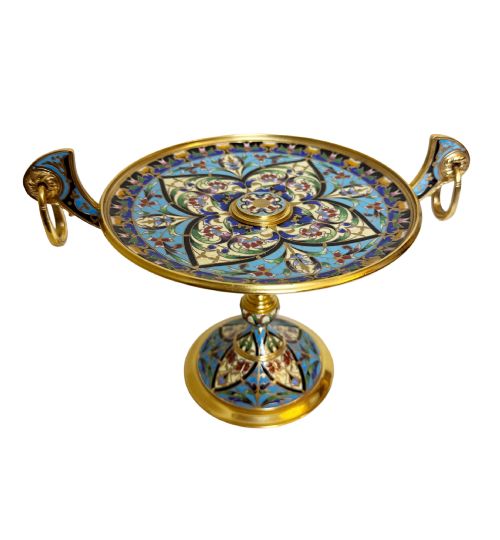
The manufacturing relies heavily on cast bronze, brass, and gilt ormolu, frequently enhanced by patinated surfaces and fine champleve enamel work. Artisans combined these metals with natural supports, mounting bronze figures and candle holders upon bases of white marble, porphyry, onyx, and glass.
Construction techniques include detailed metal casting, hand-chasing, and fire-gilding, alongside joinery that integrates stone and ceramic components. Many items incorporate secondary materials such as blue enamel trim, glass domes, and iron frames to build structural contrast and visual depth.
Ornate Bronze Stand Retail Price Guide 2026
Typical asking prices for ornate bronze stand among the pieces listed under this phrase on Sellingantiques today, from the lower quarter to the upper quarter. They describe what is for sale here now, not the wider market.
A solitary frog might sit watching the room if your bronze stand happens to double as an inkwell.
Distinctions in craftsmanship and finish
Quality rests in the crispness of the metal chasing and the depth of the gilding or patination. Finer examples display sharp relief work on figures, foliage, and scrollwork without softening in the cast details.
The integration of secondary materials defines the upper tier, seen in solid marble tops, unblemished champleve enamel panels, and substantial onyx or porphyry bases that give the objects significant physical presence.
Auguste Cain·Weisweller
The Ornate Bronze Stand Glossary
- Ormolu
- A type of gilt bronze created by applying a mercury and gold amalgam to a bronze object and heating it. This technique produces a rich, warm golden finish characteristic of French decorative arts.
- Champleve
- An enamelling technique where troughs or cells are hollowed out in the metal surface and filled with vitreous enamel before firing. It creates vibrant coloured patterns across the bronze ground.
- Tazza
- A shallow saucer-like ornamental cup or dish mounted on a stem and foot. They appear in bronze and enamel to serve as decorative centrepieces.
- Torchiere
- A tall stand or pedestal designed to support a light or candle. In bronze, these heavy columns elevate lighting fixtures to corner spaces.
- Porphyry
- A very hard igneous rock with purple or red crystals, highly prized for bases and pedestals. It provides a dense, speckled foundation for gilt bronze mounts.
Ornate Bronze Stand: Frequently Asked Questions
What is an ormolu stand?
An ormolu stand is a decorative metal support or furnishing finished with mercury gilding over bronze. The technique gives the metal a distinctive golden sheen that resists tarnishing.
These pieces were produced primarily during the nineteenth century in French and English workshops, serving as opulent display bases or lighting fixtures.
Where should I place a torchere pedestal?
A bronze torchere pedestal works well in corners or flanking larger pieces of furniture to provide height and vertical interest. Their stable stone or metal bases support heavy lamps or decorative urns securely.
Ensure the placement allows clearance around the piece so the cast bronze details and marble sections remain visible.
How do I care for gilt bronze?
Dust gilt bronze gently with a soft, dry cloth to prevent dirt accumulation in the recessed chasings. Avoid abrasive cleaners and polishes that can strip the delicate mercury gilding or patination.
Keep these items away from direct moisture and extreme temperature fluctuations to preserve the underlying bronze and any mounted marble or enamel.