


Ornate Bronze Light
An ornate bronze light brings warmth and architectural weight to a room through heavy cast metal and intricate scrolling work.
Ornate Bronze Light
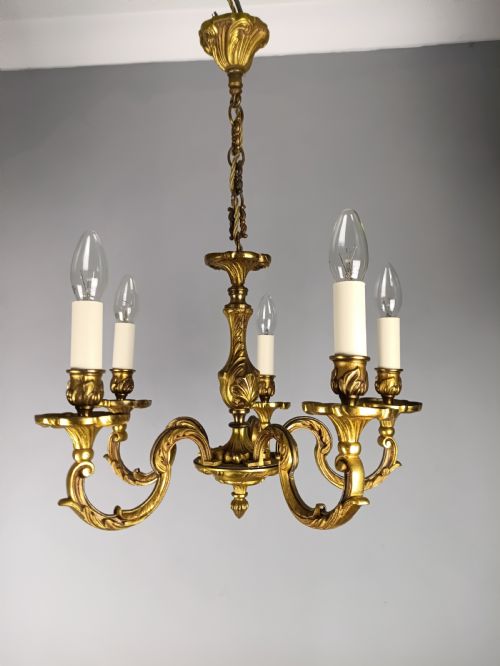
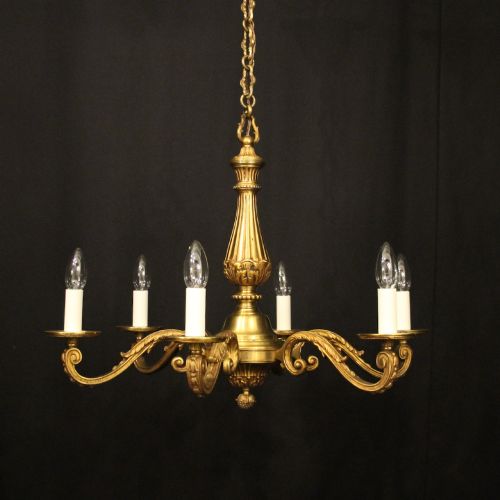
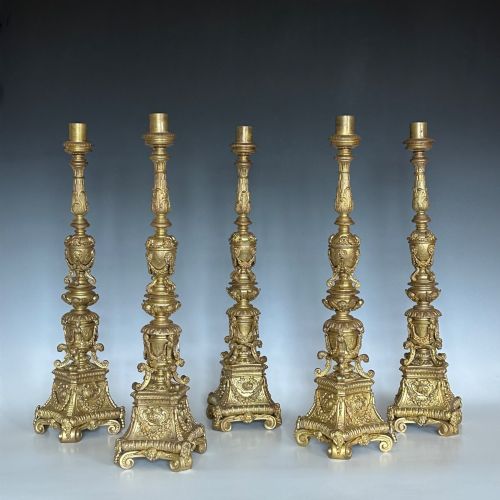
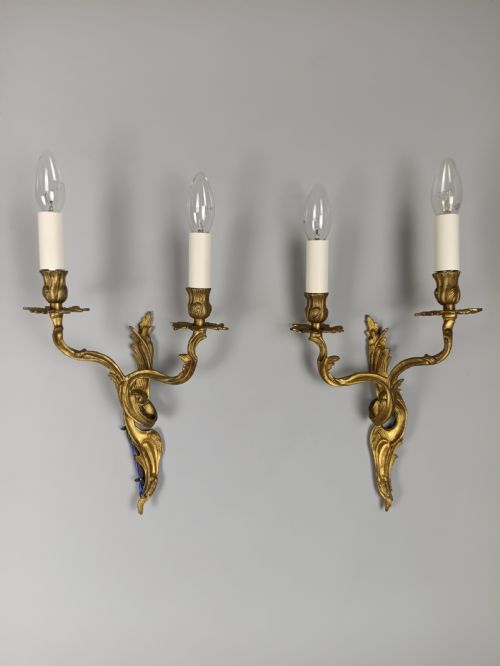
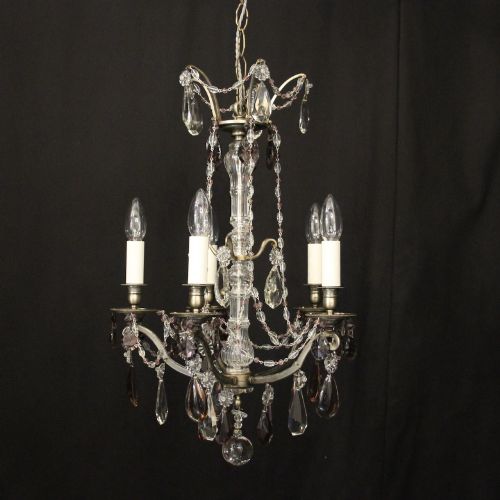
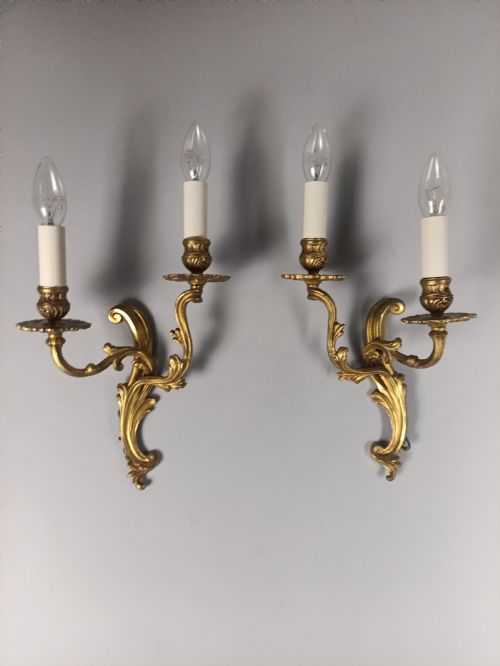
An ornate bronze light encompasses a range of heavily decorated lighting fixtures designed to anchor a room with classical or revivalist character. When searching for an ornate bronze light, buyers frequently encounter French wall lights, chandeliers, and candelabra originating from the nineteenth and early twentieth centuries.
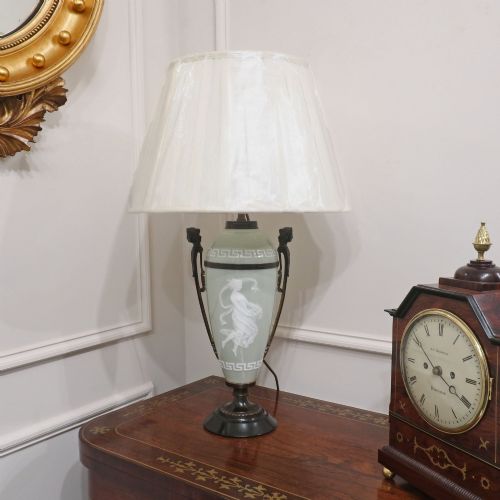
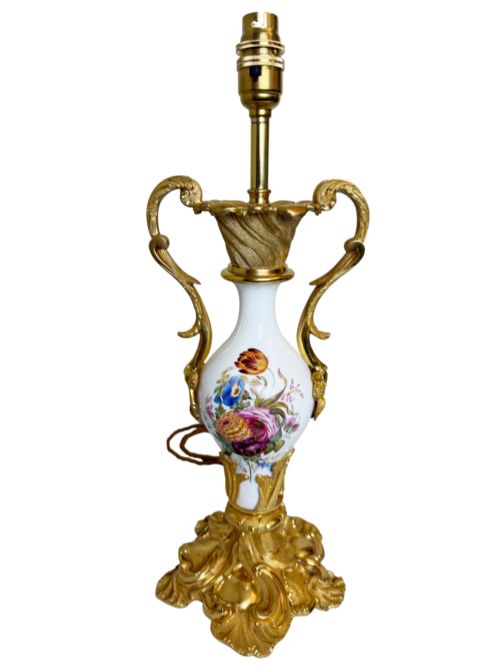
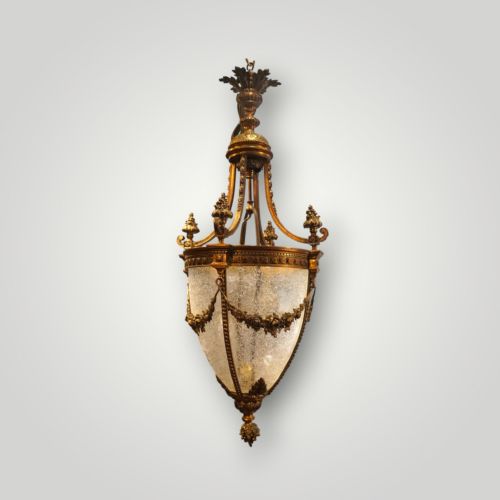
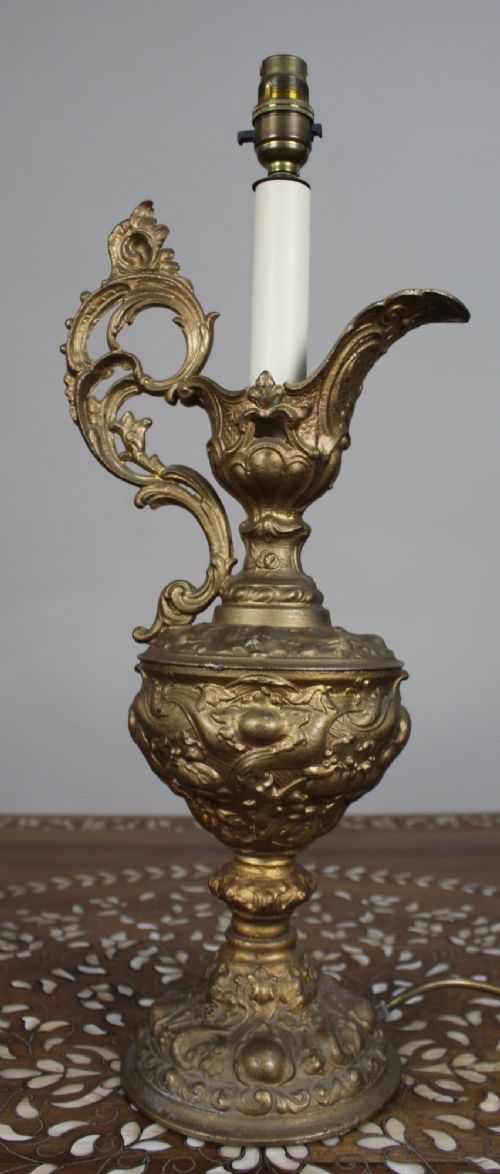
The selection ranges from multi-armed wall sconces and grand chandeliers to smaller table lamps and hall lanterns. French Rococo, Neoclassical, and Louis styles dominate the form, often utilising cast brass, ormolu, and gilded metal alongside the core bronze material.
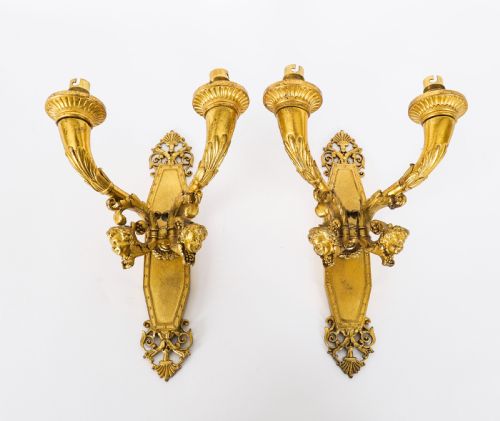
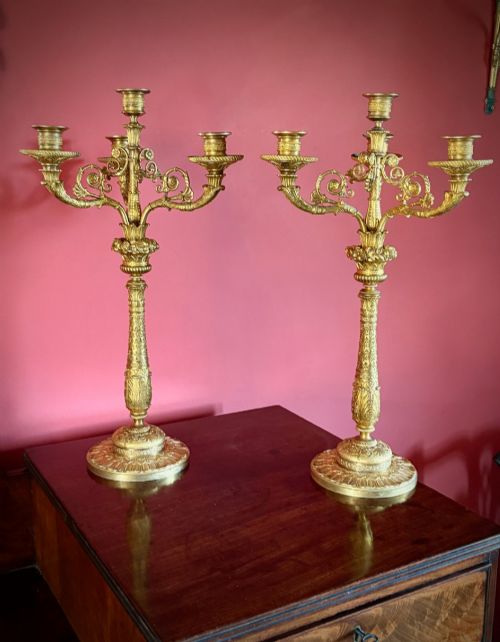
Pairs of wall sconces and matched sets of candelabra appear frequently among the pieces, reflecting traditional interior arrangements. These objects bridge the gap between functional illumination and sculptural metalwork from periods spanning the eighteen-eighties to nineteen-thirties.
How they were made
Foundry workers cast bronze, brass, and ormolu using traditional techniques to achieve deep relief and complex scrolling motifs. Metal components were often gilded, silver-plated, or finished with applied ormolu to create contrasting surface textures.
Many items incorporate secondary materials such as glass, porcelain, champleve enamel, and onyx to complement the heavy cast metal frames. Wall lights and chandeliers were constructed in sections, allowing multiple arms and branches to bolt securely to central backplates or hubs.
Some nineteenth-century candlesticks doubled as inkwells, proving that nineteenth-century desks demanded both ink and illumination from the exact same piece of bronze.
What varies in quality
The crispness of the casting work separates standard production from superior examples, as finer pieces retain sharp chisel marks and deep undercut details in the foliage and scrollwork. The quality of the gilding or ormolu finish dictates how the metal catches ambient light over time.
Structural heft and the thickness of the bronze or brass components indicate the grade of the fixture. Heavier mounts and solid construction prevent sagging in multi-armed chandeliers and multi-branch wall lights.
The Ornate Bronze Light Glossary
- Ormolu
- Gilded bronze produced by applying a mercury-gilding amalgam to cast bronze. This technique creates a rich, golden surface finish common on nineteenth-century French lighting.
- Sconce
- A wall-mounted lighting fixture designed to hold candles or electric lamps. These often feature mirrored backs or ornate cast bronze arms.
- Candelabra
- A branched candlestick holder designed to support multiple candles. Many antique examples in bronze and brass were later converted for electrical wiring.
- Girandole
- An ornamental branched candlestick or wall mirror with candle holders attached. The reflective glass helps amplify the light from the candles.
- Champleve
- An enamelling technique where troughs are carved into the metal surface and filled with vitreous enamel. This colourful decoration often appears on nineteenth-century candlesticks and desk sets.
Ornate Bronze Light: Frequently Asked Questions
How do I wire antique bronze lights?
Many wall lights and chandeliers arrive rewired and ready for modern installation by a qualified electrician. Older fixtures may require new internal channels or updated lamp holders to meet current safety standards.
Working with historic metal frames requires care to preserve original patination while integrating modern electrical components. Professional rewiring ensures that heavy multi-armed fixtures hang securely and operate safely.
Are these fixtures French or English?
The selection is heavily weighted toward French manufacture, particularly from Paris workshops producing Rococo and Neoclassical revival pieces. English Victorian examples also appear, often showing distinct regional casting styles.
Identifying origin involves examining the mounting brackets, screw threads, and stylistic motifs typical of specific European design periods. French pieces frequently lean into elaborate Louis XIV and Louis XV revival curves.
How do I clean bronze and ormolu?
Dusting with a soft, dry brush preserves the underlying patina and prevents accumulation in recessed casting details. Avoid harsh chemical cleaners that can strip away historic gilding or ormolu finishes.
Gentle cleaning maintains the aged metallic surface without removing the dark tones that accumulate in the recesses of the ornament. Professional conservation is advisable for heavily tarnished or fragile gilded surfaces.
What styles are most common?
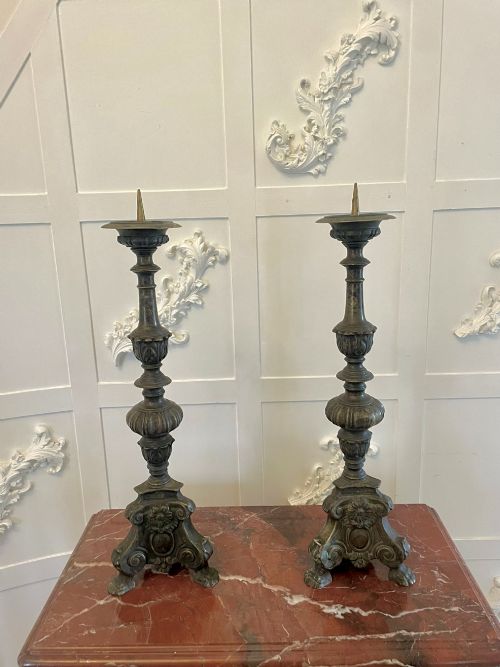
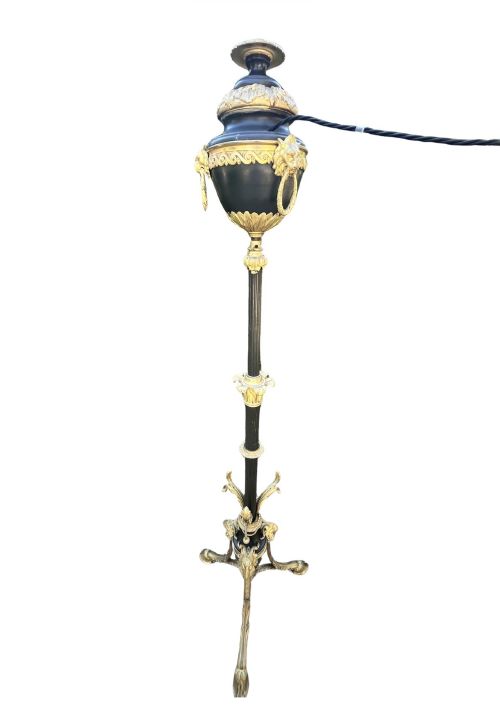
French Rococo and Neoclassical revival styles dominate the available pieces, featuring asymmetrical scrolls, acanthus leaves, and classical urn motifs. Victorian designs also feature prominently, ranging from heavy brass pricket candlesticks to floor lamps.
These styles reflect nineteenth-century revivals of earlier historic eras, driven by demand for opulent interior decoration. The variety spans from simple hall lanterns to twenty-light chandeliers.