





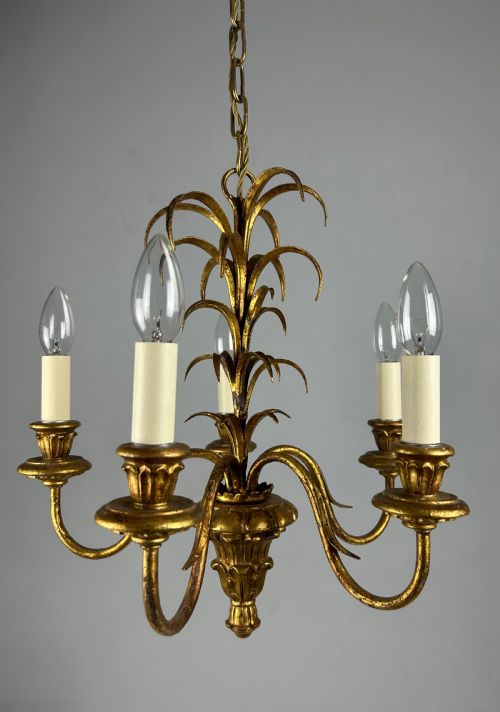

Brass Branch Ceiling Fixture
A brass branch ceiling fixture brings historic illumination into a room, combining metallic warmth with branching arms that cast generous light.
Brass Branch Ceiling Fixture
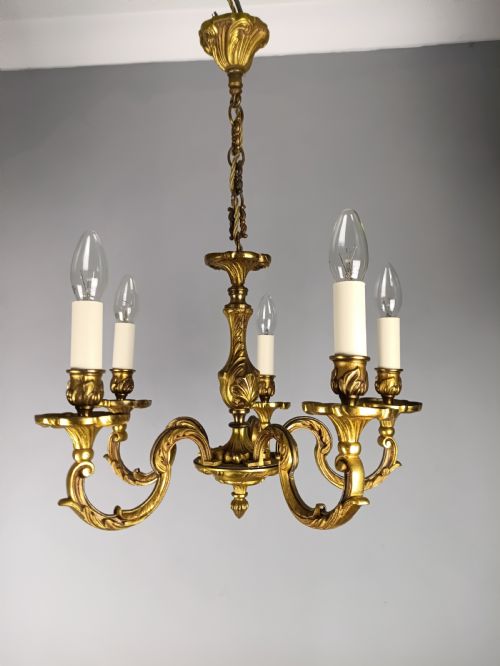
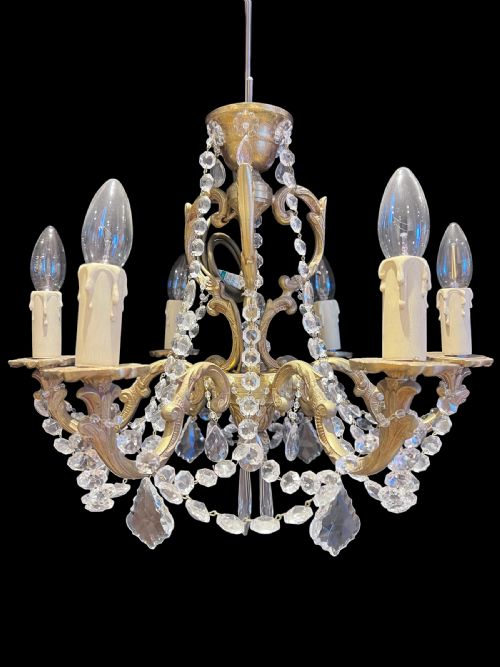
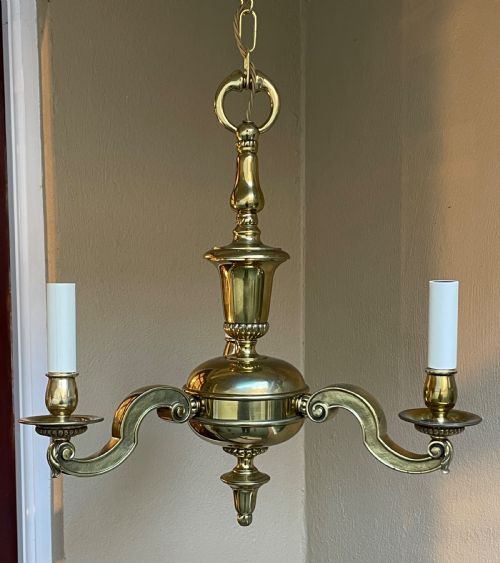
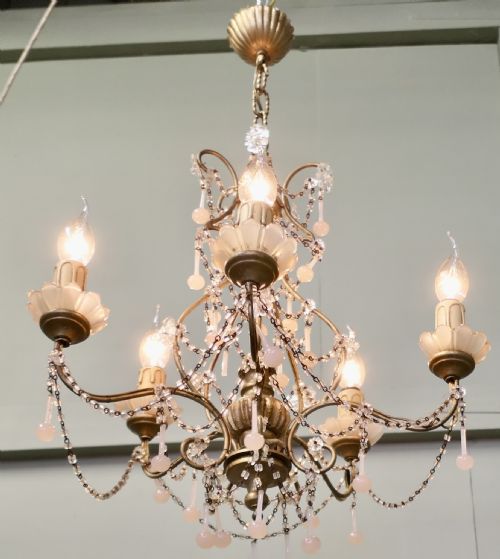
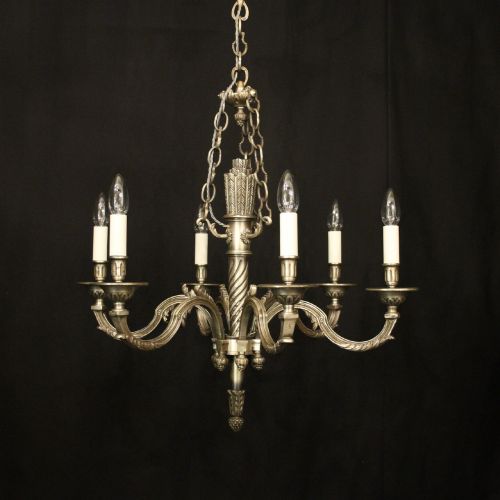
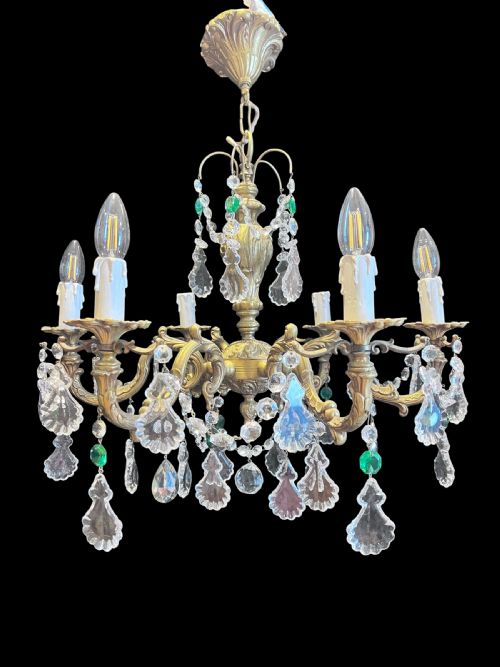
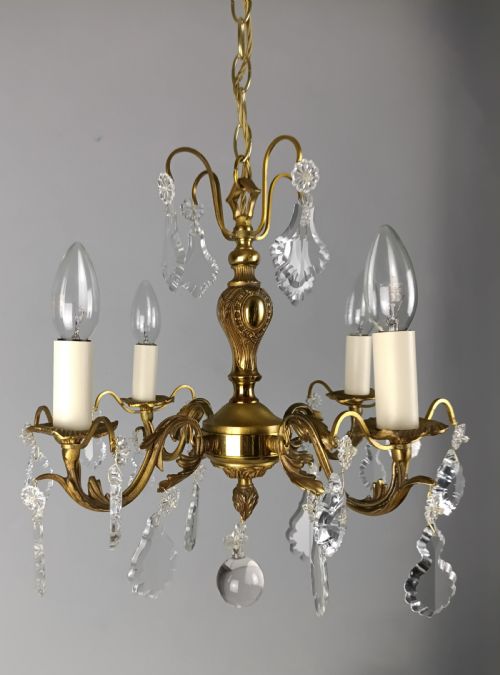
A brass branch ceiling fixture encompasses chandeliers, ceiling lights, and pendants originating from periods spanning the late nineteenth century through the early twentieth century. Buyers encounter French and Dutch designs that utilise multiple arms or branches to support numerous lights. These pieces range from compact three arm fixtures to large twelve branch examples designed for spacious rooms.
How They Were Made
Makers utilised cast brass, gilt bronze, ormolu, and copper to form the structural branches and arms of each fixture. Metalworking techniques included sand casting and detailed chasing, which produced crisp surface ornamentation such as acanthus leaves and scrolling motifs. Gilded finishes were frequently applied to enhance the reflective quality of the metal under candlelight or early electric illumination.
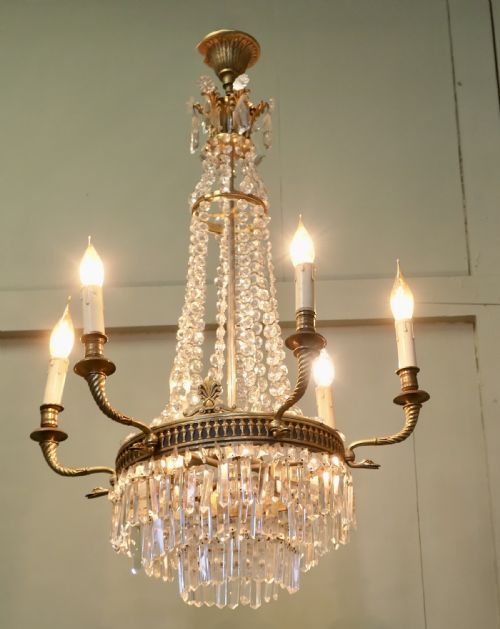
Many fixtures incorporate glass and crystal elements, including cut crystal drops, coloured glass pendants, and pink Venetian glass components. These transparent and coloured elements were wired or pinned directly to the brass arms to refract light across the ceiling and walls. Iron and copper components occasionally supplemented the primary brass structure in specific regional styles.
Materials documented across the available pieces include cut crystal, gilt bronze, ormolu, and copper.
What Varies in Quality
The sophistication of the metal casting largely determines the visual impact of a brass branch ceiling fixture. Finer pieces display sharply defined ornamentation on the acanthus leaf mounts and arms, achieved through meticulous hand chasing after the casting process. Simpler fixtures rely on smoother, unadorned brass surfaces with less textural depth.
Integration of crystal and glass elements creates another distinction across the range. Superior examples combine precision cut crystal drops and coloured glass with substantial gilt bronze or ormolu armatures. Lesser pieces use simpler pressed glass or smaller crystal complements attached to standard cast brass frames.
The Brass Branch Ceiling Fixture Glossary
- Ormolu
- Gilded bronze produced by applying a mercury and gold amalgam to a bronze base, then heating to drive off the mercury. This technique creates a durable, luminous golden finish characteristic of fine French fixtures.
- Acanthus leaf
- A classical ornament modelled on the foliage of the Mediterranean acanthus plant, frequently cast onto brass and bronze mounts. It provides sculptural texture at the joints of branching arms.
- Tent and waterfall
- A configuration of crystal strands arranged in an upper conical tent shape that drops into a cascading lower tier. This arrangement maximises light refraction in large chandeliers.
- Cut crystal
- Glass shaped by cutting facets into the surface with a wheel to increase brilliance. It disperses light into prismatic colours when suspended from brass branches.
Brass Branch Ceiling Fixture: Frequently Asked Questions
Were these fixtures originally wired for electricity?
Many examples from the nineteenth century and early twentieth century were originally designed for candles or gas before being converted to electricity later. Rewiring is common to ensure modern electrical safety standards are met.
When evaluating a piece, check the internal wiring to confirm it suits your domestic installation requirements. Professional installation by a qualified electrician is recommended for heavy multi branch fixtures.
How do I identify French versus Dutch styles?
French styles like Empire and Rococo typically feature ornate cast bronze, gilt metal, and elaborate crystal arrangements. They emphasise sculptural grace and decorative motifs such as acanthus leaves.
Dutch styles lean towards robust brass and copper construction with multiple tiers of simple curved arms. Their aesthetic focuses on structural symmetry and metalwork craftsmanship rather than crystal embellishments.
Can these ceiling fixtures support low ceiling heights?
Most multi branch chandeliers and ceiling lights require adequate vertical clearance to hang safely and look proportioned. Compact three to five arm variants suit rooms with standard ceiling heights better than twelve branch alternatives.
Consider the drop length of the fixture and the height of your room before installation. Pendant versions with shorter chains offer a practical alternative for spaces with limited headroom.