



Ornate Bronze Desk Lamp
An ornate bronze desk lamp brings weight and character to a room, offering warm light through heavy cast metal and classical forms.
Ornate Bronze Desk Lamp
When searching for an ornate bronze desk lamp, collectors encounter heavy metal work drawing on Victorian and French styles. These pieces often originate from the nineteenth century, spanning periods from eighteen fifty to nineteen ten.
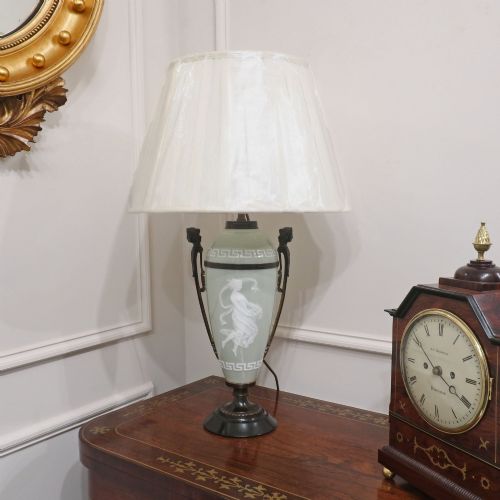
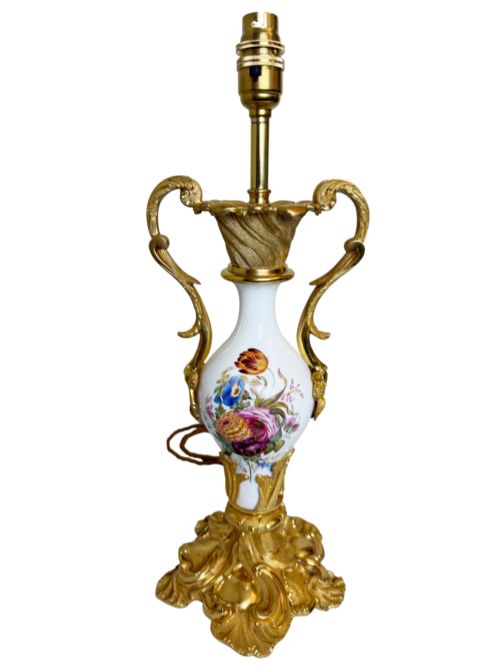
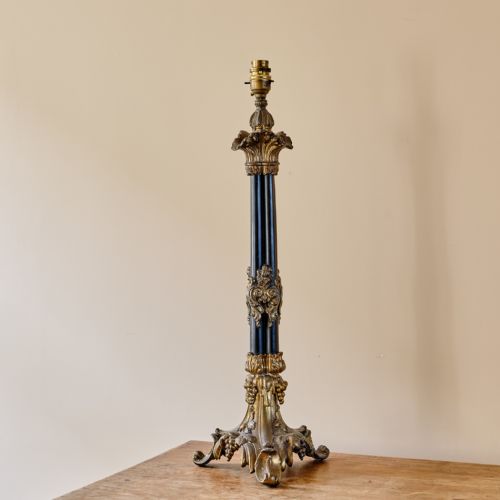
The selection here includes table lamps, lamp bases, and table lights shaped from cast bronze, gilt bronze, and ormolu. Many incorporate marble bases, porcelain inserts, and fabric shades.
French neoclassical and rococo revival designs dominate the selection, alongside figural subjects featuring cherubs and classical urns. Buyers find single pieces as well as matched pairs suitable for domestic illumination.
What varies in quality
The refinement of the casting separates standard production from superior pieces, particularly in the sharpness of floral motifs, cherub figures, and classical ornamentation. Heavier mounts and crisp chasing indicate careful workshop attention.
The integration of secondary materials such as marble plinths and porcelain sections dictates the overall character. Finer examples retain intact gilding and substantial metal gauge across the entire base.
Listings feature pieces spanning the nineteenth and early twentieth centuries, utilising bronze, gilt metal, marble, and porcelain.
The Ornate Bronze Desk Lamp Glossary
- Ormolu
- Gilt bronze produced by applying a mercury and gold amalgam to cast bronze, creating a rich golden surface. This technique was widely used in French lighting during the nineteenth century.
- Pate sur pate
- A ceramic decoration method where liquid white clay is painted in successive layers onto a coloured body to create a low relief cameo effect. It appears on porcelain lamp bodies from the period.
- Rococo Revival
- A nineteenth century design style characterised by asymmetrical scrolls, flowing organic lines, and naturalistic floral motifs. It heavily influenced European table lamp ornamentation.
- Spelter
- A zinc alloy frequently used as a cheaper alternative to bronze for cast figures and lamp bases, often given a bronze finish. It offers lighter weight while mimicking heavier metal work.
- Candelabrum
- A branched candlestick adapted or designed to hold multiple lights, sometimes converted into a table lamp. These items provide significant vertical presence on a desk.
Ornate Bronze Desk Lamp: Frequently Asked Questions
How do I date a bronze lamp?
Dating relies on stylistic clues, casting techniques, and material combinations seen in the piece. Victorian and Edwardian examples often show specific French revival influences and assembly methods typical of their decade.
Examination of the base fixings and the wear on the bronze surface helps confirm the age of manufacture.
Are these lamps converted from older objects?
Many desk lamps and table lights began life as statuettes, ewers, or candelabra before receiving electrical fittings. Such conversions are standard practice for nineteenth century decorative bronzes.
Original form and structural integrity remain visible despite the addition of modern wiring and lamp holders.
Where should I place a heavy bronze lamp?
These substantial pieces require sturdy desks, sideboards, or console tables capable of supporting cast metal and marble weight. Their strong silhouette suits traditional studies and formal reception rooms.
Placement should account for the scale of the base and the reach of the fabric shade.
How do I clean gilt bronze?
Maintenance requires only gentle dusting with a soft, dry cloth to protect the delicate gilt or patinated surface. Chemical cleaners and abrasive cloths will strip the historic finish.
Preserving the original skin maintains both the appearance and the character of the metal.