

Ornate Armchairs
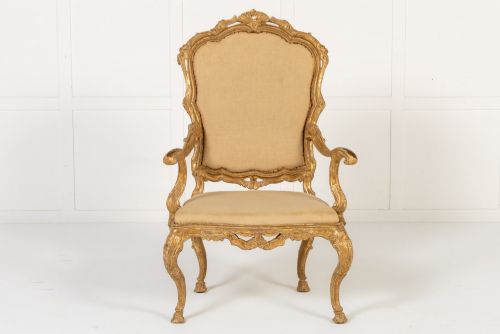
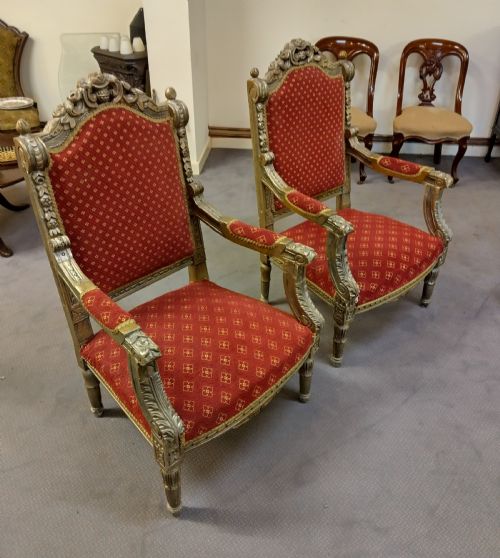
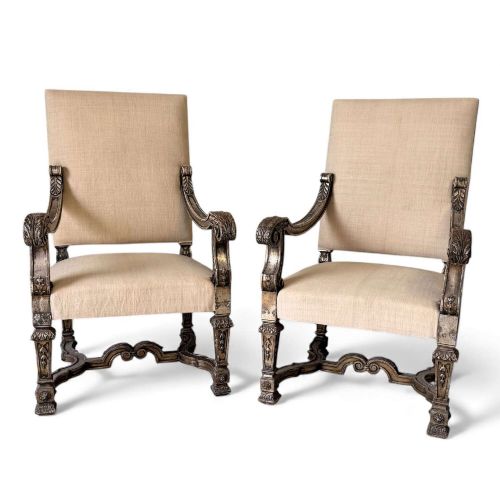
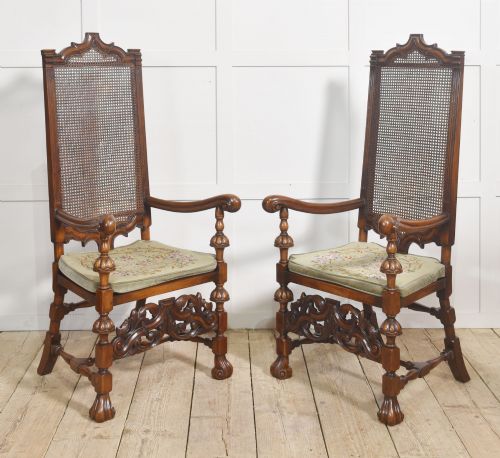
These ornate armchairs bring heavy carving, gilding, and historic revival styles into a room for grand seating.
Ornate Armchairs
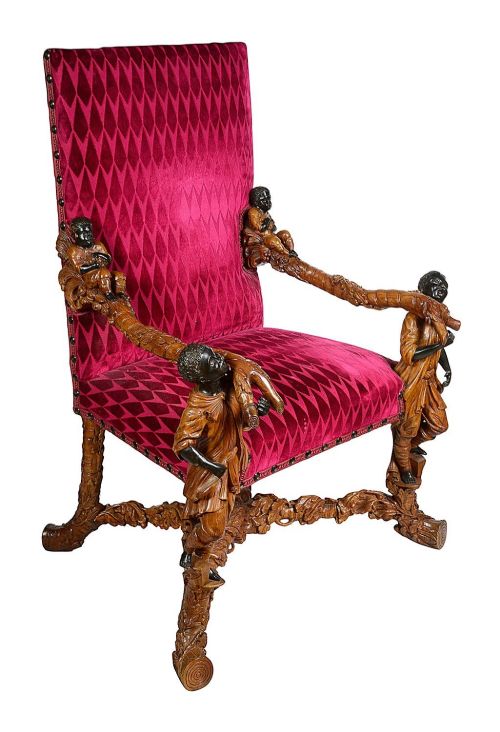
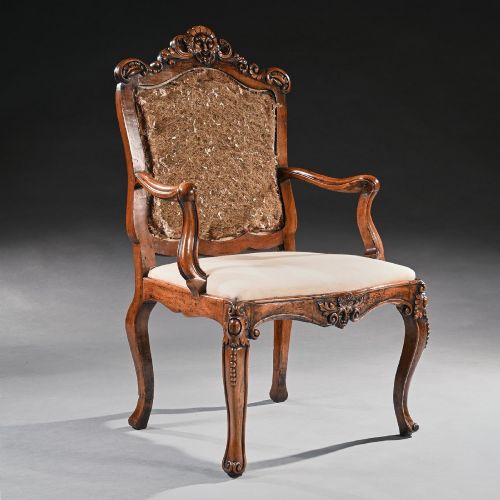
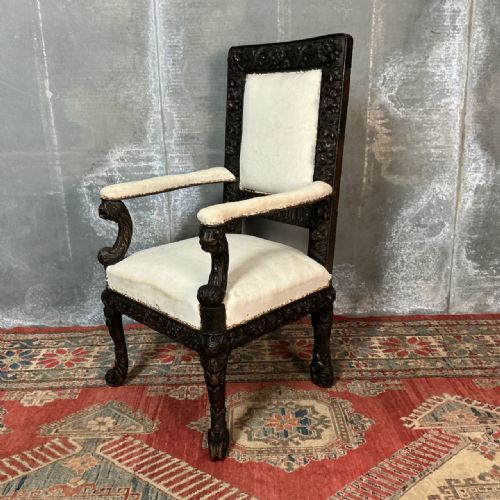
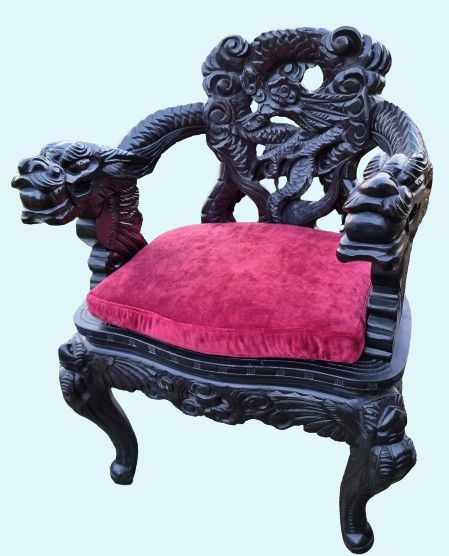
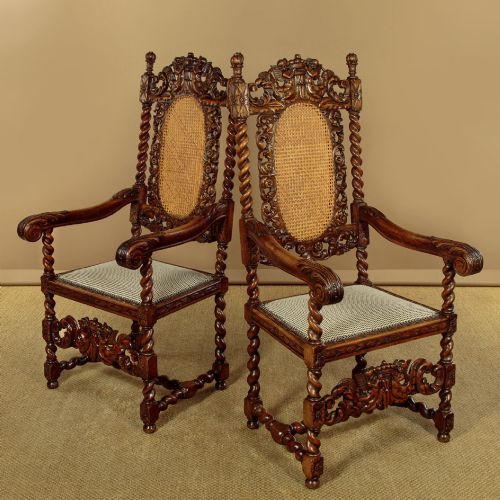
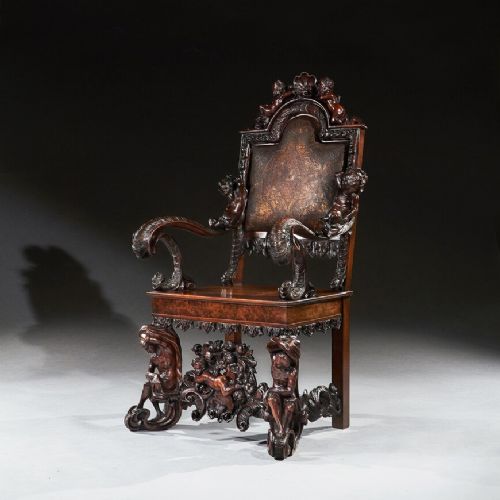
When you search for ornate armchairs, you encounter heavily carved seating designed to dominate a room rather than blend into the background. These pieces span centuries of revivalist taste, running from grand 18th-century Italian walnut chairs to elaborate 19th-century giltwood and oak throne chairs.
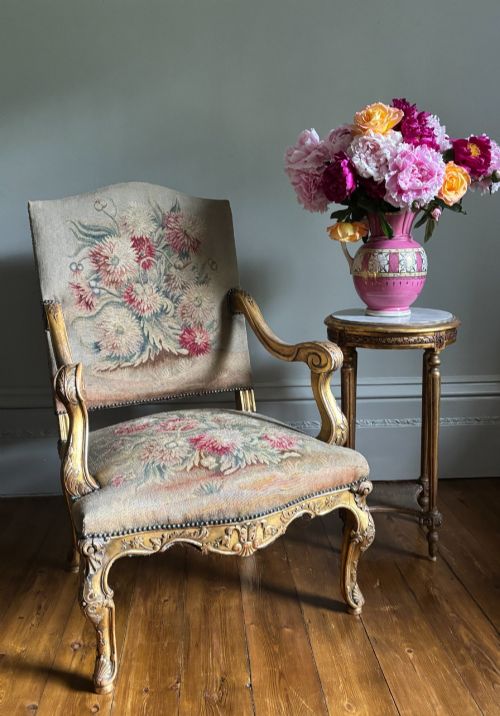
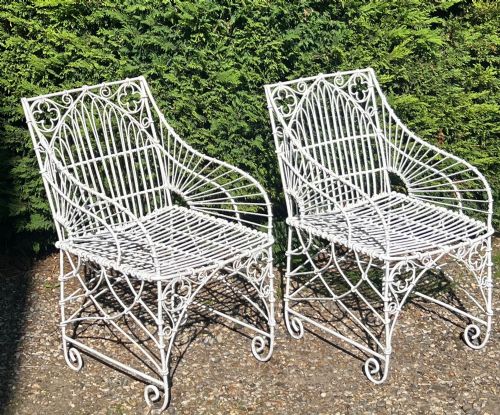
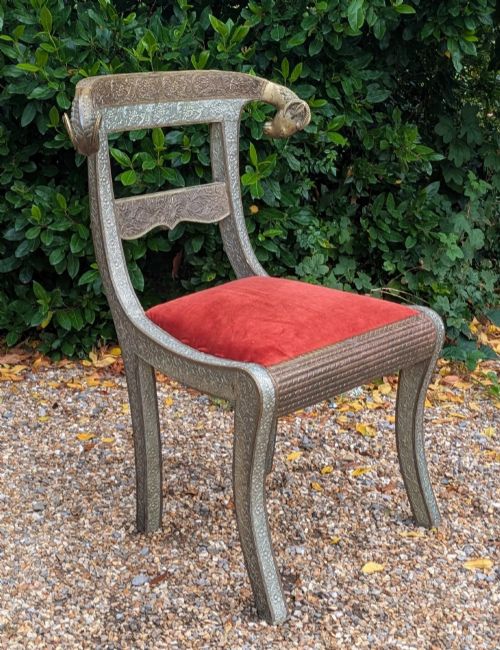
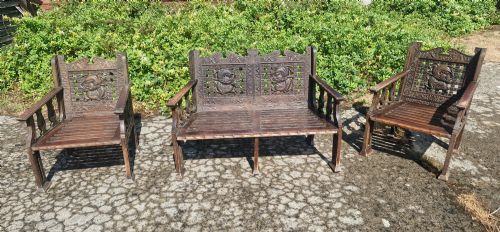
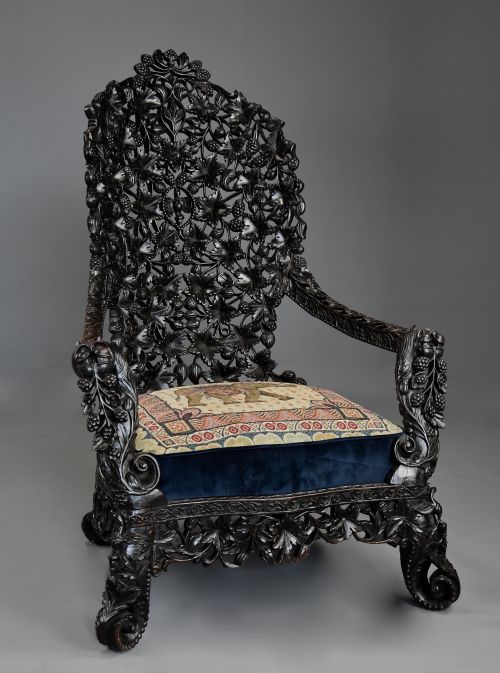
The most common examples on this page are 19th-century revival pieces, including French Regence, Baroque, and Italian Rococo styles. You also find regional variations such as Anglo-Indian and Burmese carved hardwood seating alongside cast iron and iron garden chairs.
Materials and construction
Carvers shaped dense timbers like walnut, oak, and exotic hardwoods by hand, producing deep relief work on head rails, arms, and legs. Giltwood pieces rely on layers of gesso and gold leaf applied over carved wood to achieve a brilliant metallic finish.
Upholstery includes silk, velvet, tapestry, and leather, secured with traditional tacks. Metal framework appears in cast iron garden furniture and pieces incorporating brass elements.
Ornate Armchairs Retail Price Guide 2026
Typical asking prices for ornate armchairs among the pieces listed under this phrase on Sellingantiques today, from the lower quarter to the upper quarter. They describe what is for sale here now, not the wider market.
Listings feature 19th-century pieces alongside 18th-century examples, utilising walnut, giltwood, velvet, and oak across styles from Gothic Revival to Italian Rococo.
Assessing craftsmanship
Quality rests in the depth and crispness of the carving, where master carvers undercut the wood to create three-dimensional foliage, figures, and animal motifs rather than flat surface decoration. Exhibition-quality pieces display precise joinery and intricate detailing executed by named artisans or specialised workshops.
The choice of primary timber dictates longevity and weight, with dense solid walnut and heavy hardwoods outperforming softer woods. Original gilding and period upholstery fabrics command higher regard than later replacements.
Andrea Brustolon
The Ornate Armchairs Glossary
- Giltwood
- Wood that has been coated with thin gold leaf or powder over a prepared base. It defines formal 18th and 19th-century seating.
- Head rail
- The uppermost horizontal member of a chair back. Carved examples on these chairs often feature central cartouches or crests.
- Baroque Revival
- A 19th-century style imitating the heavy, dramatic curves and ornamentation of the 17th century. It frequently employs walnut and rich gilding.
- Savonarola chair
- A folding armchair formed of multiple curved wooden slats intersecting to create an X-shaped frame. Originating in the Renaissance, this form appears in later Anglo-Indian iterations.
- Open arm chair
- A chair with un-upholstered wooden armrests that expose the carved structure. These contrast with fully padded upholstered versions.
Ornate Armchairs: Frequently Asked Questions
What periods do these armchairs come from?
The selection spans from the mid 18th century through to the early 20th century. Most pieces originate in the 19th century during periods of historic revival.
You encounter styles that mimic 17th-century Baroque forms alongside authentic Victorian craftsmanship and Edwardian adaptations.
How do I distinguish Italian Rococo from French styles?
Italian Rococo chairs from the 18th century often feature asymmetrical carved head rails and dynamic walnut framing. They lean towards theatrical, deeply carved motifs.
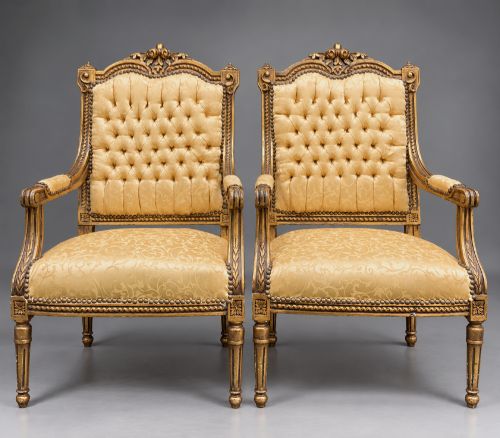
French Regence and salon chairs emphasise symmetrical giltwood frames, refined scrolling arms, and formal upholstery suited to drawing rooms.
Are these chairs comfortable for daily seating?
Many of these pieces prioritize formal posture and visual impact over modern ergonomics. Upright backs and rigid wooden armrests are typical of throne and hall chairs.
Upholstered salon and wingback variants offer softer seating, though older internal stuffing may feel firmer than contemporary cushioning.