

Ornate Chairs
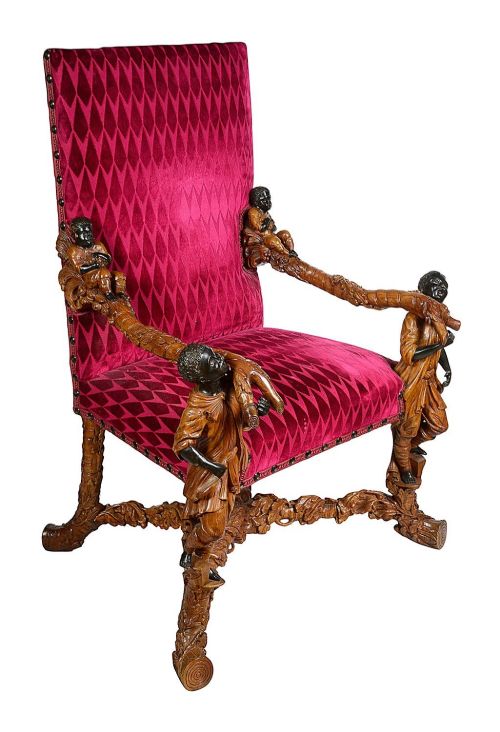
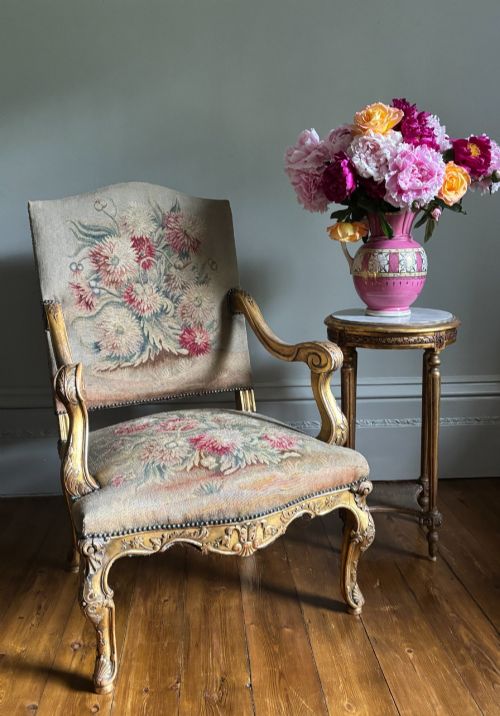
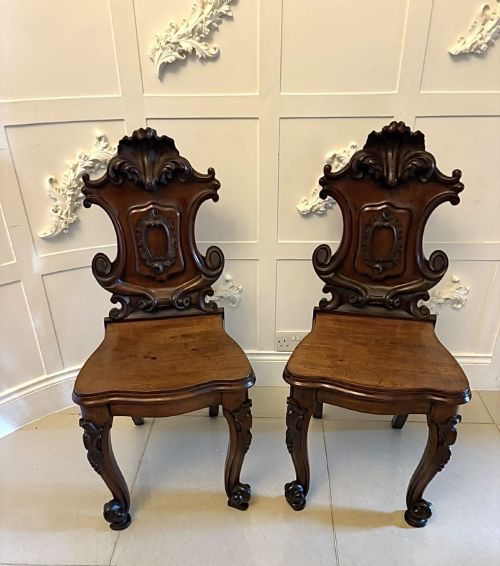
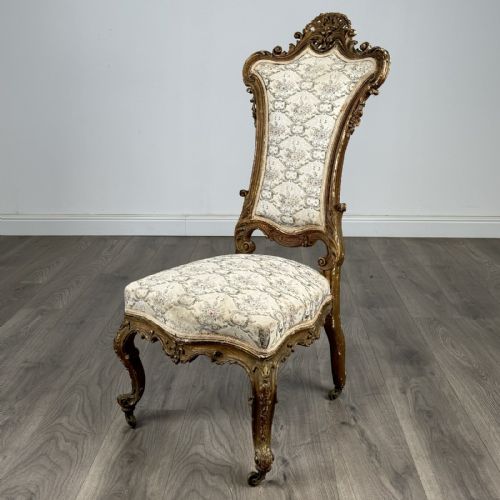
Ornate antique chairs bring heavy carving and gilded surfaces into a room, offering functional seating loaded with historical revival styles.
Ornate Chairs
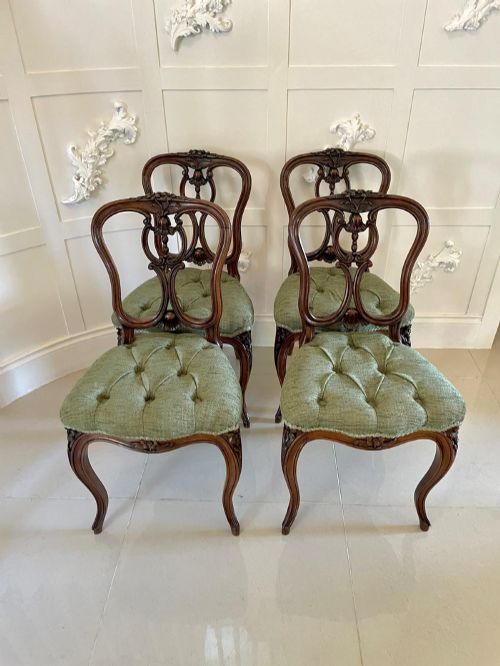
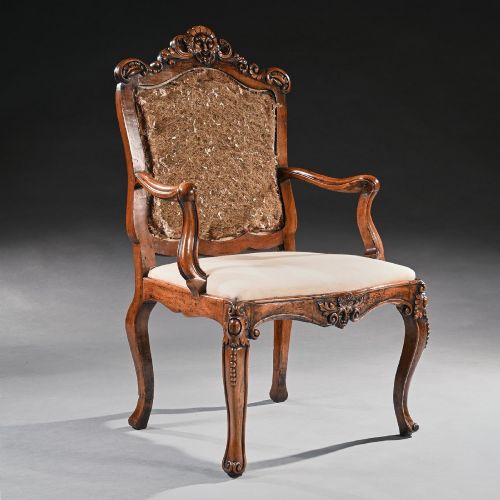
When you search for ornate antique chairs, you encounter heavily decorated seating spanning several centuries, with the nineteenth century producing the largest share of surviving examples. These pieces range from formal parlour armchairs to hall chairs and garden sets, utilising revival aesthetics such as Rococo, Baroque, and Gothic.
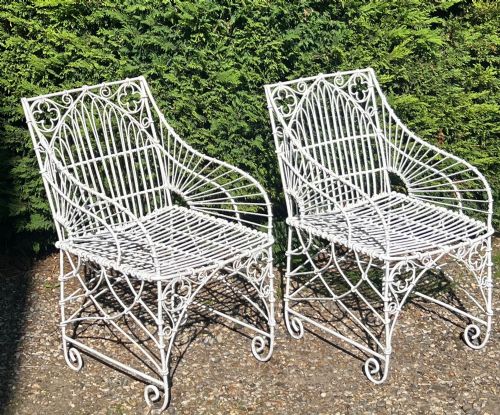
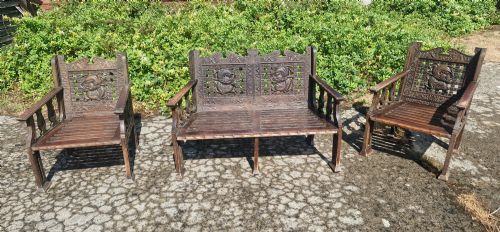
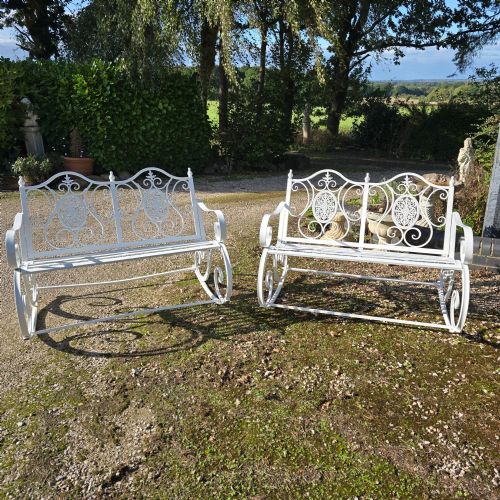
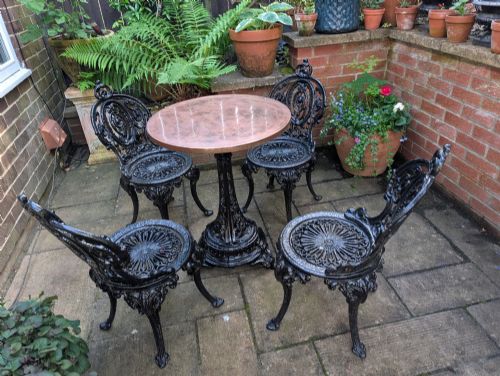
The forms vary widely between domestic indoor seating and robust outdoor garden furniture. Walnut side chairs, giltwood salon pieces, and intricately carved armchairs from global traditions appear alongside cast iron garden benches and dining sets.
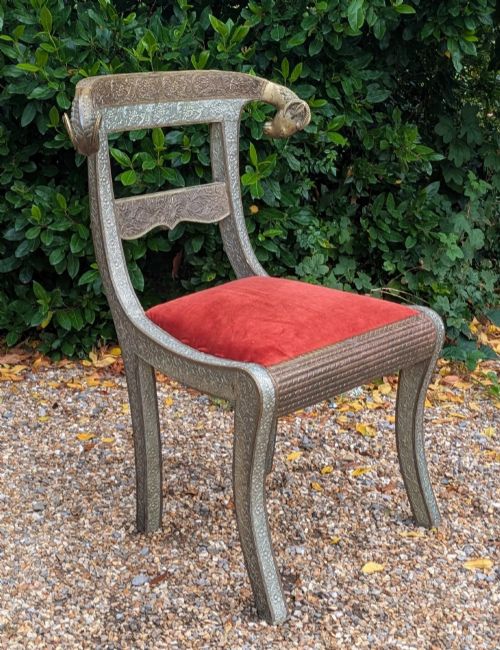
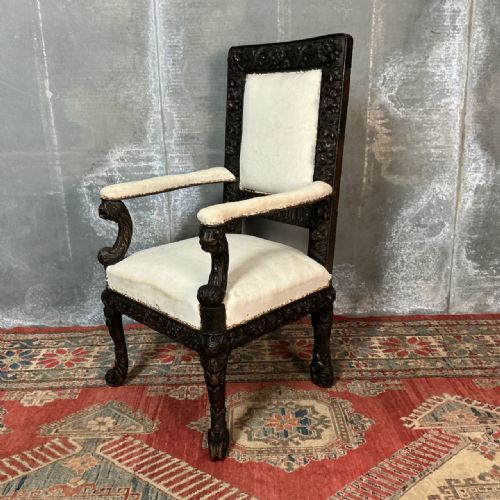
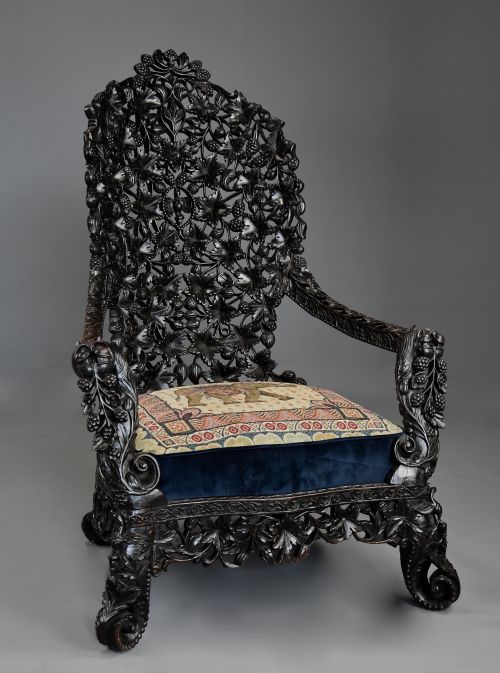
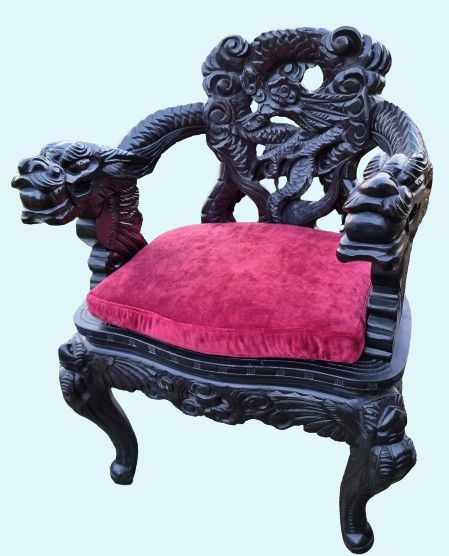
Makers drew on historical design vocabulary, producing heavily carved walnut frames, painted surfaces, and upholstered open armchairs. Pieces emerge from diverse origins including Britain, France, Italy, China, India, and Burma.
Materials and construction methods
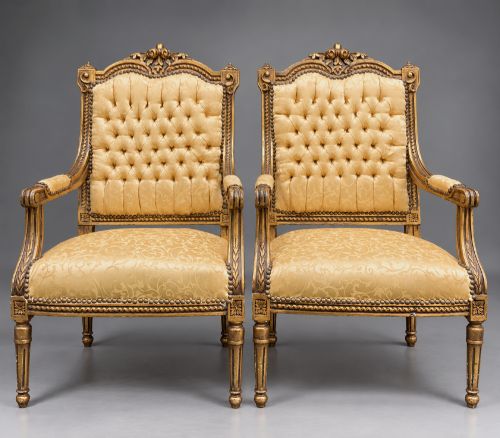
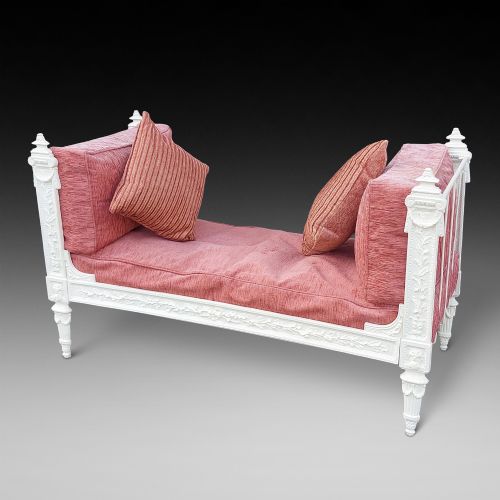
Carpenters and carvers shaped these frames from dense timbers like walnut, oak, mahogany, and padauk, often applying a gilt finish or gold leaf over wood. Workshops also cast sturdy iron into elaborate scrollwork for exterior benches, tables, and daybeds.
Decoration relied on deep relief carving, marquetry inlay, and painted detailing. Upholstered versions combined exposed wooden armchairs and side chairs with fabric, velvet, and textile coverings secured to sprung or padded seats.
Ornate Chairs Retail Price Guide 2026
Typical asking prices for ornate chairs among the pieces listed under this phrase on Sellingantiques today, from the lower quarter to the upper quarter. They describe what is for sale here now, not the wider market.
Distinctions in craftsmanship
The depth and crispness of the hand carving separate standard production from exhibition pieces. Superior examples display sharply defined foliage, figures, and scrollwork without softening in the wooden details.
Materials and structural integrity dictate the standing of a piece. Solid walnut frames with robust joinery and heavy gauge cast iron outlast lighter constructions and lesser secondary timbers.
Andrea Brustolon·Christopher Dresser
The Ornate Chairs Glossary
- Giltwood
- Timber treated with gold leaf or a metallic gilt finish. This technique creates a brilliant reflective surface popular on formal salon and throne chairs.
- Rococo Revival
- A nineteenth century design movement mimicking the asymmetrical scrolls, shell motifs, and naturalistic curves of the eighteenth century French Rococo style. It produced deeply carved walnut and gilt frames.
- Padauk
- A heavy, durable tropical hardwood prized for its rich reddish-brown colour and stability. Artisans utilised it extensively in colonial and Burmese seating.
- Marquetry
- The art of applying small pieces of veneer to a structure to form decorative patterns and pictures. It appears on specialist wooden chair backs and seats.
Ornate Chairs: Frequently Asked Questions
How do I identify a Baroque revival chair?
Baroque revival chairs display bold, heavy carving, straight structural lines, and rich upholstery fabrics like velvet or gilt finishes. They often incorporate architectural motifs and substantial wooden frames.
Look for symmetrical scrollwork, acanthus leaves, and dark walnut or oak timbers that emulate seventeenth century grandeur.
Where were cast iron garden chairs used?
Heavy cast iron garden sets and benches furnished nineteenth century lawns, conservatories, and patios. Their weather-resistant material suited outdoor placement.
These durable pieces frequently paired with matching tables for bistro dining or outdoor relaxation.
What is an Anglo-Indian chair?
Anglo-Indian chairs combine European furniture forms with intricate indigenous carving traditions from the Indian subcontinent. Artisans worked dense timbers like padauk and blackwood.
These pieces feature dense floral motifs, pierced backrests, and deep relief work reflecting cross-cultural design exchanges.
How do I care for giltwood furniture?
Giltwood frames require gentle maintenance because the thin gold leaf layer is easily damaged by moisture and abrasive cleaning products. Dust them lightly with a dry, soft brush.
Keep these delicate pieces away from direct sunlight and fluctuating humidity to preserve the metallic finish.