

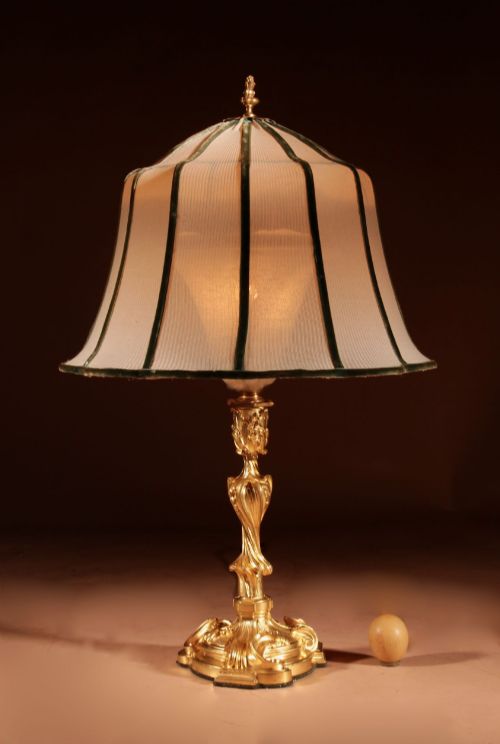

Ormolu Table
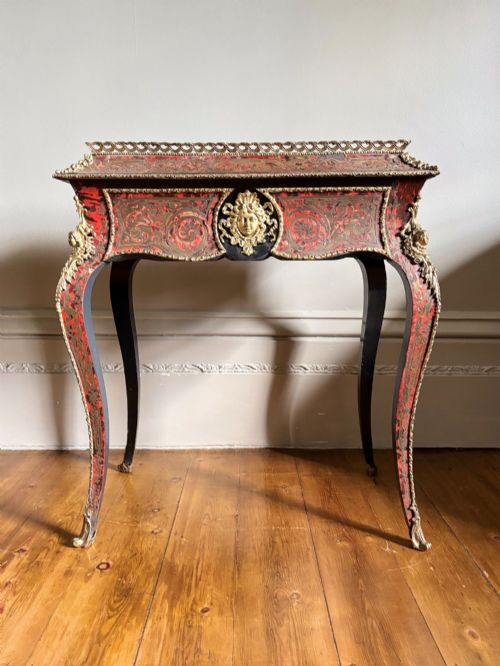
An ormolu table brings French revival glamour into a room through cast metal mounts on timber frames.
Ormolu Table
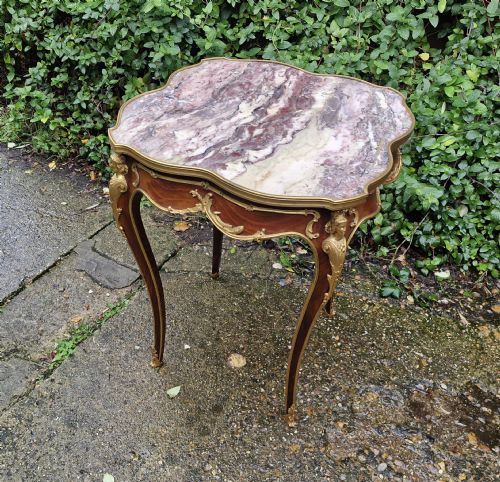
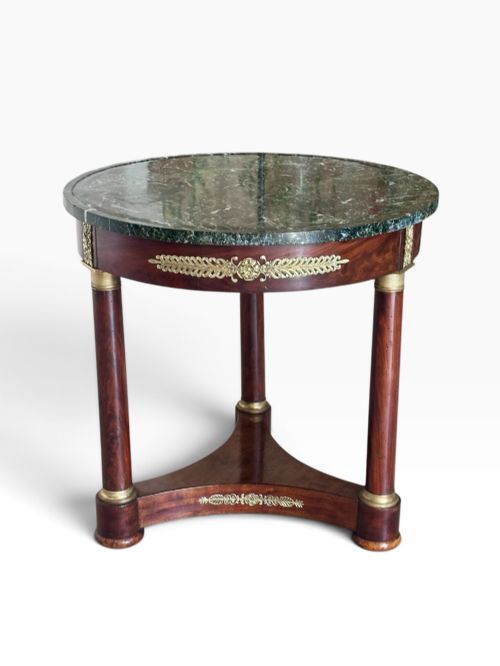
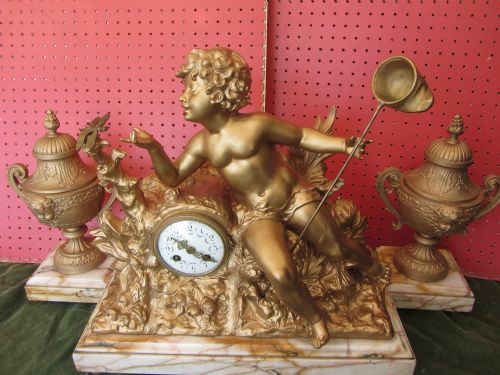
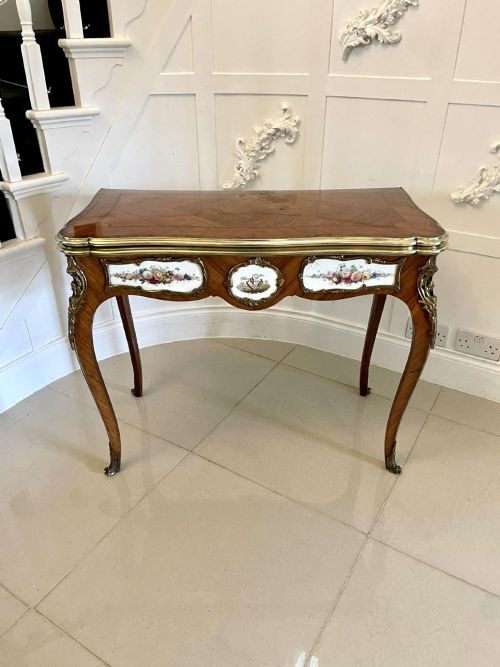
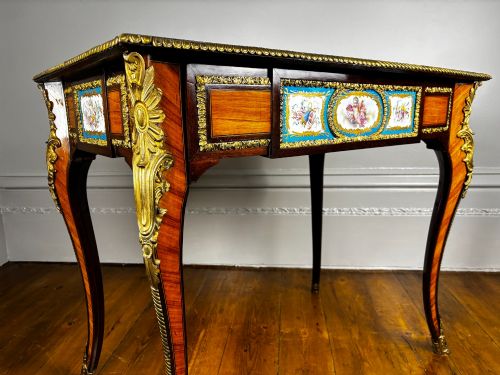
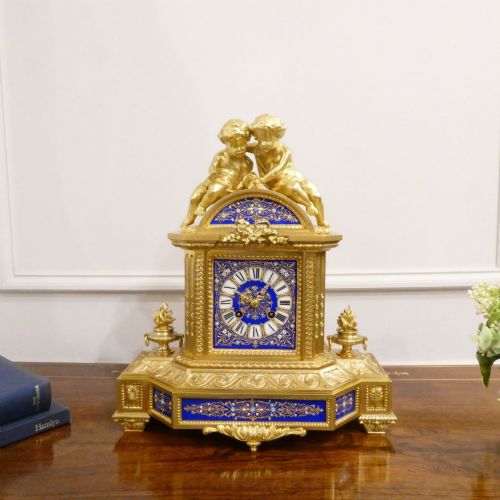
An ormolu table combines a wooden furniture carcase with cast gilt bronze or brass decorative mounts. These pieces emerge predominantly from the nineteenth century, drawing heavily on Louis XV and Louis XVI revivals.
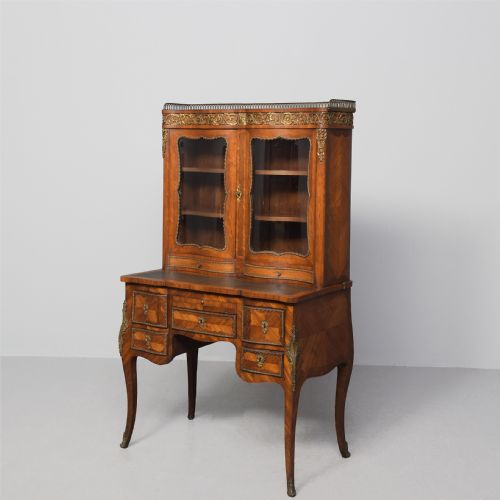
Centre tables, writing desks, and vitrine display tables form the core of what appears in this selection. Freestanding versions dominate, designed to sit comfortably in the middle of a room rather than against a wall.
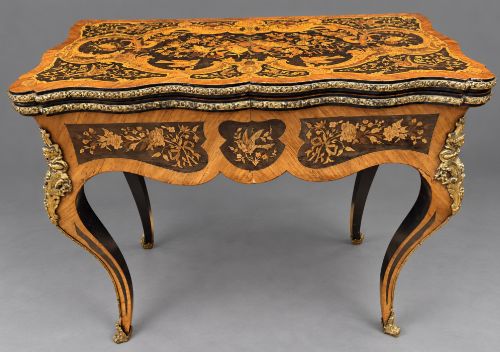
Cabinet makers utilise rich timbers like kingwood, walnut, and mahogany beneath the metallic decoration. Marquetry and parquetry patterns frequently cover the surfaces of these occasional and console tables.
How they were made
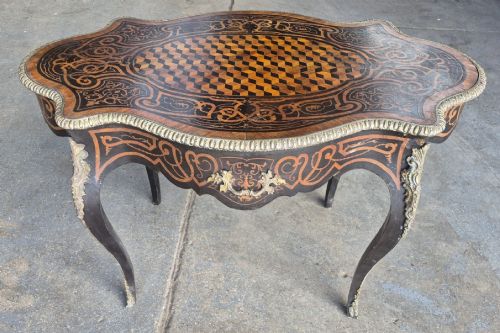
Craftsmen built the underlying structures from hardwoods such as walnut and mahogany, often applying kingwood or rosewood veneers in geometric parquetry or floral marquetry designs. Surface embellishments included hand-chiselled gilt bronze mounts fixed securely to the timber carcases.
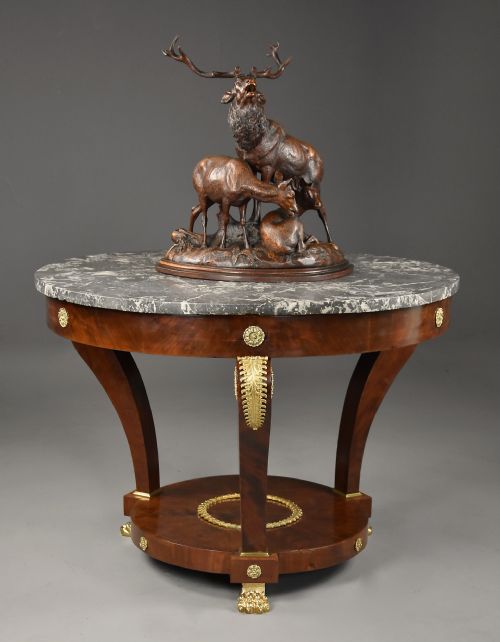
Foundries cast the bronze mounts before applying a layer of gold amalgamation to create the distinctive ormolu finish. Marble tops frequently insert into the wooden frames of console and demilune tables, secured by moulded brass borders.
Ormolu Table Retail Price Guide 2026
Typical asking prices for ormolu table among the pieces listed under this phrase on Sellingantiques today, from the lower quarter to the upper quarter. They describe what is for sale here now, not the wider market.
The listings span from the Victorian era into the twentieth century, with nineteenth-century pieces forming the majority of the selection.
What varies in quality
The crispness of the chased detail on the gilt bronze mounts separates standard production from finer examples. Sharp edges and deep relief work indicate skilled metalworking rather than mass casting.
Timber selection and the complexity of the marquetry inlay dictate the overall standard of the piece. Well-matched grain patterns and precise parquetry demonstrate higher levels of cabinet making.
Gillows·Francois Linke·Japy Freres
The Ormolu Table Glossary
- Ormolu
- Gilt bronze ornamentation applied to furniture and decorative objects. The technique involves a mercury and gold mixture fused to a brass or bronze base.
- Marquetry
- Inlaid wood veneers arranged to form decorative pictures or patterns. Craftsmen cut various coloured timbers to fit precisely into prepared recesses.
- Parquetry
- Geometric wood inlay forming repetitive patterns such as cubes or chequers. This technique decorates the tabletops and drawer fronts of desks and cabinets.
- Bonheur du Jour
- A small lady's writing desk featuring a tiered superstructure with shelves and small drawers. These elegant pieces date mainly to the nineteenth century.
- Bureau Plat
- A flat-topped freestanding writing desk, typically fitted with drawers in the frieze. These desks display polished timber surfaces bordered by gilt bronze mounts.
Ormolu Table: Frequently Asked Questions
Where should I place an ormolu table?
Freestanding centre tables look best positioned away from walls where their marquetry and gilt mounts can be viewed from all sides.
Smaller side tables and occasional tables fit comfortably beside seating areas or within a hallway as statement furniture.
How do I clean ormolu mounts?
Dust the gilt bronze elements gently with a dry microfibre cloth to prevent the accumulation of dirt within the chased recesses.
Avoid commercial metal polishes, which can strip the remaining gold layer from the bronze base.
What is a bureau plat?
A bureau plat is a flat-topped freestanding writing desk equipped with pull-out drawers along the frieze. These tables were designed for formal writing rooms and salons.
They frequently feature leather-insets on the writing surface and elaborate gilt bronze mounts on the corners and legs.
Are marble top tables heavy?
Marble top console and demilune tables carry substantial weight due to the solid stone inserts fitted into the wooden frames. The stone usually rests unattached within the moulded border for ease of transport.
When moving these pieces, lift the marble top off separately to reduce the overall load on the timber structure.