

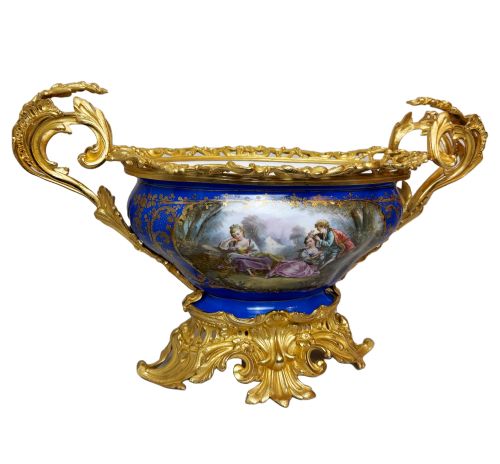
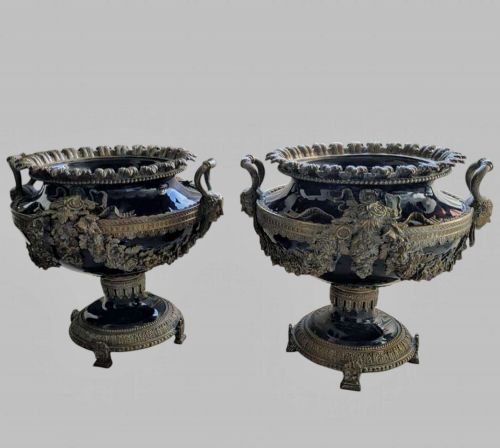
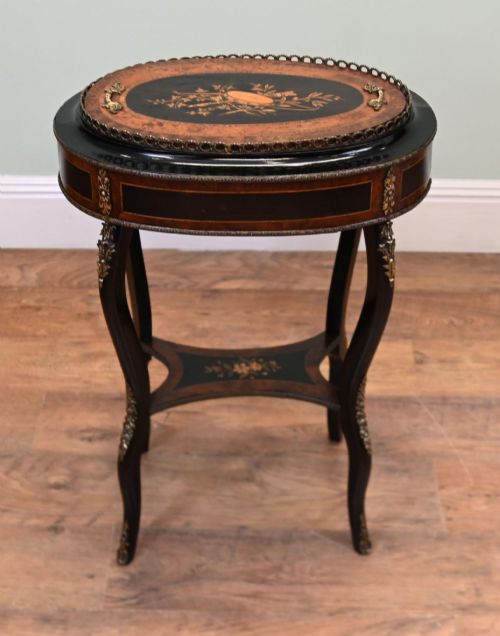
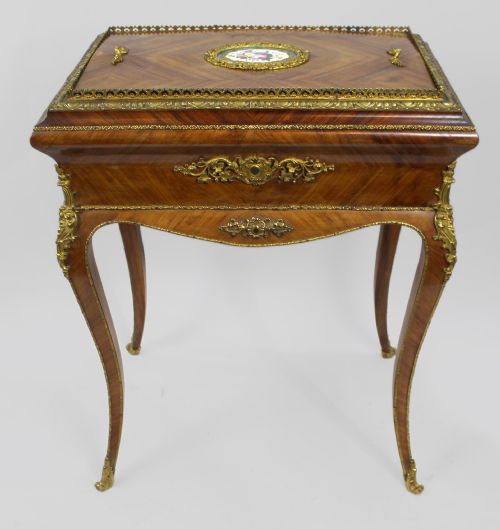


Ormolu Planter
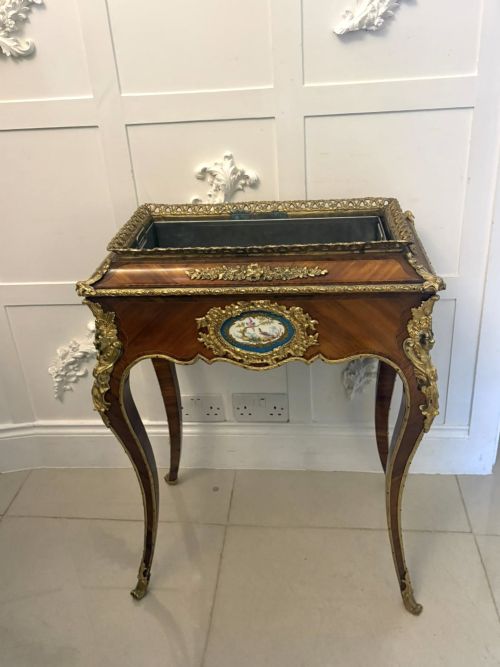
An ormolu planter brings nineteenth-century French elegance indoors, combining gilded bronze mounts with rich timbers to house indoor plants.
Ormolu Planter
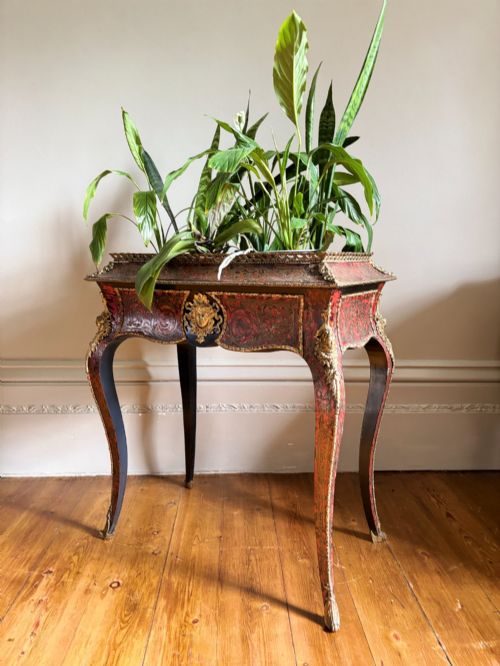
An ormolu planter, often listed as a jardiniere or wine cooler, serves to hold plants or ice within domestic rooms. These pieces originate predominantly from the nineteenth century, spanning Victorian and Edwardian periods as well as Napoleon III and Louis revival styles.
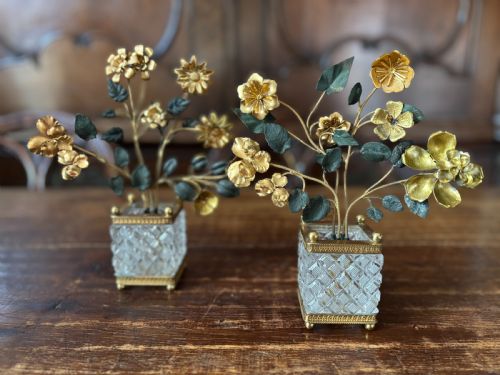
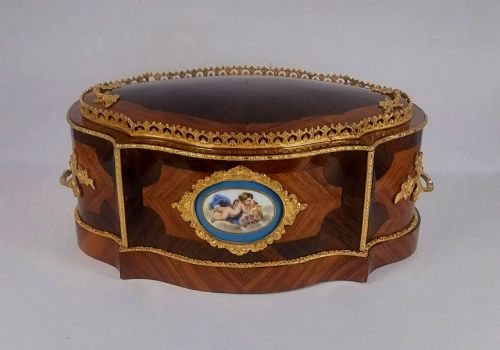
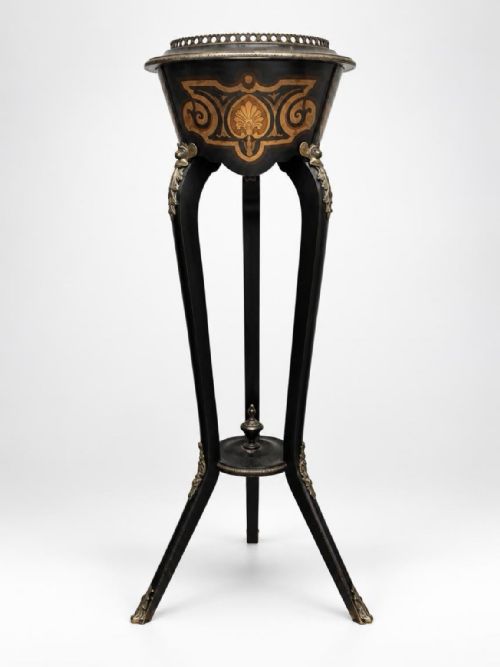
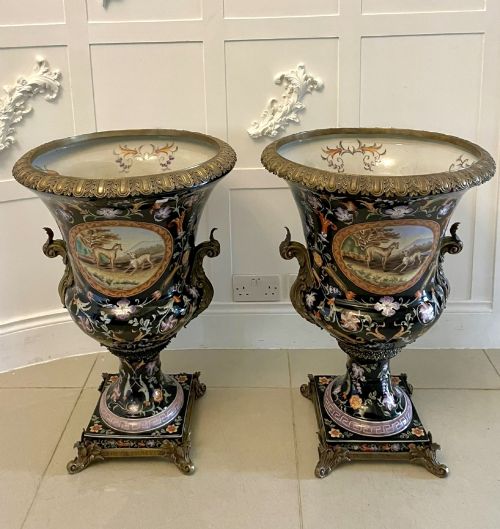
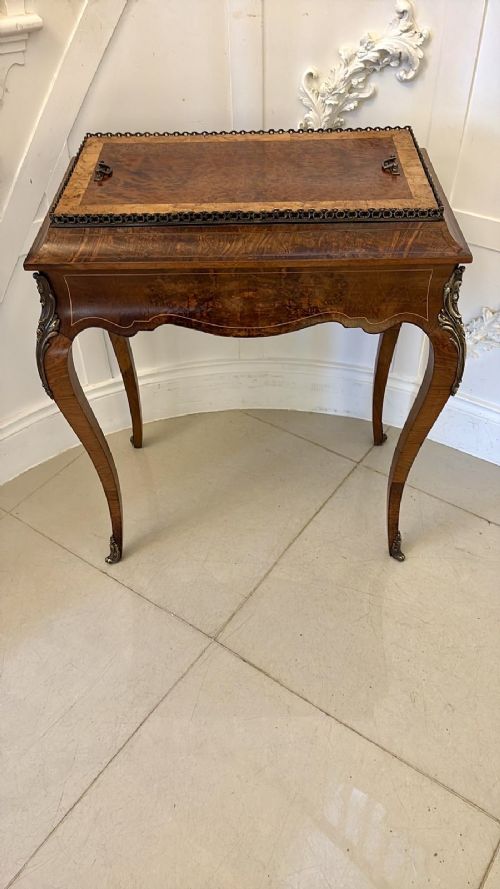
Buyers meet various forms ranging from table stands and side tables to classical urns and freestanding pedestals. Woods such as kingwood, burr walnut, mahogany, and satinwood frequently form the body, paired with ceramic plaques or porcelain bodies.
How they were made
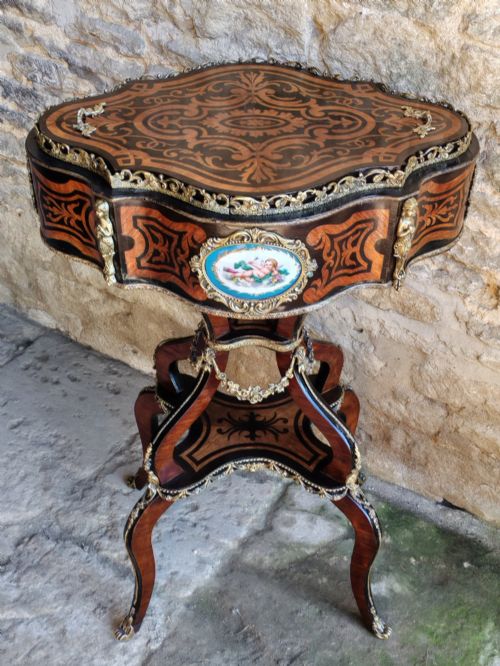
Maker-craftsmen combined cast ormolu and gilt bronze mounts with fine timber carcasses, utilising marquetry and inlay techniques like boullework. Ormolu elements provide bright, gilded contrast against dark woods such as ebonised timber or warm walnut.
Interiors often incorporate zinc, brass, or cut glass liners designed to contain moisture and soil safely within the wooden or ceramic structure.
Ormolu Planter Retail Price Guide 2026
Typical asking prices for ormolu planter among the pieces listed under this phrase on Sellingantiques today, from the lower quarter to the upper quarter. They describe what is for sale here now, not the wider market.
The listings show nineteenth-century examples incorporating materials like porcelain, alabaster, and cloisonné enamel alongside traditional kingwood and ormolu.
What varies in quality
The crispness and depth of the ormolu casting separate ordinary mounts from exceptional ones, with finer chased details showing distinct definition in the foliage and scrollwork. The quality of the timber veneer, such as figured burr walnut or intricate floral marquetry, dictates the visual richness of the piece.
Integration between the metal mounts and the wooden or ceramic body reveals the maker's hand, where tight joints and balanced proportions distinguish finer workshop output from simpler production.
The Ormolu Planter Glossary
- Ormolu
- Gilt bronze produced by applying a mercury-gilding process to cast bronze. It gives a warm golden lustre that resists tarnishing.
- Jardiniere
- A decorative pot or stand designed to hold plants or flowers inside a room. They often double as wine coolers.
- Marquetry
- Decorative veneer patterns formed by fitting together small pieces of wood, shell, or ivory. It decorates the top and sides of many tables.
- Boullework
- A style of marquetry using brass and tortoiseshell inlaid into dark wood. It became popular during the nineteenth-century French revivals.
- Kingwood
- A dense, heavily figured timber with dark brown and violet stripes used in fine cabinetry. Cabinet makers prized it for decorative veneer work.
Ormolu Planter: Frequently Asked Questions
What is an ormolu planter used for?
These pieces function primarily as decorative containers for indoor houseplants or floral arrangements. Many incorporate metal or glass liners to hold water and soil safely.
Historically, similar vessels also served as wine coolers or cellarettes during dining occasions. They occupy side tables, pedestals, or floor positions within principal rooms.
How do I care for wood and ormolu?
Maintain the timber surfaces by dusting with a dry cloth and applying mild wax polish occasionally. Protect the wood from excessive moisture by removing plant liners during watering.
Clean the gilt bronze mounts gently with a soft brush without harsh chemical agents. Avoid placing these items in direct sunlight to prevent veneer fading.
How do I identify a French nineteenth-century piece?
Look for characteristic timber choices such as kingwood, burr walnut, and ebonised finishes paired with gilt bronze mounts. Stylistic cues often point to Napoleon III or Louis XV and XVI revival movements.
Construction methods, including hand-cut dovetails and fitted metal liners, corroborate nineteenth-century origins.
What is the difference between a jardiniere and a planter?
The terms are largely interchangeable within antique listings, though jardiniere derives directly from the French word for gardener. These vessels often feature more decorative stands or porcelain plaques than standard utility planters.
Many examples on this page are described under both designations depending on the dealer.