





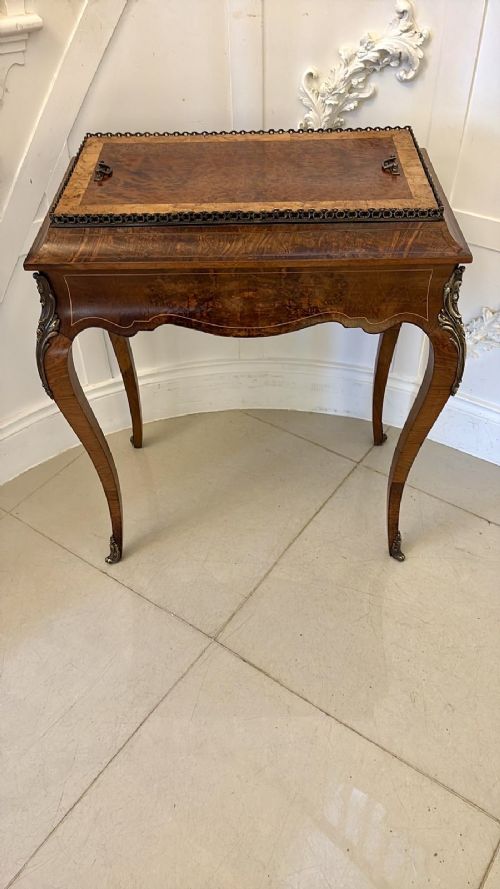


Ormolu Jardiniere
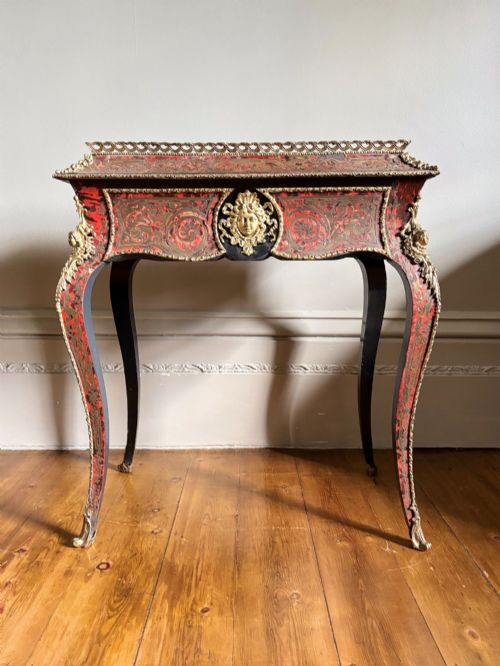
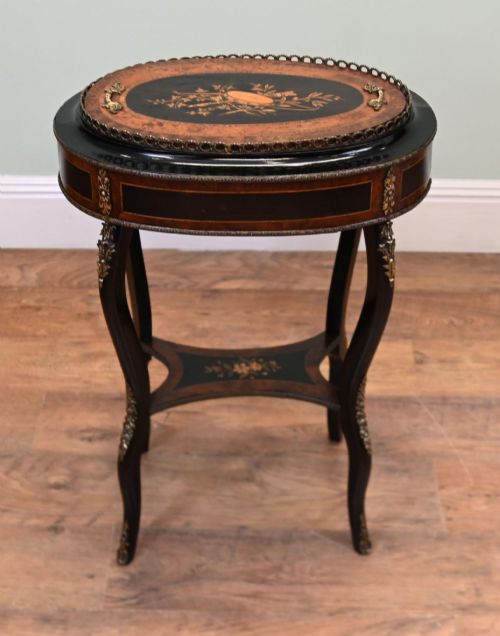
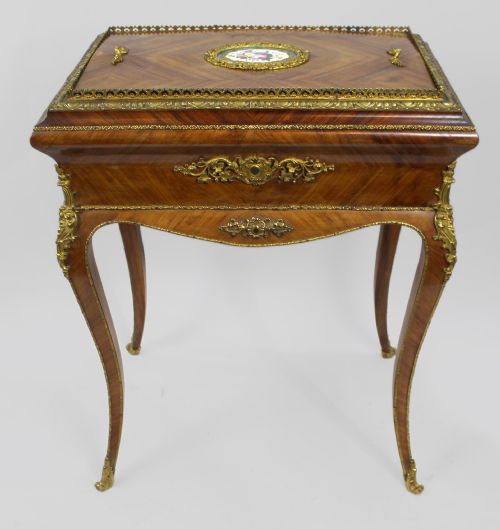
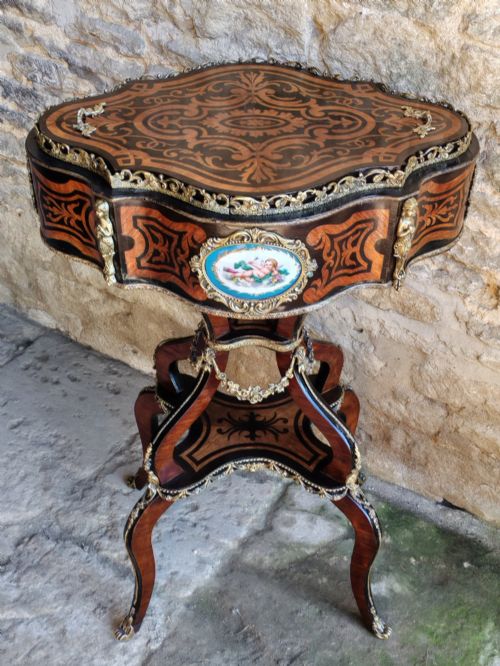
An ormolu jardiniere brings heavy French theatricality into a room, holding cut plants or simply catching the light through gilt metal.
Ormolu Jardiniere
An ormolu jardiniere functions as an ornamental plant holder, often doubled in period use as a wine cooler or standing side table. The pieces found here predominantly date from the nineteenth century, spanning Victorian Britain and the Second Empire in France.
Forms range from low table planters to tall free-standing jardiniere stands and octagonal display cabinets. Many examples incorporate liners in zinc or pottery to protect the structural woodwork from damp soil and water.
Stylistic markers lean heavily on French taste, specifically Louis XV, Louis XVI, Napoleon III and Empire revivals. Buyers encounter everything from simple inlaid side tables to elaborate vessels covered in gilt bronze mounts.
Materials and construction
Maker workshops relied heavily on rich timbers like kingwood, walnut, burr walnut, mahogany, satinwood and ebonised wood. Marquetry inlays and contrasting veneers form the primary wooden surfaces of these nineteenth-century planters.
Gilt bronze and ormolu provide the decorative mounts, scrolling feet and handles that define the aesthetic. Ceramic elements, porcelain plaques, cloisonné enamel, blue ceramic and cut glass frequently insert into the wooden and metal frameworks.
Metal liners in zinc sit inside the main body to hold the plants, while internal wooden framing supports the weight of damp earth and heavy porcelain inserts.
Ormolu Jardiniere Retail Price Guide 2026
Typical asking prices for ormolu jardiniere among the pieces listed under this phrase on Sellingantiques today, from the lower quarter to the upper quarter. They describe what is for sale here now, not the wider market.
Evaluating the craftsmanship
The crispness of the ormolu chasing and the depth of the fire-gilding separate standard decorative pieces from exceptional works of metalwork. Fine mounts display sharp relief and deliberate hand-finishing rather than flat, uniform machine casting.
Cabinetwork quality reveals itself in the precision of the marquetry, the choice of burr veneers, and the stability of the joints under heavy loads. Pieces combining porcelain plaques with intricate kingwood framing depend heavily on tight, flush joinery.
The integration of the interior metal liner determines whether a piece was built as a dedicated functional jardiniere or adapted later from a side table or wine cooler.
The Ormolu Jardiniere Glossary
- Ormolu
- Gilded bronze, produced by applying a mercury and gold amalgam to cast bronze and heating it until the mercury evaporates. This technique creates a durable, warm golden finish characteristic of French decorative arts.
- Jardiniere
- A decorative pot or stand designed to hold plants or flowers indoors. Period examples often double as wine coolers or cellarettes.
- Marquetry
- The art of applying small pieces of veneer to a structure to form decorative patterns or pictures. Craftsmen utilise different coloured woods to create contrast without paint.
- Napoleon III style
- A heavily eclectic nineteenth-century French aesthetic that revived Louis XIV, Louis XV and Louis XVI forms alongside boulle marquetry. It values opulence, rich mounts and dark woods.
Ormolu Jardiniere: Frequently Asked Questions
How were antique jardinieres used?
These vessels held potted plants or floral arrangements to bring living greenery into formal nineteenth-century reception rooms. Many included removable metal liners to catch drainage water and protect the fine woodwork beneath.
In practice, affluent households also utilised these same stands as wine coolers or temporary cellarettes during dinner parties. The waterproof inserts made them versatile enough to hold ice and bottles alongside decorative foliage.
How do I identify Napoleon III pieces?
Napoleon III pieces generally showcase exuberant French revival styling, mixing dark ebonised woods or kingwood with bright ormolu mounts. Look for substantial gilt bronze feet, scrolling handles and inlaid brass work.
They date from the mid to late nineteenth century and frequently incorporate Sevres-type porcelain plaques or detailed marquetry scenes into the body of the planter.
Can I plant directly into an antique jardiniere?
Planting directly into the antique structure risks water damage, wood rot and corrosion to the internal framework. Most period pieces rely on a removable zinc liner to contain the damp soil.
Living with these objects safely involves keeping plants in modern plastic pots that lift easily out of the zinc insert for watering. This prevents moisture from reaching the vulnerable kingwood, walnut or ormolu mounts.