





Ormolu Curtain Hooks
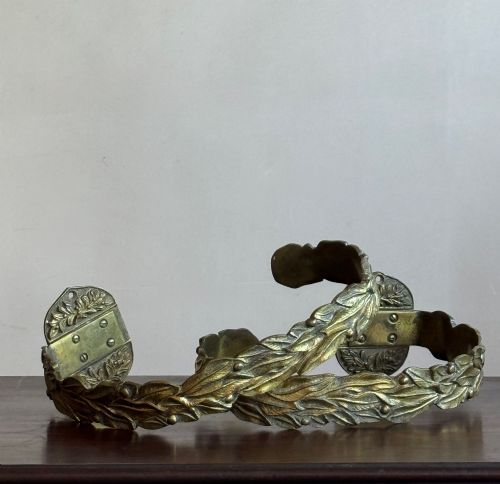
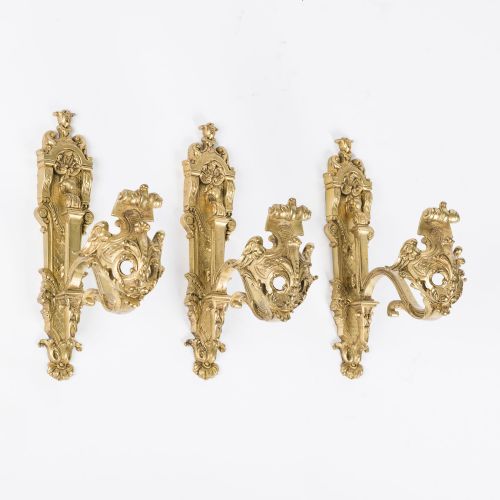
Ormolu curtain hooks are substantial brass-based hardware pieces designed to dress heavy window drapes with French stylistic flair.
Ormolu Curtain Hooks
When you search for ormolu curtain hooks, you encounter hardware created to hold back heavy window drapery with distinct decorative presence. These items appear primarily in Victorian issues from the nineteenth century, including specific pieces dated around eighteen eighty and eighteen seventy.
The objects on this page take the form of curtain tiebacks, tie-backs, curtain ties, and wall hooks. Many examples are offered in pairs or sets of four, reflecting their original domestic function flanking a window frame.
The stylistic repertoire leans heavily towards French taste, including French Rococo Revival, French Chateau, French Empire Revival, Louis XVI, and Gothic Revival. You will find items described variously through materials such as ormolu, gilt bronze, brass, gilt brass, gilded bronze, gilded brass, and cast metal.
How they were made
The manufacture of these pieces relies on cast metal foundations, typically brass or bronze, which provide structural rigidity for supporting heavy fabrics. Artisans shaped these metal bases through casting techniques suited to high-relief ornamentation.
Surface finish is achieved through gilding, producing the characteristic ormolu or gilt brass appearance seen across the selection. This application of a gold-coloured surface layer over the base metal gives the hardware its distinctive warm metallic lustre.
Ormolu Curtain Hooks Retail Price Guide 2026
Typical asking prices for ormolu curtain hooks among the pieces listed under this phrase on Sellingantiques today, from the lower quarter to the upper quarter. They describe what is for sale here now, not the wider market.
Listings feature nineteenth-century items exclusively, spanning the Victorian period with specific dates recorded for eighteen seventy and eighteen eighty.
What varies in quality
Differentiation across the range rests on the crispness of the cast ornamentation and the depth of the metalwork design. Pieces demonstrating the French Rococo Revival or Louis XVI styles often show varying degrees of sculptural relief.
The finish of the gilt surface and the weight of the underlying cast metal dictate the character of each pair or set. Items attributed to specific makers like Henri Picard display distinctive sculptural ambitions that set them apart from standard production items.
Henri Picard
The Ormolu Curtain Hooks Glossary
- Ormolu
- A gilded bronze or brass finish applied to decorative metalwork. This surface treatment gives nineteenth-century hardware its characteristic golden sheen.
- Tieback
- A wall-mounted hook or band used to hold window curtains open. These objects are frequently encountered in pairs or sets of four.
- Rococo Revival
- A nineteenth-century design style drawing on eighteenth-century French motifs. It is characterised by asymmetrical scrolls, foliage, and shell forms.
- Gilt Brass
- Brass that has been coated with a thin layer of gold or gold-coloured wash. It serves as a common material alternative to true ormolu.
- Louis XVI
- A neoclassical style marked by straight lines, symmetry, and classical restraint. Pieces in this idiom feature more orderly geometric decoration than their Rococo counterparts.
Ormolu Curtain Hooks: Frequently Asked Questions
How were ormolu curtain hooks used?
These hardware pieces were mounted directly to the wall beside a window frame to hold heavy drapery back in an open position. They functioned as both practical supports and decorative interior furnishings.
Pairs and sets of four allowed homeowners to dress multiple windows uniformly throughout principal rooms. The projecting arm caught the fabric folds securely while displaying ornamental cast metalwork.
What periods do these pieces come from?
The available selection dates from the nineteenth century, with specific examples originating around eighteen seventy and eighteen eighty during the Victorian era. Design influences draw heavily from French decorative traditions of earlier decades.
Manufacturing during this period embraced historical revivals, producing pieces that looked back to French Chateau, Louis XVI, and Rococo aesthetics. Makers adapted these classical idioms to suit nineteenth-century domestic interiors.
Are these hooks sold as pairs?
Many listings offer these items in matched pairs or sets of four to accommodate standard window arrangements. This reflects their original domestic use flanking drapery on either side of a window.
Single hooks also appear, though paired configurations remain common for maintaining symmetry in room decor. Each set shares identical casting characteristics and surface gilding.