



Ormolu Cherub Light
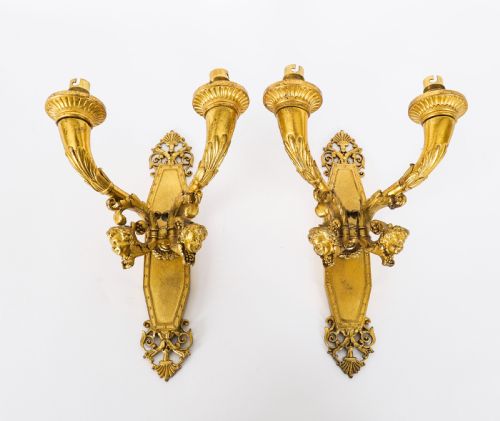
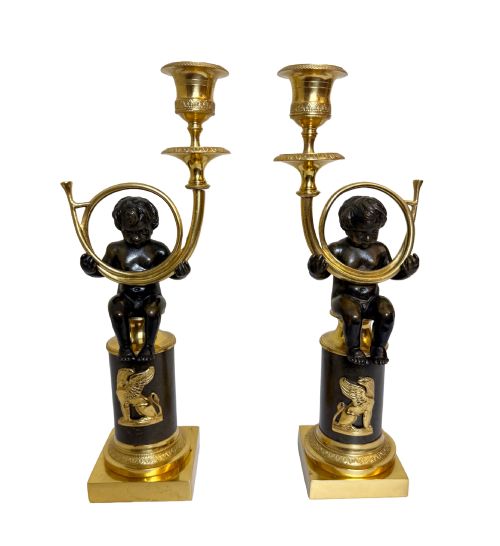
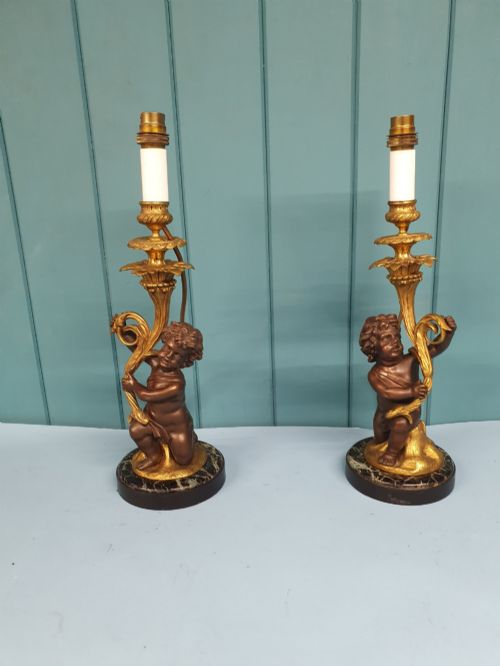
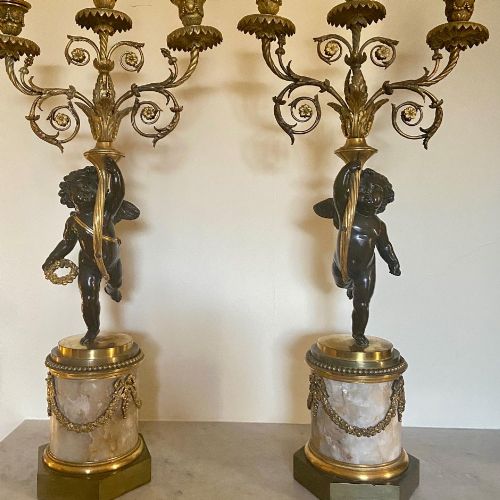
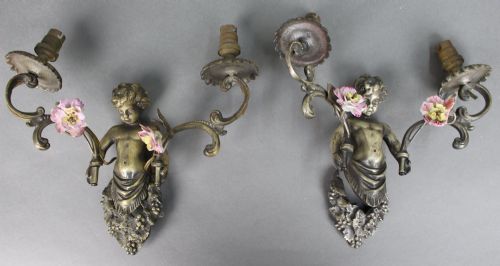
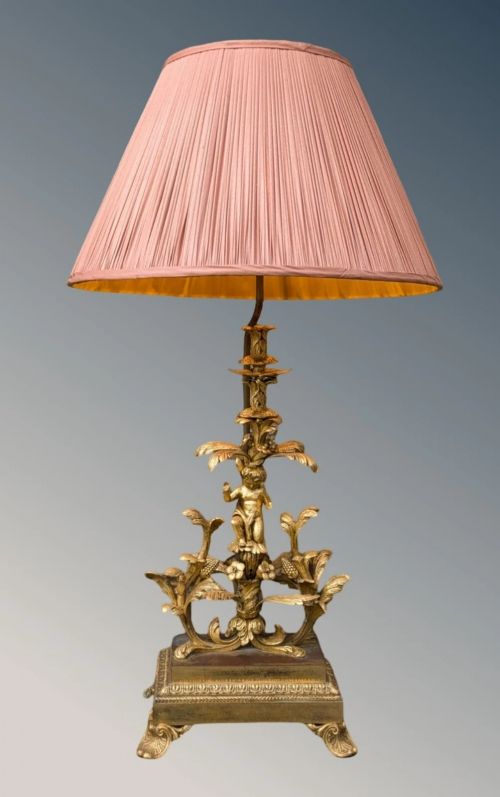
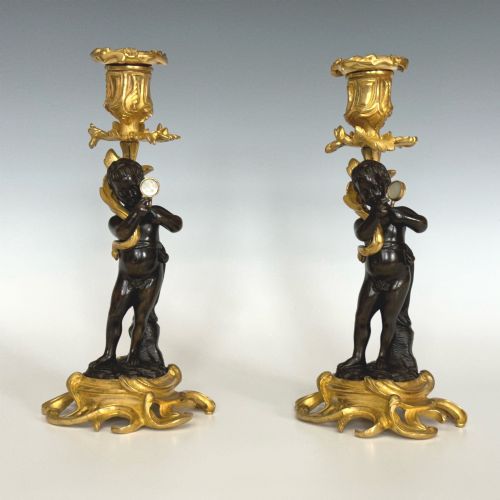
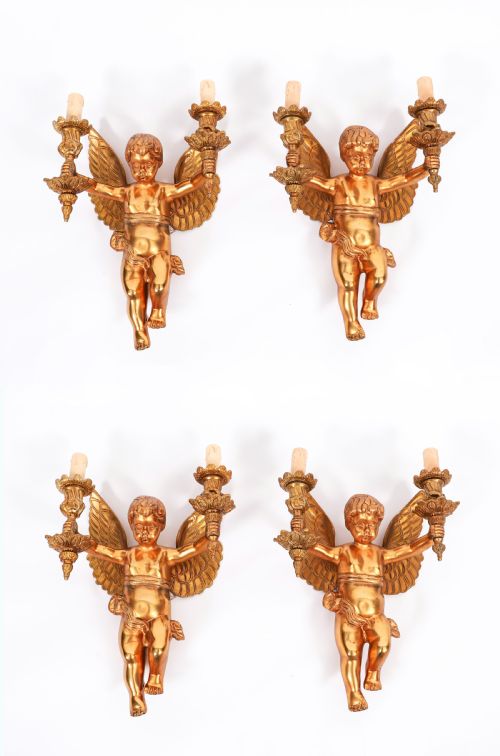
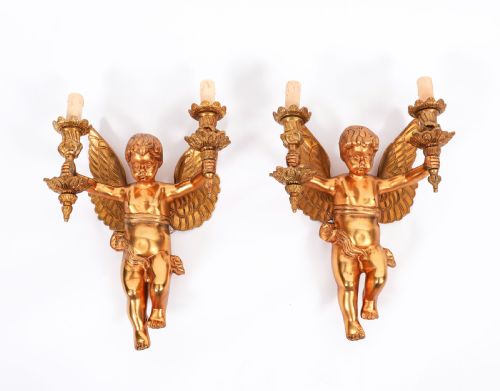
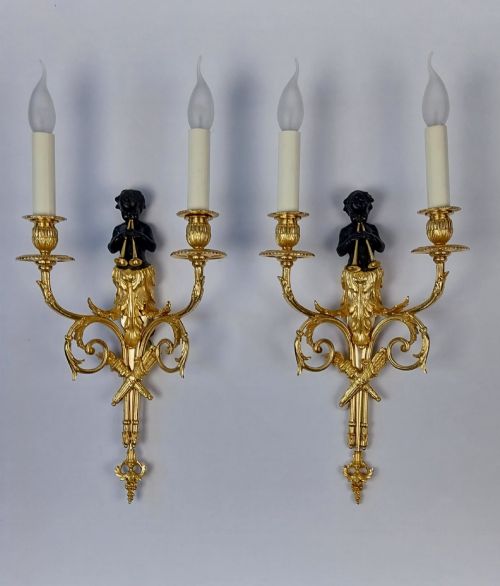
An ormolu cherub light brings figural bronze work and golden metal into a room through candle holders, wall sconces and lamps.
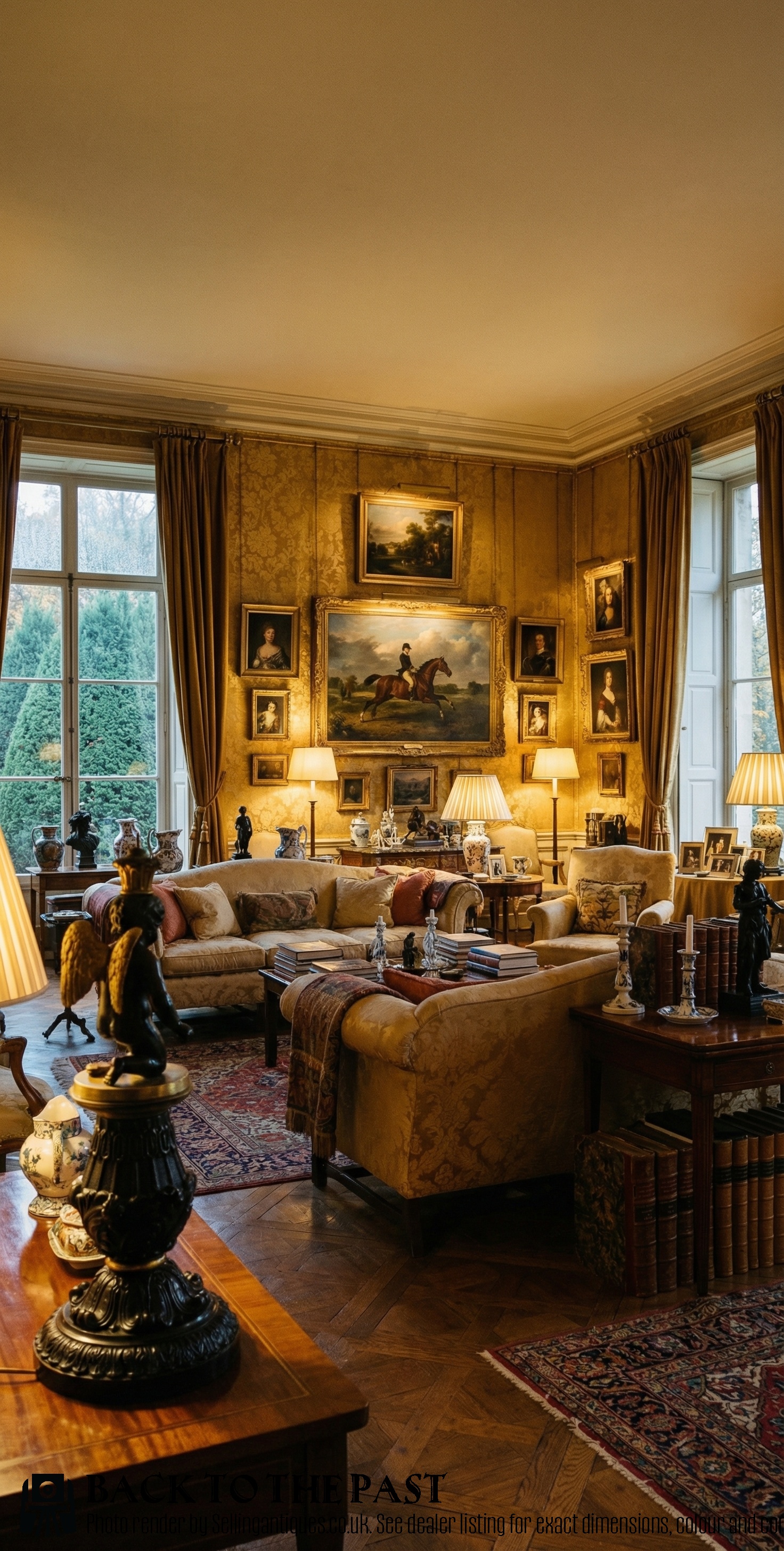
Ormolu Cherub Light
An ormolu cherub light combines cast figural bronze with mercury gilding or modern electroplating to create decorative illumination. Buyers searching for an ormolu cherub light encounter French and Italian pieces primarily from the nineteenth century, ranging from simple desk candlesticks to monumental chandeliers.
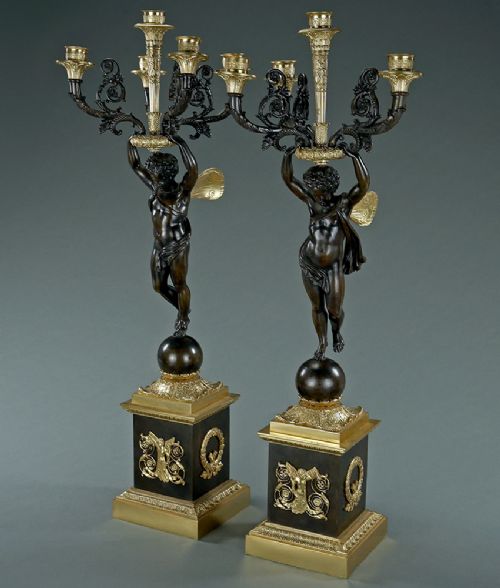
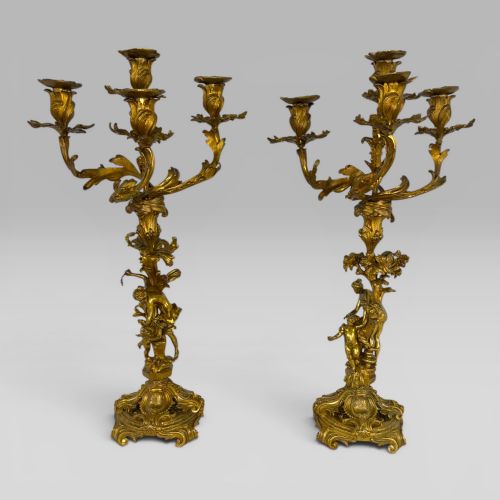
The dominant forms on this page are pairs of candelabra and wall sconces featuring winged putti or cherubs supporting branch holders. These objects span revival aesthetics like Louis XVI and Rococo styles, reflecting historical design movements of the eighteen-hundreds.
Materials and construction methods
The construction of these pieces relies on bronze or brass casting, followed by meticulous chasing to sharpen the details of the cherub figures and foliage. Gilt bronze or ormolu provides the bright golden surfaces, frequently contrasted against patinated dark bronze, natural marble bases or porcelain elements.
Makers assembled these multi-part items using threaded rods and screws to join the cast figures, arms and drip pans securely. Additional decorative components such as fabric shades, porcelain flowers or glass lustres completed the final lighting apparatus.
Listings feature periods from the eighteenth century through the 1920s, with nineteenth-century French and Italian pieces forming the majority.
Quality factors in metalwork
The crispness of the chasing separates superior pieces from standard production, as skilled metalworkers hand-tooled the cast bronze surfaces to define hair, feathers and facial expressions. Poor casting results in soft contours and shallow detailing that lack depth.
The integrity and depth of the gilding further distinguish the range, alongside the quality of the supporting materials like heavy statuary marble or porphyry bases. Heavier bronze gauge and balanced construction indicate careful workshop execution.
Francois Redmond·Claude Clodion
The Ormolu Cherub Light Glossary
- Ormolu
- Gilt bronze produced by applying a mercury and gold amalgam to a bronze base and heating it until the mercury vaporised. This historic technique creates a warm golden finish distinct from modern electroplating.
- Putto
- A plump, naked male child figure frequently depicted with wings in classical and revival art. These figures form the central motif of the lights on this page.
- Candelabra
- A branched candlestick designed to hold multiple candles simultaneously. In these listings, they often feature cherub figures supporting the branches.
- Sconce
- A wall-mounted lighting fixture that projects arms forward to support candles or bulbs. Many examples incorporate mirrored backs or decorative backplates.
- Patination
- The surface coloration of bronze achieved through natural ageing or chemical treatment. Dark patinated bronze often highlights the bright ormolu elements in these designs.
- Chasing
- The manual process of refining a metal casting with punches and hammers. This step restores crisp detail lost during the sand or lost-wax casting process.
Ormolu Cherub Light: Frequently Asked Questions
How do I clean an ormolu light?
Dust these pieces gently with a soft, dry brush to prevent accumulation in the recesses of the cast ornament. Avoid harsh chemical cleaners or abrasive polishes that strip the historic gilding from the bronze surface.
Moisture can damage older wiring or stain underlying marble bases, so keep liquid cleaners away from the mounts. Professional conservation is advisable if the metal requires deeper cleaning.
Are these lights converted for electricity?
Many items originating as candles or oil lamps have received later electrical wiring to function as table lamps or chandeliers. Conversions vary in execution, ranging from internal cord routing to visible side fittings.
Buyers should inspect the wiring status and consult a qualified electrician to test older electrical components before regular domestic use.
How do I date a cherub light?
Stylistic clues such as Louis XVI or Rococo revival motifs point toward nineteenth-century manufacturing periods. Examine the assembly methods, screw types and casting seams for indicators of age.
Base materials like marble or patinated bronze also help narrow down the production era by aligning with known nineteenth-century workshop practices.
Where should I place a wall sconce?
Wall sconces suit flanking positions beside mirrors, fireplaces or doorways in principal reception rooms. Ensure the wall structure can support the weight of solid bronze and marble components.
Height placement depends on eye level and surrounding furniture proportions to balance the visual weight of the branching arms.