

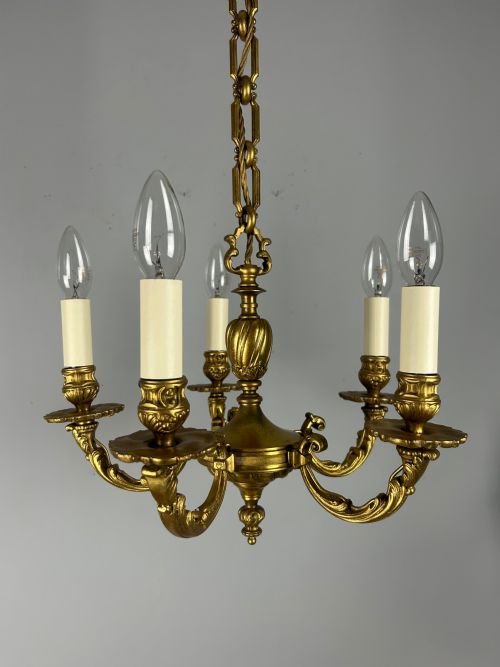

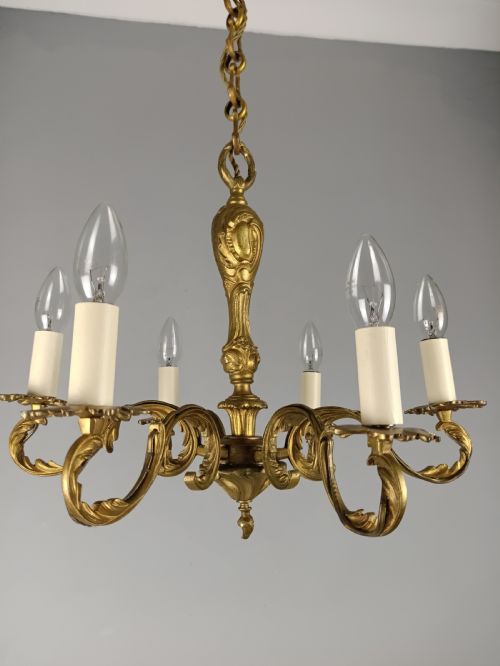
Ormolu Brass Pendant Light
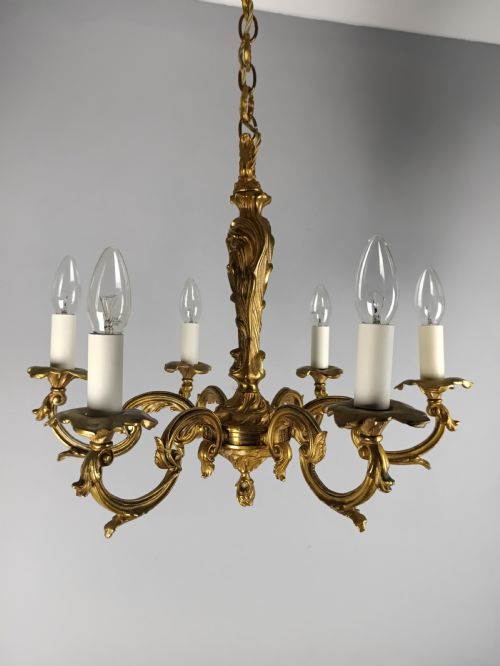
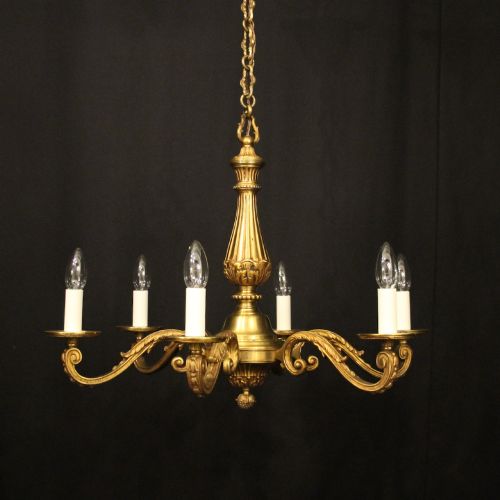
An ormolu brass pendant light brings brilliant French illumination into a room, combining heavy gilt metal and glass to anchor high ceilings.
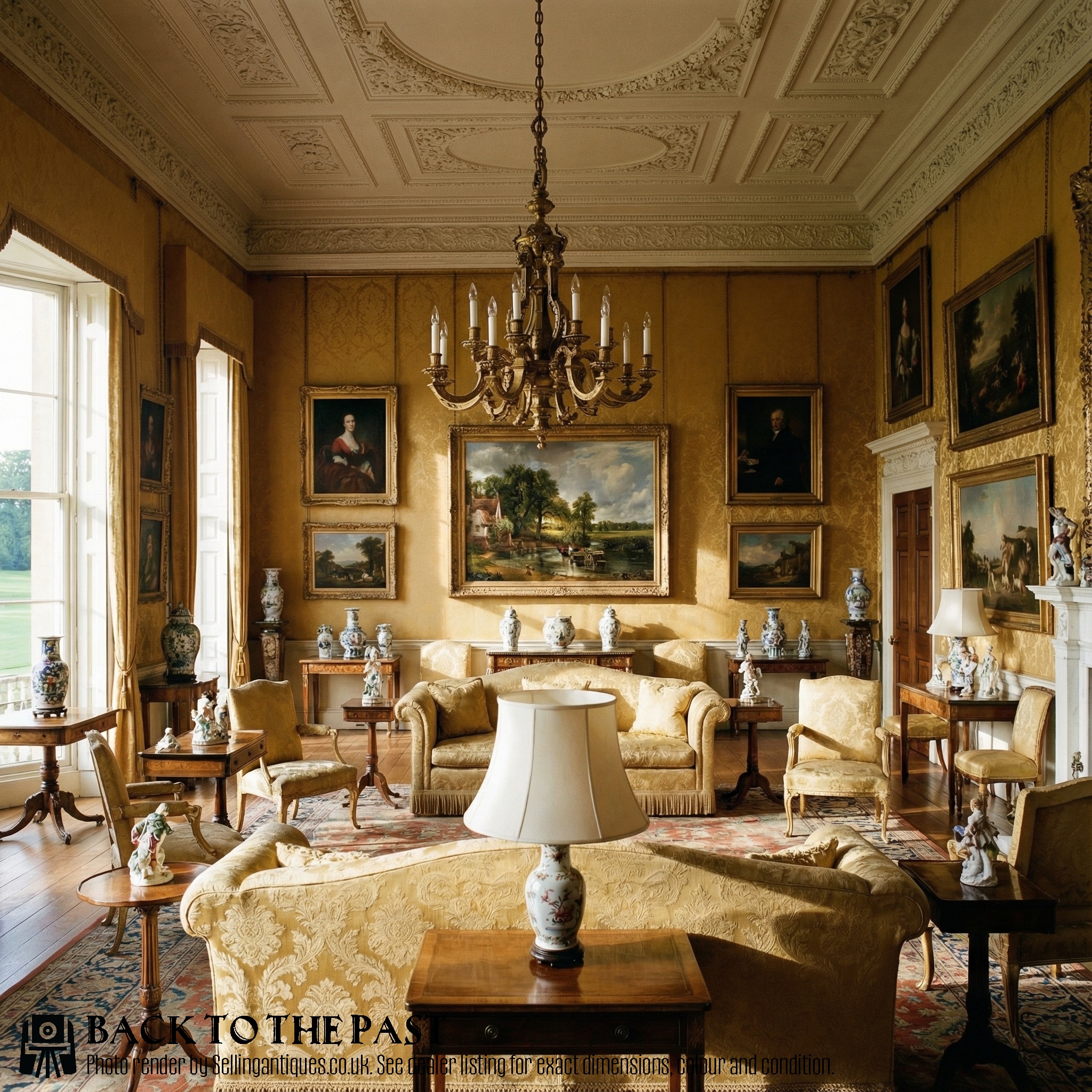
Ormolu Brass Pendant Light
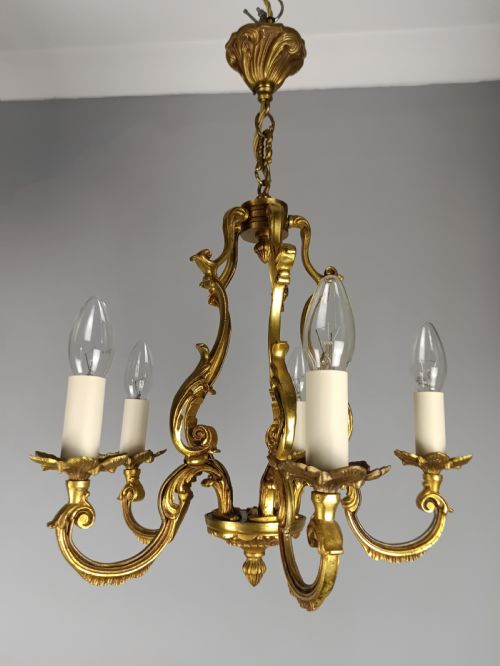
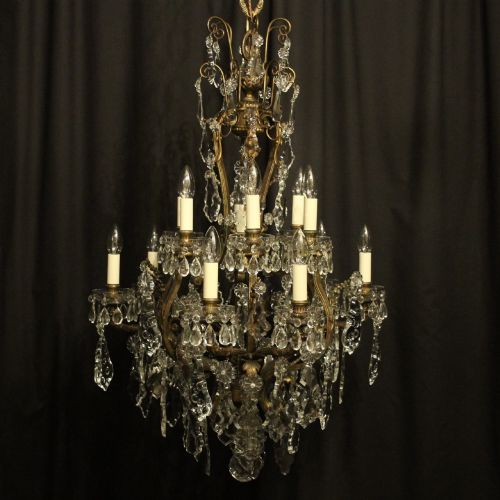
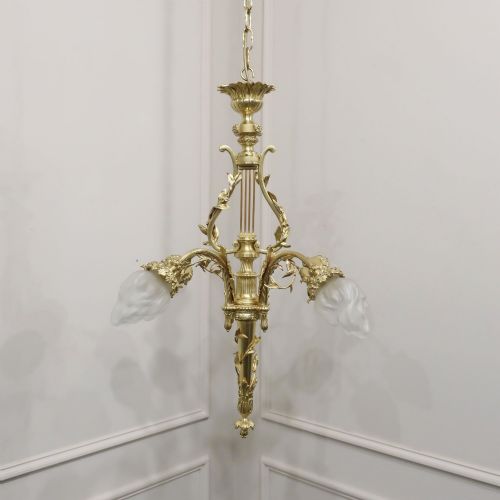
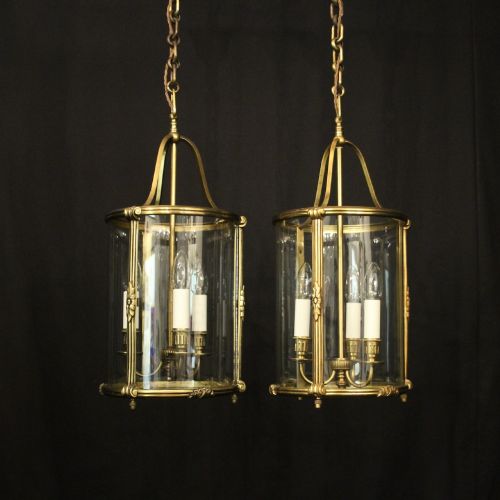
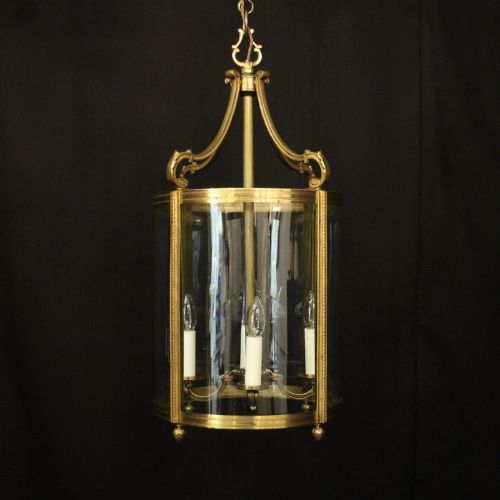
When searching for an ormolu brass pendant light, buyers encounter magnificent French ceiling fixtures spanning from the nineteenth century into the 1930s. These pieces include grand multi-light chandeliers, hall lanterns, and smaller birdcage designs.
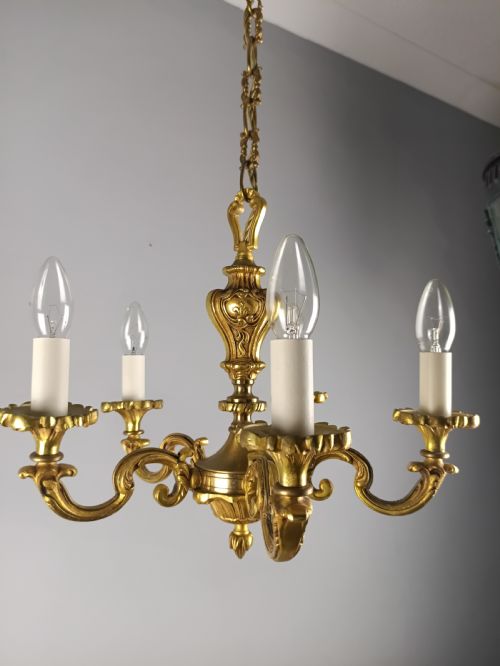
The selection leans heavily towards French production, drawing on styles such as Rococo, Neoclassical, and Empire. Buyers routinely find ornate brass and gilt bronze structures dressed with cut glass drops and crystal pendants.
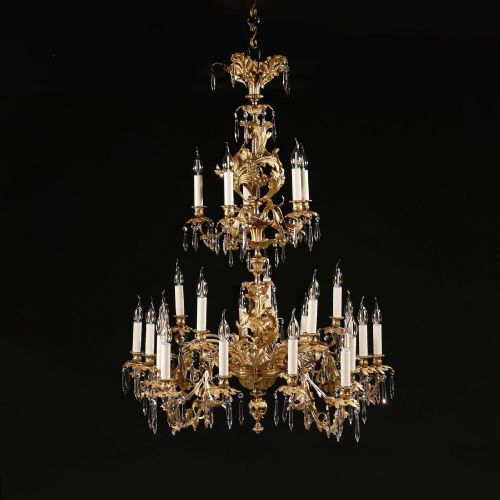
Forms range from compact single-tier chandeliers to massive double-tiered arrangements and hexagonal hall lanterns. Many examples reflect specific historical revivals, echoing the grandeur of French chateaux and the Palace of Versailles.
Materials and construction methods
These lighting fixtures rely on heavy cast brass, gilt bronze, and ormolu frames that provide structural integrity and a rich metallic sheen. Artisans shaped these metals through detailed casting and chasing before applying gilt finishes.
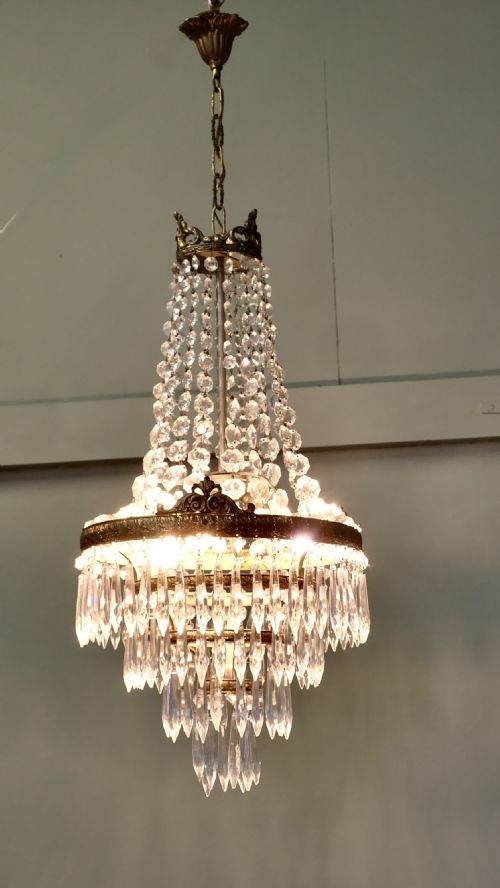
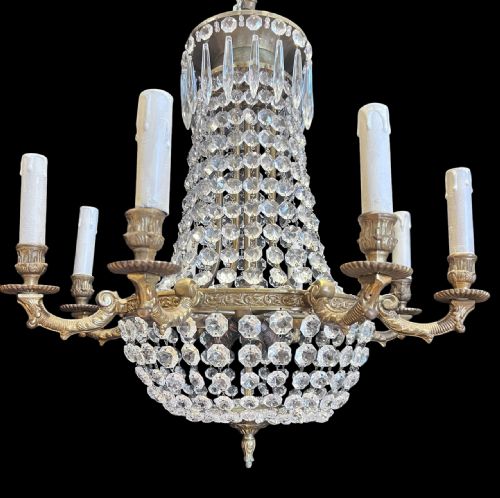
Glass elements form a vital component, utilising cut glass, crystal drops, and bevelled glass panels to refract light across the room. Metal armatures support these glass additions, secured with pins and wires within birdcage or tent-and-waterfall configurations.
Materials appearing across these fixtures include solid brass, gilt bronze, cut glass, and crystal combined within French-influenced designs.
Distinctions in quality and execution
The standard of an ormolu brass pendant light rests largely on the crispness of the metal chasing and the depth of the gilding. Finer examples display sharp relief work on the bronze mounts and substantial cast components rather than thin pressed metal.
The integration of the crystal and cut glass elements also separates different grades of pieces. Superior fixtures employ hand-cut crystal drops with clean facets that catch the light effectively, suspended harmoniously from well-balanced armatures.
The Ormolu Brass Pendant Light Glossary
- Ormolu
- A gilded bronze or brass surface created by applying a gold amalgam to metal. This finish yields a warm, enduring metallic glow.
- Chandelier
- A branched ceiling-mounted lighting fixture designed to hold multiple bulbs or candles. They often incorporate crystal pendants to amplify brightness.
- Hall Lantern
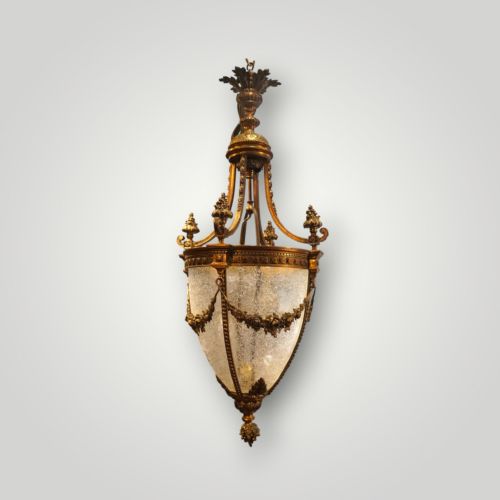
- An enclosed ceiling pendant designed primarily for entranceways and corridors. These pieces frequently feature glass panels secured within a brass or bronze frame.
- Tent and Waterfall
- A specific chandelier silhouette featuring an upper conical tent of crystal beads cascading down to a lower tier of lights. This configuration creates a distinct triangular profile.
- Bevelled Glass
- Glass panes with edges cut and polished at an angle. This technique adds depth and refracts light as it passes through the lantern sides.
Ormolu Brass Pendant Light: Frequently Asked Questions
How do I hang a heavy brass pendant?
Hanging these fixtures requires securing them directly into ceiling joists or using a rated ceiling hook capable of supporting substantial metallic weight. Professional electrical installation ensures the internal wiring safely handles multiple light branches.
Because many examples date from the nineteenth and early twentieth centuries, updating the internal flex or lampholders while retaining the original exterior brass is standard practice.
What rooms suit a gilt bronze lantern?
Hall lanterns and smaller pendant lights suit entrance hallways, landings, and dining spaces where vertical clearance allows the fixture to hang effectively. Their enclosed glass designs work particularly well in transitional spaces.
Larger multi-light chandeliers demand higher ceilings to properly showcase their tiered crystals and branching arms without dominating the living area.
How do I clean antique ormolu and crystal?
Cleaning requires a soft, dry cloth to remove dust from the gilt brass surfaces without disturbing the delicate patination. A mild soapy solution on glass drops helps restore clarity.
Users should avoid harsh chemical polishes on ormolu, as abrasive substances can strip away the historical gilding over time.
How can I tell Empire style from Rococo?
Empire style pieces exhibit classical symmetry, military motifs, and clean architectural lines inspired by ancient Rome. They often feature tent-and-waterfall crystal arrangements and restrained geometric framing.
Rococo style pieces embrace asymmetric scrolls, naturalistic leaf motifs, and flowing organic curves. These fixtures prioritize ornate, exuberant decoration over rigid symmetry.