
French Rococo Bronze Chandelier
A french rococo bronze chandelier brings dramatic scale and intricate ornamentation to a room, driven by flowing asymmetry and rich metallic warmth.
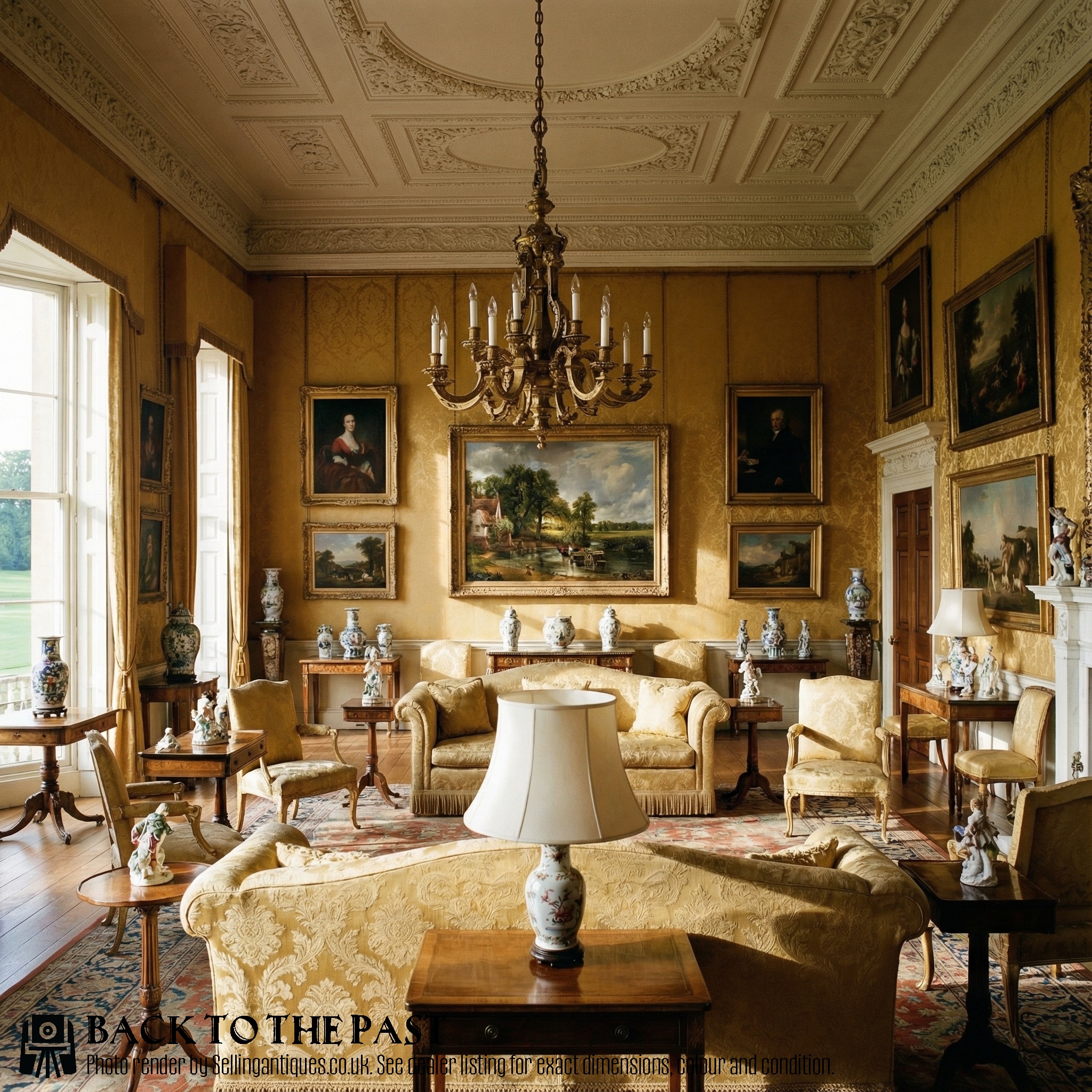
French Rococo Bronze Chandelier
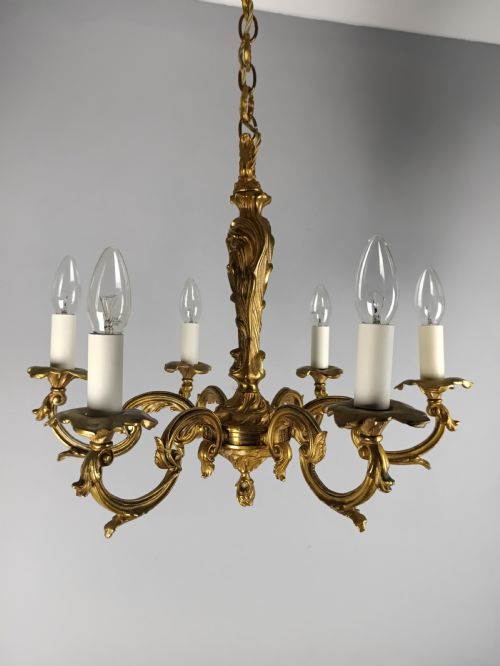
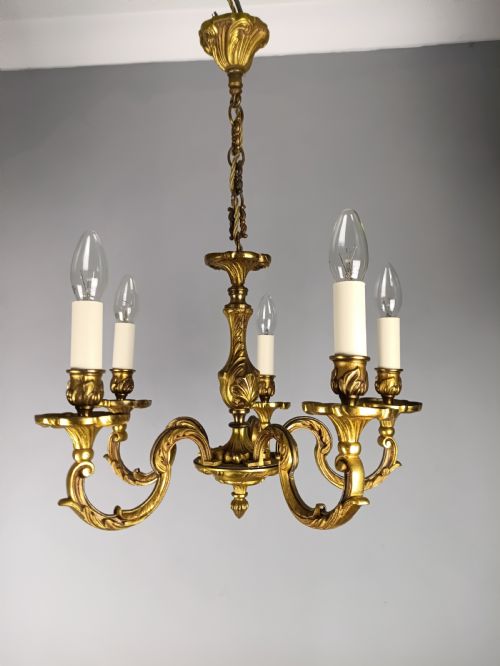
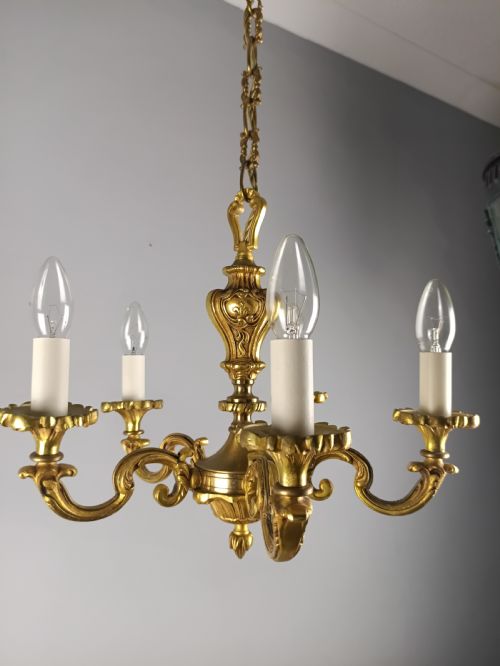
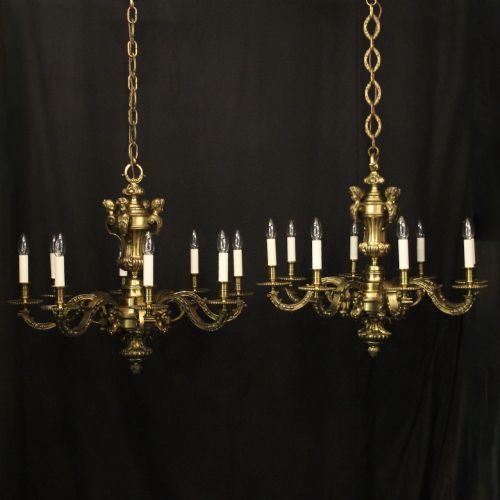
A french rococo bronze chandelier embodies the flamboyant curves, shell motifs, and naturalistic scrollwork characteristic of the Louis XV style and subsequent revivals. Buyers searching this phrase examine hanging light fixtures originating predominantly from the nineteenth and early twentieth centuries, spanning periods from the 1800s through the 1930s.
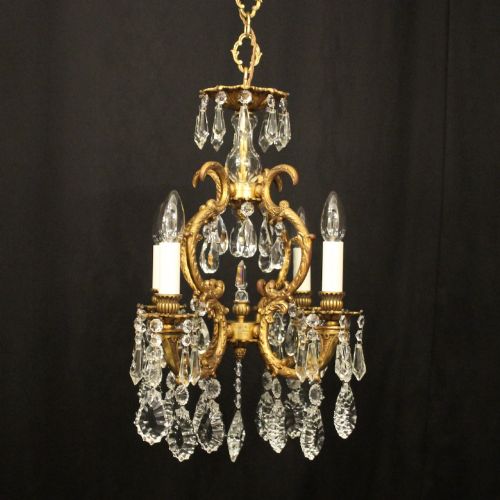
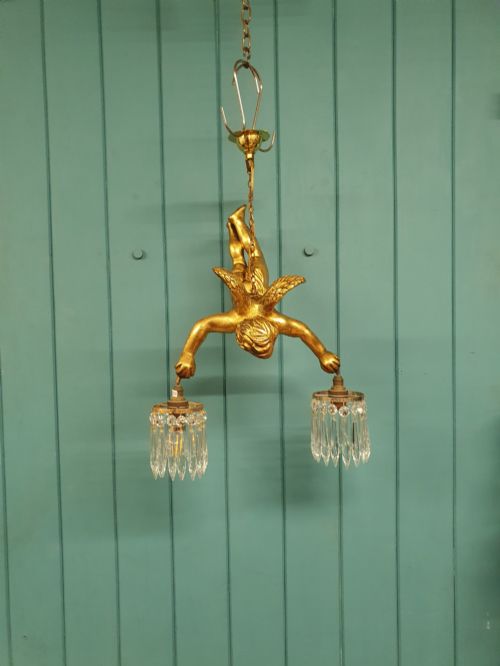
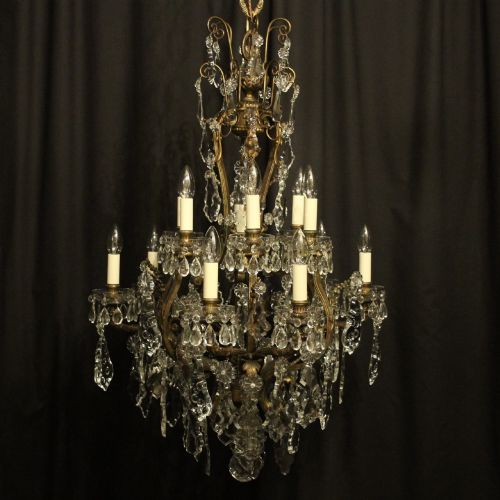
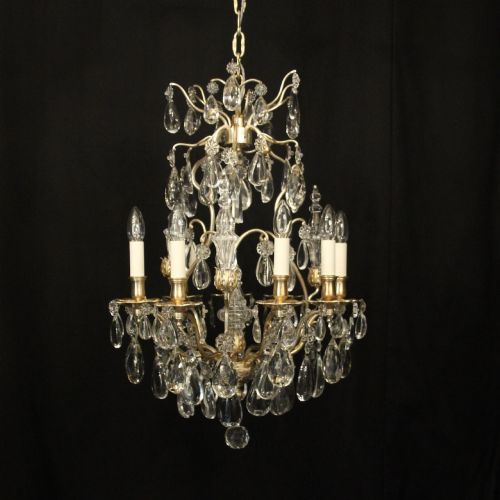
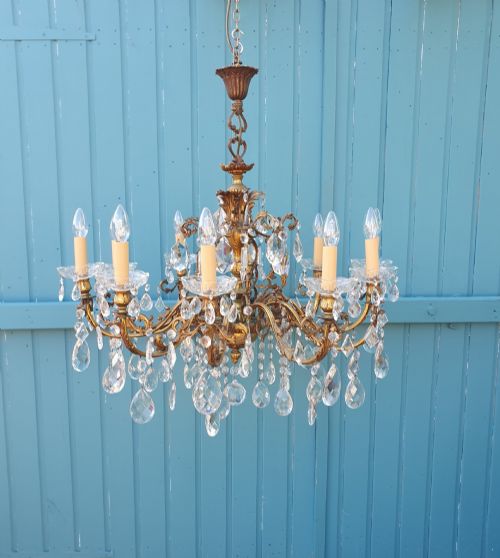
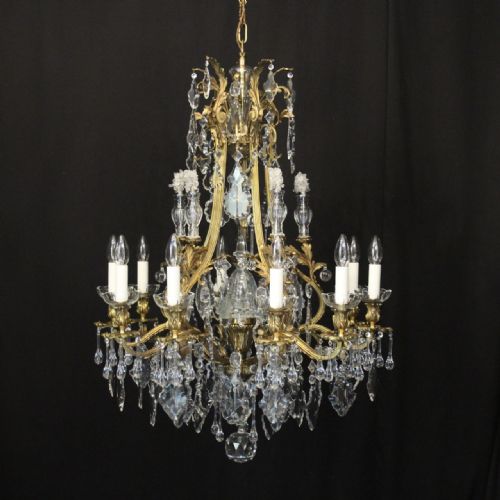
The most common form encountered on this page is the multi-light chandelier outfitted with exposed metal arms, frequently augmented by cascading crystal drops, glass prisms, or birdcage frameworks. Alongside standard central chandeliers, related lighting variants include wall lights, hanging hall lanterns, and pendant ceiling fixtures.
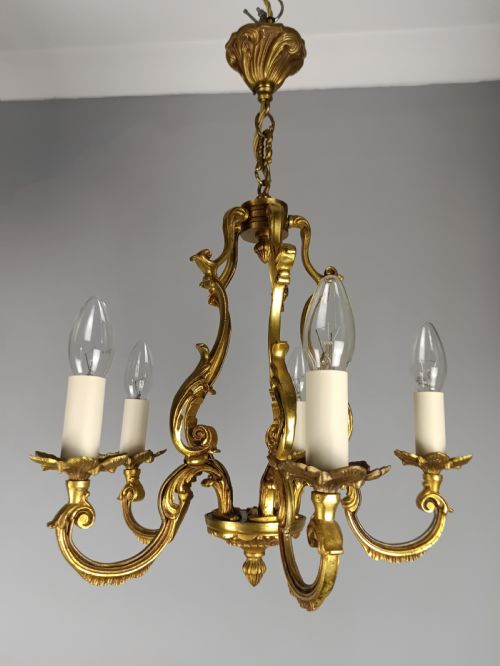
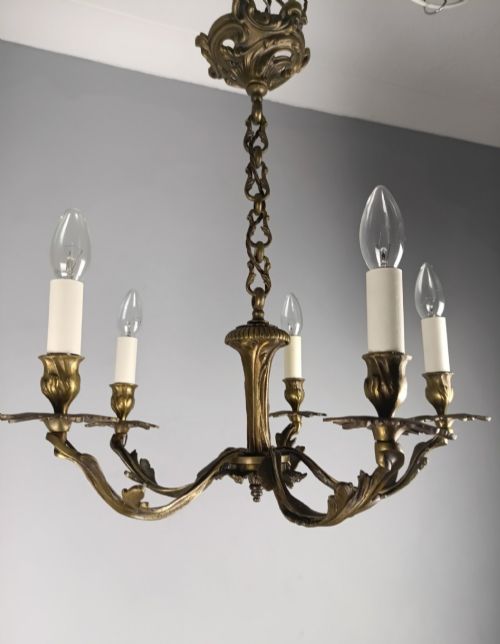
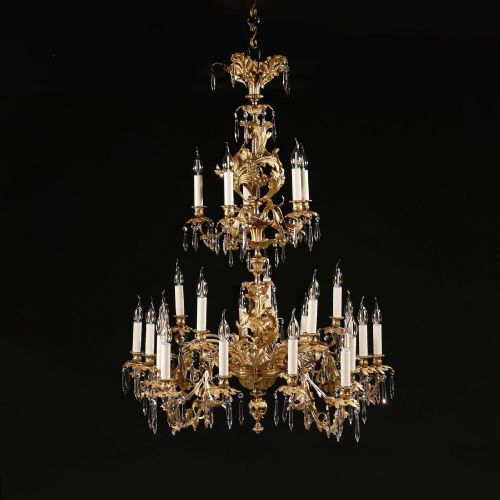
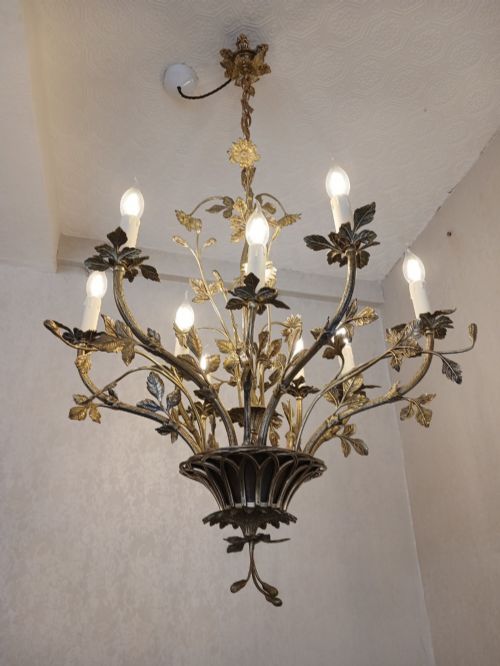
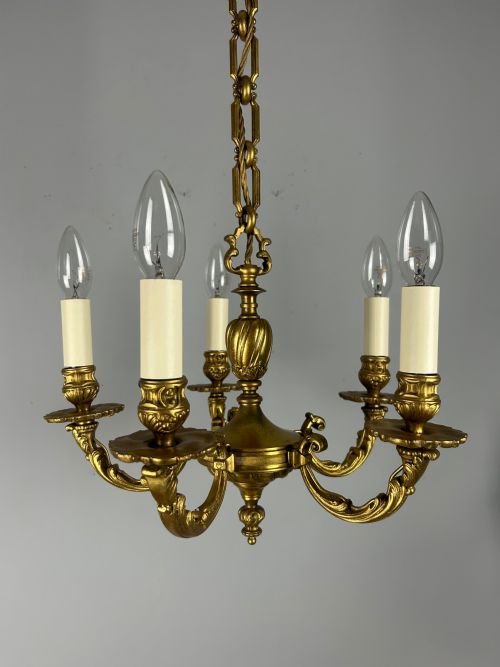
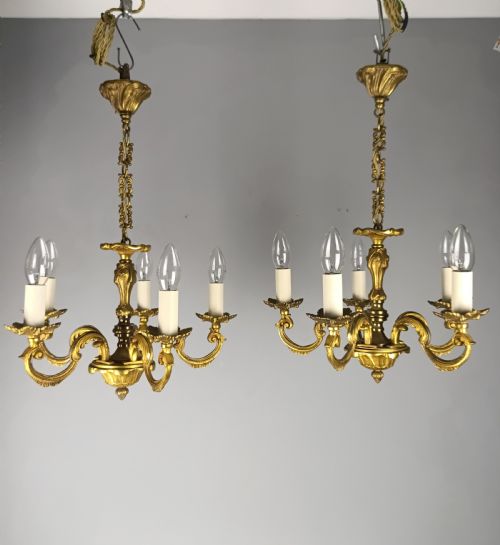
Most examples hail from French workshops utilising bronze, gilt bronze, and gilded brass, though occasional pieces integrate dark bronze or silver gilding. The arm counts vary widely from intimate triple-light configurations up to grand multi-tiered designs holding sixteen or twenty-five lights.
Assessing quality in period lighting
The distinction between tiers of quality rests in the crispness of the metal casting and the depth of the chased surface detail. Superior examples display sharply defined acanthus leaves and scrolls without blurring, whereas lesser pieces exhibit softer contours from worn moulds.
Another factor is the integration and completeness of the crystal elements, where hand-cut glass pendants with precise bevels elevate the piece above those fitted with simple moulded glass drops. The weight and gauge of the bronze armature also dictate structural rigidity and longevity.
Listings span production dates from the 1800s through the 1930s, incorporating materials such as crystal, cut glass, brass, and gilt bronze.
The French Rococo Bronze Chandelier Glossary
- Gilt Bronze
- Bronze that has been coated with a layer of gold or gold leaf to give a bright metallic finish. This technique protects the underlying metal while providing a brilliant reflective surface.
- Rococo Revival
- A nineteenth-century artistic movement that revived the ornate, asymmetrical styles of the mid-eighteenth-century court of Louis XV. It heavily influences the scrollwork and natural motifs found on these chandeliers.
- Birdcage Chandelier
- A lighting form featuring a central skeletal frame resembling an open cage, constructed from metal straps decorated with crystal garlands. This specific silhouette creates an airy, layered vertical presence.
- Cut Glass
- Glass that has been shaped and faceted on a wheel to catch and refract light. These drops hang from the arms to enhance the illumination.
French Rococo Bronze Chandelier: Frequently Asked Questions
How do I hang a heavy bronze chandelier safely?
Heavy cast bronze fixtures require direct attachment to ceiling joists using a rated steel hook and junction box capable of supporting the combined weight of the metal and crystal elements.
Professional installation by an electrician ensures the internal wiring meets current safety standards while properly distributing the load of multi-arm chandeliers.
What is the difference between gilt bronze and gilt brass?
Gilt bronze utilises a copper and tin alloy that accepts fine chasing work and holds sharp detail during the casting process, yielding a heavier and more resonant structure. Gilt brass contains copper and zinc, resulting in a slightly brighter yellow tone and a softer metal body.
Both materials receive surface gilding, but bronze generally indicates a higher tier of period production and durability.
How do I clean crystal drops on an antique chandelier?
Crystal drops should be cleaned in place using a specialised spray solution and a soft cloth to avoid disturbing the hanging wire connections. Alternatively, individual prisms can be gently unhooked, washed in lukewarm water with mild soap, dried thoroughly, and rehung.
Harsh chemical cleaners or abrasive pads must be avoided to protect both the glass facets and the surrounding metal gilding.
How do I date an antique chandelier?
Dating relies on examining the casting techniques, fastening methods, and electrical wiring components if present. Nineteenth-century examples often feature hand-threaded screws, heavy sand-cast bronze components, and later conversion wiring, whereas early twentieth-century pieces may display standardised machine threading.
Stylistic cues such as the specific interpretation of Louis XV scrollwork also help narrow the decade of manufacture.