

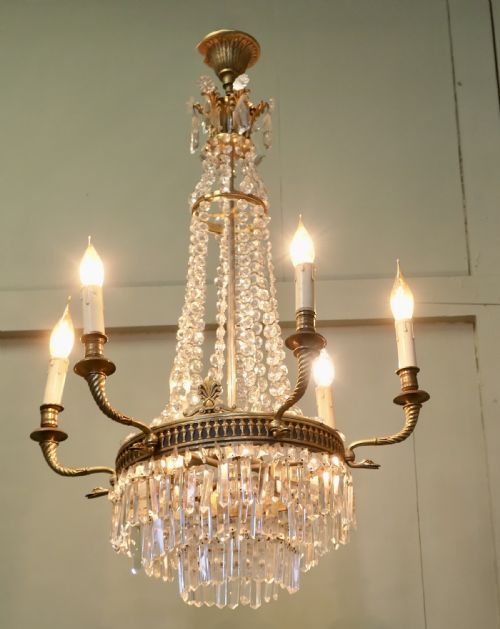
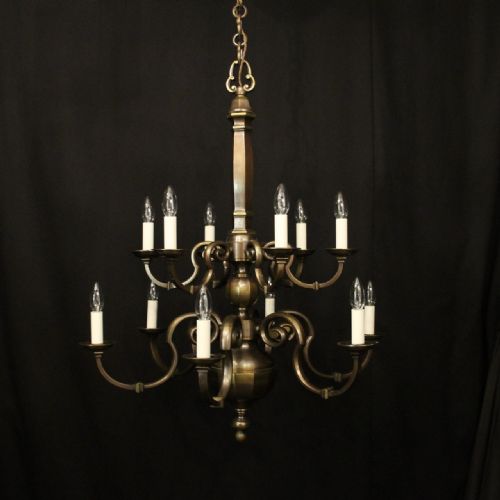
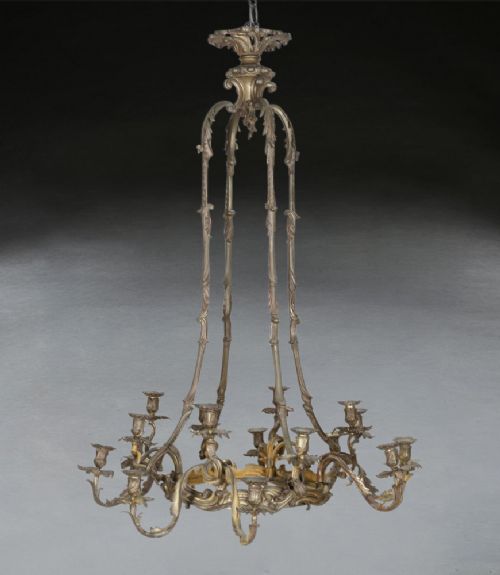


Large Bronze Chandelier
A large bronze chandelier dominates a room through sheer scale and presence, bringing commanding illumination and period character to high ceilings.
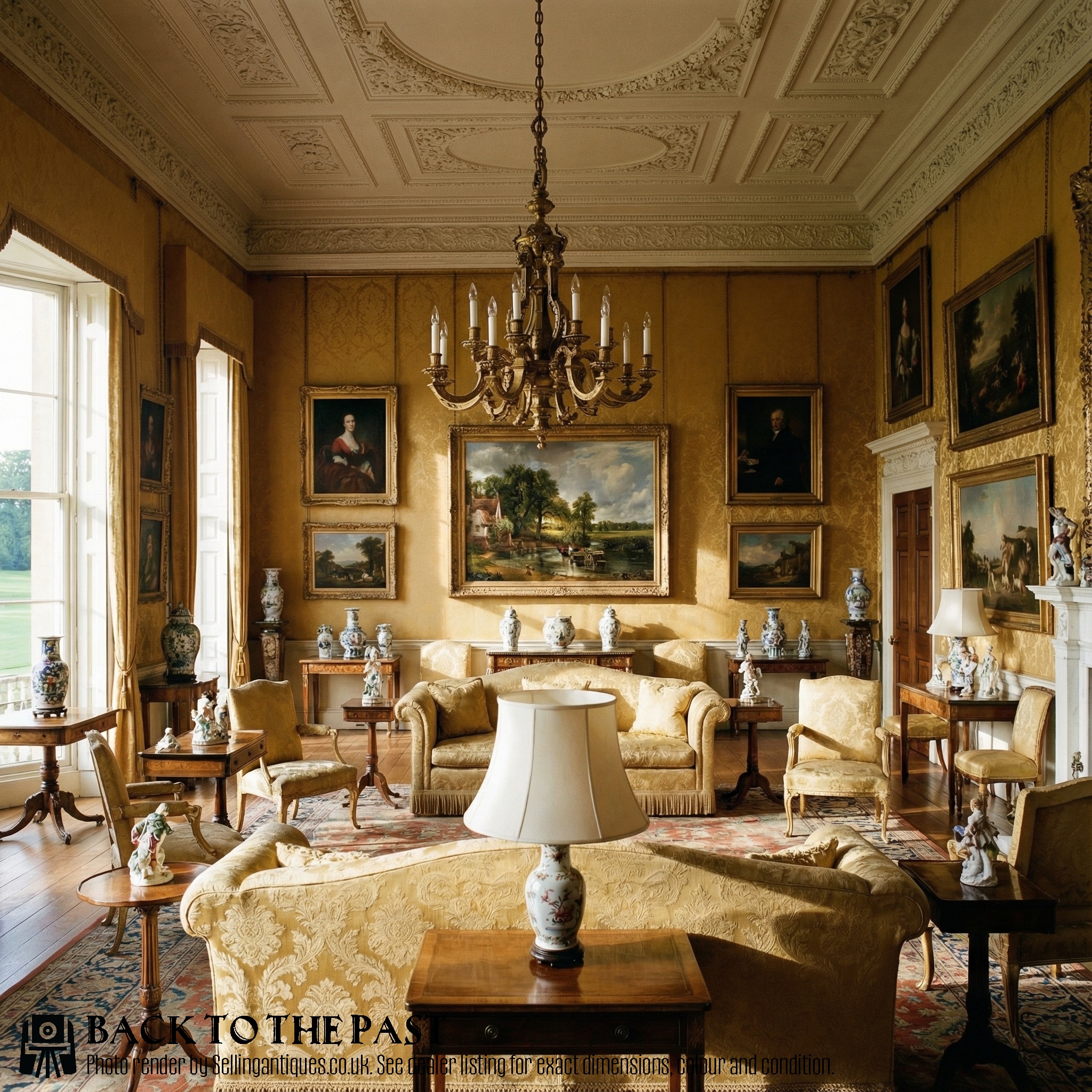
Large Bronze Chandelier
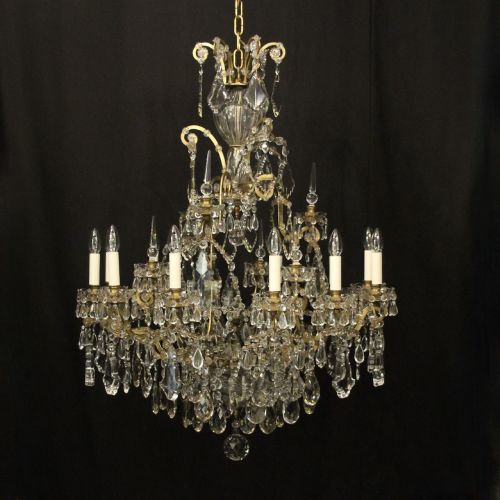
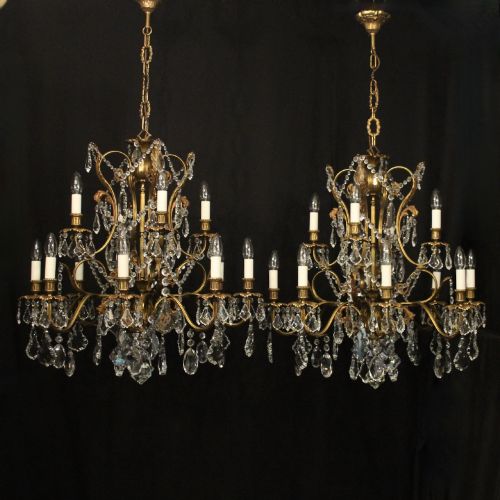
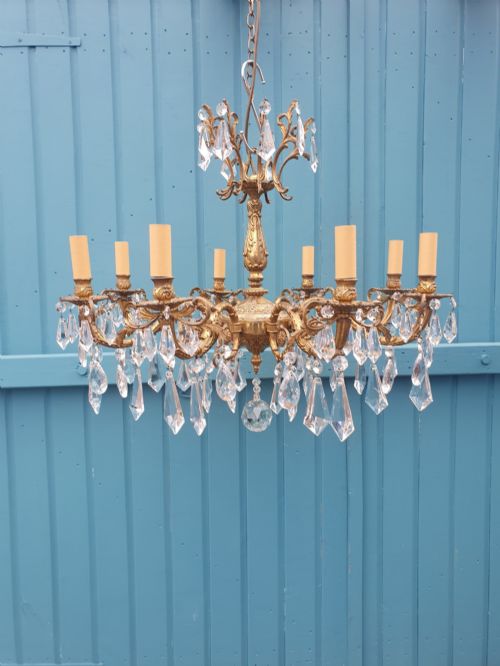
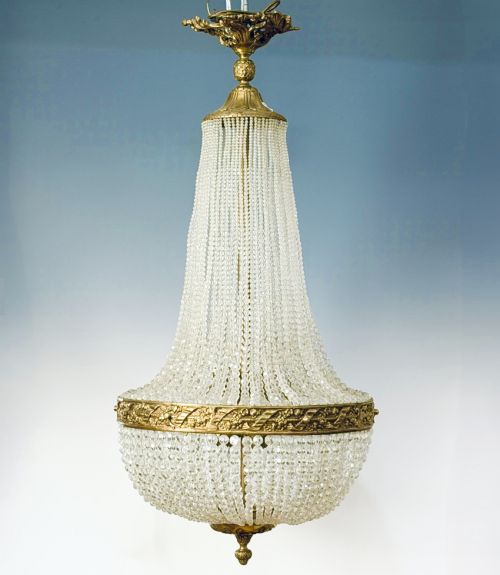
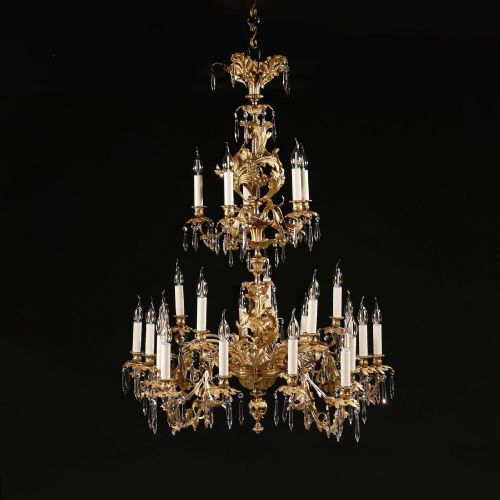
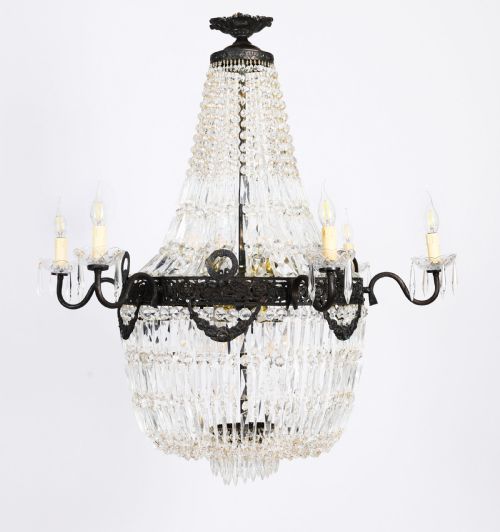
A large bronze chandelier provides substantial overhead lighting, frequently taking the form of multi-tiered structures or expansive candelabras designed for generous spaces. When seeking a large bronze chandelier, buyers frequently encounter French models decorated with crystal drops, alongside English and Italian variants.
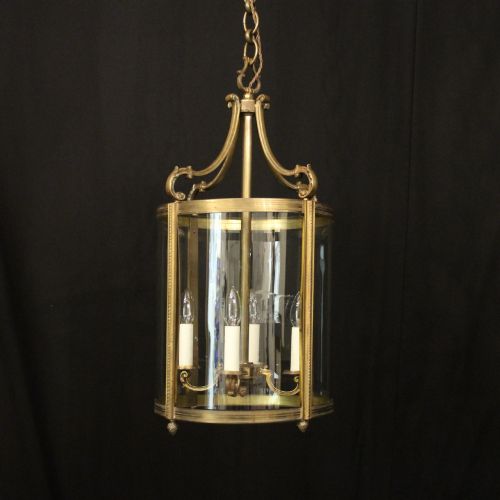
The selections span from nineteenth-century gasoliers and nineteenth-century designs to pieces from the nineteen-twenties, incorporating styles such as French Empire, Louis Revival, and Victorian Gothic. Hall lanterns and ceiling lights also appear alongside conventional chandeliers, offering alternative overhead configurations.
Distinctions in craftsmanship and design
The refinement of the casting and chasing separates standard production from superior work, determining the crispness of foliage, figural details, and structural mounts. Finishes also distinguish the pieces, with deep fire gilding or heavy silver gilt retaining its lustre more successfully than simple surface paint or degraded plating.
The integration of crystal elements dictates visual impact, where hand-cut glass prisms and complex tent formations create superior light dispersion compared to machine-pressed pendants. Proportion and balance in multi-tiered frames ensure the fixture reads as a cohesive architectural element rather than an assemblage of parts.
Large Bronze Chandelier Retail Price Guide 2026
Typical asking prices for large bronze chandelier among the pieces listed under this phrase on Sellingantiques today, from the lower quarter to the upper quarter. They describe what is for sale here now, not the wider market.
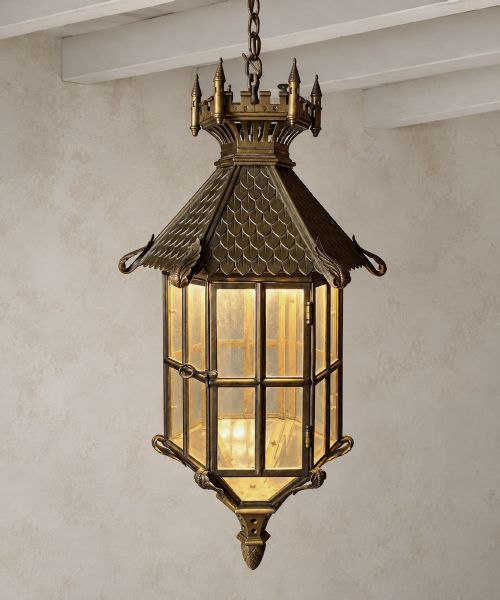
One extraordinary nineteenth-century hall lantern carries the tangible memory of flickering candlelight before conversion to gas and electricity.
The Large Bronze Chandelier Glossary
- Bronze
- An alloy consisting primarily of copper and tin, utilised for structural strength and durability in heavy lighting frames. It accepts various chemical patinations and gilding techniques.
- Ormolu
- A term applied to gilded bronze, where a layer of gold amalgam is fired onto the bronze base to produce a rich metallic lustre. It was widely employed in French decorative arts.
- Tent and waterfall
- A configuration where strings of crystal beads form an upper tent shape above a tier of cascading drops and pendants. This arrangement maximises light refraction across the room.
- Gasolier
- A multi-branch lighting fixture originally engineered to burn piped gas before conversion to electricity. These pieces often retain characteristic gas keys and heavy central stems.
- Hall lantern
- An enclosed ceiling fixture featuring glazed panels held within a metal framework, designed for entranceways and corridors. They appear frequently in both bronze and gilded metal.
Large Bronze Chandelier: Frequently Asked Questions
How do I clean a large bronze chandelier?
Dust the metal framework and crystal components regularly using a soft, dry feather duster or microfibre cloth. Avoid harsh chemical cleaners that can strip historic gilding or damage the bronze patina.
For deeper cleaning, remove accessible crystal drops and wash them in lukewarm water with mild soap, ensuring every piece is completely dried before reattachment.
How do I determine the correct size for my room?
Measure the room's length and width in feet, add those numbers together, and convert the total to inches to find a suitable diameter for the fixture. Ceiling height is equally critical, as these multi-tiered chandeliers require adequate vertical clearance to hang safely above foot traffic.
Consider the visual weight of the furniture below to ensure the chandelier commands the space without overwhelming it.
What is the difference between bronze and gilt metal?
Bronze is a durable copper alloy that forms the structural core of high-end antique lighting, capable of holding sharp cast details and deep patination. Gilt metal typically uses a base metal like iron or brass with a superficial gold-coloured coating applied to mimic finer material.
Examining the weight, magnetism, and wear points usually reveals whether a piece is solid bronze or a secondary metal.