
Ormolu Brass Clock
When you handle an ormolu brass clock, you meet a piece of nineteenth-century craftsmanship that brings heavy gilded metal and precise mechanical timekeeping into a room.
Ormolu Brass Clock
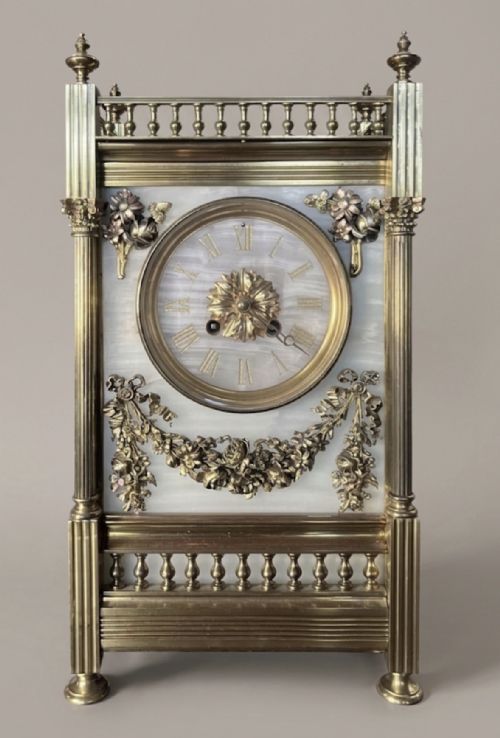
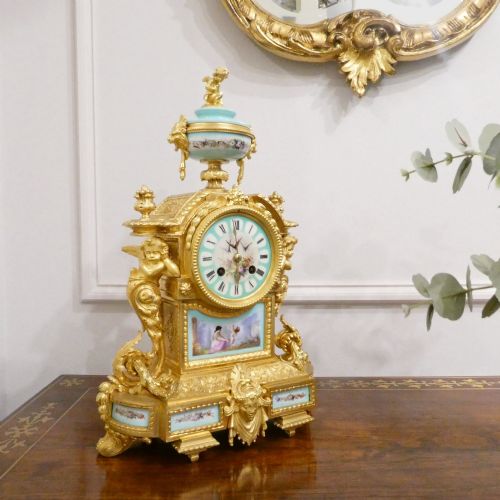
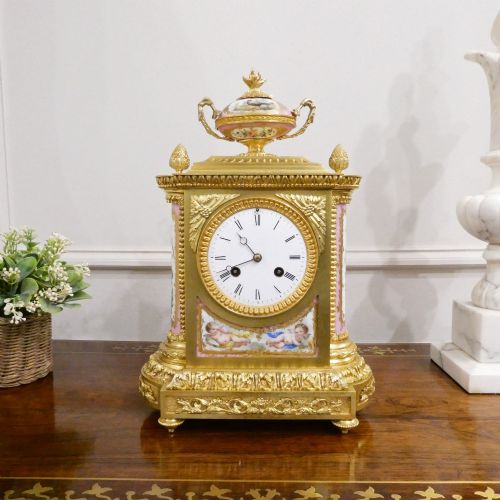
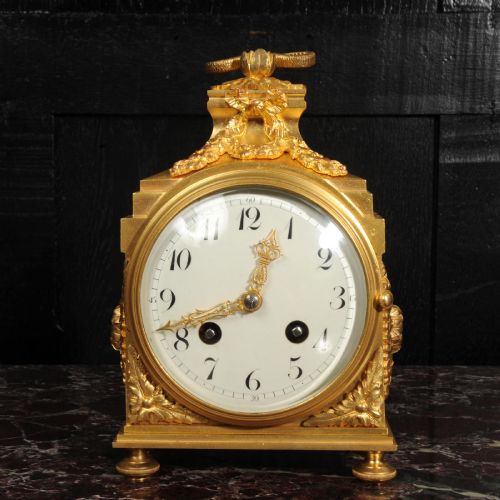
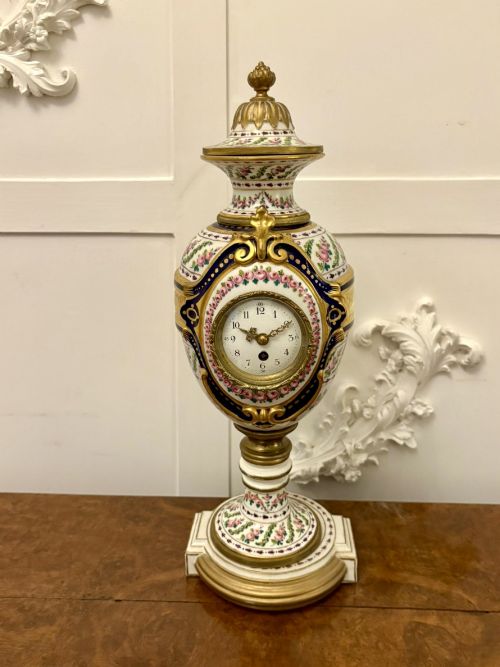
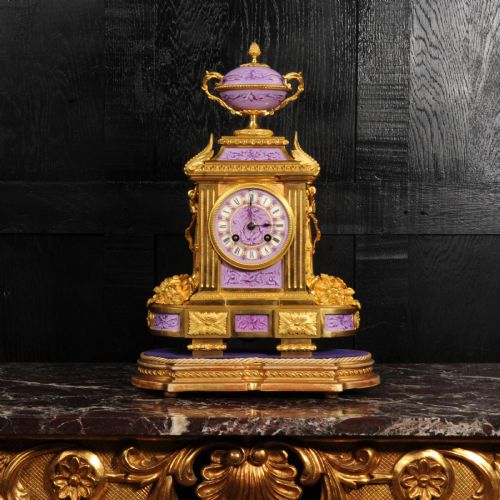
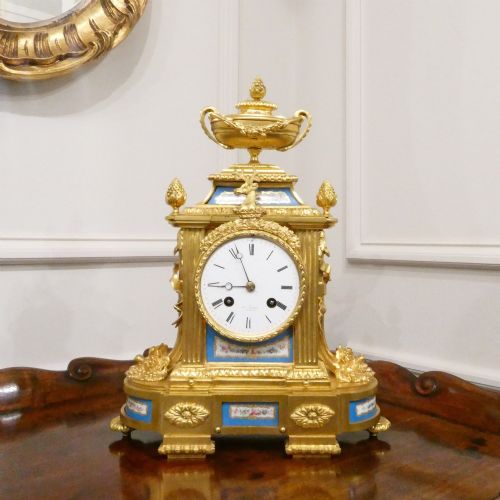
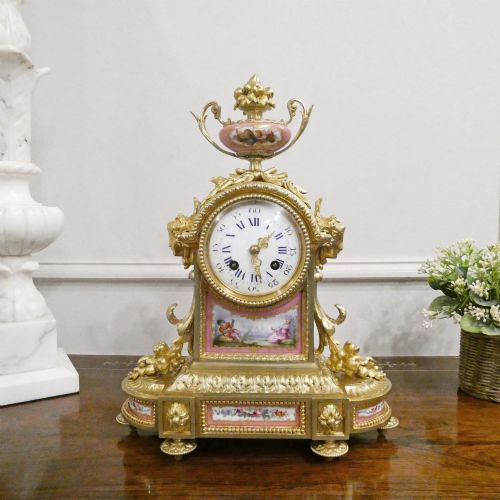
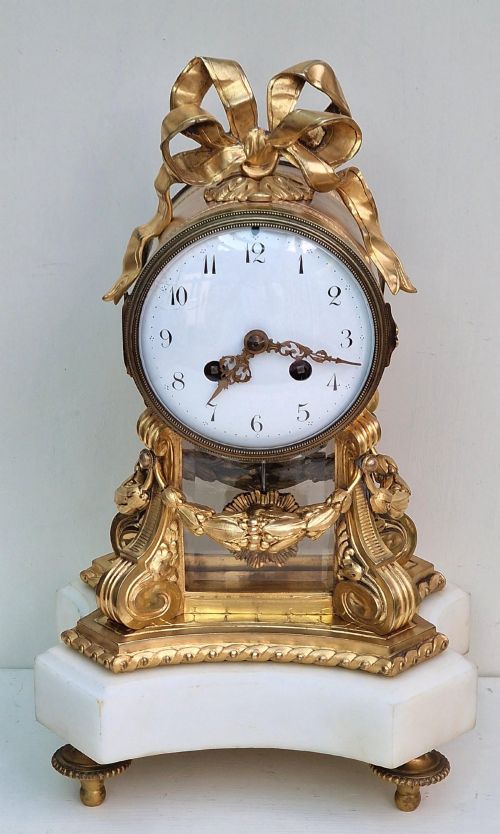
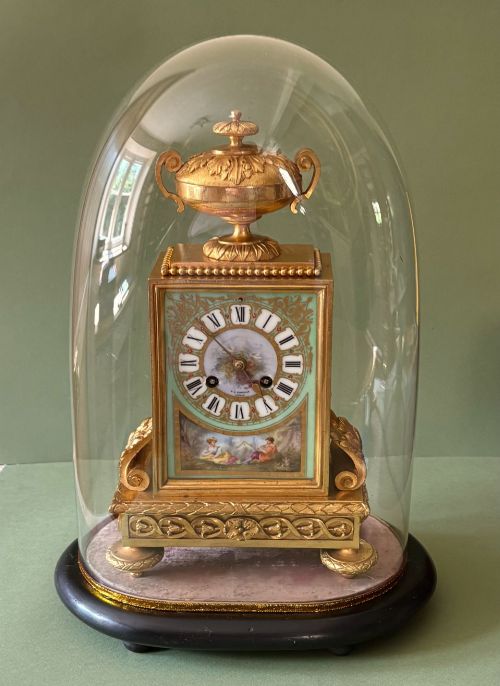
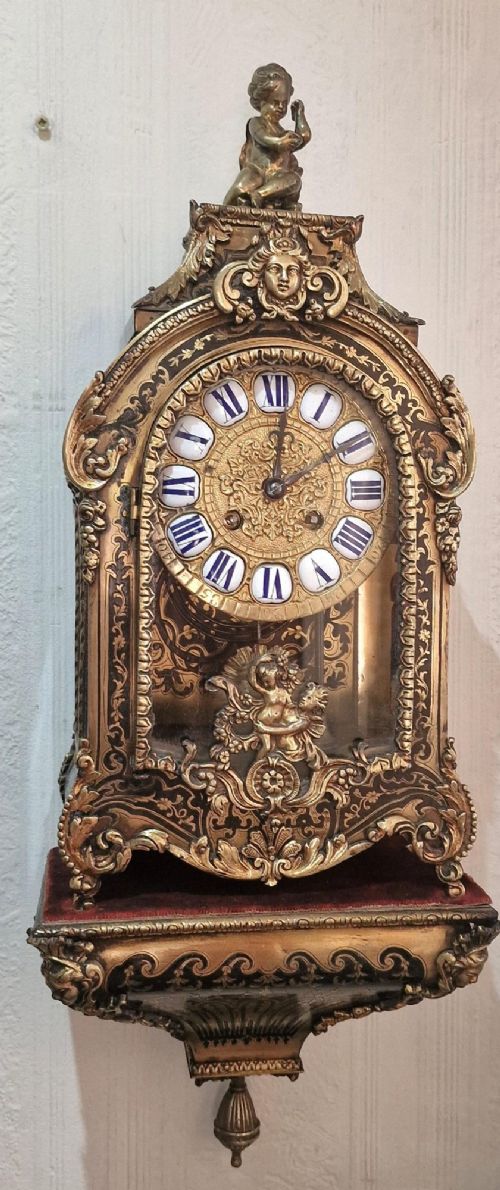
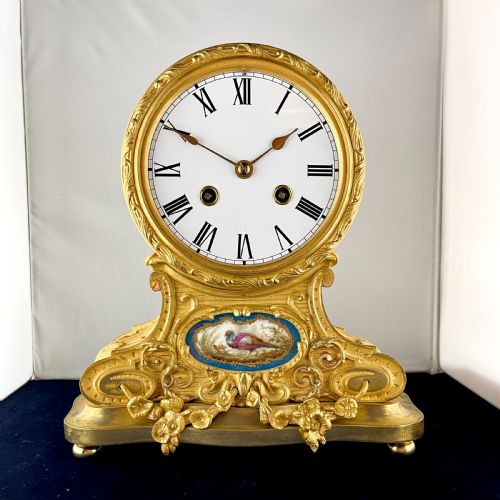
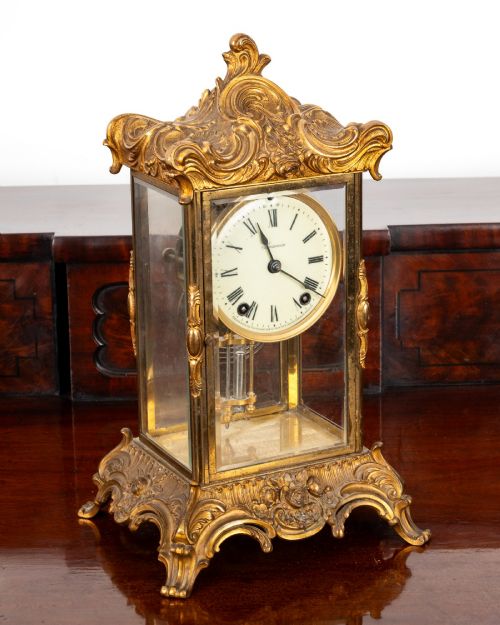
An ormolu brass clock sits on a mantelpiece or bracket table, combining cast metal mounts with enamel, porcelain, or marble to mark the hours. These objects emerge predominantly from nineteenth-century French workshops, spanning styles from Regency and Empire to Rococo and Louis XVI revivals.
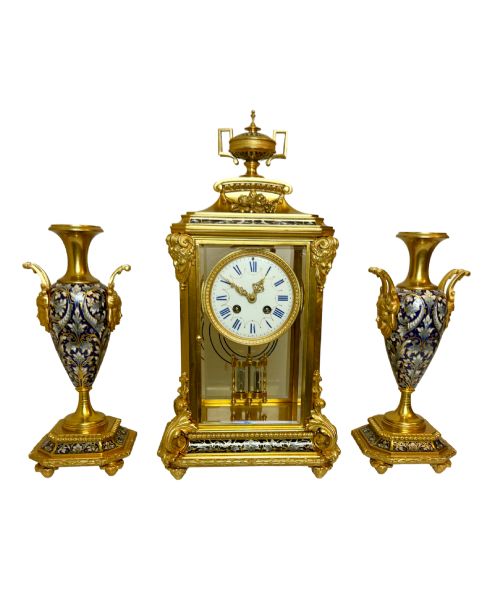
The form stretches from simple drumhead and portico designs to large clock garniture sets complete with candelabra or urns. You will most frequently encounter mantel clocks and matching garnitures decorated with elaborate gilt bronze, champlevé enamel, and hand-painted porcelain panels.
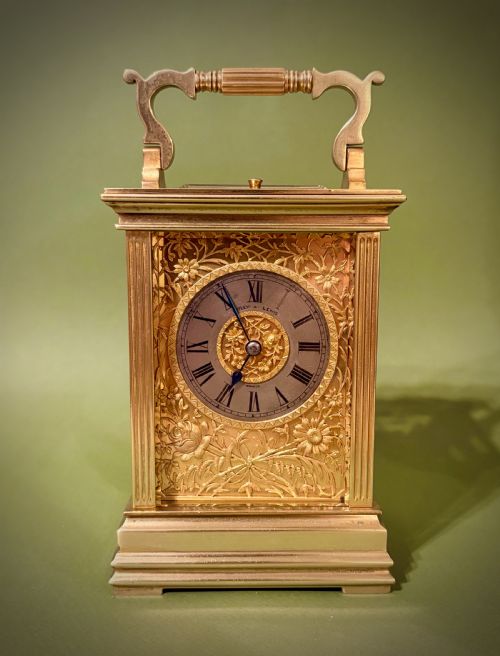
Makers across France and England, including Paris houses and provincial horologists, produced these pieces for domestic interiors where timekeeping met decorative display. The surviving selection ranges from compact carriage clocks to substantial architectural cases housing eight-day movements.
How they were made
Foundry workers cast brass and bronze components before applying mercury gilding or modern electroplating to create the characteristic ormolu surface. Artisans chased the cooled metal by hand to sharpen the leaf scrolls, floral garlands, and figural motifs.
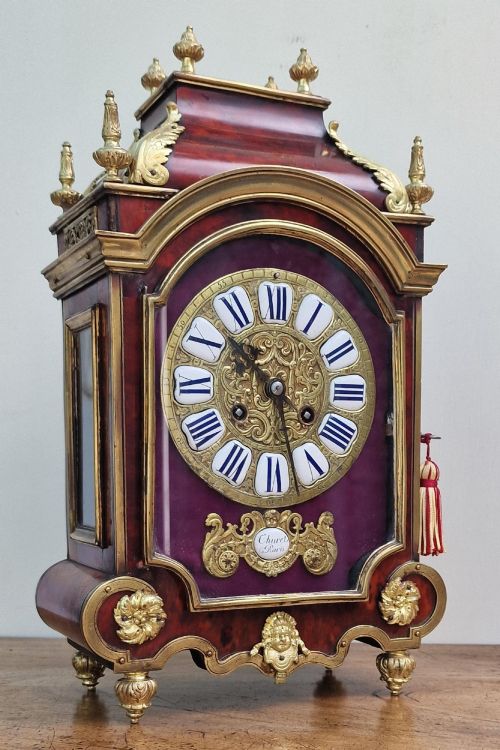
Clockmakers fitted mechanical brass movements, often striking or repeating mechanisms, behind dials made of white enamel or painted porcelain. Cases integrated disparate materials such as tortoiseshell Boulle marquetry, white marble, and glass panels into unified architectural structures.
Some nineteenth-century French clockmakers hid miniature painted scenes behind tiny dial doors, giving timekeepers secret portraits to admire.
What varies in quality
The crispness of the bronze chasing dictates the visual success of the piece, separating deep, hand-tooled leaf work from soft, shallow casting. The weight and finish of the ormolu surface reveal whether the mercury gilding retains its rich warmth or has worn flat through aggressive cleaning.
Movement quality is tied to the reputation of the maker inscribed on the backplate or dial, alongside the complexity of the striking train and the inclusion of signed miniatures or Sèvres porcelain plaques. Integrated garniture sets show higher execution when the candelabra match the central clock case in material and patination.
Achille Brocot·Henry Marc·Japy Freres·Thuret·Baetens London·Canaillor·Etienne Lenoir·Rodier·Le Roy·Schneckenburger·Delettrez·Viner
The Ormolu Brass Clock Glossary
- Ormolu
- A method of applying finely ground high-carat gold to a bronze object, or the resulting golden surface itself. It gives nineteenth-century French clock cases their distinct warm lustre.
- Boulle
- A form of marquetry using tortoiseshell and brass inlay developed in France. It frequently adorns the wooden cases that support ormolu mounts on Victorian mantel clocks.
- Garniture
- A set consisting of a central clock flanked by matching decorative objects such as urns or candelabra. These sets created a balanced arrangement for nineteenth-century mantelpieces.
- Champlevé
- An enamelling technique where troughs are dug into a metal surface, filled with vitreous enamel, and fired. It appears frequently on late nineteenth-century clock dials and bezels.
- Pendule d'Officier
- A portable military-style timepiece with a flat top and carrying handle, often housed in a brass or ormolu case. These French clocks were made for officers on campaign.
Ormolu Brass Clock: Frequently Asked Questions
How do I wind an antique ormolu clock?
Use the matching key provided with the movement to turn the winding squares clockwise or counter-clockwise depending on the train. Take care not to overwind the mainsprings, stopping as soon as you feel firm resistance.
Move the minute hand slowly when setting the time, and avoid turning hands backwards past striking points unless the mechanism specifically allows it.
What is a clock garniture set?
A clock garniture set pairs a central mantel clock with matching side pieces, usually a pair of candelabra or decorative urns. These sets were designed to sit together on a fireplace mantel to create a balanced decorative scheme.
Materials match across the entire set, combining ormolu mounts, marble bases, and porcelain panels to tie the room's interior together.
How do I tell Louis XVI style from Rococo?
Louis XVI style clocks rely on symmetry, straight architectural lines, urns, and neoclassical swags. You will spot classical columns, rectangular marble bases, and restrained geometric ormolu mounts.
French Rococo design abandons symmetry in favour of C-scrolls, asymmetric shell motifs, flowing foliage, and dramatic curves. The bronze work on Rococo pieces appears much more fluid and organic.
Can these clocks be repaired if they stop working?
Professional horologists can dismantle, clean, and repair nineteenth-century mechanical movements. Most brass movements constructed by makers like Japy Freres or individual Parisian clockmakers use standard gear trains that respond well to servicing.
Finding a specialist familiar with French suspension springs and striking trains ensures the clock keeps accurate time without damaging original components.