
Ormolu Brass Candlesticks
Ormolu brass candlesticks bring weight and warm metallic gleam to a room, shifting gracefully between French Empire, Rococo Revival, and Neoclassical styles.
Ormolu Brass Candlesticks
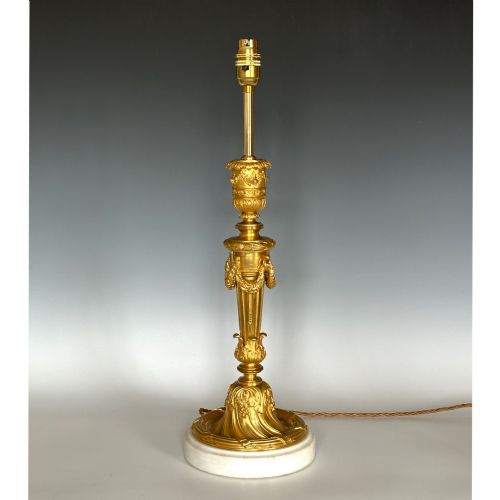
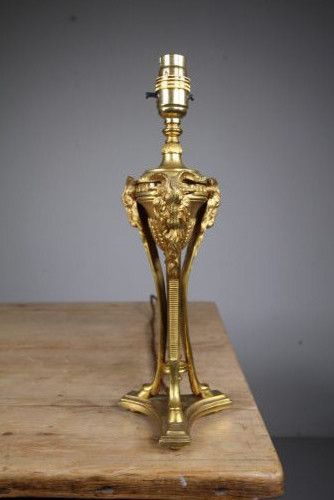
When you search for ormolu brass candlesticks, you encounter weighted metal shafts designed to hold candles securely or adapted later into electric table lamps. These pieces span from the mid-eighteenth century through the nineteenth century, reflecting periods such as Regency, Louis XVI, and Victorian design.
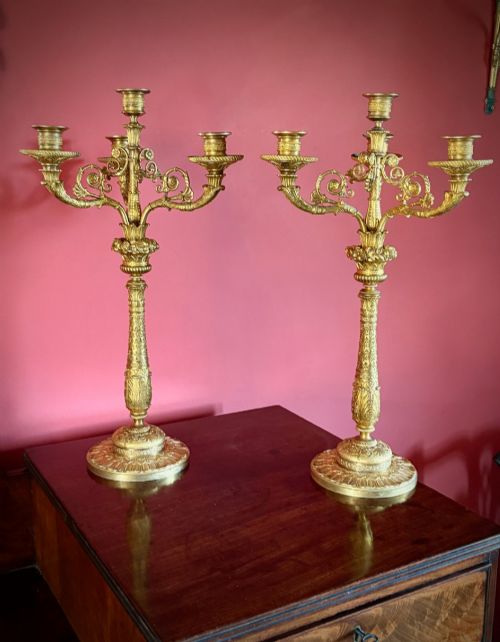
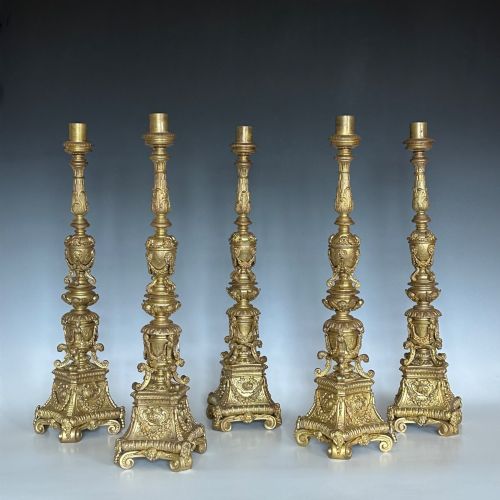
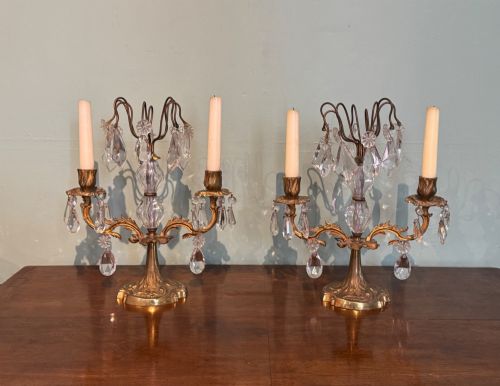
You are most likely to meet pairs of matching pieces on this page, often cast in bronze or brass with gilt surfaces. Many examples incorporate multi-branched candelabra formats or pair metalwork with contrasting materials like marble and onyx.
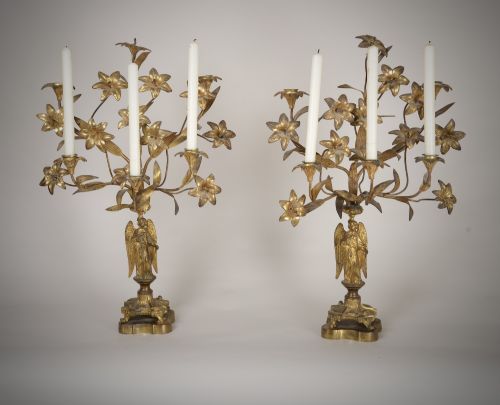
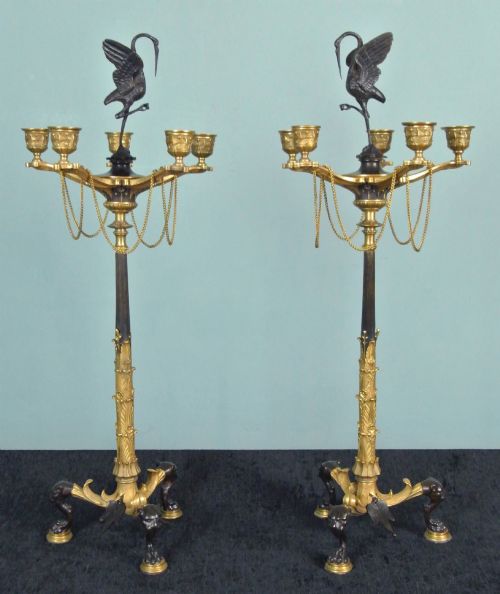
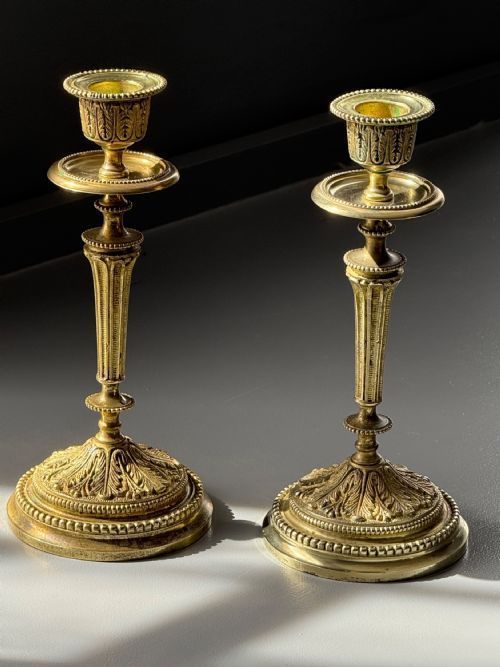
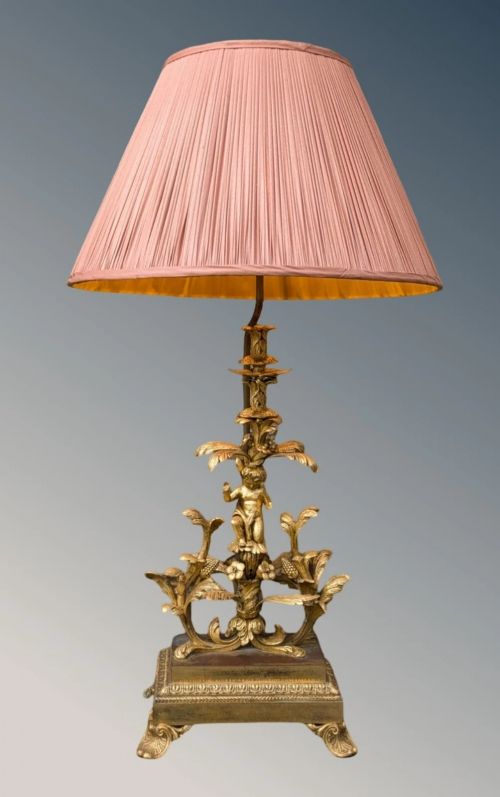
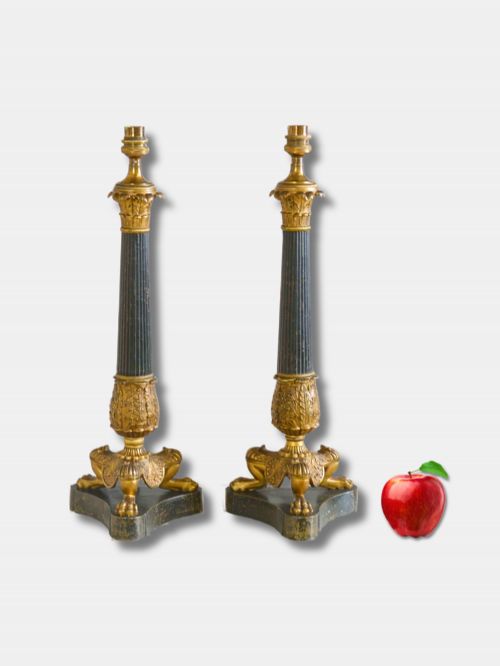
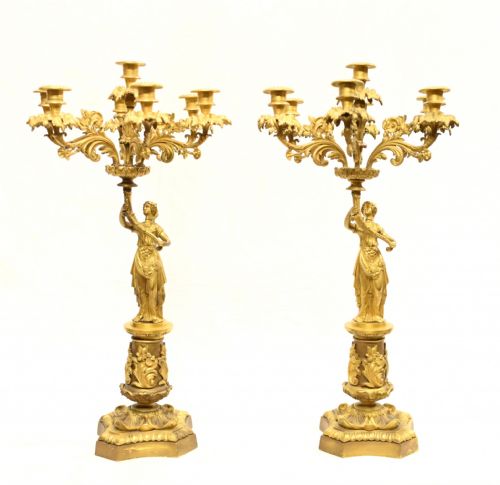
Origins lean heavily toward French workshops influenced by Empire and Rococo styles, alongside English and Swedish interpretations. Forms range from simple column candlesticks to elaborate figural designs featuring maidens, cherubs, and animal paw feet.
How they were made
Makers utilised cast bronze and brass as the primary structural metals, shaping them through detailed mould work and chasing. Ormolu surfaces gained their rich, gold-coloured finish through mercury gilding, a hazardous historical technique involving an amalgam of gold and mercury applied to the base metal.
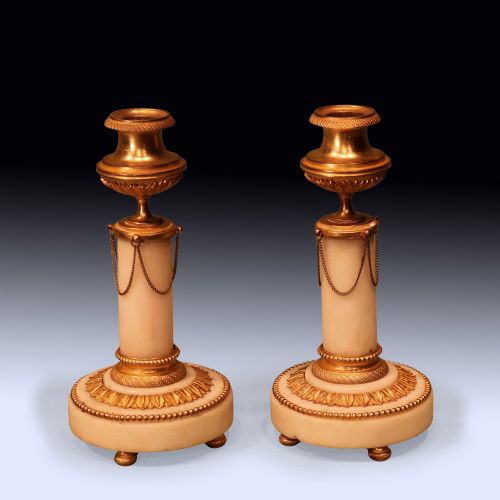
Many items integrate secondary materials into the composition, pairing gilt metal with white marble bases, onyx plinths, or cut glass elements. Patinated bronze frequently appears alongside bright ormolu highlights to create tonal contrast on figurative components.
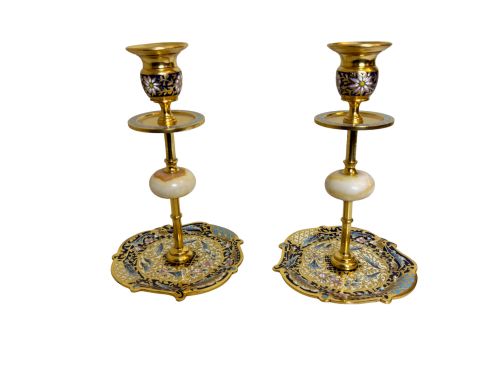
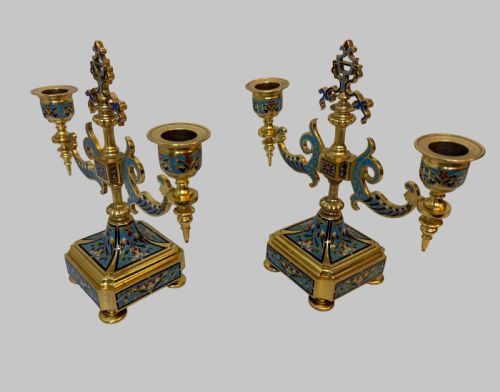
Construction methods rely on threaded central rods and screws to hold heavy multi-part castings securely together. Champlevé enamel work also appears on select nineteenth-century examples, adding colourful geometric patterns directly into recessed metal channels.
Listings feature items spanning the eighteenth through the early twentieth centuries, crossing Regency, Victorian, and Louis XVI design movements.
What varies in quality
Quality rests significantly on the crispness of the chasing and the depth of the metal casting. Superior pieces retain sharp details in hair, drapery, and acanthus leaves, whereas lesser examples present softened, worn surfaces from excessive cleaning or poor initial moulds.
The preservation of the original mercury gilding dictates much of the visual appeal. Rich, matte ormolu finishes with high gold content contrast markedly with dull, uniformly shiny replacements or areas where the base brass shows through.
Material integration also separates standard production from exceptional work. Fine items employ heavy, unblemished marble or onyx plinths fitted flush with solid bronze mounts, while simpler versions rely on lighter gauge brass and hollow constructions.
Barbedienne
The Ormolu Brass Candlesticks Glossary
- Ormolu
- A method of applying finely ground gold in a mercury amalgam to a bronze base, creating a rich golden surface. The process was largely restricted after health regulations changed in the nineteenth century.
- Candelabra
- A branched lighting fixture designed to hold multiple candles simultaneously. These often feature removable arms to convert the piece into a standard single candlestick.
- Champlevé
- An enamelling technique where troughs are dug into a metal surface and filled with vitreous paste before firing. This adds colourful decorative bands to nineteenth-century shafts.
- Lustre
- A candlestick or candelabra hung with cut glass prisms or pendants that refract candlelight. They became particularly popular during the Georgian and Victorian periods.
- Patinated bronze
- Metal that has been treated with chemical solutions to darken its surface tone. It creates a dark contrast against bright ormolu sections.
Ormolu Brass Candlesticks: Frequently Asked Questions
Were these electrified later?
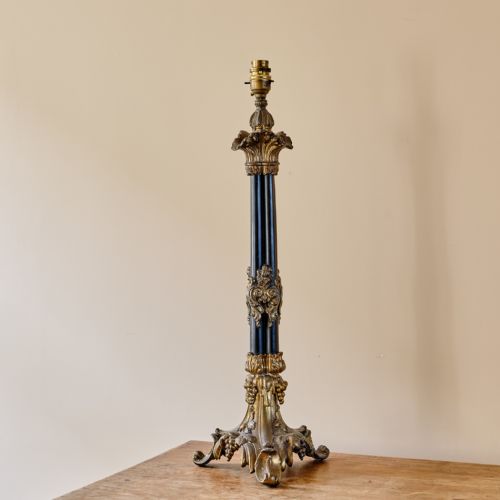
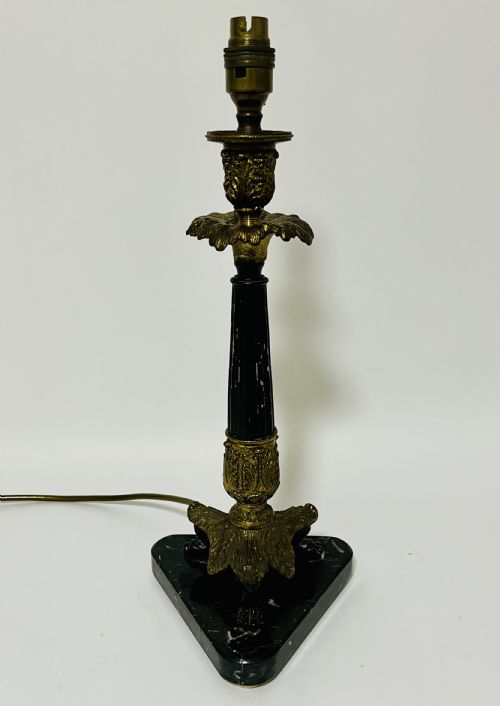
Many nineteenth-century candlesticks and candelabra were converted into table lamps during the twentieth century to suit modern domestic lighting needs. Wires are typically threaded through the central column or run externally.
Some conversions were executed without drilling the original metal structure, preserving the integrity of the piece. Check the base and underside to understand how the wiring was integrated.
How can I tell French Empire from Rococo Revival?
French Empire pieces display strict symmetry, military motifs, classical columns, and references to antiquity. The lines are controlled and architectural.
By contrast, Rococo Revival pieces embrace asymmetrical curves, scrolling foliage, and organic motifs like shells and flowers. The forms feel fluid and dynamic rather than rigid.
What is a Grand Tour piece?
Grand Tour items were acquired by wealthy travellers visiting cultural sites in Italy and France during the nineteenth century. They often miniaturised classical architecture or sculptural forms in bronze.
These souvenirs capture the prevailing fascination with classical antiquity. They serve as portable reminders of European travel before modern tourism.