

Ormolu Accented Table
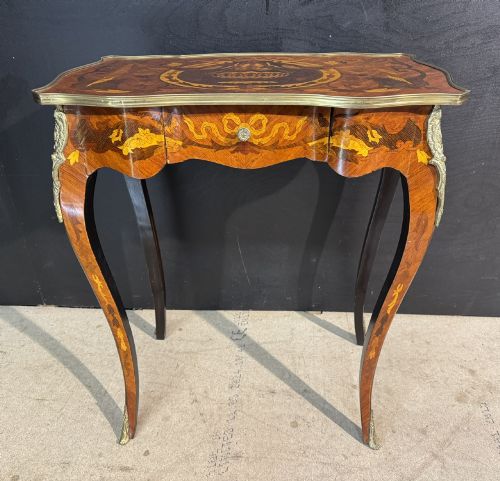
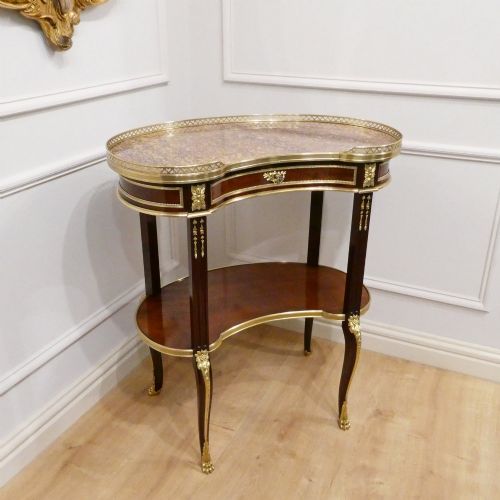
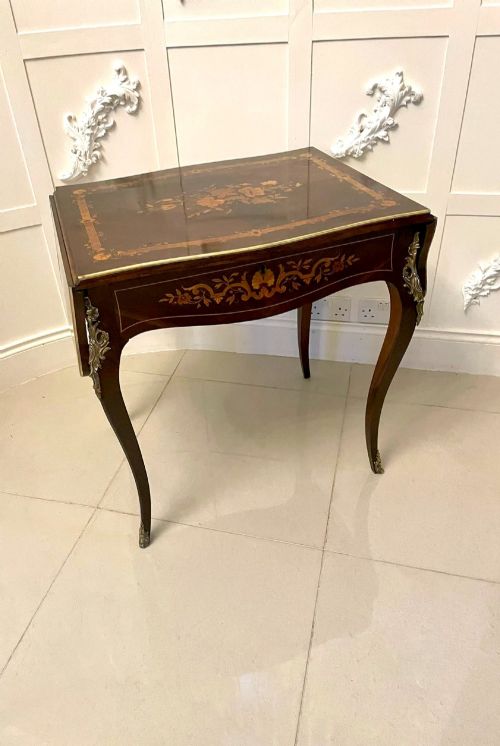
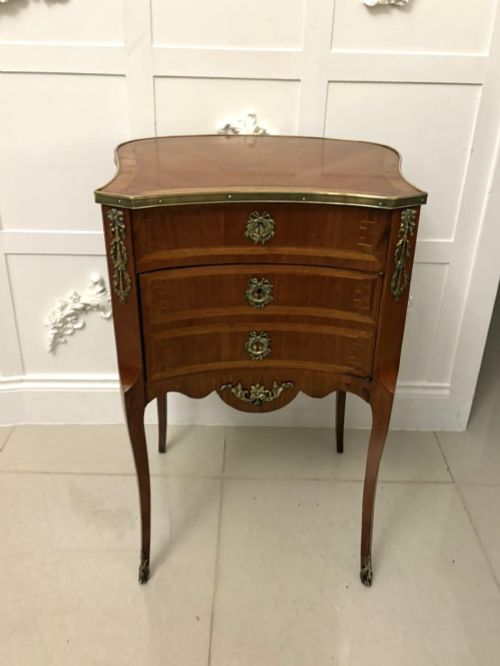
An ormolu accented table brings nineteenth-century French polish and gilt mountings together to anchor a room with functional brilliance.
Ormolu Accented Table
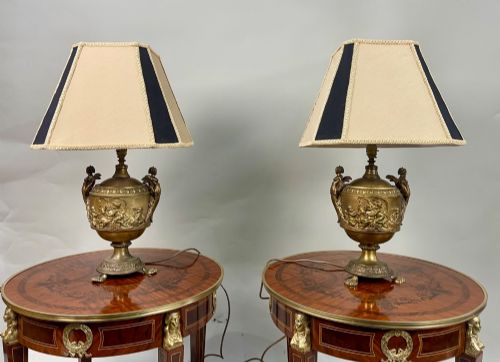
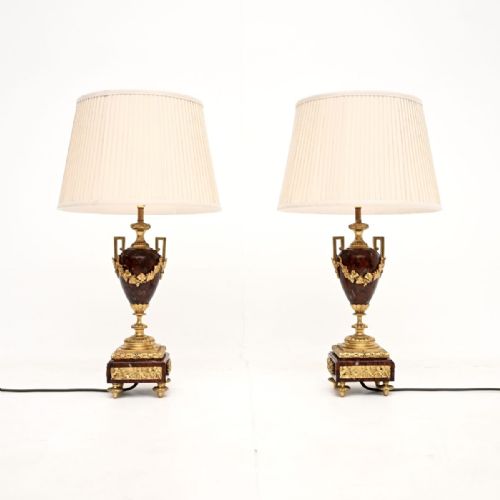
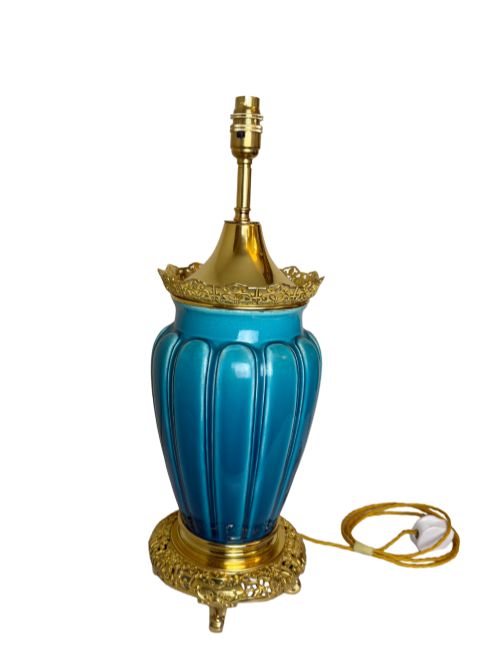
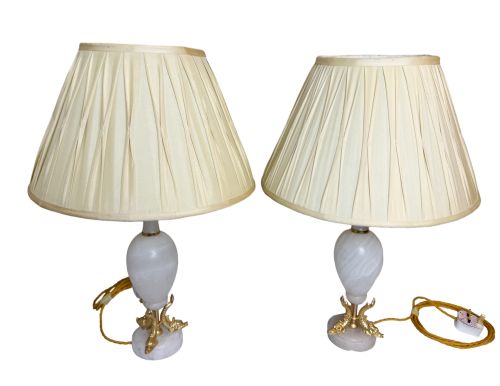
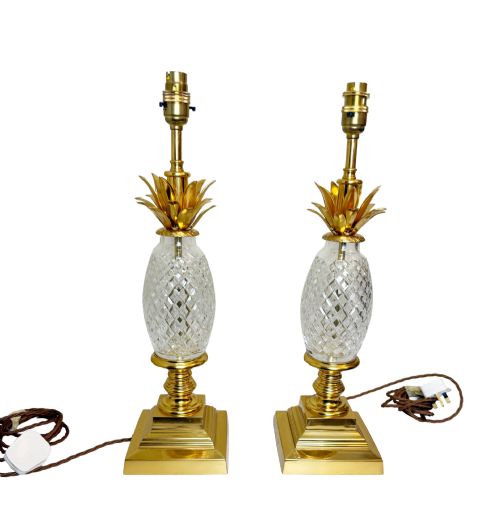
An ormolu accented table covers a variety of nineteenth-century occasional, centre, and card tables, alongside related table lamps and etagères. These pieces originate predominantly from French workshops operating in the revival styles of Louis XV and Louis XVI.
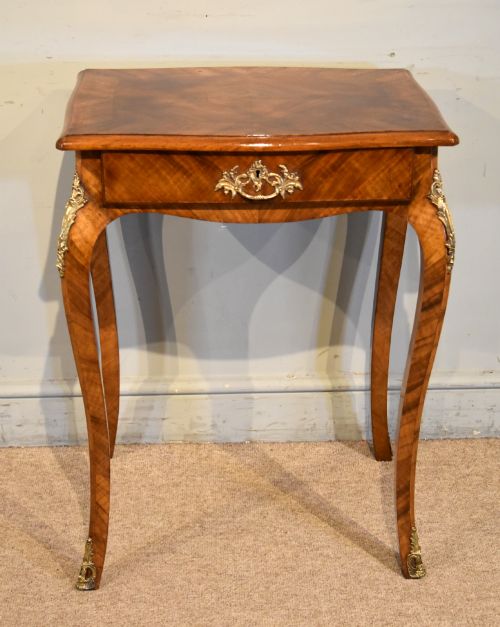
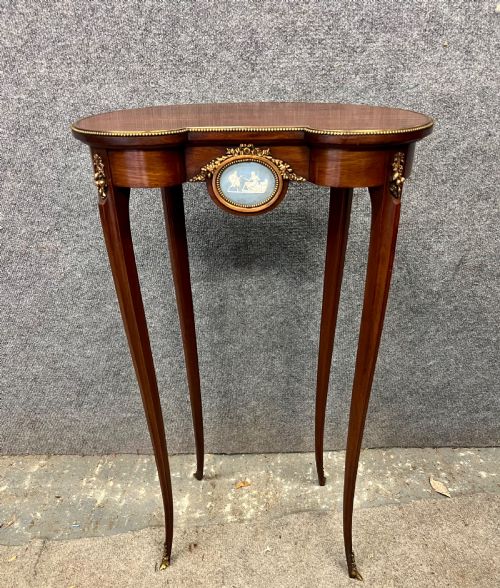
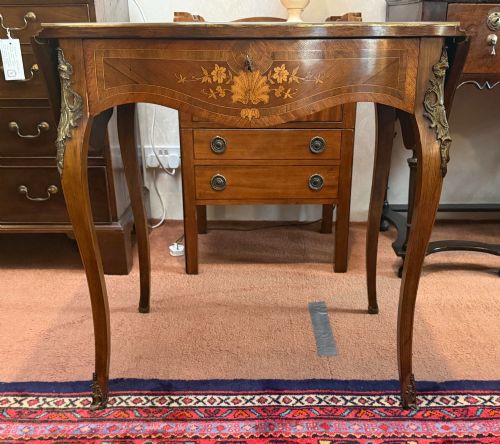
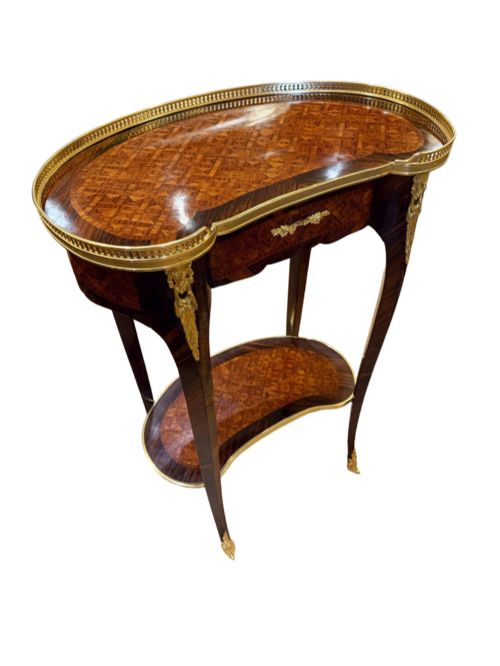
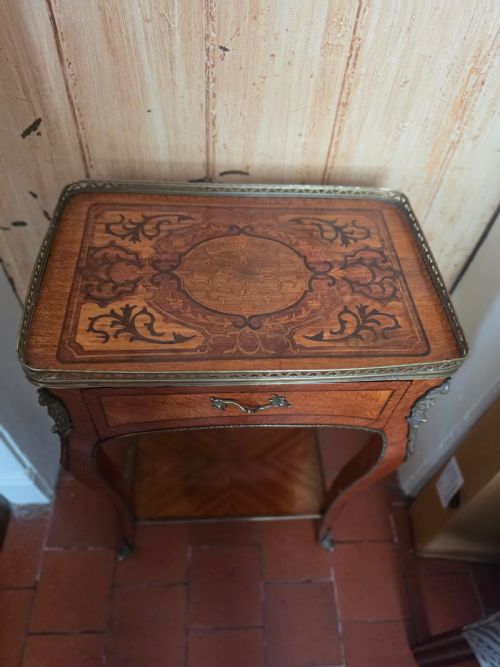
The most common form encountered on this page is the kingwood or mahogany side table, fitted with marquetry or parquetry veneers and detailed with cast gilt bronze or brass mounts. These smaller occasional pieces sit easily beside upholstery or stand free in a hall.
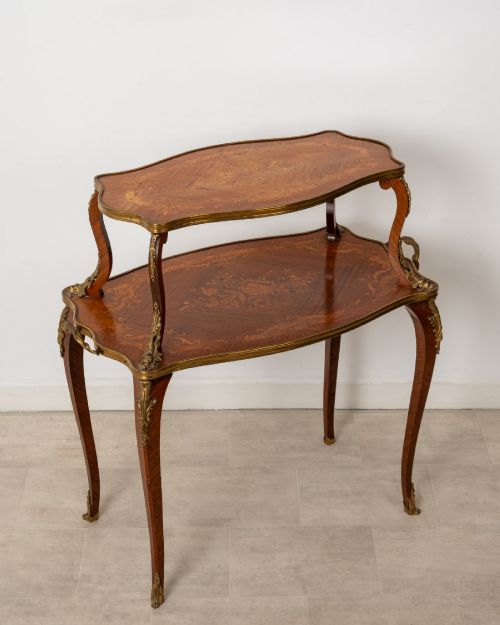
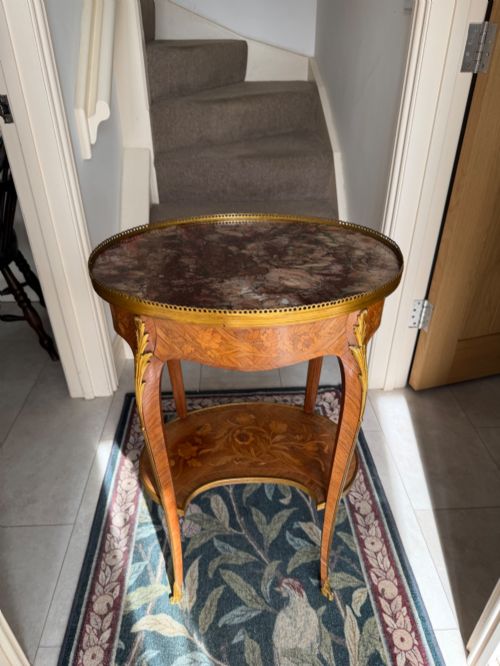
The selection extends from walnut card tables with pivoting tops to marble-topped centre tables and tiered etagères. Each version relies on cast metal highlights to frame wood grains and define structural curves.
How they were made
Cabinetmakers constructed carcass frames from native and exotic timbers, laying down intricate marquetry and parquetry veneers in kingwood, rosewood, mahogany, and walnut. These wooden surfaces received hand-rubbed French polish to accentuate natural grain patterns and tonal contrasts.
Mounts and accents were cast in bronze or brass and then heavily gilded to create the characteristic ormolu finish. These metal elements were hand-chiseled after casting to sharpen details like acanthus leaves and scrolling foliage before being secured to the timber structure.
Ormolu Accented Table Retail Price Guide 2026
Typical asking prices for ormolu accented table among the pieces listed under this phrase on Sellingantiques today, from the lower quarter to the upper quarter. They describe what is for sale here now, not the wider market.
Some tables feature secret drawers released by hidden wooden springs, offering discreet storage for nineteenth-century correspondence.
What varies in quality
The caliber of the cast metalwork dictates the upper tier of these pieces, separating finely chased ormolu from simpler brass stampings. Superior mounts display crisp undercutting and depth, while lesser examples appear flat and lack hand-finished definition.
The complexity and precision of the wood veneers also signal execution standards, where tightly fitted geometric parquetry or pictorial marquetry indicates skilled cabinetmaking. Structural integrity in the joints and the crispness of the applied mounts complete the distinction between standard production and exhibition pieces.
Maison Millet·François Linke·Edwards & Roberts
The Ormolu Accented Table Glossary
- Ormolu
- Gilded bronze used for decorative mounts and accents on furniture. The technique involves applying a gold amalgam to cast bronze before heating to drive off the mercury.
- Marquetry
- Decorative veneer work forming pictorial or patterned designs using various wood types. Cabinetmakers cut contrasting timbers together to ensure tight seams.
- Parquetry
- Geometric wood veneer patterns such as cubes, lozenges, or squares. This technique creates rhythmic surface textures across table tops and cabinet fronts.
- Étagere
- An open tiered piece of furniture designed for display. These multi-level stands feature slender supports and frequent metal mounts.
- Guéridon
- A small French round table supported by a central column or multiple legs. These versatile stands function as occasional surfaces or lamp tables.
Ormolu Accented Table: Frequently Asked Questions
What periods do these tables represent?
The listings span the nineteenth century and the early twentieth century, capturing the height of French revival cabinetmaking. Most examples date from eighteen-fifty to nineteen-twenty.
Maker attributions and stylistic markers point directly to this extended Victorian and Edwardian era of elaborate interior decoration.
How were these tables originally used?
Occasional tables served as movable surfaces for tea, reading materials, or decorative lamps in formal reception rooms. Card tables unfolded to accommodate evening games of chance or conversation.
Centre tables stood proudly in the middle of a room as focal points, while etagères displayed porcelain and small ornaments.
How do I care for marble and wood tops?
Wood surfaces finished in French polish require dry dusting with a soft cloth and protection from direct heat and moisture. Avoid silicone polishes that degrade historic finishes over time.
Marble tops benefit from occasional wiping with a damp cloth and neutral soap, keeping acidic liquids away from the polished stone surface.
How do I distinguish Louis XV from Louis XVI style?
Louis XV style furniture embraces asymmetrical curves, cabriole legs, and exuberant rococo scrollwork. The lines are fluid and organic without straight structural members.
Louis XVI style shifts toward neoclassical symmetry, featuring straight fluted legs, rectangular geometries, and restrained classical motifs.