




Original Wall Artwork
Original wall artwork spans centuries of painted canvas, delicate watercolours and pencil sketches designed to bring character directly into a room.
Original Wall Artwork
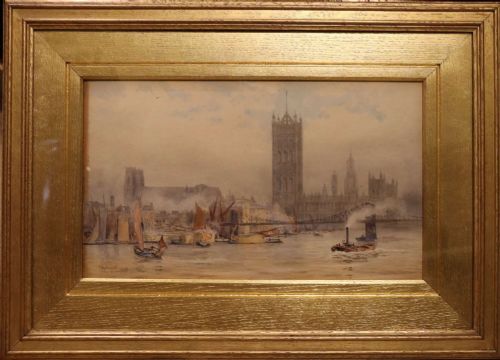
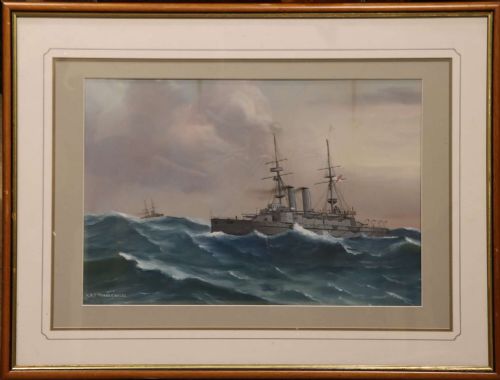
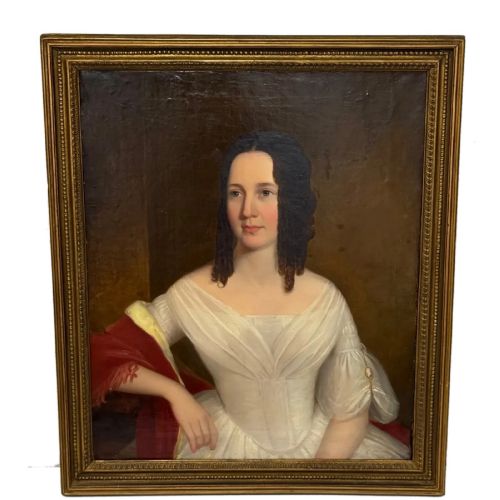
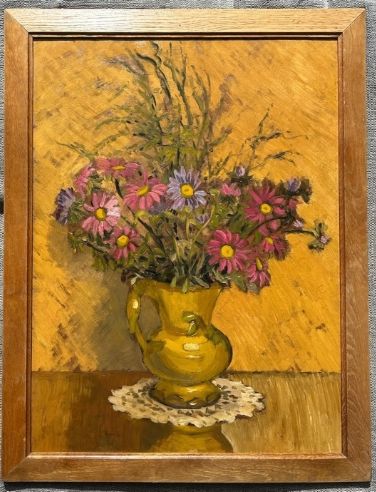
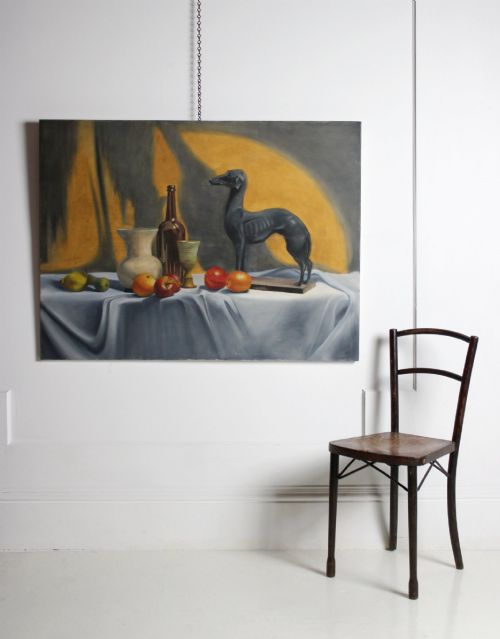
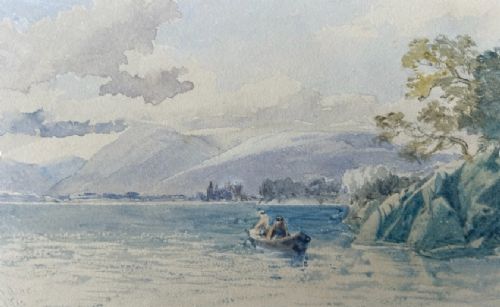
Original wall artwork encompasses unique painted and drawn compositions created by hand rather than reproduced mechanically. When searching for original wall artwork, buyers encounter a diverse selection ranging from nineteenth-century coastal scenes to mid-century modern still lifes.
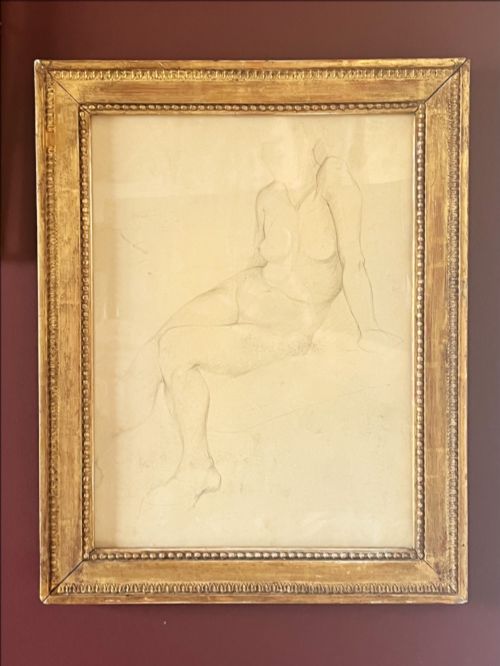
The pieces available span multiple periods including the Victorian and Edwardian eras alongside the twentieth century. Common formats include oil paintings on canvas or wood panel, detailed watercolours, and framed pencil or ink drawings.
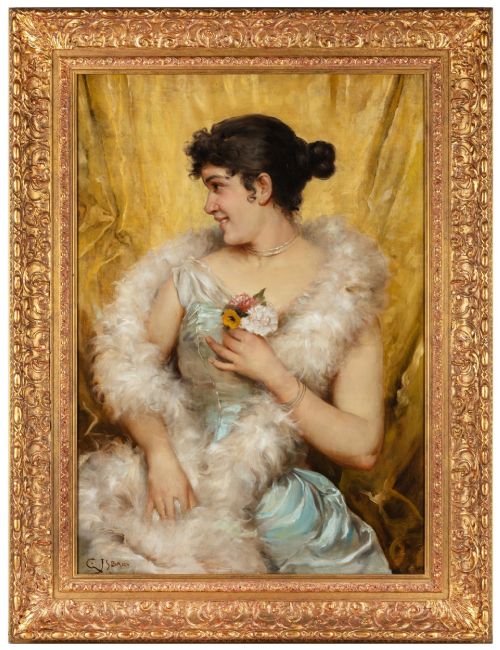
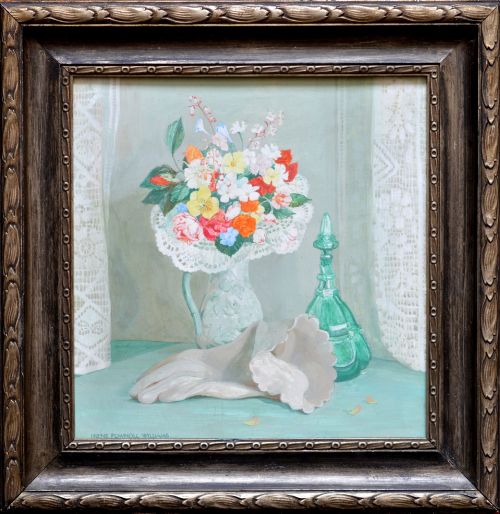
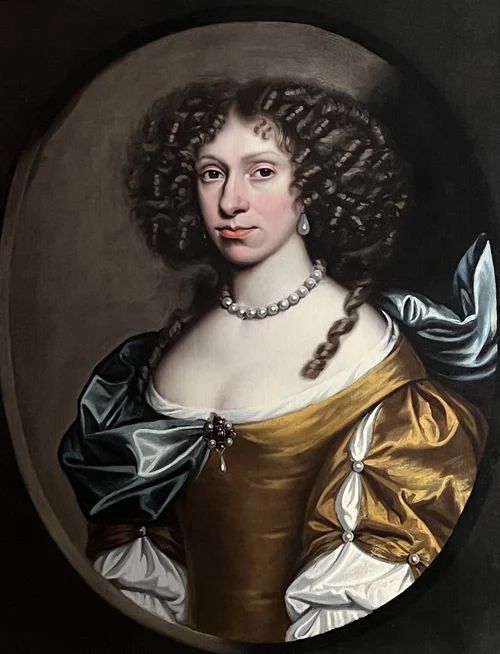
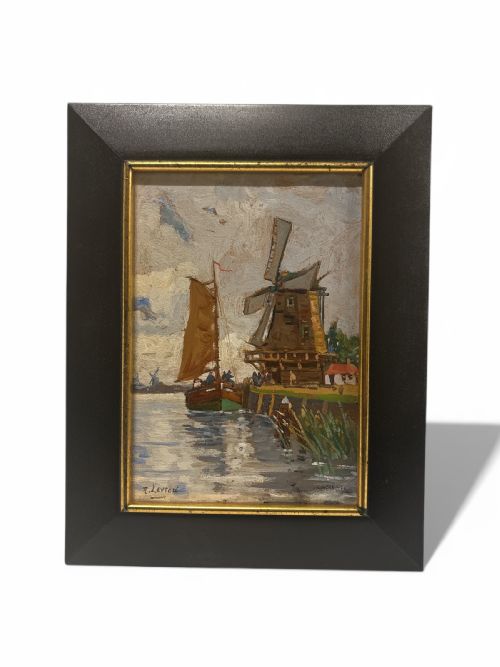
Subjects vary widely from traditional British and Scottish landscapes to floral still lifes and intimate portraiture. Buyers frequently meet works produced during the early decades of the twentieth century, often housed within period gilt frames.
Materials and Construction
These pieces rely principally on traditional supports such as stretched canvas, wooden panels, heavy paper and card. Artists applied oil paint, watercolour, gouache, tempera or pastel directly to these surfaces using brushes and specialised implements.
Many works incorporate protective and decorative elements like gilt gesso frames, glass glazing for works on paper, and wooden backing boards. The combination of durable oil paints and robust canvas or panel has allowed many nineteenth and twentieth-century pieces to survive intact.
Assessing Quality in Composition and Preservation
Quality in these pieces rests upon the confidence of the brushwork, the balance of the composition, and the artist's handling of light and perspective. Skilled execution distinguishes a piece with genuine depth and atmosphere from a stiffer, formulaic student work.
Condition also plays a central role, marked by the stability of the paint layer, minimal surface craquelure, and the original integrity of the paper or canvas. Preserved period frames that complement the artwork without distraction enhance the overall character.
H. Medlycott·Kenneth Cozens·Thomas Miles Richardson Jnr·James Orrock·George Houston·John Hassall
The Original Wall Artwork Glossary
- Oil paint
- A slow-drying paint made by combining pigments with a drying oil, typically linseed oil. This medium allows artists to build rich textures and subtle tonal gradations.
- Watercolour
- A paint consisting of water-soluble pigments suspended in a water-based solution, traditionally applied to paper. It yields translucent washes of colour that capture light effectively.
- Gouache
- An opaque water-based paint that includes a white pigment filler, creating a heavier, more solid appearance than transparent watercolour. Artists utilise it for sharp highlights and bold opaque areas.
- Impasto
- A technique where paint is laid onto a surface in thick layers, standing visibly out from the canvas. This method creates tangible texture and catches physical light within the room.
- Gesso
- A traditional paint mixture consisting of a binder mixed with chalk, gypsum or pigment, used to prepare wood panels or canvas. It forms a smooth, absorbent surface ready for painting.
Original Wall Artwork: Frequently Asked Questions
How do I care for original paintings?
Keep painted works away from direct sunlight and fluctuating humidity to prevent canvas slackening and pigment cracking. Dust surfaces gently with a soft, dry cloth without applying moisture or cleaning agents.
Ensure frames are securely hung using appropriate wall fixings suited to the weight of the timber and glass. Periodic checks of the backing board help prevent dust accumulation behind the artwork.
What is the difference between oil and watercolour?
Oil paint employs a slow-drying oil binder on canvas or wood, offering rich textures and deep colour saturation. Watercolour uses water-soluble pigments on paper, producing lighter, translucent effects that usually require protective glass.
Oils are traditionally heavier and more robust, whereas watercolours require careful framing behind glass to shield the delicate paper from atmospheric moisture.
How can I date an antique artwork?
Examine the materials, including the type of canvas weave, the composition of the stretcher bars, and the construction of the frame. Handwritten inscriptions, artist signatures, and old gallery labels on the reverse often provide reliable dates or provenance.
Stylistic cues such as costume, architectural details, and painting techniques also point toward specific historical periods like the Victorian era or mid-century modernism.
Are period frames original to the art?
Many older pieces retain their contemporary frames, which match the stylistic preferences and framing technologies of the artwork's creation period. Gilt gesso frames from the nineteenth and early twentieth centuries frequently complement the palette of the painting.
Over the decades, some pieces may have been reframed to suit changing interior tastes, making frame examination an important part of assessing the complete object.