




Original Vintage Wall Art
Original vintage wall art brings character and history into a room through unique paintings, drawings, and posters created by artists of past decades.
Original Vintage Wall Art
When you search for original vintage wall art, you encounter a diverse collection of authentic paintings, watercolours, and drawings spanning from the nineteenth century through the mid-twentieth century. These works capture specific periods of artistic expression, ranging from academic realism and Victorian landscapes to post-impressionism and mid-century modern scenes.
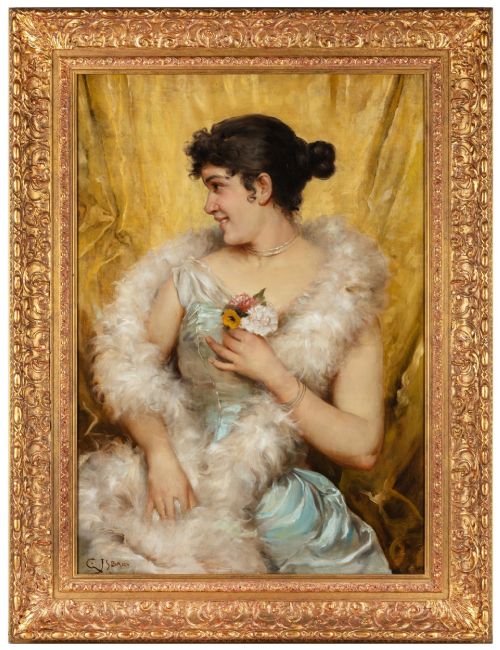
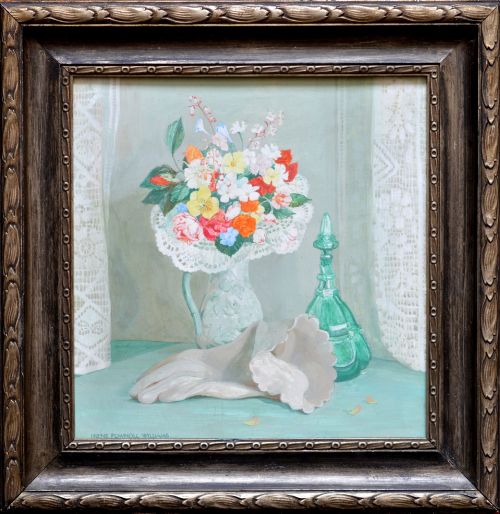
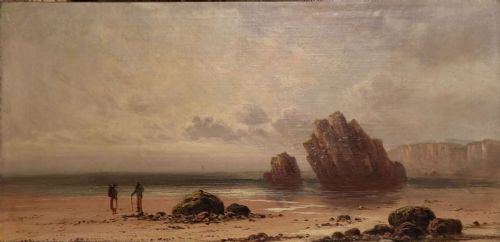
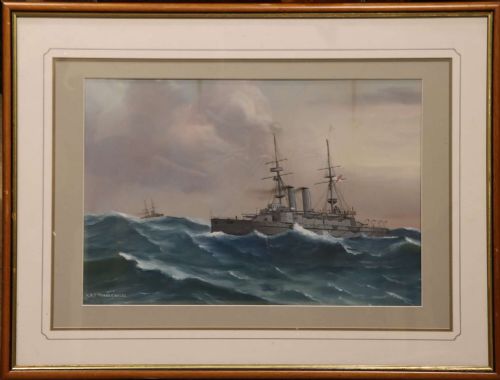
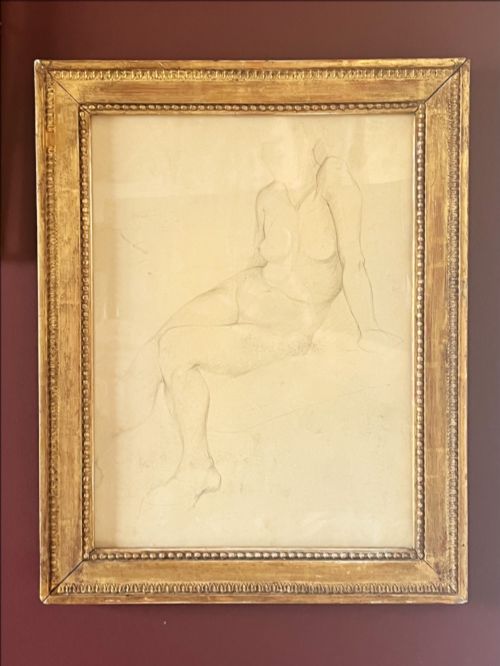
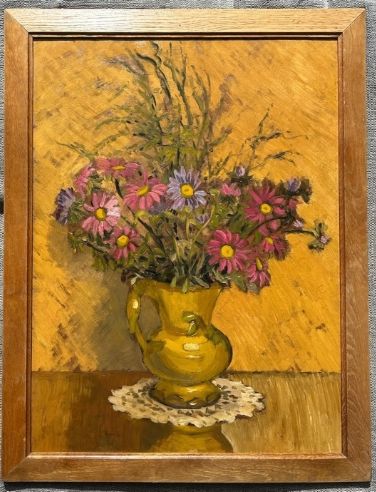
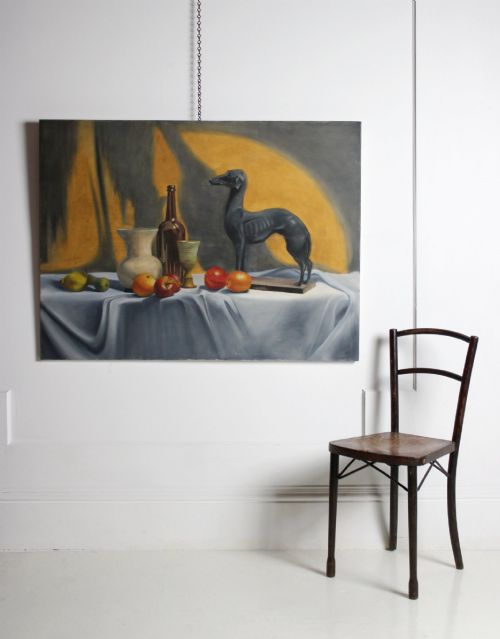
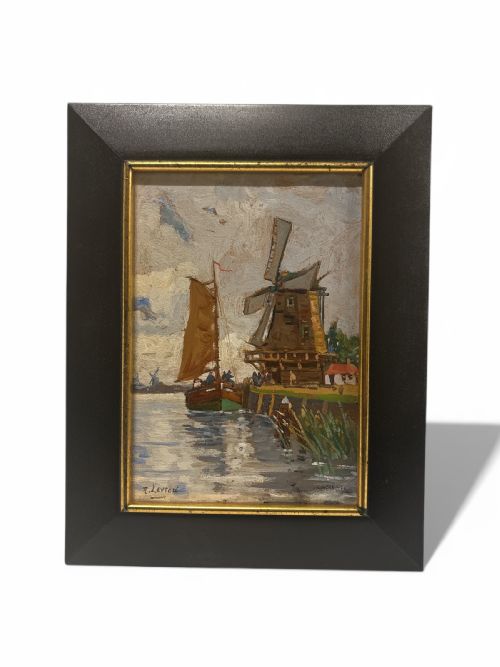
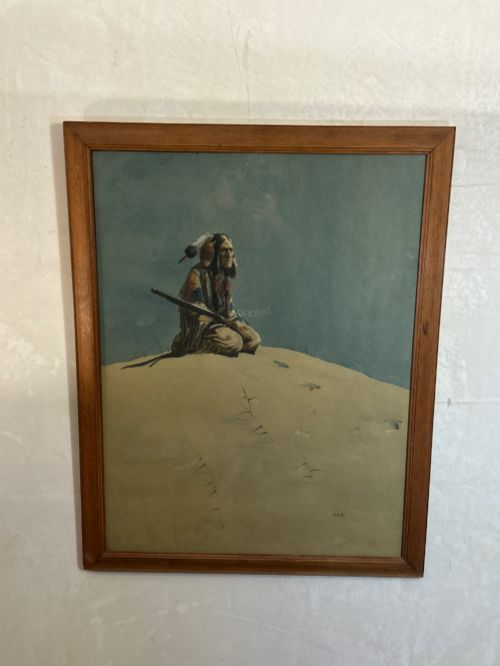
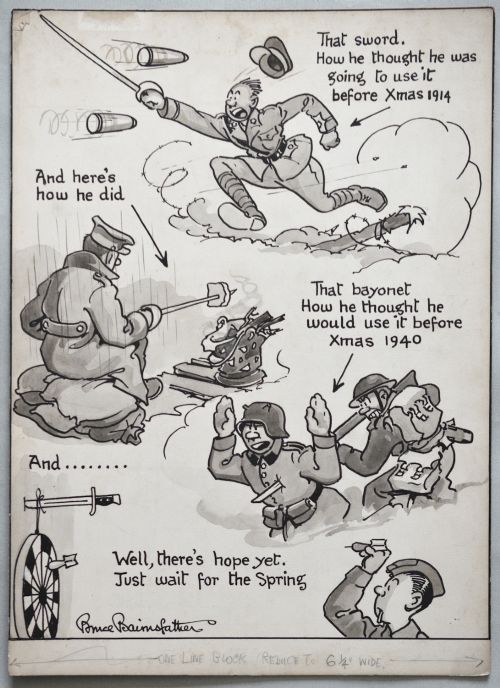
The pieces on this page include oil paintings on canvas and board, delicate watercolours, ink drawings, and framed prints or posters. Subjects vary widely from maritime views and rural landscapes to botanical studies, still lifes, and intimate portraits.
Buyers frequently find mid-century works alongside Edwardian and late nineteenth-century pieces, housed in period frames such as antique gilt gesso or rosewood. Each item represents an individual creative effort rather than a modern mass-produced reproduction.
Materials and Techniques
Artists relied upon traditional painterly supports, applying oil paint to stretched canvas, wooden panels, or heavy artist boards. Watercolours and inks were worked onto absorbent papers, sometimes utilising gouache or pastel for added opacity and texture.
Framing forms an integral part of the physical object, with many pieces retaining period gilt wood, carved gesso, or rosewood surrounds that complement the aesthetic of the artwork.
One portrait captures a royal prince, while another preserves the quiet dignity of a nineteenth-century noblewoman.
Qualities That Separate the Best
Superior quality in these works rests upon the confidence of the brushwork, the harmony of the palette, and the artist's ability to capture light and atmosphere convincingly. Strong composition and a sure hand elevate a piece far above ordinary decorative output.
The integrity of the original surface, stability of the pigment, and presence of a fitting period frame further distinguish the finest examples from lesser, uniform works.
Kenneth Cozens·William H Myers·Tom Campbell·Alfred Young Nutt·John Hassall·Bruce Bairnsfather·Eugène-Louis Gillot·Robert Heinrich·A. Marie Parsons·Sidney A Court·Robert Leslie Howey·Kershaw Schofield·George Houston·John E Aitken·Eric Tufnell·William Banks Fortescue·Thomas W Lascelles·Gabriel Mathieu
The Original Vintage Wall Art Glossary
- Oil on canvas
- Pigments bound in drying oil applied to a woven fabric support stretched over a wooden frame. This method allows for rich texture and deep colour blending.
- Watercolour
- Paint made of water-soluble pigments applied to paper, valued for its translucent quality and immediacy of execution.
- Gilt wood
- Wood carved and coated with gold leaf or a gold-coloured metallic finish, frequently used for traditional picture frames.
- Impressionism
- A nineteenth-century painting style characterised by relatively small, thin, yet visible brush strokes and an emphasis on accurate depiction of light.
- Still life
- A work depicting mostly inanimate subject matter, typically commonplace objects which may be either natural or man-made.
Original Vintage Wall Art: Frequently Asked Questions
How do I date an old painting?
Dating relies on stylistic clues, framing methods, and the type of canvas or paper used by the artist. Signatures and exhibition labels on the reverse also provide clear chronological markers.
Examining the stretcher bars and nails helps confirm whether the framing materials belong to the same era as the artwork itself.
Are watercolours prone to fading?
Watercolours are sensitive to prolonged exposure to direct sunlight because the pigments rest on paper beneath glass. Proper placement away from bright windows preserves the intensity of the colours.
Using UV-protective glass during framing further safeguards older paper works from environmental degradation.
Should I reframe vintage artwork?
Preserving the original frame maintains the historical integrity and aesthetic harmony intended for the piece. Even minor wear on antique gilt wood often adds desirable character.
Replacement should only occur if the current structure threatens the physical safety of the canvas or paper inside.
What is plein air painting?
Plein air refers to the practice of painting outdoors to capture the direct effects of natural light upon a landscape. Artists working this way completed their compositions on site rather than in a studio.
This technique often results in energetic brushwork and vibrant observation of shifting weather and seasonal tones.