



Original Village Painting
An original village painting captures rural life on canvas or paper, offering buyers a window into historical community settlements through period brushwork.
Original Village Painting
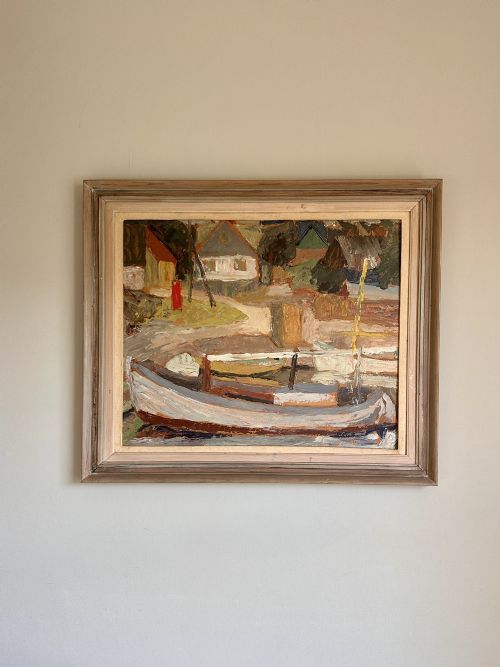
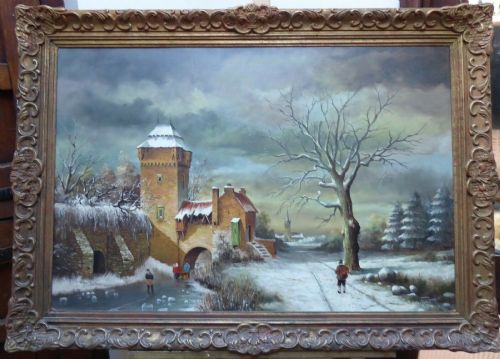
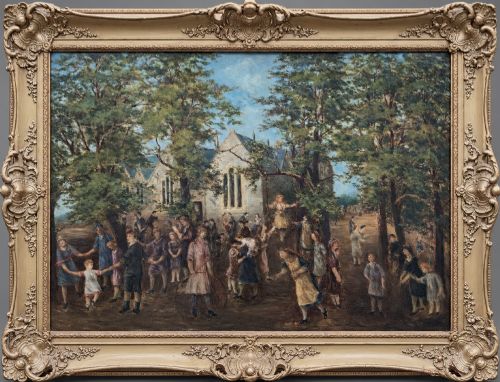
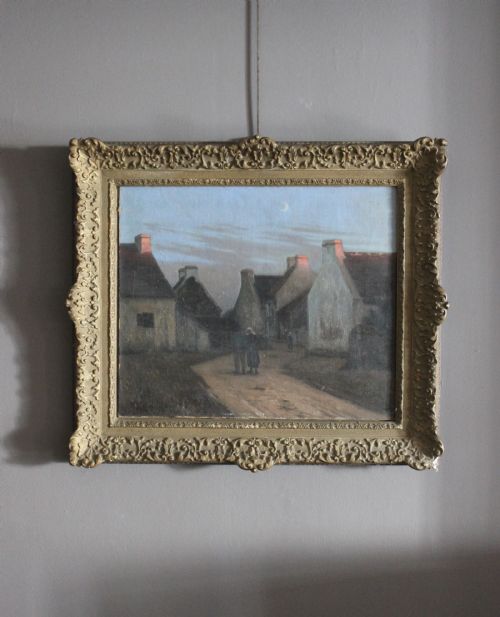
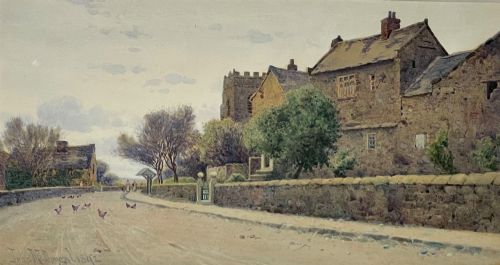
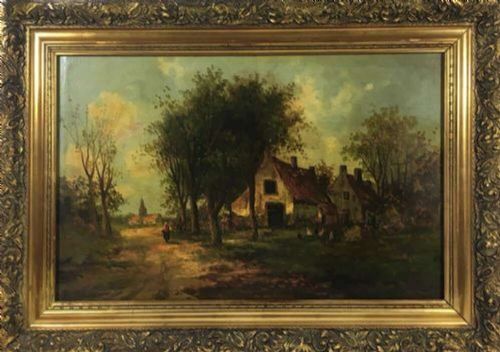
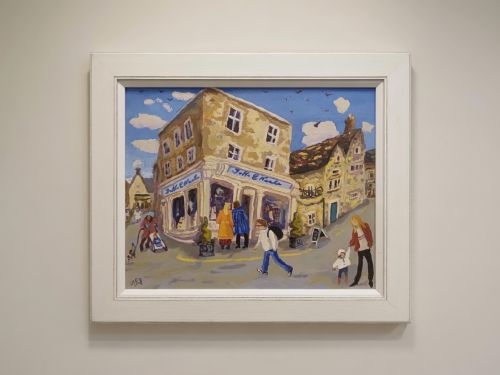
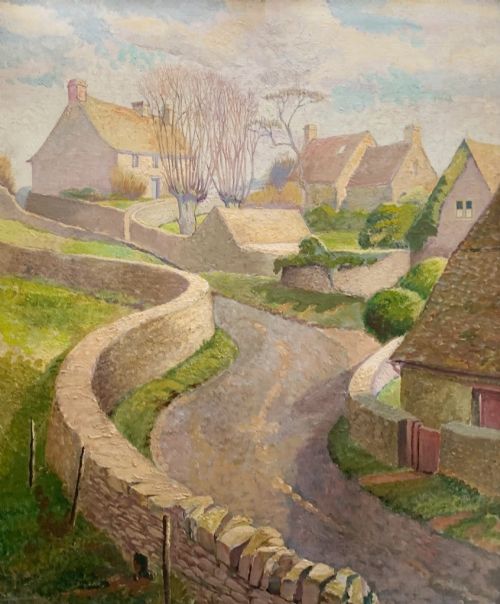
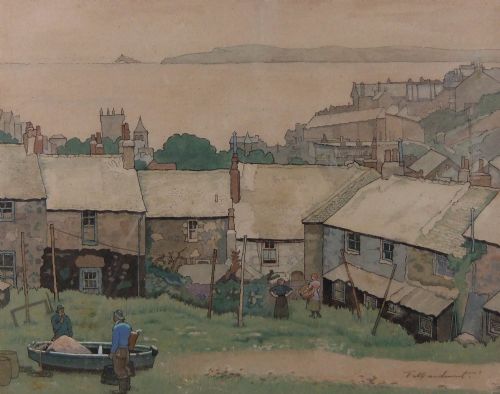
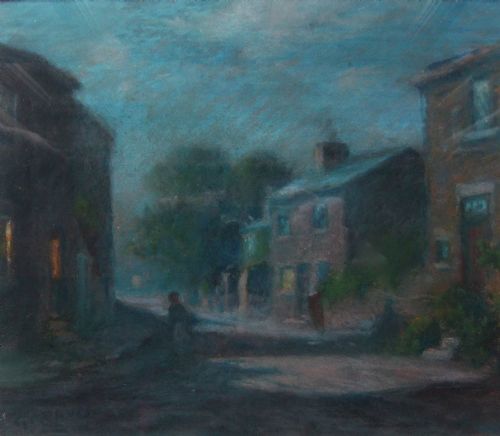
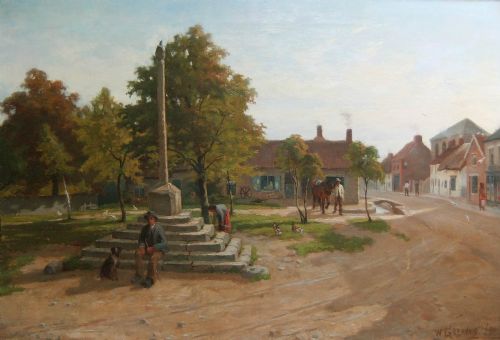
When searching for an original village painting, collectors encounter rural streetscapes, local gatherings, and coastal settlements rendered across the nineteenth and twentieth centuries. The pieces on this page span from Victorian watercolours of specific English and Welsh parishes to mid-century European oil paintings.
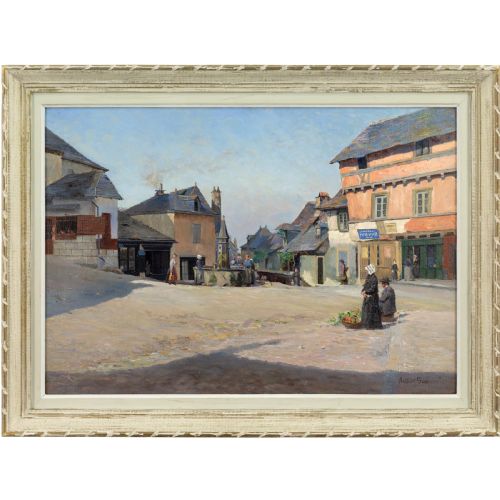
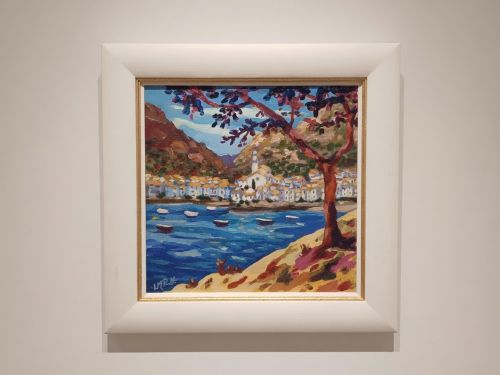
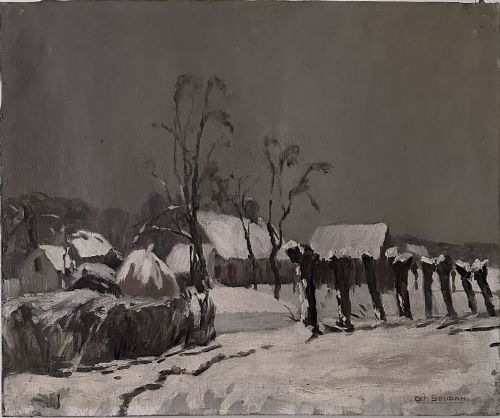
Subjects range from snow-covered winter scenes and bustling market squares to quiet churchyards and harbour views. These works document community life before modern expansion transformed rural topography.
The selection includes British provincial scenes alongside French farmyards, North African settlements, and Andalucian village views. Most examples utilise traditional mediums applied to canvas, paper, or board.
Materials and methods
Artists painted these rural scenes using oil on canvas or oil paint on wood panels, building rich textures with layered pigments. Watercolours and gouache on paper provide lighter, more luminous records of village streets and countryside fields.
Pastel drawings appear alongside fluid washes, capturing transient light effects in coastal harbours and village squares. Many works retain their original gilded wood frames, which complement the period aesthetic of the paintings.
Original Village Painting Retail Price Guide 2026
Typical asking prices for original village painting among the pieces listed under this phrase on Sellingantiques today, from the lower quarter to the upper quarter. They describe what is for sale here now, not the wider market.
Mediums range from delicate pastel drawings on paper to robust oil paintings on large canvases.
Factors of quality
Superior works demonstrate confident draughtsmanship and atmospheric command, where the artist captures natural light and local topography with distinct character. Weaker pieces rely on rigid formulas and flat colour application without personal observation.
The distinction rests in the handling of the medium and the specificity of the location. Named villages with documented artists command greater interest than generic, unsigned rural landscapes.
Pieter Cornelis Steenhouwer·John McDougal·Arthur Gué·Lucy Pratt·Thomas Maidment·William Greaves·Gaston Cornil·Mario Pinetti·Fred Lawson·Arthur Tucker·Anne Dorrien Smith·Mercedes Legrand·Frederick G. Coulridge·John Edward Bale·Robert Hollands Walker·Joseph W. Milliken·Frank Wood·Frederick Mayor·David Woodlock
The Original Village Painting Glossary
- Watercolour
- A paint consisting of pigment suspended in a water-based solution, traditionally applied to paper to achieve translucent washes of colour.
- Gouache
- An opaque water-based medium that includes a white pigment filler, producing heavier, solid areas of colour alongside watercolour washes.
- Oil on canvas
- A painting technique utilising pigments bound in drying oils, stretched across a woven fabric support to allow deep colour saturation.
- Pastel drawing
- A dry medium composed of powdered pigment and a binder, worked directly onto paper to create soft textures.
- Gilded wood
- Timber framing coated with a thin layer of gold leaf or metallic gilt, commonly used to frame period fine art.
Original Village Painting: Frequently Asked Questions
What periods do these paintings cover?
The available selection spans from the nineteenth century through the 1960s, encompassing Victorian, Edwardian, and mid-century movements.
Post-impressionist and impressionist styles feature prominently among the early twentieth-century works.
Where were these village scenes painted?
Artists recorded locations across Britain, including Yorkshire, Cornwall, Suffolk, and Wales, alongside continental European settings in France and Spain.
Several pieces also document overseas travels to North Africa and the Middle East.
How should I hang these works at home?
These paintings suit traditional living spaces, studies, or hallways where natural light enhances the pigments of watercolours and oils.
Keep works away from direct sunlight to protect delicate paper supports and watercolour pigments from fading.
Are these paintings signed by the artists?
Many pieces feature visible signatures or attribution to listed portrait and landscape artists of the period.
Unsigned examples are typically attributed to regional English or European schools based on style and subject matter.