

Original Victorian Oil Canvas
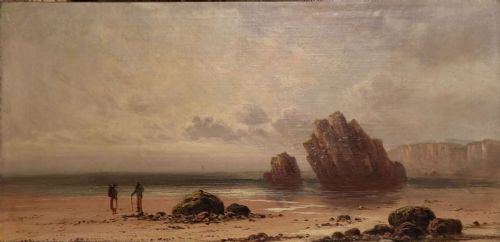
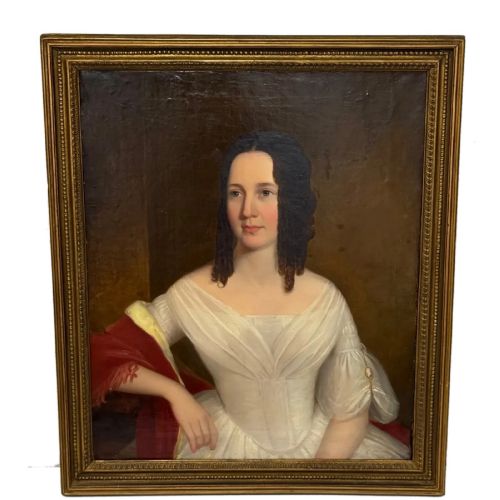
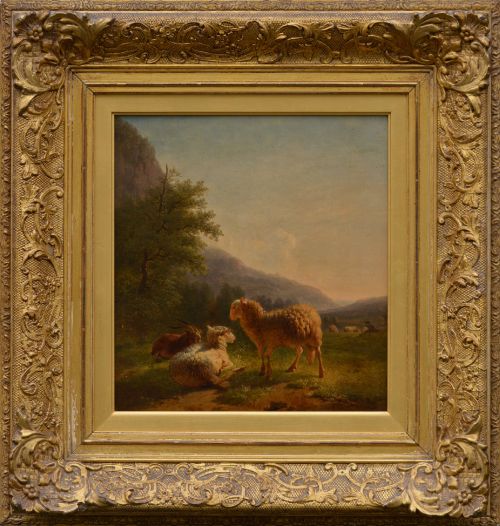
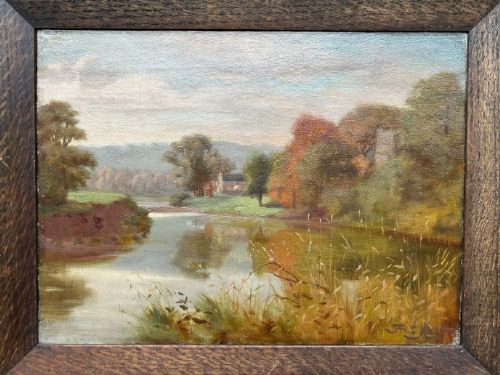
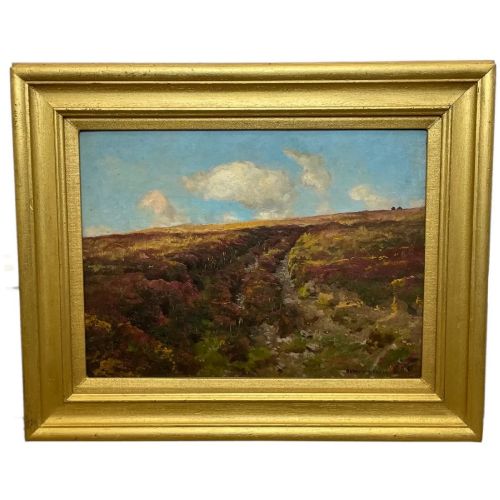
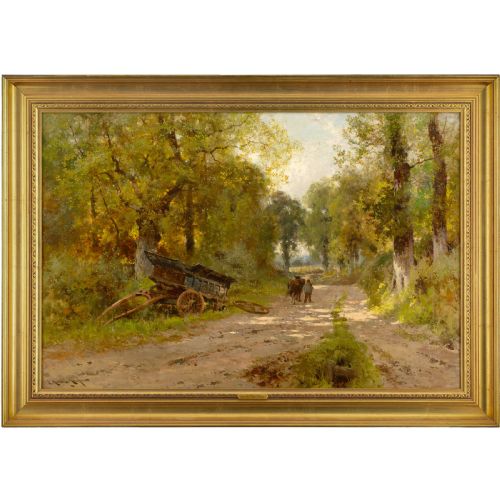
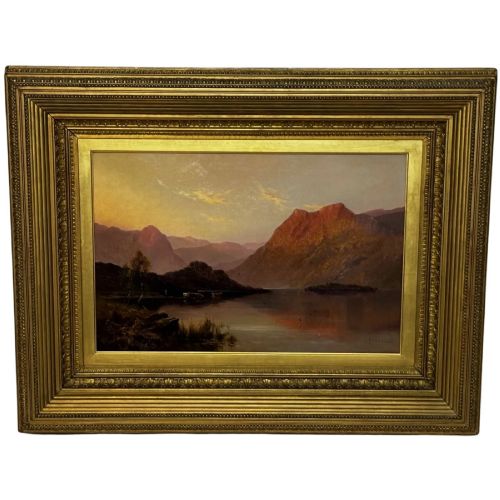
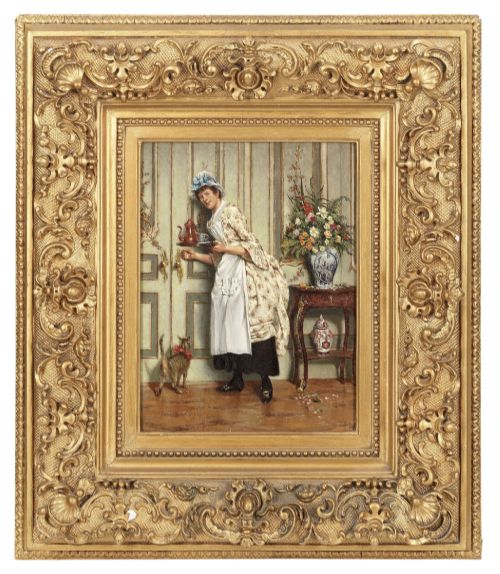
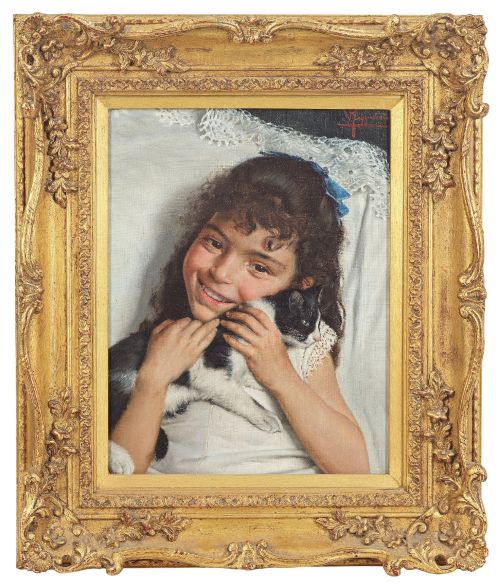
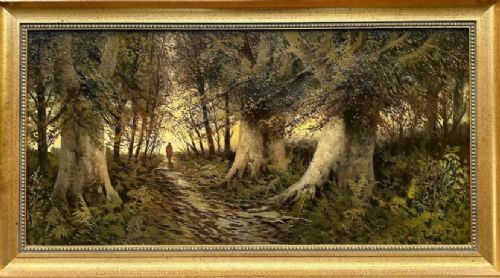
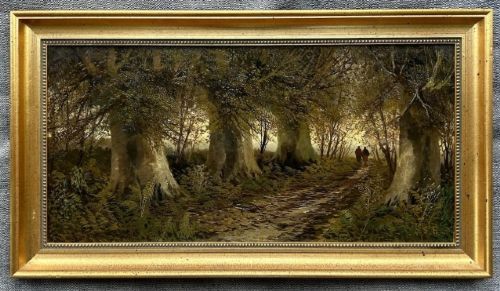
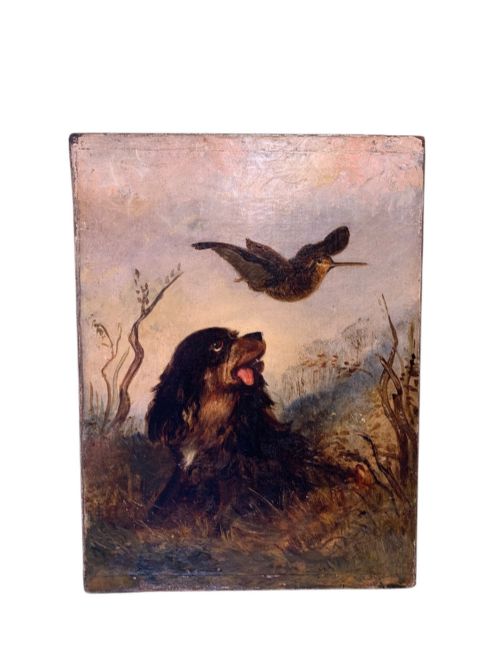
An original victorian oil canvas brings nineteenth-century portraiture, pastoral landscape, and animal studies into a room with the depth and texture of genuine period pigment.
Original Victorian Oil Canvas
When searching for an original victorian oil canvas, collectors encounter stretchers and frames spanning the nineteenth century, with particular concentration around the decades leading up to nineteen hundred. These works encompass British and continental portraiture, pastoral scenes, coastal views, and sporting subjects executed by named artists and anonymous provincial schools alike.
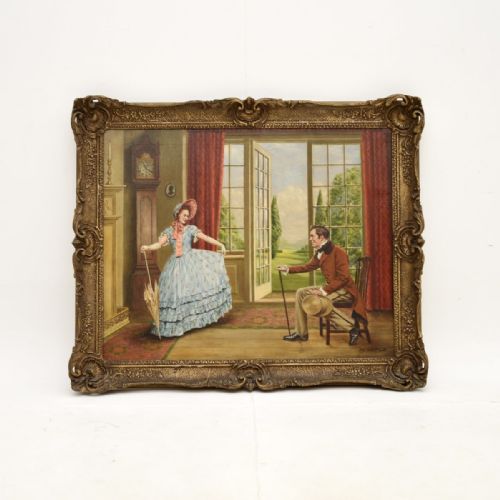
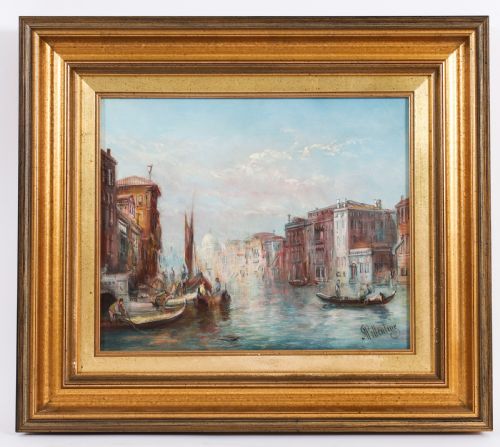
The subjects divide broadly between intimate domestic interiors, Highland cattle landscapes, topographical Italian scenes such as Venice, and detailed studies of animals or figures. Most examples survive within their period giltwood or gesso frames, maintaining the original relationship between painting and surround.
On this marketplace, the physical carrier is invariably stretched woven fabric coated with ground paint layers, housed in wood frames carrying moulded ornament. Buyers find both modest domestic portraits and expansive signed canvases bearing the marks of academic painters from British, Scottish, and European schools.
Materials and construction
The foundational support relies on woven textile stretched tightly across wooden frames, primed with a gesso or white lead ground layer to receive the pigment. Artists applied linseed oil mixed with ground mineral and earth colours, building up translucent glazes and opaque highlights with bristle brushes and fine sables.
Surrounding the picture plane, frames are constructed from timber mouldings enriched with carved or moulded gesso, subsequently gilded with metal leaf or finished in bronze paint. Structural integrity depends on the original wooden wedges or keys inserted into the frame corners to maintain canvas tension over decades.
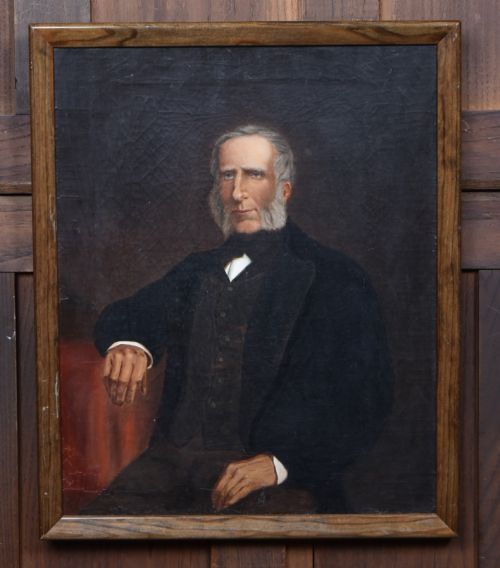
Several portraits preserve the intense gazes of Victorian gentlemen sharing wall space with playful kittens, prize racehorses, and Highland stags.
What separates examples
Quality rests upon the artist's command of anatomy, perspective, and light, distinguishing master academic output from hasty studio copies or generic school work. The subtlety of brushwork in facial expressions, fabric folds, and atmospheric distance marks the distinction between routine decorative output and accomplished fine art.
The physical preservation of the pigment layer, freedom from heavy overpaint, and the survival of the matching period gilt frame heavily influence the integrity of the piece. Works retaining documented provenance or clear artist signatures carry greater historical weight than unsigned student canvases.
Eugène Verboeckhoven·Arthur Wardle·John Horace Hooper·Alfred Fontville de Breanski Jr·Stephen Samuel Lewin·Vittorio Reggianini·Thomas W Lascelles·David Bates·Alfred Lyndon Grace·Alfred Pollentine·Albert Clark·Francis Moltino·Margaret Sarah Carpenter·Konstantin Stoitzner·Adelaïde Salles-Wagner·Max Kaltenmoser·Thomas Sidney Cooper·Louis Charles Verwee·William Blake Richmond·Stephen Pearce·Henry Windsor Fry·Albert Rieger·Edgar Hunt·Joseph Farquharson·William Watson Jnr
The Original Victorian Oil Canvas Glossary
- Gesso
- A plaster mixture applied to wood frames or canvas grounds to provide a smooth surface for gilding and painting.
- Provenance
- The documented history of ownership attached to an artwork, tracing its path from the artist's studio to the current room.
- Relined
- A conservation process where a deteriorated original canvas is attached to a fresh backing fabric for structural support.
- Impasto
- Paint applied in thick, raised strokes that retain the physical mark of the brush or palette knife.
- Stretcher
- The wooden frame corners fitted behind the canvas to keep the textile taut and stable.
Original Victorian Oil Canvas: Frequently Asked Questions
How do I clean an oil painting?
Surface dust should be removed gently with a soft, dry brush without applying moisture or pressure to the pigment layer.
Any deeper cleaning or varnish removal requires professional conservation to prevent permanent damage to the delicate glazes beneath.
Are these paintings signed?
Many examples bear the artist's signature or monogram directly on the canvas surface, often placed near the lower edge.
Unsigned works typically originate from regional British or European schools where the output was attributed to a general studio tradition.
How do I date a Victorian canvas?
Dating relies on costume details, hairstyle, frame construction methods, and sometimes inscriptions or stamps left by nineteenth-century canvas makers.
Examine the back of the wooden stretcher for old exhibition labels, dealer stamps, or handwritten notes from previous owners.
Can I hang oil paintings in direct sunlight?
Direct sunlight causes pigments to fade and accelerates the yellowing and cracking of old oil varnishes over time.
Positioning the work away from intense light sources and maintaining stable room humidity protects the canvas from environmental stress.