





Original Townscape Art
Original townscape art captures the character of streets, squares and buildings through the eyes of painters working from the nineteenth century to the mid-twentieth century.
Original Townscape Art
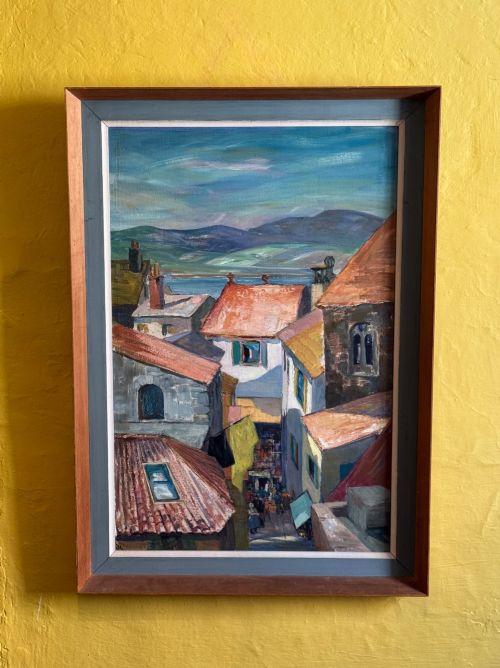
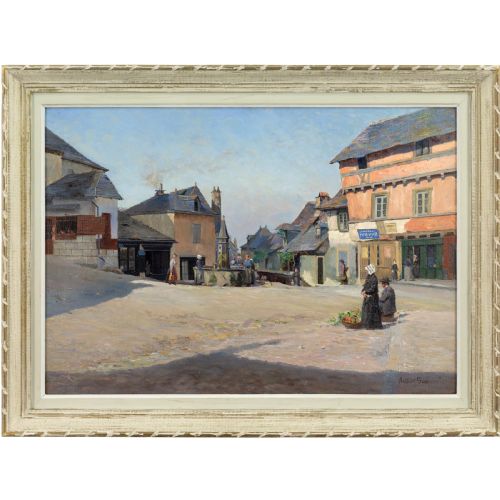
Original townscape art records architectural views, bustling market squares and quiet alleyways across Britain and continental Europe. Collectors search for these pieces to find authentic depictions of historic urban environments.
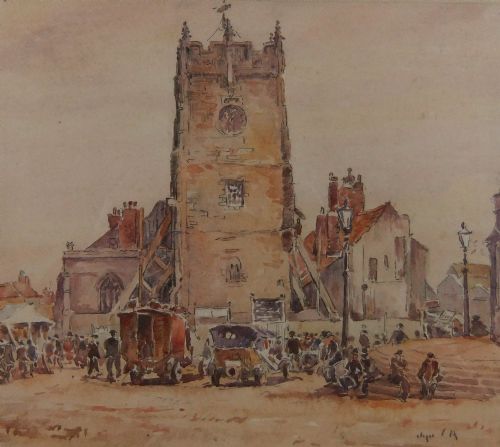
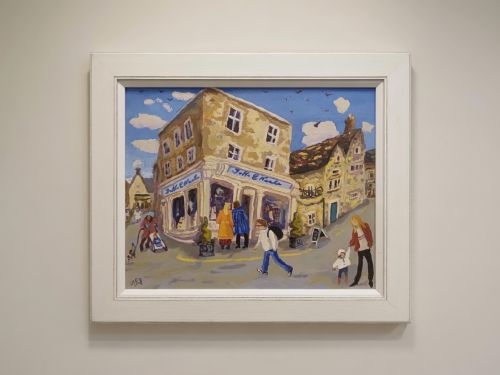
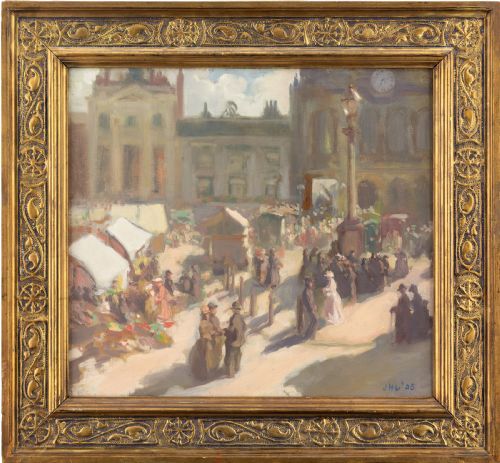
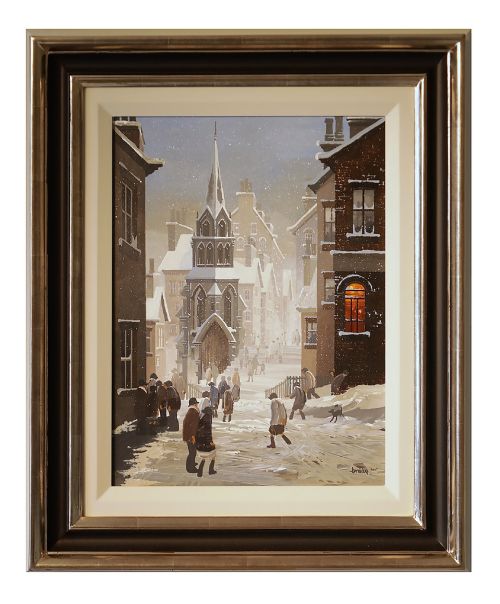
The selections available range from detailed watercolour studies of Yorkshire towns to dramatic oil paintings of Venetian canals and French marketplaces. Works span from the Regency period through Victorian and Edwardian eras into mid-century modern and impressionist movements.
Most examples concentrate on specific geographic locations, often identifying the exact street, bridge or cathedral depicted. These works function as visual historical records alongside their artistic merit.
How They Were Made
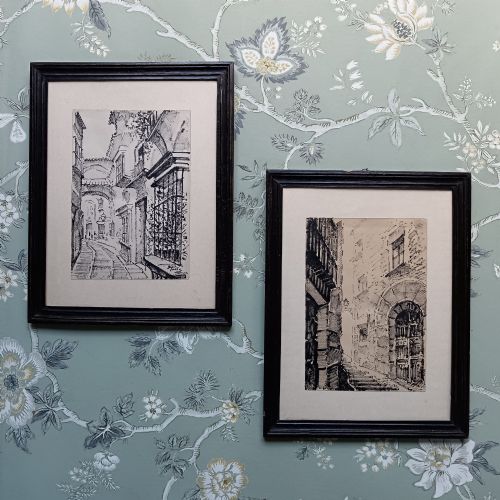
Artists deployed watercolour on paper or pigment suspended in oil paint on canvas and board. Draftsmen utilised ink, charcoal and pencil for linear architectural studies before applying washes or colour.
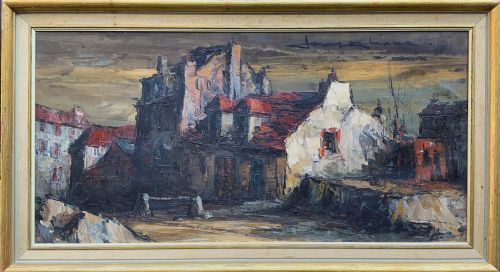
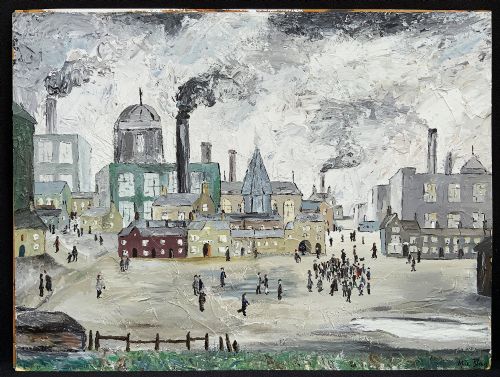
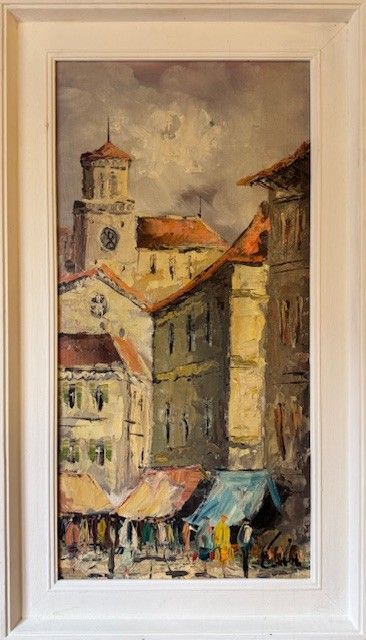
Canals and European street scenes frequently relied on heavy impasto oil applications to build texture in stonework and water. Watercolours depended on precise pencil underdrawings combined with transparent washes to capture light on historic buildings.
Original Townscape Art Retail Price Guide 2026
Typical asking prices for original townscape art among the pieces listed under this phrase on Sellingantiques today, from the lower quarter to the upper quarter. They describe what is for sale here now, not the wider market.
Materials recorded across the inventory include oil on canvas, watercolour on paper, ink drawings, charcoal sketches, and carved giltwood frames.
What Varies in Quality
Compositional balance and perspective accuracy dictate the strength of a townscape, distinguishing works that convincingly render architectural scale from those with rigid or flat proportions.
The handling of light and atmosphere separates standard topographical records from accomplished impressionist interpretations. Skilled brushwork or fluid watercolour washes bring movement to streets and figures rather than static rendering.
Jean Corbeau·Arthur Gué·John Hodgson Lobley·Brian Shields Braaq·Stanley Orchart·Cornelis Christian Dommersen·Alfred Pollentine·John Sanderson Wells·George Willis Pryce·Fred Lawson·Henry Schafer·Henry Edridge
The Original Townscape Art Glossary
- Impasto
- Paint applied thickly to a canvas or board, leaving visible brush or palette knife marks that create physical texture.
- Topography
- The detailed mapping and realistic depiction of specific geographical locations, buildings and street layouts.
- Watercolour
- A painting method where coloured pigments are suspended in a water-soluble vehicle on paper supports.
- Giltwood
- Timber carved and coated with a thin layer of gold leaf, commonly found on period picture frames.
- Impressionism
- An art style focusing on accurate depiction of light and its shifting qualities rather than strict photographic detail.
Original Townscape Art: Frequently Asked Questions
What is original townscape art?
Original townscape art encompasses hand-painted or drawn depictions of urban environments, streets, buildings and architectural landmarks. These unique works capture specific locations from past centuries.
Creators utilised various mediums including oil paint, watercolour, ink and charcoal to document changing cityscapes and rural market towns across Britain and Europe.
How were townscape paintings used?
Historically, townscapes served to record rapidly changing industrial towns, historic monuments and scenic European travel destinations. Wealthy travellers and local residents commissioned or purchased them as mementos.
Today, these artworks function primarily as decorative pieces and historical documents that preserve the architectural appearance of past eras.
How do I live with antique art?
Antique watercolours and drawings require careful placement away from direct sunlight to prevent fading of the paper and pigments. Framing works behind glass protects delicate surfaces from dust and moisture.
Oil paintings on canvas tolerate ambient indoor environments better but benefit from stable humidity levels and secure wall fixings suited to heavy giltwood frames.
How do I identify the period?
Dating relies on architectural styles, clothing worn by figures in the streets, framing materials and artists' active working dates. Signatures and inscribed location titles on the reverse often provide clues.
Stylistic shifts from nineteenth-century realism to twentieth-century British impressionism and mid-century modern idioms help place works within specific decades.