

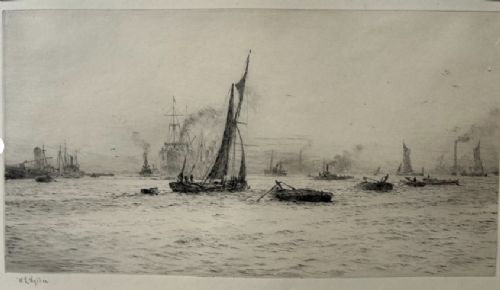


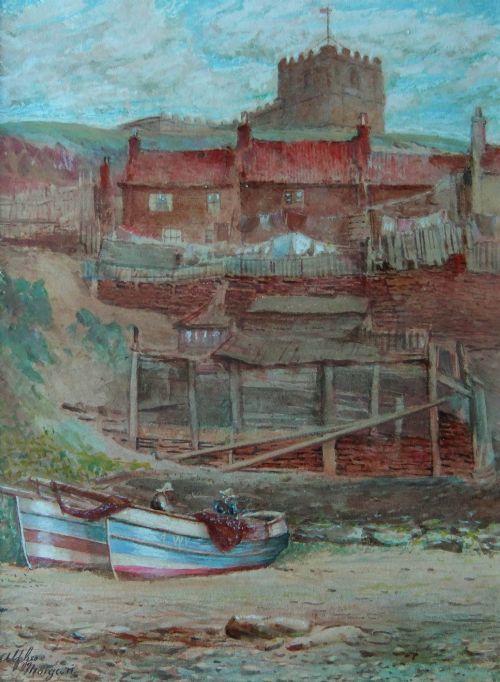
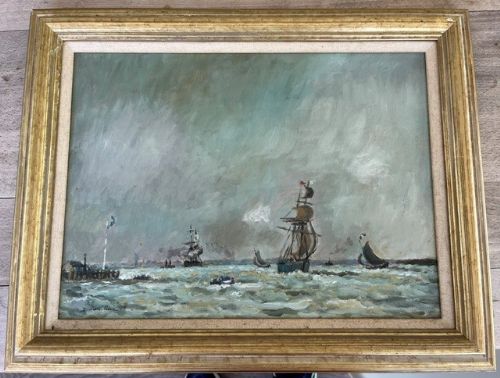

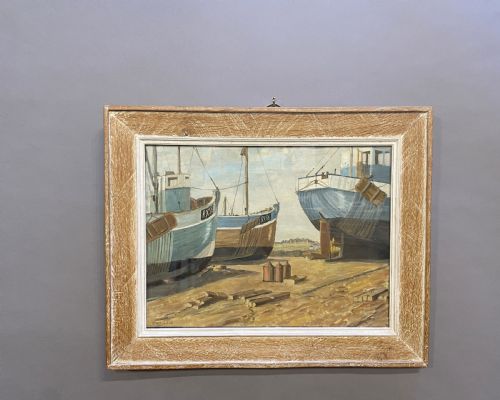
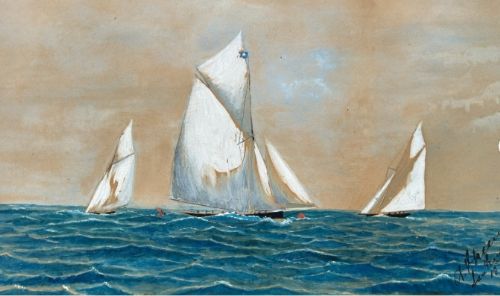


Original Signed Maritime Art
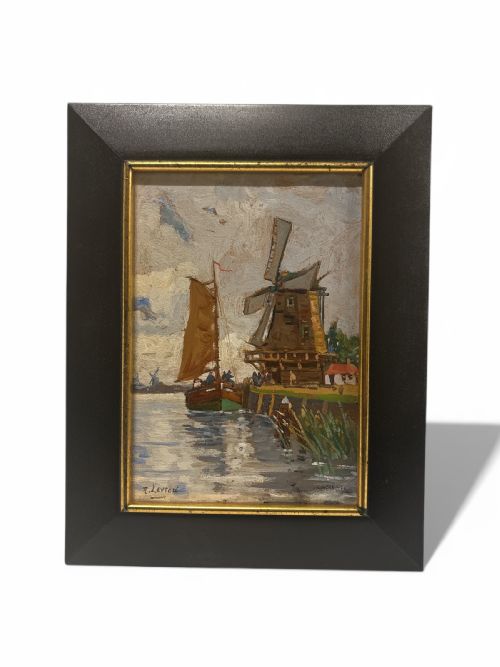
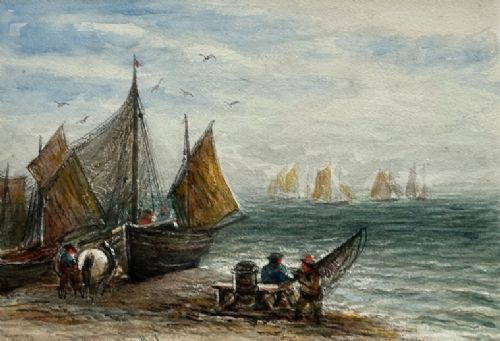
Original signed maritime art brings the movement of coastal tides, working harbours and open water directly onto your wall through authentic hand-painted and etched works.
Original Signed Maritime Art
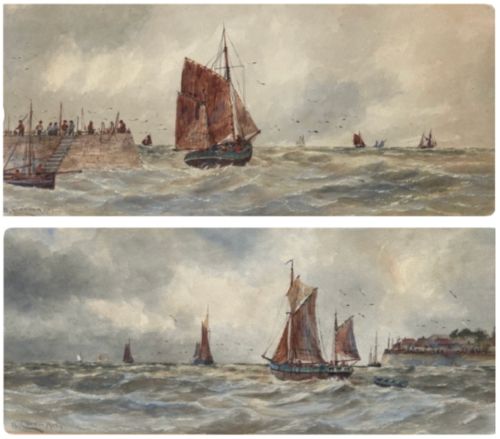
Original signed maritime art encompasses authenticated paintings, watercolours and etchings depicting coastal scenes, harbour views and vessels at sea. These works bridge historical record and artistic interpretation, capturing specific bodies of water from Brighton Beach to Venice and the River Thames.
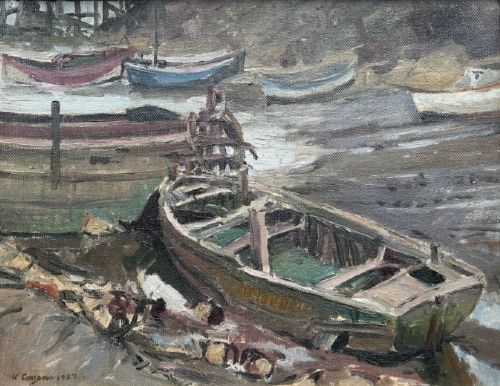
Pieces span from the late nineteenth century through the Edwardian era and into the mid-twentieth century. Buyers encounter traditional British watercolours alongside impressionist oils on board, wood panel and canvas.
The defining characteristic across the selection is the presence of an artist's signature, connecting the viewer directly to the creator's hand. Subjects range from busy Yorkshire fishing docks to racing yachts and quiet coastal inlets.
Materials and techniques
Watercolour pigment on paper remains a primary medium for capturing translucent coastal light and atmospheric sea spray. Artists also utilised oil paint applied to canvas, wood panels and board, frequently building rich impasto textures for choppy seas.
Etchings and prints involving ink on paper demonstrate precise linear draughtsmanship, particularly when pencil signed by the artist. Support materials vary from traditional stretched canvas to sturdy boards suited for plein air painting.
Listings feature works spanning the nineteenth century, Edwardian period, and mid-twentieth century, executed in watercolour, oil, and etching.
Distinctions in quality
Quality rests upon the confidence of the brushwork and the artist's ability to render water, light and vessel architecture convincingly. Stronger pieces display a sure hand in capturing movement, whether through rapid watercolour washes or thick oil impasto.
The prominence of the maker and the clarity of the signature also influence distinction, alongside the condition of the paper or panel. Works that successfully evoke the atmosphere of a specific coastal location demonstrate superior artistic execution.
William Lionel Wyllie·Alfred George Morgan·William Frederick Settle·Sam Bough·Maurice Sijs·Edward Wesson
The Original Signed Maritime Art Glossary
- Watercolour
- A painting method where fine pigment is suspended in water-soluble binder on paper. It allows for translucent washes that suit coastal skies and open water.
- Impasto
- Paint applied thickly to a canvas or board so that brush or palette knife marks stand proud of the surface. This technique creates physical texture in depictions of rough seas.
- Etching
- A printmaking process where lines are bitten into a metal plate with acid before ink is applied and transferred to paper. Pencil signed examples indicate direct involvement in the printing proof.
- Provenance
- The documented history or known origin of an artwork. It establishes authenticity and connects the piece to its creator or past collections.
- Seascape
- A work of art depicting the sea, coastal views, beaches or ships. It forms the primary subject matter for maritime works.
Original Signed Maritime Art: Frequently Asked Questions
How do I identify the date of a maritime painting?
Dates often appear alongside the artist's signature or within the title documentation provided by the dealer. Stylistic clues, such as Edwardian dress or Victorian ship designs, also help narrow down the period.
Examining the framing, backing materials, and the medium itself offers further physical evidence regarding the approximate age of the artwork.
What is the difference between an etching and a watercolour?
An etching is a printed work created from an inked metal plate, whereas a watercolour is a unique painted composition using water-soluble pigments on paper. Etchings can exist in multiple impressions, while watercolours are entirely singular.
Both mediums were frequently utilised by maritime artists to capture coastal subjects, but they offer distinctly different visual textures.
Where should I hang maritime art in my home?
Maritime art suits spaces with good natural light that complements the coastal subject matter, such as hallways, studies or living rooms. Keeping works away from direct, harsh sunlight protects watercolours and paper supports from fading over time.
Selecting a simple frame allows the historical character of the nineteenth or twentieth-century piece to remain the primary focus.
Are these works all painted outdoors?
Many nineteenth and twentieth-century maritime artists produced preliminary sketches or plein air watercolours directly on location at harbours and beaches. Finished studio paintings were often developed later using these observational studies for accuracy.
This combination of direct observation and studio work explains the lively detail found in harbour scenes.