



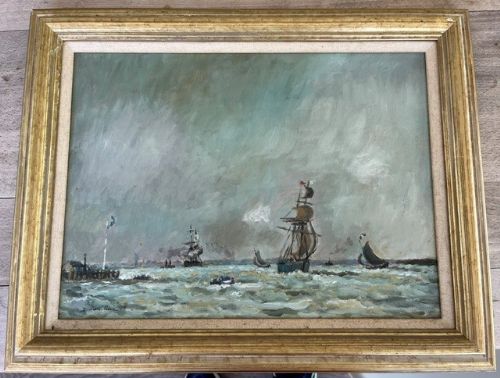


Original Ship Art
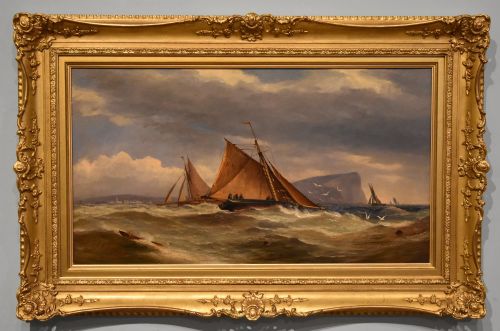
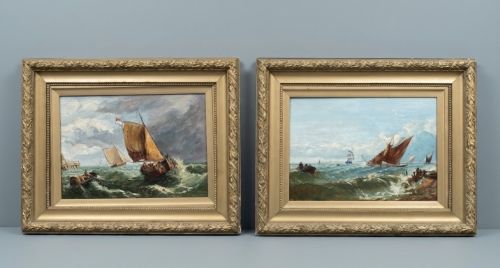
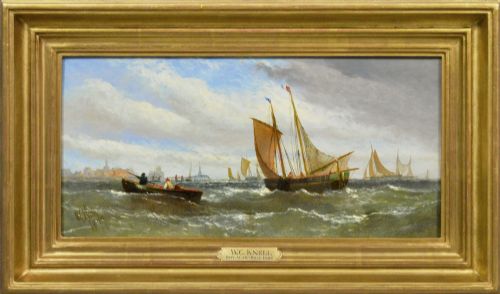
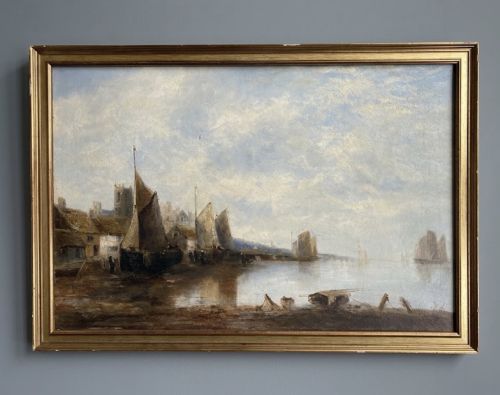
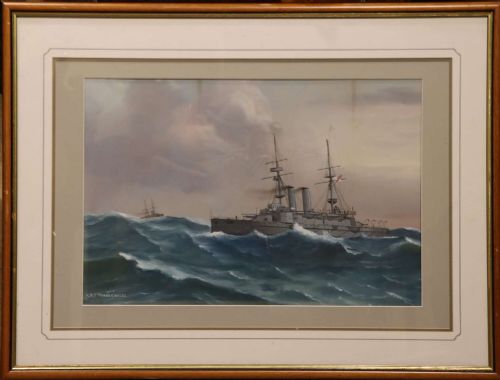
Original ship art brings the movement and history of the sea onto the wall through works spanning the eighteenth to the twentieth centuries.
Original Ship Art
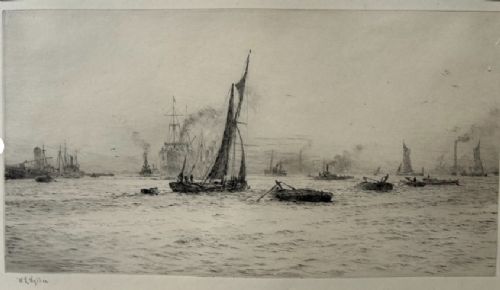
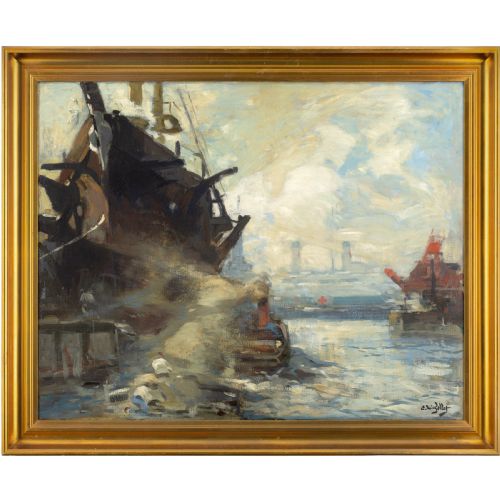
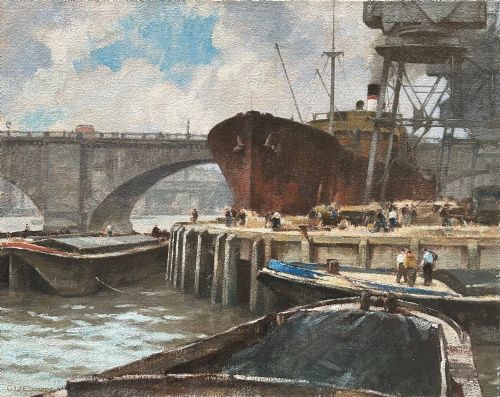
Original ship art captures maritime scenes, naval engagements, and coastal harbours through periods ranging from the eighteenth century to the mid twentieth century.
Buyers searching for original ship art meet a high proportion of nineteenth century and Edwardian works, spanning detailed watercolours and oils on canvas or board.
The subjects on this page run from merchant sailing ships and clipper ships like the Thermopylae to bustling port scenes on the River Thames and stormy coastal waters.
How these works were made
Artists painted these marine scenes using oil on canvas, oil on board, and watercolour pigment on paper, often framing the finished works in period wood and gilt mouldings.
Mediums such as gouache and pencil signed etchings also appear, recording maritime subjects with fine linear detail or opaque pigment layers.
Original Ship Art Retail Price Guide 2026
Typical asking prices for original ship art among the pieces listed under this phrase on Sellingantiques today, from the lower quarter to the upper quarter. They describe what is for sale here now, not the wider market.
A sturdy nineteenth century sailor from the vessel Winifred keeps watch from his original oak frame.
What varies in quality
The strength of original ship art rests in the artist's command of atmospheric light, water movement, and the precise rigging of vessels.
Works by named nineteenth and twentieth century marine painters demonstrate a surer handling of maritime perspective and tone than anonymous school pieces.
William Calcott Knell·Eugène-Louis Gillot·William Lionel Wyllie·Abraham Hulk I·Thomas Bush Hardy·Paul Jean Clays
The Original Ship Art Glossary
- Seascape
- A painting or watercolour depicting the sea, coastal views, or ships in open water. These works form the core of maritime imagery.
- Gouache
- An opaque watercolour medium used by artists to build solid blocks of colour and bright highlights on paper. It offers greater opacity than standard watercolours.
- Etchings
- Print works created by incising lines into a metal plate with acid before printing onto paper. Signed impressions carry the artist's signature in pencil below the image.
- Clipper
- A very fast nineteenth century merchant sailing ship with three masts and square sails. They are frequently depicted in marine paintings for their sleek lines.
- Man-Of-War
- A powerful armed warship from the age of sail, carrying cannons. These vessels feature prominently in eighteenth and nineteenth century naval art.
Original Ship Art: Frequently Asked Questions
What subjects appear in original ship art?
The works depict merchant vessels, clipper ships, warships, and fishing boats operating in harbours and open seas.
Scenes range from calm coastal anchorages to stormy weather and historical naval engagements.
How do I date a marine painting?
Dating relies on the ship types shown, the artist's recorded working life, and framing materials like original oak or gilt mouldings.
Clothing styles on figures and the paper or canvas supports also help narrow the period.
Were these pieces framed originally?
Many works survive in period wood, oak, or hand enamelled polychrome frames that match the date of the artwork.
Original framing helps preserve the piece and indicates how the art was displayed in past centuries.
What is the difference between oil and watercolour ship art?
Oil paintings use pigment suspended in drying oil on canvas or board, offering rich textures and deep tones for dramatic seas.
Watercolours use water soluble pigments on paper, creating lighter, translucent views of harbours and coastal light.