


Original Sepia Artwork
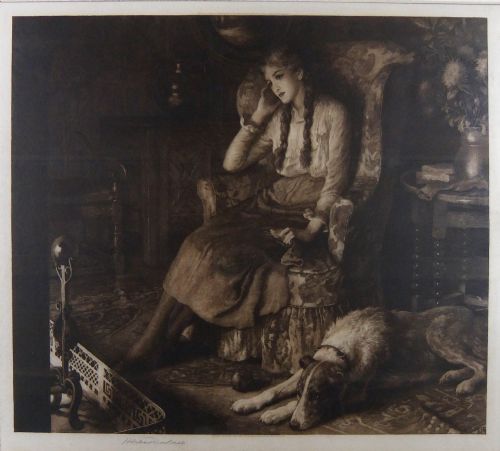
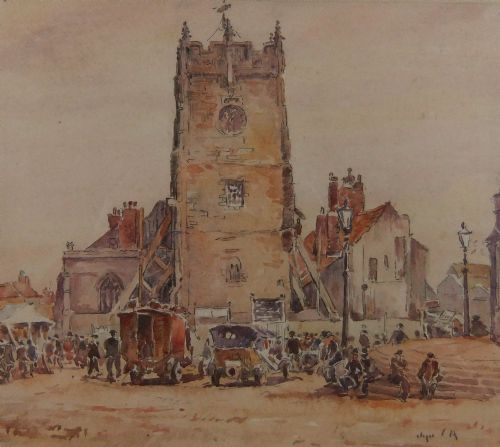
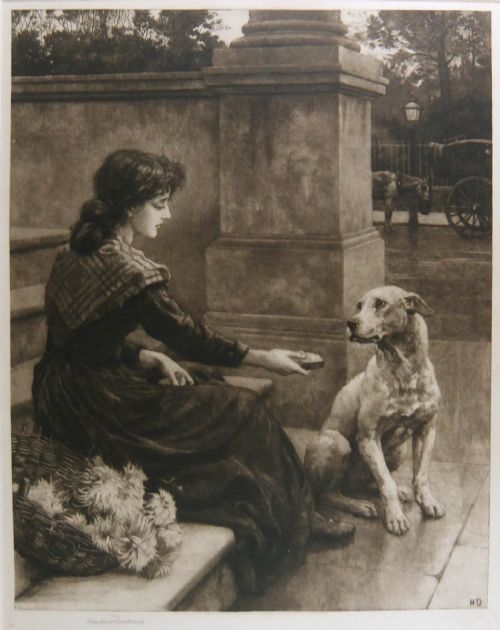
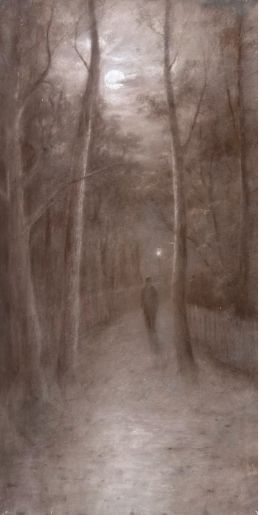
Original sepia artwork offers a glimpse into historical draughtsmanship, capturing monochrome tones from centuries past.
Original Sepia Artwork
When seeking original sepia artwork, buyers encounter pieces that span from the eighteenth century through to the mid-twentieth century. The selection includes works executed across the Georgian, Victorian, and Edwardian periods, stretching into Art Deco and mid-century modern eras.
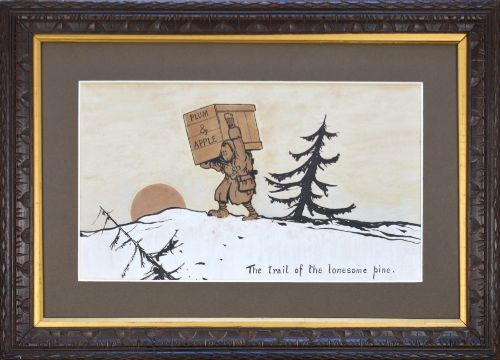
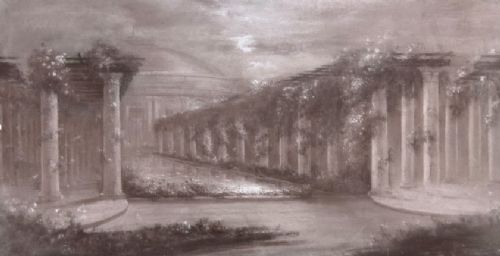
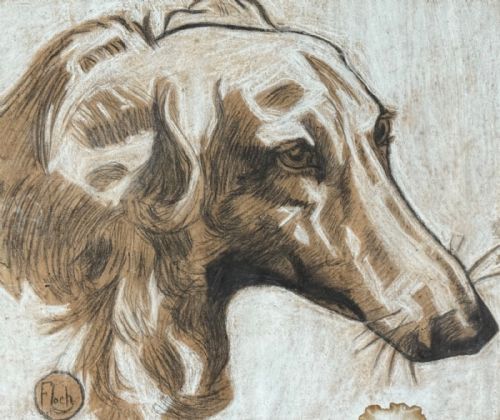
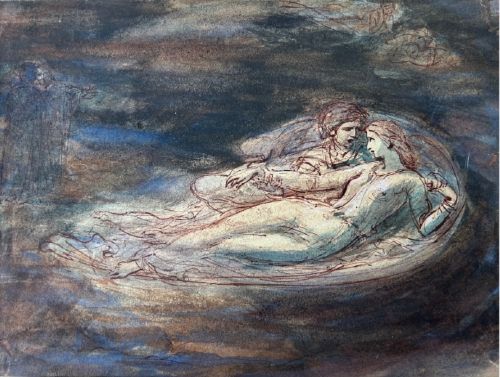
Most examples materialise as ink drawings, wash sketches, and hand-coloured etchings rather than heavy oil paintings. Subjects range from British landscapes and coastal marine scenes to literary sketches and theatrical studies on paper.
The aesthetic relies on monochrome or brownish monochrome tones created through ink, pencil, and charcoal. These pieces often present as preparatory studies or finished works on paper, sometimes mounted to canvas stretchers.
Materials and techniques
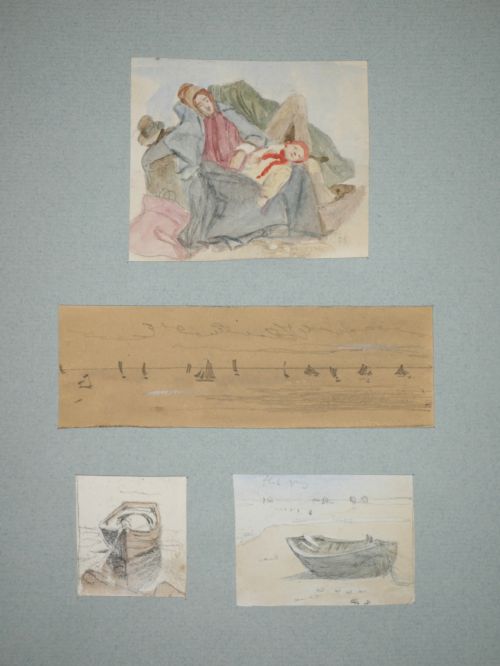
Makers applied ink, wash, charcoal, and graphite directly onto paper supports, occasionally utilising buff paper or adding subtle watercolours. Pen and ink work formed the baseline for intricate line drawings, while wash techniques built up tonal depth.
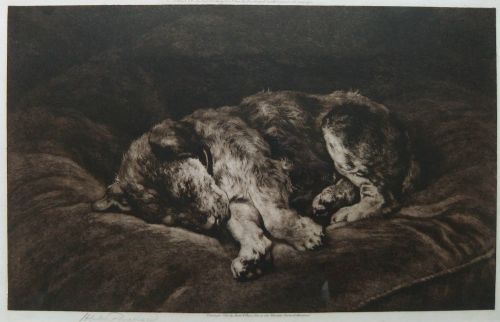
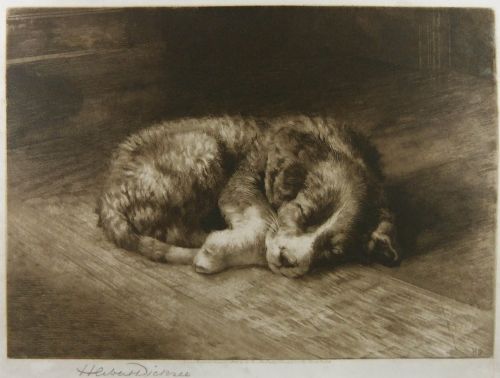
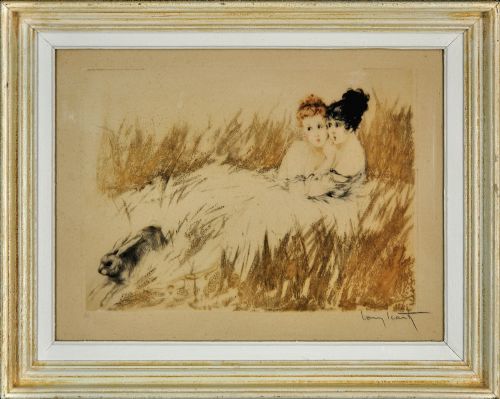
Etchings combined metal plates with ink applications, sometimes enhanced by hand-colouring. Wood frames and glass protected these delicate paper works from atmospheric damage.
Listings feature paper, ink, and wash across pieces spanning the eighteenth to mid-twentieth centuries.
Determining quality
Quality rests in the precision of the draughtsmanship and the expressive capability of the monochrome palette. Stronger works demonstrate confident line work and effective tonal contrasts that give depth to ink and wash compositions.
Condition of the paper support and clarity of the medium dictate the standing of a piece. Works preserved without heavy foxing or fading maintain their original visual impact far better than compromised examples.
Bruce Bairnsfather·Herbert Dicksee·James Smetham·William Marshall Craig·John Smith Atherton·Robert Leslie Howey·Louis Icart·Richard Harry Carter·William Frederick Settle·Alfred Dehodencq·Charles James Lauder·Michael Lyne·J W Hogley·John Augustus Atkinson·George Arthur Fripp·Frederick William Booty·Leslie Rackham·Henry Barlow Carter·Thomas Rowlandson·James Dobie·W Dendy Sadler·Hercules Brabazon Brabazon·Lawrence Stephen Lowry·Samuel Palmer
The Original Sepia Artwork Glossary
- Wash
- A technique where diluted ink or watercolour is applied evenly across paper to create smooth background tones or shadow effects. This method provides the characteristic gradients seen in monochrome sketches.
- Etching
- A printmaking process where lines are incised into a metal plate with acid before ink is applied and transferred to paper. Artists often pulled multiple impressions from a single prepared plate.
- Buff paper
- A pale brownish-yellow paper stock commonly utilised in nineteenth and early twentieth-century drawing. It offered a neutral mid-tone background for charcoal and gouache highlights.
- Preparatory study
- A preliminary sketch or drawing executed by an artist to plan a larger composition or test a specific subject. These works record the immediate thought process behind finished paintings.
Original Sepia Artwork: Frequently Asked Questions
How should I display my artwork?
Keep works on paper away from direct sunlight to prevent the ink and sepia tones from fading over time. Framing with acid-free mounts and protective glass preserves the paper.
Ensure your display space maintains stable humidity levels to avoid warping the paper or encouraging foxing spots.
What periods do these pieces cover?
The available selection spans from the eighteenth century through the Victorian and Edwardian eras into the mid-twentieth century. This timeline covers Georgian draughtsmanship, Victorian realism, and early modernist influences.
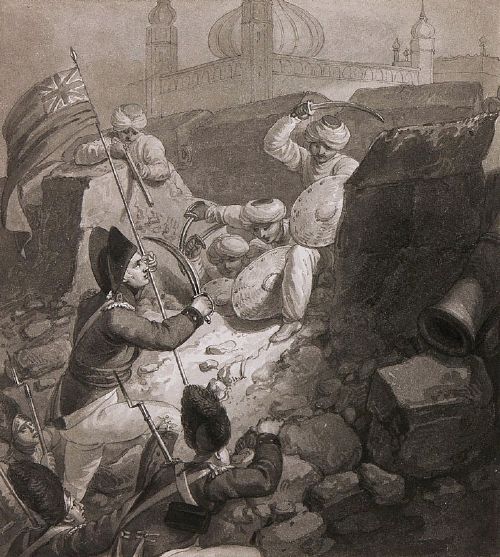
Each period brings distinct subject matter, ranging from historical military scenes to maritime watercolours and theatrical sketches.
What materials were used?
Artists worked primarily on paper supports, using ink, pencil, charcoal, and wash to build monochrome images. Some pieces incorporate gouache or subtle watercolours alongside the dominant sepia tones.
Frames typically consist of wood and glass to safeguard the fragile paper and mixed media components.
How do I identify different drawing styles?
Examine the line work and tonal application to distinguish between rapid preparatory studies and finished etchings or wash paintings. Pre-Raphaelite and Victorian realism styles often show meticulous detail, whereas Impressionist influences rely on looser brushwork.
Reference the artist and period notes to understand the regional schools and stylistic movements shaping each composition.