




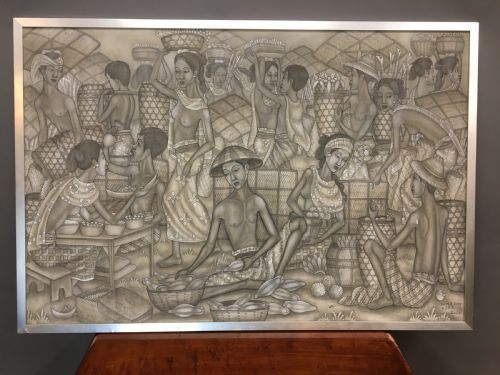

Framed Sepia Painting
A framed sepia painting brings monochrome warmth into a room, offering tonal depth through historic pigments on paper or canvas.
Framed Sepia Painting
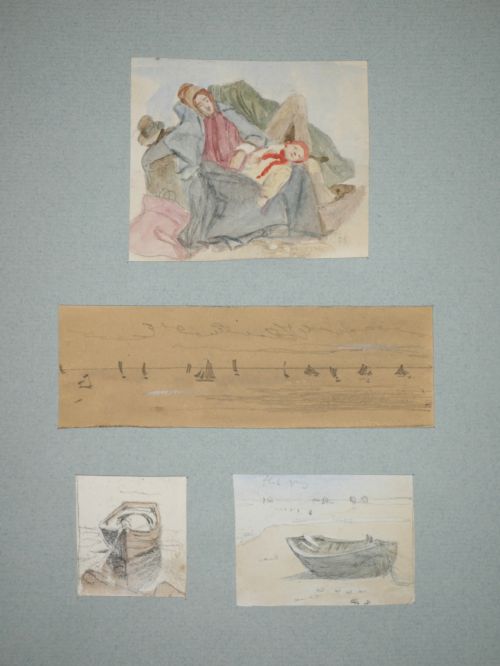
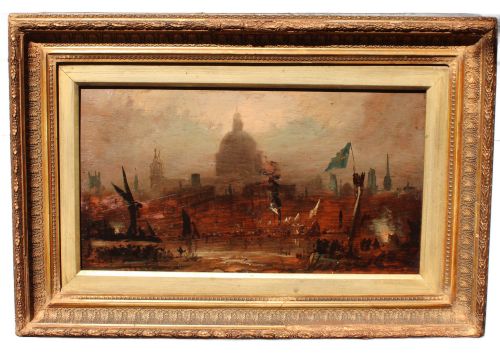
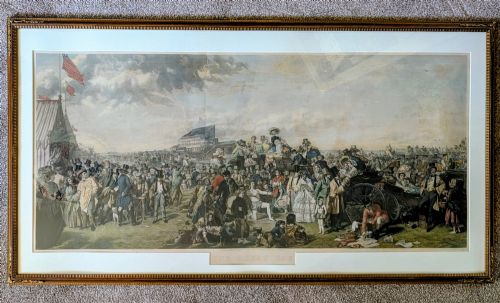
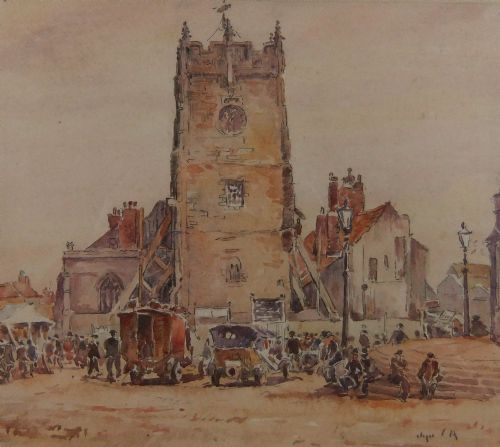
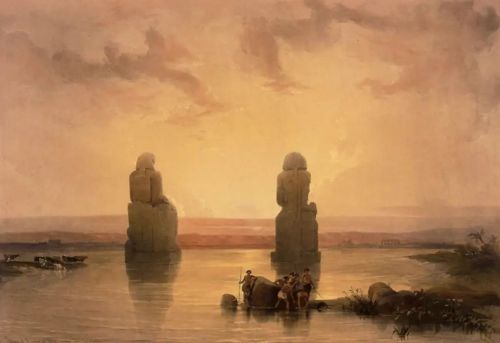
A framed sepia painting encompasses monochrome works rendered in brownish tones, spanning periods from the eighteenth century through the mid twentieth century. Buyers seeking this aesthetic encounter diverse subjects, including marine views, architectural studies, and portraits.
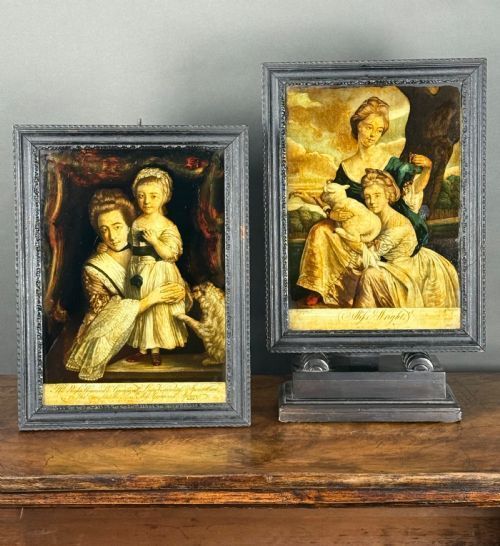
The selection ranges from early nineteenth century watercolours and pencil drawings to twentieth century illustrations and reverse glass pieces. These works carry historical weight, often reflecting British, French, or Belgian artistic traditions of their respective eras.
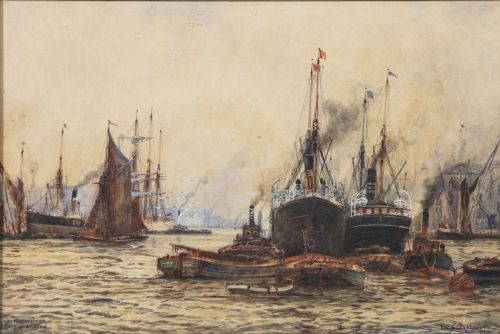
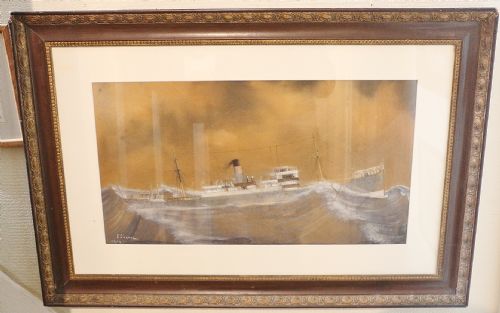
Within this category, buyers frequently find maritime scenes, architectural landscapes, and portraiture executed in restrained, single colour palettes. Such pieces provide a distinct alternative to vibrant multicoloured works, relying entirely on tonal graduation for their impact.
Materials and Techniques
Artists executed these works primarily on paper or canvas, employing watercolour pigment, ink, and gouache to build monochromatic depth. The application often involved washes of sepia or similar brown pigments to create shadow and light without relying on full colour.
Mounting and framing played a crucial role in preservation, utilising wood, glass, and occasionally gilt or gold leaf accents. Many surviving examples retain period frames that complement the restrained tones of the central artwork.
Listings feature works spanning from the eighteenth century to the mid twentieth century, utilising paper, canvas, and glass.
Assessing Quality
Quality rests upon the sensitivity of the tonal handling and the precision of the draughtsmanship beneath the pigment. Finer works display confident brushwork and controlled washes that impart genuine atmosphere to a scene.
The preservation of the paper or canvas alongside the integrity of the original framing significantly influences the standing of a piece. Works that retain their primary mount and display minimal fading of the brown pigment command greater appreciation.
Bruce Bairnsfather·James Smetham·Frank William Scarbrough·John Smith Atherton·David Roberts·Richard Harry Carter·Alexandre Louis Martin·William Frederick Settle·George Arthur Fripp·Hercules Brabazon Brabazon·Samuel Palmer·Pio Panfili·W Tatton Winter·Thomas Clavering Alder
The Framed Sepia Painting Glossary
- Sepia
- A brownish pigment traditionally derived from the ink sac of the cuttlefish. It forms the primary tonal base for monochrome historic paintings.
- Gouache
- An opaque water based medium often combined with watercolour in these works. It adds body and highlights to monochrome compositions.
- Mezzotint
- A printmaking process of the intaglio family where the image is worked from dark to light. It yields rich tonal graduations well suited to monochrome display.
- En Grisaille
- Painting executed entirely in shades of grey or neutral monchromatic tones. It mimics the appearance of relief sculpture or stone.
- Watercolour
- A paint whose pigments are suspended in a water soluble solution. Applied in washes, it creates translucent layers on paper.
Framed Sepia Painting: Frequently Asked Questions
What periods do these paintings cover?
The available works span several centuries, with a strong representation from the eighteenth, nineteenth, and early twentieth centuries.
Pieces reflect the prevailing artistic movements of their specific decades, ranging from Georgian and Victorian studies to Edwardian illustrations.
Are these works always executed on paper?
While paper serves as the primary support for watercolours and drawings, certain examples utilise canvas or glass.
Artists occasionally employed tempera on canvas or executed reverse paintings directly on glass panels for distinct visual effects.
How do I care for a historic monochrome painting?
These works require protection from direct sunlight to prevent the fading of delicate brown pigments and paper supports.
Maintaining stable indoor humidity levels ensures that both the historic frame and the artwork remain preserved over time.
What subjects are most common?
Maritime scenes, architectural views, and portraiture appear frequently across the selection.
Artists often recorded contemporary shipping, coastal towns, and structural studies using restricted monochromatic palettes.