

Original Seascape
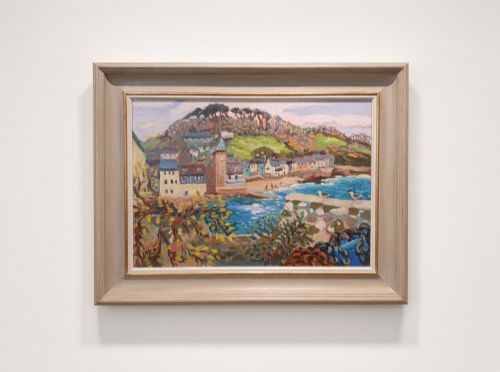
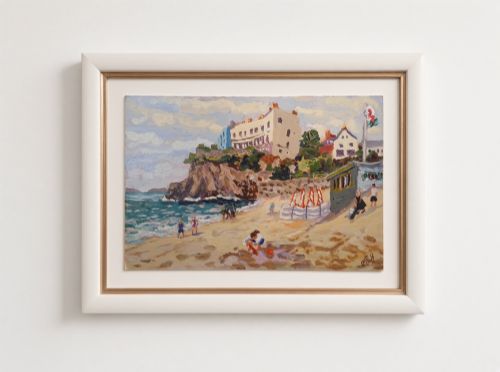
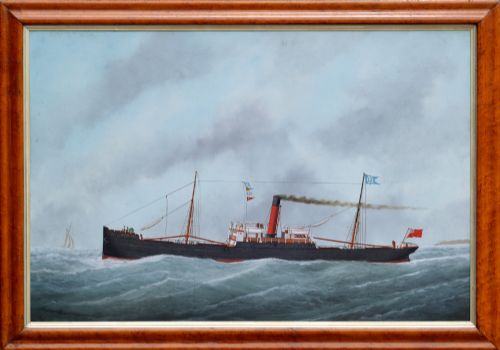
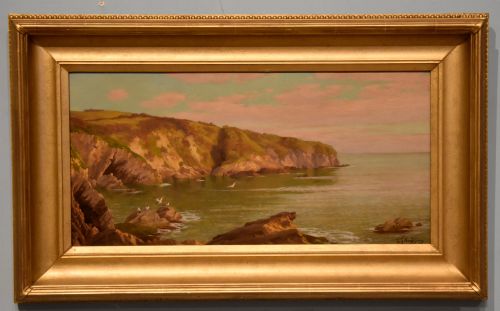
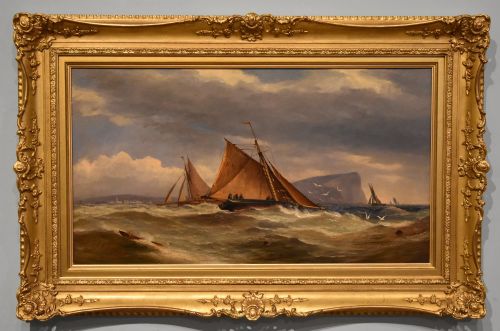
An original seascape captures the unpredictable movement of water through the direct hand of an artist working from the 19th century onwards.
Original Seascape
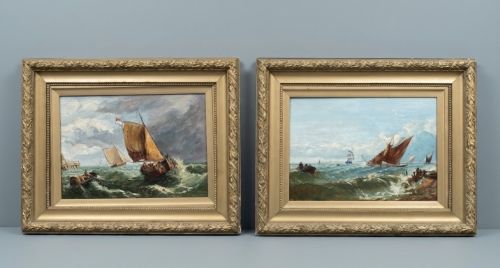
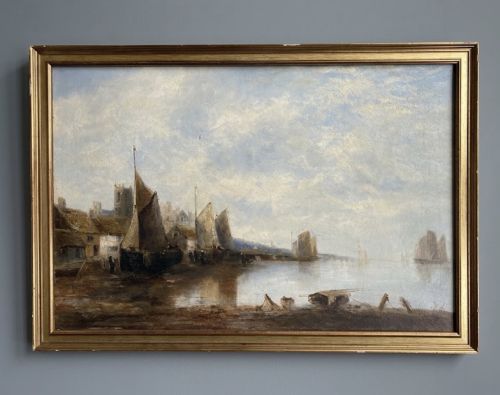
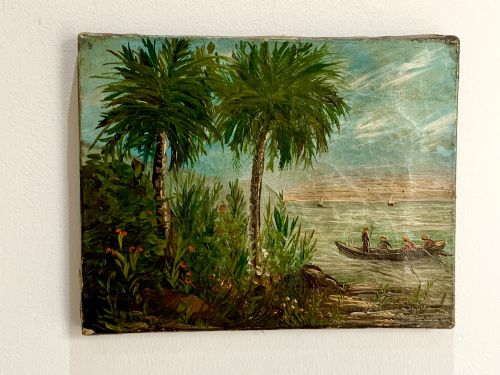
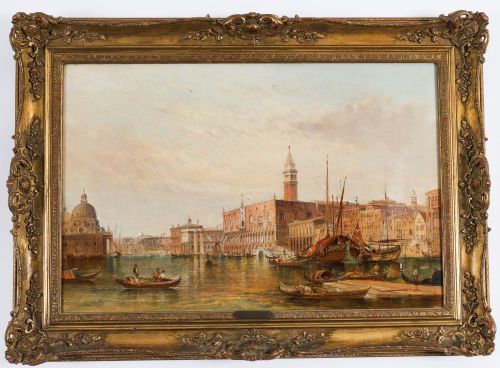
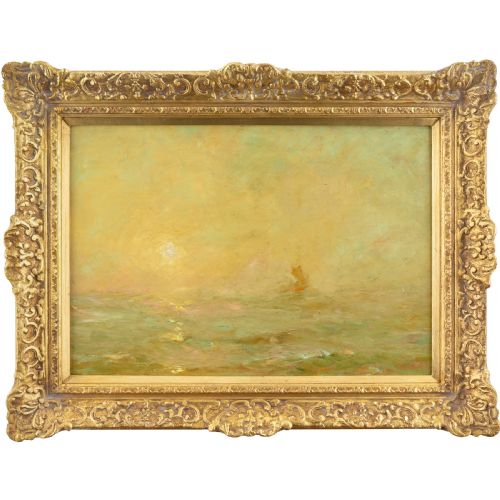
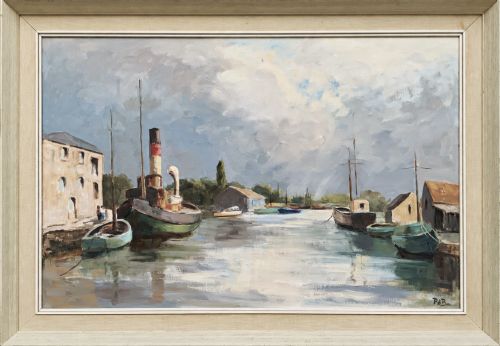
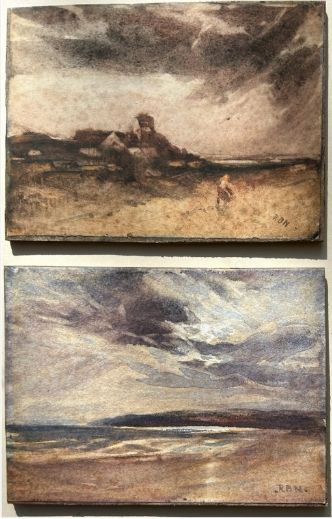
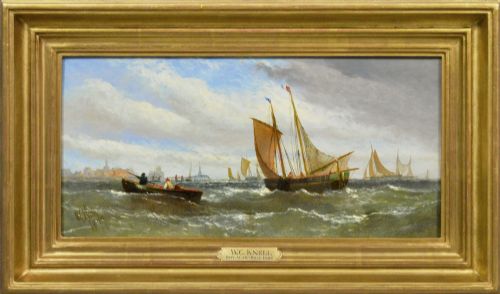
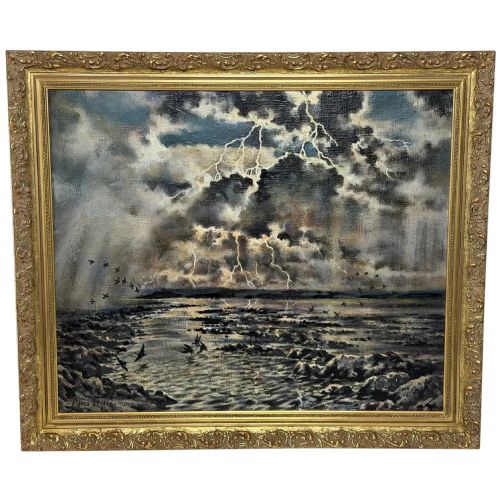
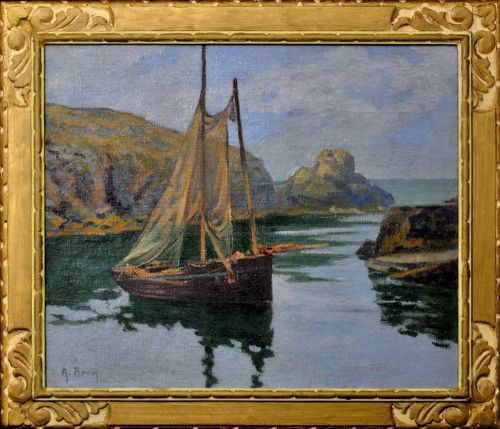
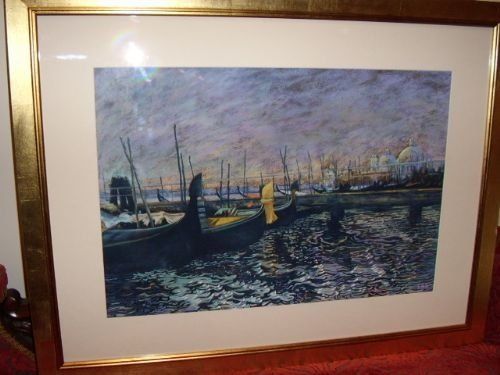
When you search for an original seascape, you encounter oil paintings, watercolours, and pastels depicting coastal views, harbours, and open water. The selection spans the 19th century through the mid-20th century, encompassing British Impressionism, Victorian marine art, and mid-century modern interpretations.
You are most likely to meet Victorian and Edwardian watercolours of fishing boats alongside mid-century oil paintings on board or canvas. These pieces range from intimate coastal sketches to substantial framed oils of Venetian canals and stormy shores.
What varies in quality
The distinction between standard works and exceptional pieces lies in the artist's handling of light, atmosphere, and brushwork. Superior paintings demonstrate a confident grasp of marine movement and spatial depth rather than rigid adherence to topographical detail.
Condition of the medium and the presence of original framing contribute to the integrity of the piece. Works that retain their surface varnish and paper stability without excessive fading command greater visual presence.
Original Seascape Retail Price Guide 2026
Typical asking prices for original seascape among the pieces listed under this phrase on Sellingantiques today, from the lower quarter to the upper quarter. They describe what is for sale here now, not the wider market.
Several artists preferred painting stormy seas over calm harbours, risking damp sketchbooks for dramatic waves.
William Calcott Knell·Peggy de Brett·William Ayerst Ingram·Robert Buchan Nisbet·Sir David Murray·Donald McIntyre·Kenneth Cozens·James Orrock·William Cannon·James Smetham·Sidney A Court·Eric Tufnell·William Banks Fortescue·Thomas William Morley·Clive Browne·Peter Brannan·Francis Moltino·Hector Caffieri·Lucy Pratt·James Fry·Ethel Sands·Cecil Allan Mould·Joseph Farquharson·William Matthison·Thomas Hodgson Liddell
The Original Seascape Glossary
- En plein air
- Painting outdoors to capture natural light and atmospheric conditions directly. This method defined much of the coastal and marine work produced across the periods.
- Gouache
- An opaque watercolour paint that dries to a matte finish. It provides strong highlights and solid colour areas in maritime works on paper.
- Marine art
- Depictions of ships, boats, harbours, and coastal views. This genre encompasses both documentary naval scenes and atmospheric seascapes.
- Pastel
- A dry medium made of powdered pigment and a binder, used for direct drawing. It creates soft, velvety textures suited to evening coastal light.
- Impressionism
- A style emphasising small, thin brush strokes and open composition to capture light. British practitioners applied this to local fishing ports and shorelines.
Original Seascape: Frequently Asked Questions
How do I date a coastal oil painting?
Examination of the canvas support, stretching methods, and the style of the artist's signature provide initial chronological clues. Period framing styles also offer reliable indicators of when the work was created.
Comparing the subject matter with known exhibition dates or biographical details of the painter helps narrow the decade of production.
Were these watercolours meant to be framed?
Works on paper from the 19th and early 20th centuries were routinely framed behind glass to protect the delicate watercolour pigments from moisture and fading. Original antique frames often accompany these watercolours.
Protecting the paper from direct sunlight remains essential for preserving the original intensity of the marine pigments.
What is the difference between oil on canvas and oil on board?
Canvas provides a flexible woven textile support that responds to wooden stretcher frames, common in larger maritime paintings. Board offers a rigid, solid panel surface frequently utilised for smaller plein air studies.
Both supports received similar oil paint applications, though board paintings often lack the canvas weave texture visible on the painted surface.
How should I care for a vintage maritime painting?
Display the artwork away from direct sunlight and sources of extreme temperature fluctuation to protect the paint layer and wood or canvas support. Maintaining stable indoor humidity prevents cracking in older oils.
Professional conservation should be consulted if the surface accumulates dust or if the varnish shows signs of darkening over time.