




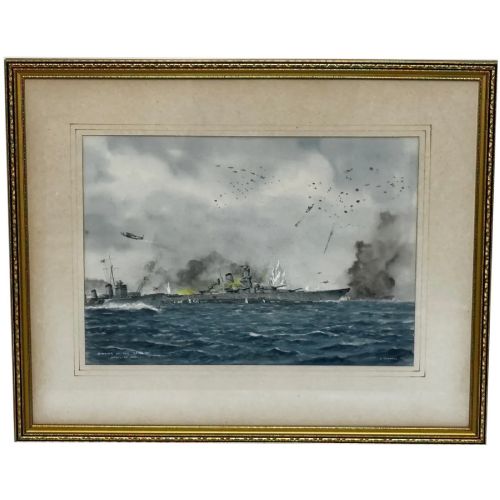

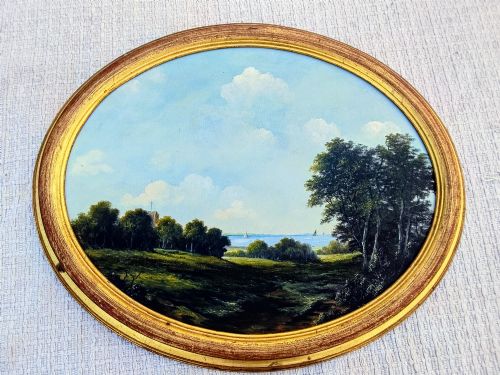
Original Seascape Painting
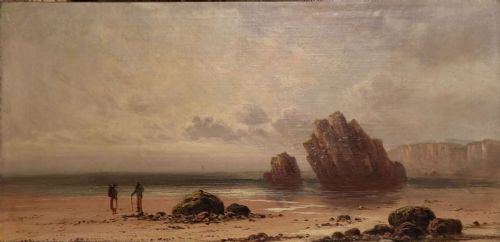
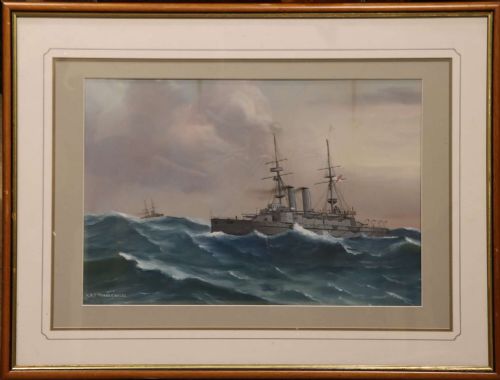
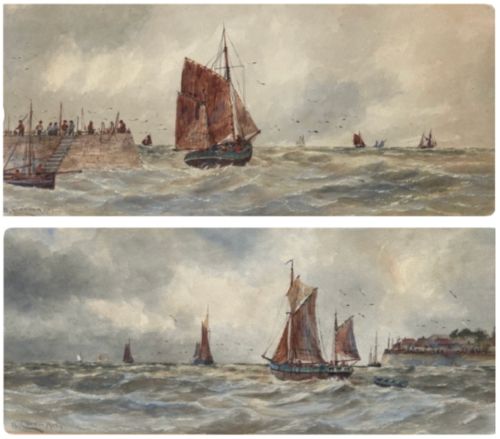
An original seascape painting captures the restless energy of the coast, offering a direct window into nineteenth and twentieth century maritime life.
Original Seascape Painting
When searching for an original seascape painting, buyers encounter works spanning from the Victorian period through the mid twentieth century. These pieces record maritime activity, coastal towns, and open waters across Britain and beyond.
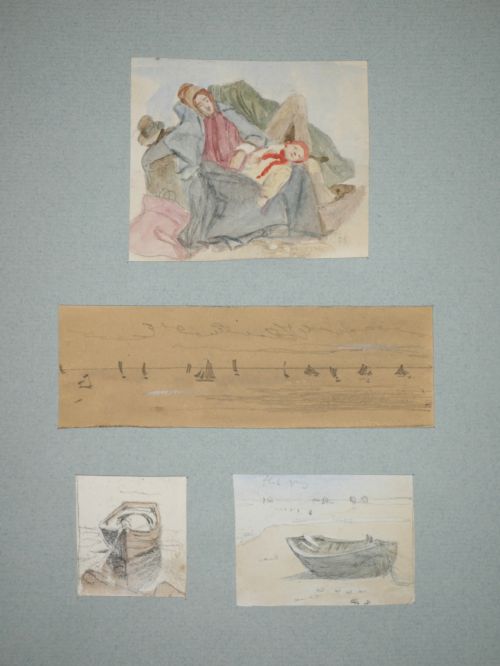
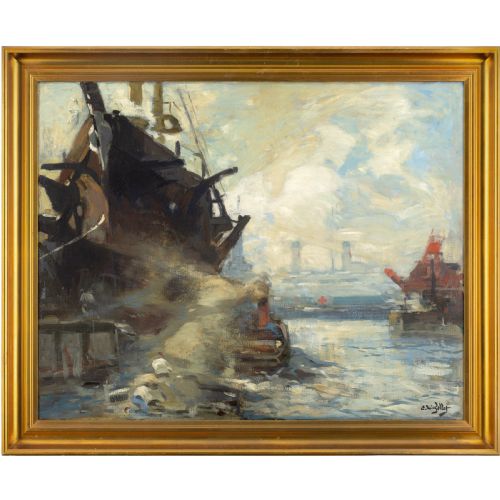
The selections available here range from detailed nineteenth century harbour watercolours to bolder mid twentieth century oil paintings on board. Each piece reflects the shifting artistic approaches to recording the sea over successive generations.
Subject matter frequently centres on working vessels, fishing boats, and specific coastal locations such as Cornish harbours, Yorkshire cliffs, and Venetian canals. The works vary from intimate watercolours on paper to substantial oil paintings on canvas.
Materials and methods
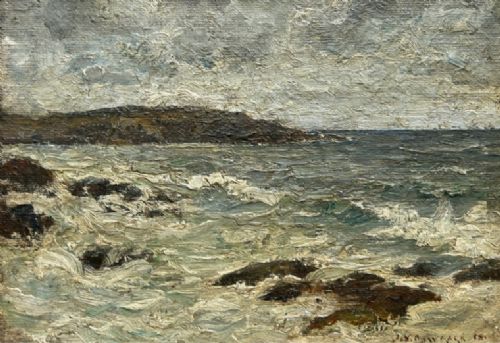
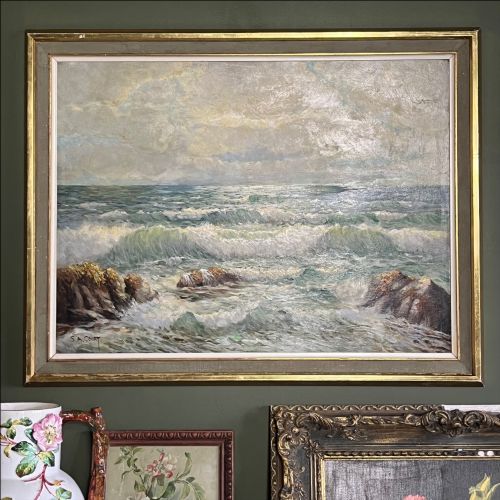
Artists relied primarily on oil paint applied to canvas or wood board, alongside watercolours worked on paper or card. Oil pigments allowed for rich, layered textures capable of conveying crashing waves and heavy storm clouds.
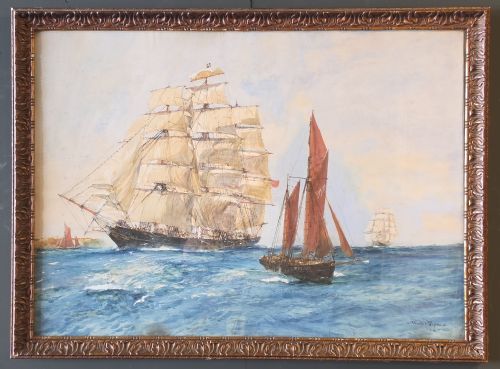
Watercolour techniques captured the transient effects of light and atmosphere along the shore, often utilising washes to render sea mists and open skies. Many period works retain their original gilt wood frames, which complement the tonal balance of the paintings.
Listings feature works across the nineteenth century, Victorian era, and mid twentieth century, utilising oil, watercolour, canvas, and gilt wood.
Judging quality
Quality rests upon the artist's ability to handle atmospheric light and the dynamic movement of water with conviction. Stronger pieces demonstrate confident brushwork and precise topographical or nautical understanding.
Condition plays a central role, with preference given to works retaining their original surface integrity and unrestored pigment. The integration of period framing further elevates the standing of an individual piece.
James Webb·William Frederick Settle·Thomas Herbert Victor·Henry Barlow Carter·Abraham Hulk I
The Original Seascape Painting Glossary
- En plein air
- Painting executed out of doors to capture direct observations of natural light and weather. This method was widely adopted by nineteenth and twentieth century coastal artists.
- Impasto
- Paint applied thickly to a surface, standing out in relief from the plane. This technique is frequently utilised to render the turbulent texture of foaming seawater.
- Maritime art
- Works depicting ships, shipping, and coastal views. It encompasses both naval engagements and everyday scenes of fishing fleets.
- Gilt wood
- Wood coated with gold leaf or a gold-coloured metallic finish. It is commonly found on frames housing Victorian and Edwardian oil paintings.
- Watercolour
- A paint consisting of water-soluble pigments suspended in a gum binder. Artists applied it to paper to achieve translucent effects.
Original Seascape Painting: Frequently Asked Questions
How do I date an old seascape?
Dating relies on stylistic clues, framing methods, and artist signatures recorded in historical records. Clothing styles of figures on the shore or the rigging of depicted vessels also provide reliable chronological markers.
Paper stock, stretcher bars, and old inscriptions on the reverse of the canvas or board offer further confirmation of the period. Comparing techniques with known works by the same hand helps narrow the decade of creation.
Were these paintings made outdoors?
Many artists painted en plein air along cliffs and beaches to capture shifting light and weather conditions directly. Smaller watercolours and panel paintings were particularly suited to outdoor execution.
Larger canvas works, especially detailed harbour scenes with multiple vessels, were typically finished inside a studio using preliminary sketches and watercolours gathered at the coast.
How should I frame a coastal painting?
Period works often present best in their original gilt wood frames, which reflect the aesthetic tastes of the era in which they were painted. If a frame is replaced, choose a style appropriate to the date of the artwork.
Ensure the painting is glazed with conservation glass if it is a watercolour on paper, as this protects the pigments from fading in direct sunlight.
What subjects are most common?
Fishing boats, harbour entrances, and sailing clippers dominate the maritime subjects found in these collections. Artists frequently recorded specific British coastal communities, including St Ives, Whitby, and Scarborough.
Venetian scenes and open sea views under stormy or moonlit skies also appear regularly among nineteenth and twentieth century works.