




Original Rose Painting
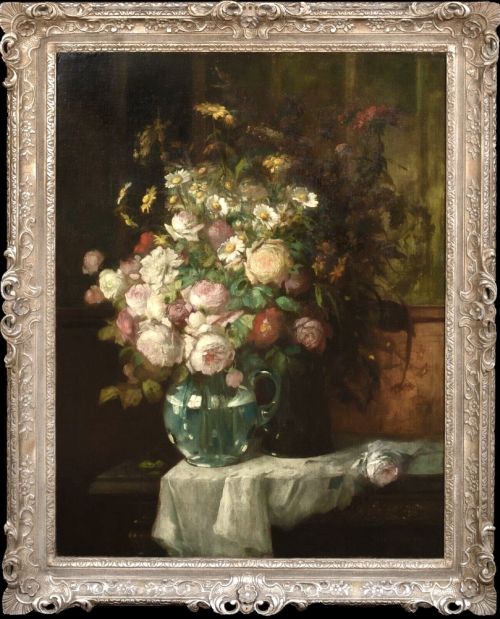
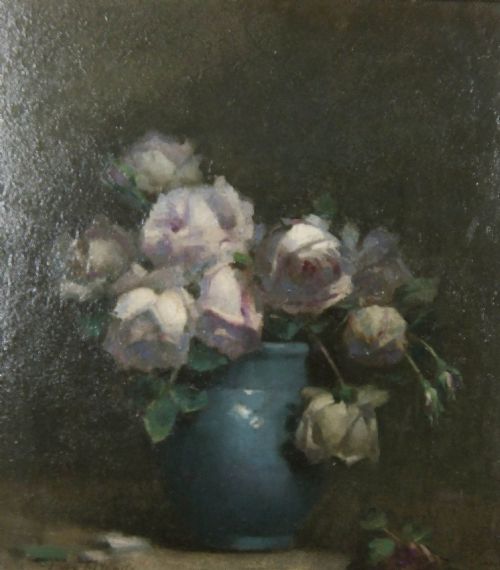
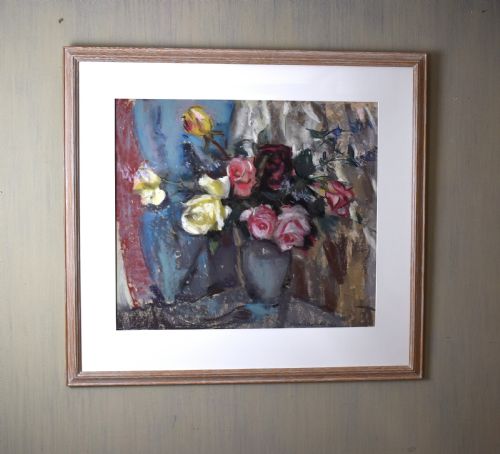
Original rose painting works capture floral subjects across canvas, board and paper, bringing enduring natural beauty directly into your interior.
Original Rose Painting
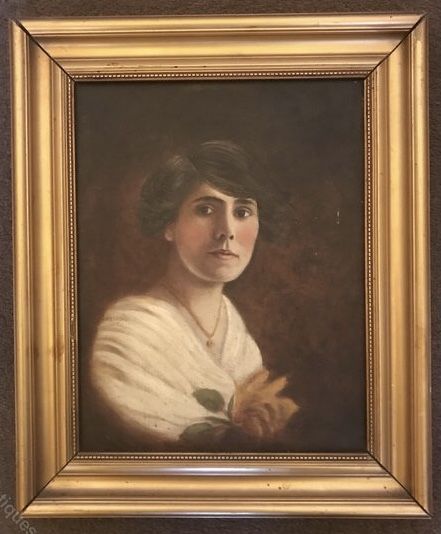
Original rose painting encompasses floral still lifes, garden studies, and portraits featuring these blossoms, spanning from the Victorian era through the mid-twentieth century. Pieces range from intimate watercolours and pastels to substantial oil paintings on canvas and board, reflecting diverse European and British movements.
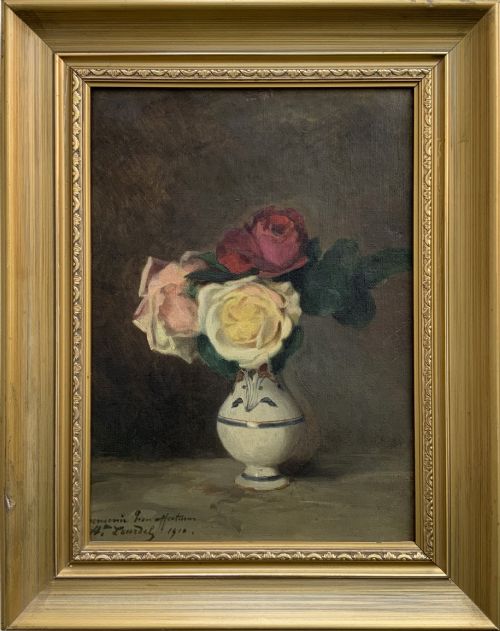
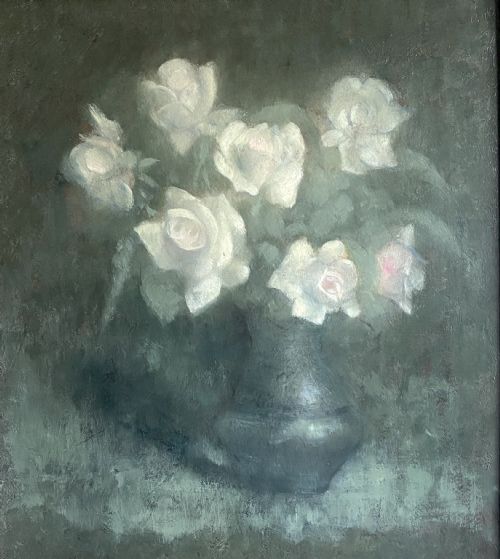
The version most commonly encountered in this selection is the early twentieth-century still life executed in oil, often capturing loose arrangements of garden roses. Works from this period demonstrate a transition towards impressionistic brushwork while retaining traditional botanical accuracy.
Collectors also find mid-century interpretations and nineteenth-century academic studies, showing how artists across different decades rendered the subtle textures and tones of petals. Each piece offers a direct connection to the painter's hand without the mediation of mechanical reproduction.
Materials and Techniques
Artists utilised traditional media such as oil paint, watercolour, tempera, and pastel applied to prepared canvas, wooden board, or heavy paper supports. Oil paints provided richness and depth, allowing layers of pigment to build realistic petal structures and luminous backgrounds.
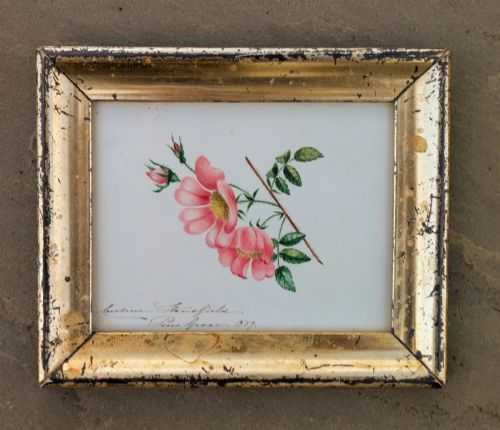
Watercolour and pastel works relied on the bright luminosity of paper grounds, capturing delicate transparency in wild roses and garden varieties. Many pieces retain their period frames, constructed from wood and frequently finished with gold leafing to complement the imagery.
Original Rose Painting Retail Price Guide 2026
Typical asking prices for original rose painting among the pieces listed under this phrase on Sellingantiques today, from the lower quarter to the upper quarter. They describe what is for sale here now, not the wider market.
Represented periods span the nineteenth century, Art Nouveau, Edwardian era, and Mid-Century Modern.
Evaluating Quality
Quality rests in the confidence of the brushwork and the artist's ability to render light across organic forms without stiffness. Superior examples reveal expressive handling of paint that suggests texture and atmosphere rather than relying on rigid botanical illustration.
Compositional balance and tonal harmony distinguish accomplished works from routine decorative output, as does the condition of the pigment and support. Signed pieces by established painters demonstrate a higher degree of technical mastery in capturing the ephemeral nature of flowers.
Konstantin Stoitzner·William Thomas Wood·Stuart Armfield·Thomas Rose Miles·Phyllis I Hibbert·Lena M Alexander·Ernest Higgins Rigg·Owen Bowen·Lilian Stannard·Alfred Seifert·Jules Felix Ragot
The Original Rose Painting Glossary
- Still life
- A painting or drawing depicting inanimate subject matter, typically commonplace objects which may be either natural or artificial.
- Impressionism
- A nineteenth-century movement characterised by relatively small, thin, yet visible brush strokes and an emphasis on accurate depiction of light.
- Oil paint
- A type of slow-drying paint that consists of particles of pigment suspended in a drying oil, commonly linseed oil.
- Tempera
- A permanent, fast-drying painting medium consisting of coloured pigment mixed with a water-soluble binder material, usually glutinous media such as egg yolk.
- Provenance
- The chronology of the ownership, custody, or location of a historical object, establishing its authenticity and history.
Original Rose Painting: Frequently Asked Questions
What periods do these paintings come from?
The works span from the nineteenth century through the mid-twentieth century, encompassing Victorian, Edwardian, and mid-century modern aesthetic movements.
Artists from these distinct eras applied varying techniques to capture floral subjects, reflecting the evolving artistic conventions of their respective decades.
How should I care for an oil painting on canvas?
Protect the artwork from direct sunlight and extreme fluctuations in temperature and humidity to prevent the canvas and paint from warping or cracking.
Dust the surface gently with a soft, dry brush and avoid using any liquid cleaners or chemical solvents on the paint layer.
Are watercolours framed differently than oils?
Watercolour and pastel works are typically framed behind glass to protect the delicate paper supports and friable pigments from environmental moisture and touch.
Oil paintings on canvas or board are usually displayed unglazed, allowing the textured surface of the paint to be viewed directly.
How do I identify a mid-century floral painting?
Mid-century pieces often employ looser brushwork, brighter palettes, and modernist compositional structures that depart from strict nineteenth-century academic realism.
These works frequently utilise media like tempera or textured oil on board, reflecting the experimental approaches popular during the 1950s and 1960s.