



Original River Landscape
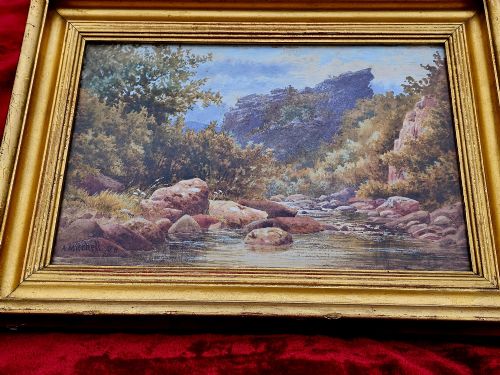
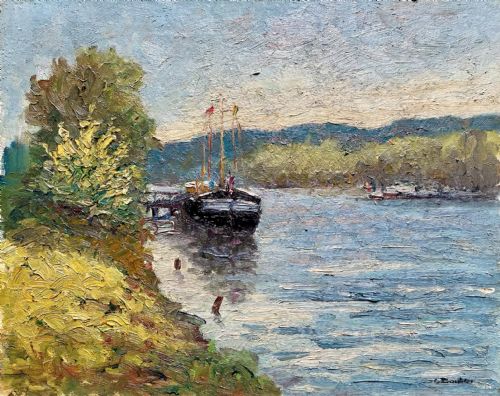
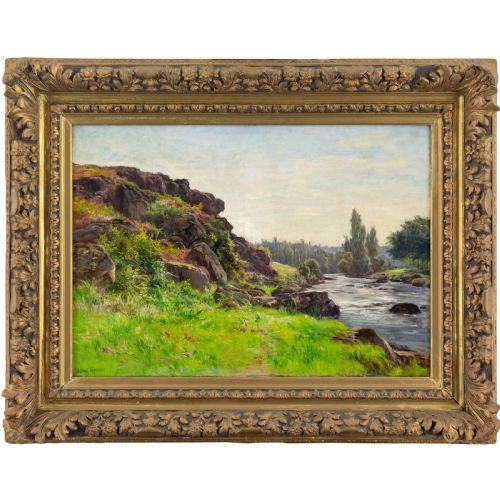
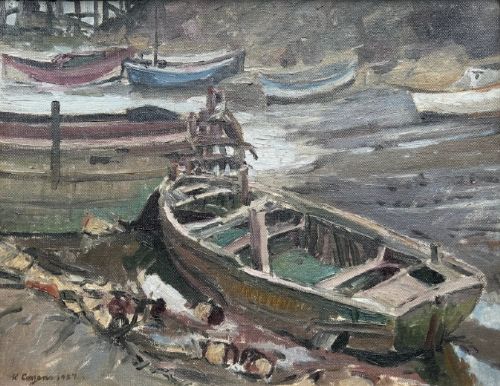
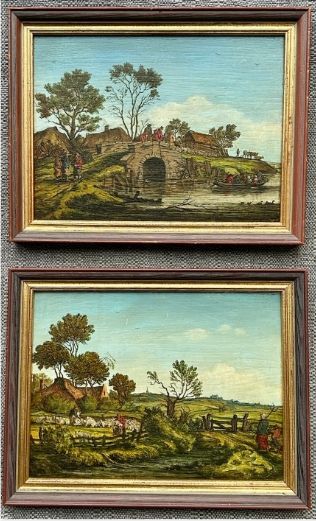
An original river landscape captures water, banks, and open sky through oil paint or watercolour.
Original River Landscape
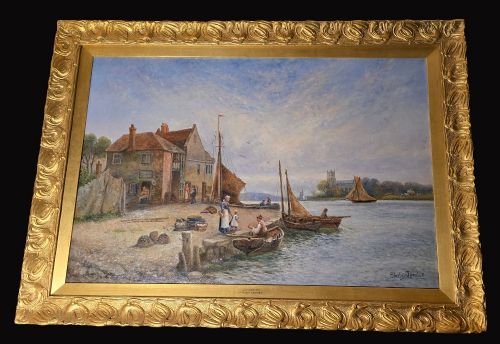
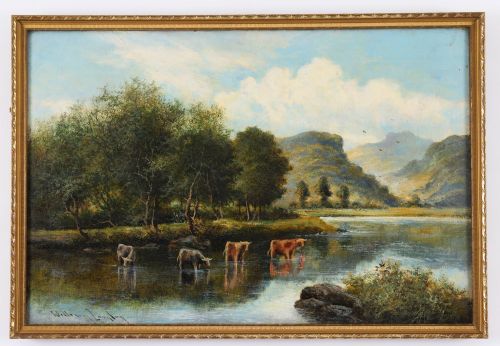
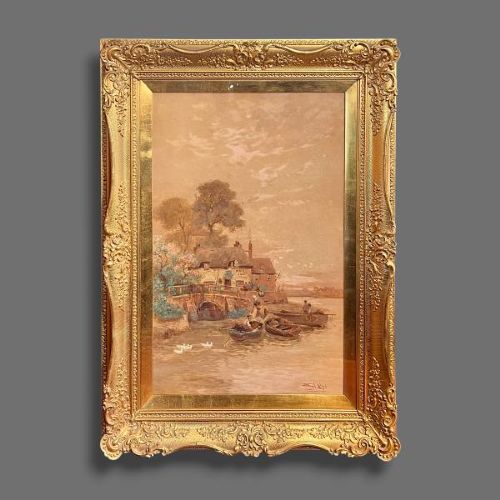
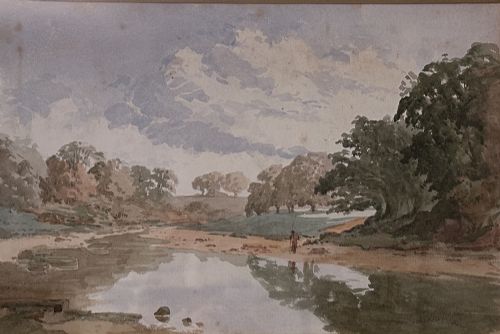
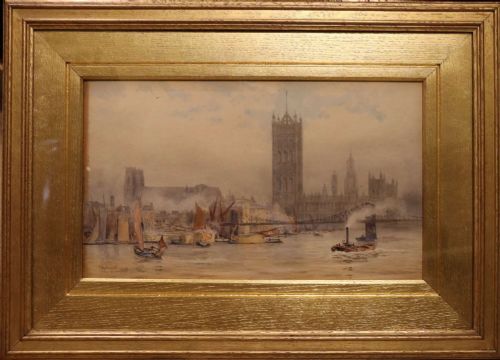
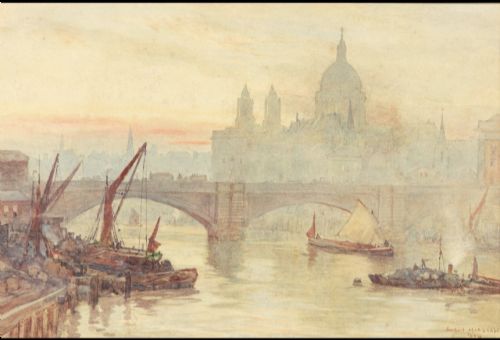
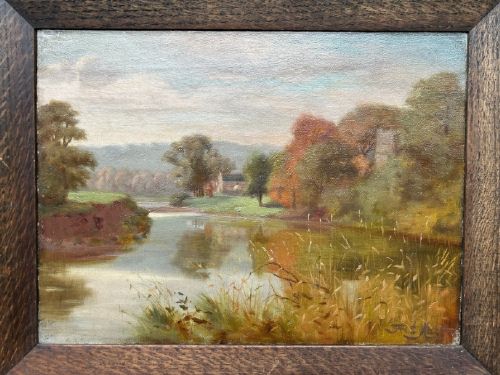
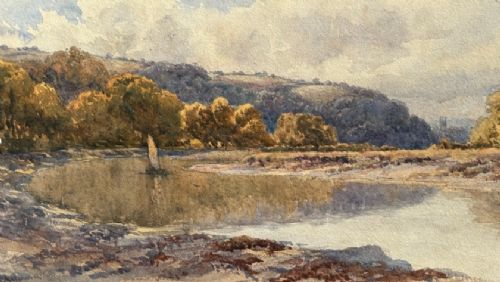
An original river landscape represents a painted or drawn view of watercourses, banks, bridges, and surrounding countryside. These works appear in oil on canvas, oil on panel, and watercolour on paper.
The selections span the nineteenth century through the mid twentieth century, encompassing Victorian, Edwardian, and post-impressionist movements. Common motifs include fishermen, barges, and urban river views such as the Thames.
Buyers encounter British, French, Flemish, and Italianate compositions created during periods like the 1890s and the 1920s. Works range from intimate watercolours to large scale oil paintings.
How They Were Made
Artists painted with oil upon stretched canvas, wooden panels, or board, applying heavy pigments to build texture and depth. Others utilised watercolour on paper to achieve luminous washes of colour for river scenes.
Draftsmanship relied on charcoal and etching techniques on paper to map out embankments and architecture before painting. Gilding occasionally appears on frames enclosing these fine art pieces.
Original River Landscape Retail Price Guide 2026
Typical asking prices for original river landscape among the pieces listed under this phrase on Sellingantiques today, from the lower quarter to the upper quarter. They describe what is for sale here now, not the wider market.
Listings feature oil on canvas, watercolours, and charcoal drawings across Victorian and mid twentieth century periods.
What Varies in Quality
Compositional balance and brushwork control separate routine topographical watercolours from accomplished paintings with atmospheric depth. The handling of light upon water and the surrounding atmosphere demonstrates the hand of a skilled practitioner.
Condition of the support material, whether canvas, panel, or paper, influences the visual impact of the pigment. Intact original surfaces without heavy overpainting retain the artist's intended touch.
William Langley·Stuart Lloyd·Herbert Menzies Marshall·David Law·H Medlycott·Kenneth Cozens·George Graham·Alfred Young Nutt·Frederick Marriott·A Mitchell·Gabriel Mathieu·Robert W Macbeth·Robert Thorne Waite·Cyril Walduck Edwards·Henri Ottmann·George Oyston·Cecil Allan Mould·Albert Rieger·Herbert Royle·Paul Desire Trouillebert·E Brown·Robert Leslie Howey·Florence Adelina Hess·Henry H Parker·Frederick Hines
The Original River Landscape Glossary
- Watercolour
- A painting method where fine pigment is suspended in water soluble binder, typically applied to paper. This medium allows for transparent washes and delicate tonal shifts.
- Oil on Canvas
- Pigment mixed with drying oil applied to a woven fabric surface stretched over a wooden frame. This technique supports rich colour layering and enduring texture.
- Barbizon School
- A French art movement focused on real life landscape painting outside the studio. Practitioners emphasised atmospheric effects and direct observation of nature.
- Panel
- A flat piece of wood used as a rigid support for oil paintings. Wooden supports frequently predate canvas use in certain regional schools.
Original River Landscape: Frequently Asked Questions
What periods do these river landscapes cover?
The works originate primarily from the nineteenth and twentieth centuries, spanning Victorian and Edwardian eras through to mid twentieth century movements.
Artists across these decades captured waterways using traditional academic methods as well as impressionist and post-impressionist techniques.
Which materials appear most frequently?
Paintings utilise oil on canvas or wood panels, alongside watercolour and charcoal on paper.
Gilt frames also accompany many of these fine art pieces to complement the composition.
Where were these landscape scenes painted?
Subjects include British waterways such as the Thames, the Tees, and the North Tyne, alongside European scenes in France, Italy, and Prague.
Artists often worked directly beside riverbanks or bridges to capture specific atmospheric conditions.
How do watercolours differ from oils here?
Watercolours use transparent washes on paper to create luminous effects of light and weather over river views.
Oil paintings employ heavier pigments on canvas or panel, offering richer texture and deeper colour saturation.