


Original Pencil Study
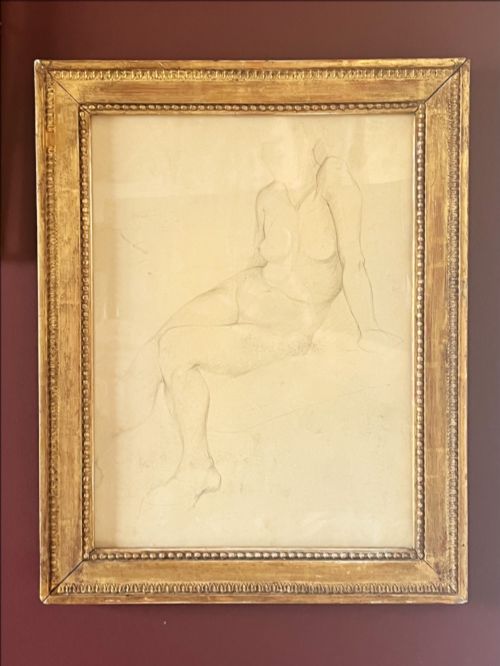
An original pencil study captures the direct, unedited hand of an artist at work on paper.
Original Pencil Study
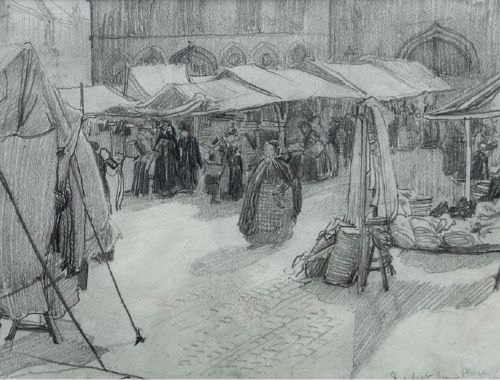
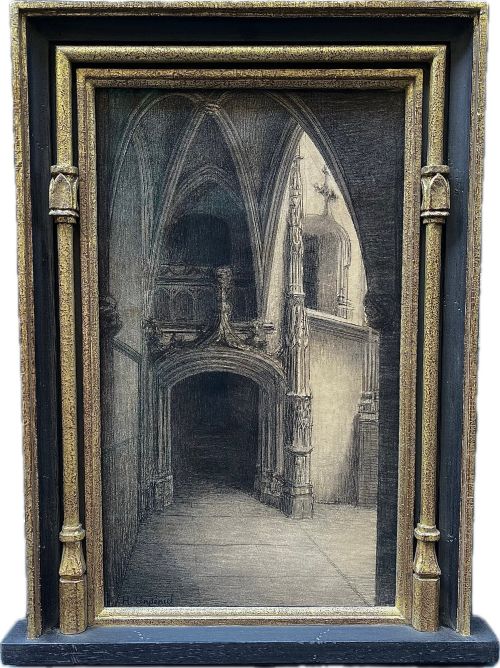
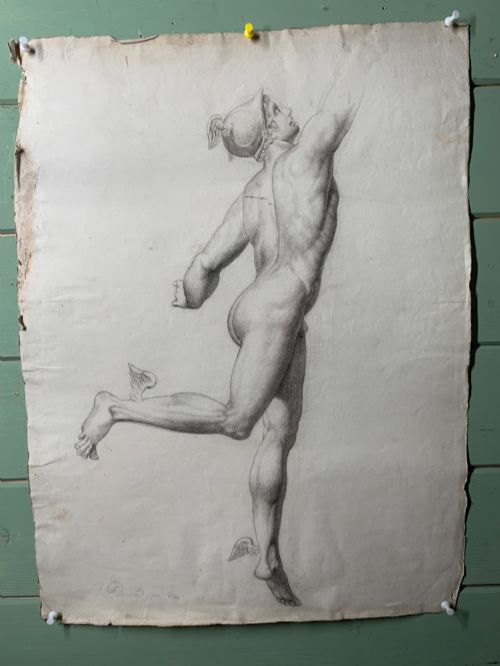
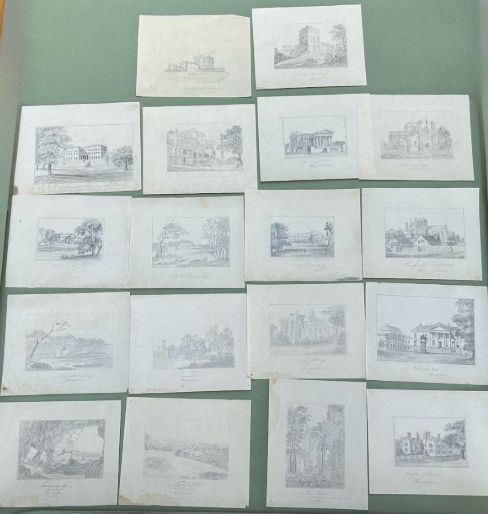
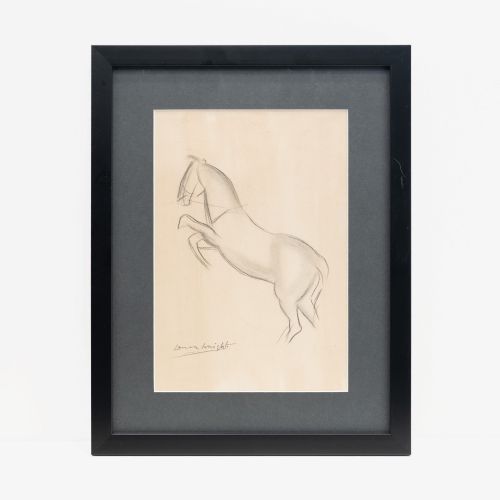
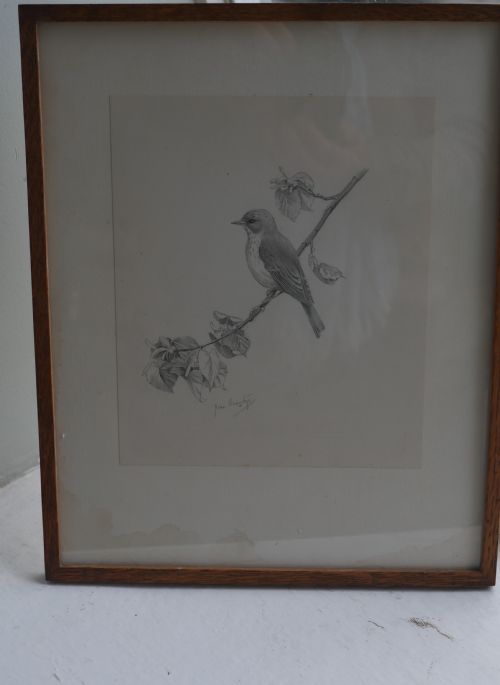
An original pencil study represents a direct window into historical draftsmanship, ranging from rapid landscape sketches to fully rendered academic life drawings. When exploring an original pencil study, collectors encounter works executed on paper spanning the eighteenth, nineteenth, and twentieth centuries. These pieces typically function as preparatory works for larger paintings, architectural records, or standalone artistic explorations.
How they were made
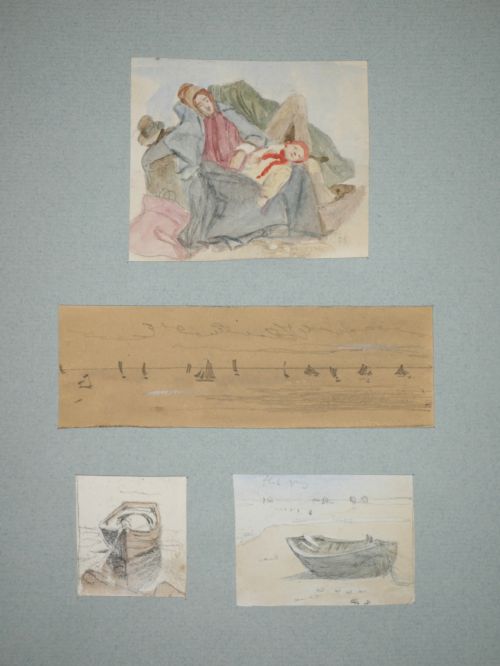
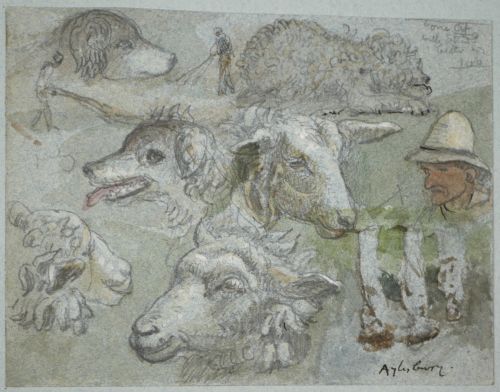
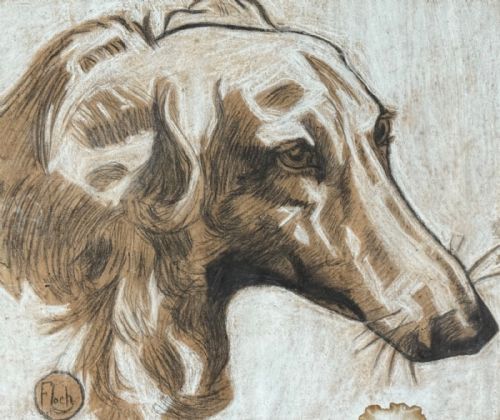
Draftsmen relied primarily on graphite pencil, charcoal, and ink applied to various paper stocks, occasionally heightening compositions with white chalk or gouache. Some works incorporate watercolour washes over initial pencil outlines, combining linear precision with tonal depth.
Artists worked on surfaces ranging from standard drawing paper to buff-coloured sheets and textured embossed paper. The handling of the medium varies from swift, gestural strokes in charcoal to meticulous, tightly controlled graphite shading found in academic examinations.
Listings feature paper, graphite, charcoal, and watercolour across periods from the eighteenth century through the mid twentieth century.
What varies in quality
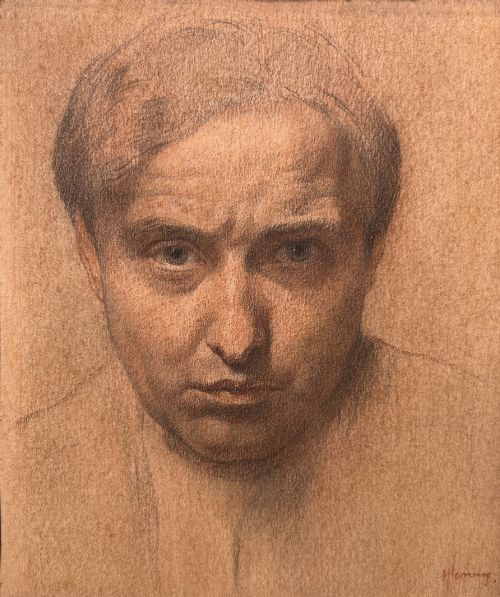
Quality rests upon the sureness of the line, the structural understanding of the subject, and the ability to convey volume and light with minimal marks. Superior examples demonstrate anatomical accuracy, confident perspective, and expressive economy, whereas lesser sheets often display hesitant corrections or stiff proportions.
The significance of the hand involved and the completeness of the composition heavily influence the standing of a piece. Finished portraiture or detailed architectural studies by documented practitioners command greater attention than anonymous, routine student exercises.
Henry Percy Huggill·James Smetham·Herbert Johnson Harvey·Henri Charles Angéniol·Dame Laura Knight·Demetrios Galanis·Raoul Millais·Robert Richard Scanlan·Sir Francis Leggatt Chantrey·Ted Halliday·Alexandre Decamps·Ernest Borough Johnson·Leo Klin·Francis Dodd·Cecil CP Lawson·Harry Epworth Allen·Dennis Flanders·David Roberts·Edwin Ridsdale Tate·William Moore·Henry William Burgess·Harold Hope Read·Philip Naviasky·Jean Betourne
The Original Pencil Study Glossary
- Academic Realism
- A style of painting and drawing produced under the influence of European academies of art, emphasising precise anatomical correctness and traditional techniques.
- Grisaille
- A painting executed entirely in shades of grey or neutral greyish-brown, often used for preparatory monochrome studies.
- Deux crayon
- A drawing technique utilising two coloured chalks or pencils, commonly black and red or black and white, on tinted paper to create highlights and shadows.
- Gouache
- An opaque water-based paint that dries to a matte finish, frequently employed over pencil drawings to add solid areas of light or colour.
- Provenance
- The chronological history or lineage of a piece, documenting previous ownership and confirming authenticity.
Original Pencil Study: Frequently Asked Questions
What defines an original pencil study?
An original pencil study is a unique, hand-drawn work on paper created by an artist as a direct observation or a preliminary composition. These works showcase the unmediated marks of the creator before any final painting or reproduction.
Unlike printed reproductions, each line and smudge bears the physical pressure of the artist's hand. Collectors prize them for their intimacy and immediacy.
How should works on paper be displayed?
Works on paper require framing behind conservation-grade glass or acrylic to block ultraviolet light that causes fading. Acid-free mounts prevent the paper from yellowing or degrading over time.
Keep these drawings away from direct sunlight and damp environments. Proper environmental control ensures the graphite and paper remain stable for decades.
Are these drawings preparatory sketches?
Many pencil studies served as preparatory exercises for larger oil paintings, murals, or architectural projects. Artists used them to capture lighting, proportions, or specific anatomical details quickly.
Other pieces were created as finished standalone artworks intended for exhibition or personal portfolios. Both types offer insight into the working methods of historical artists.