


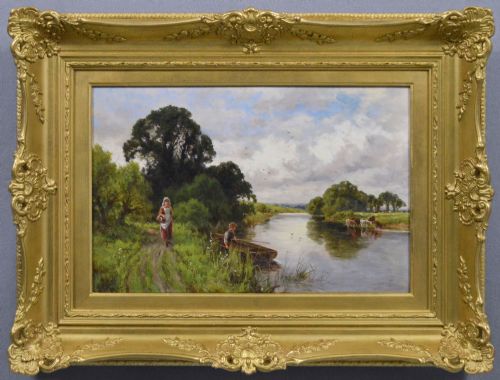

Original Pastoral Landscape Canvas
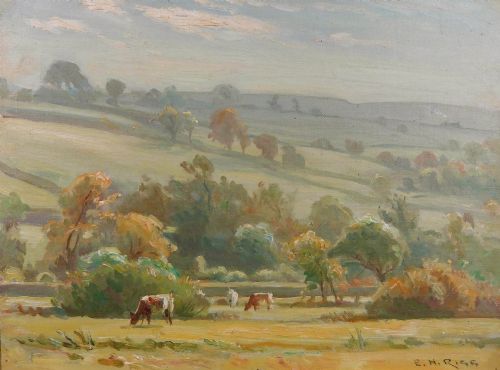
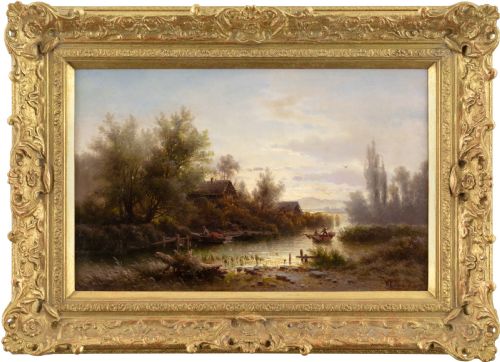
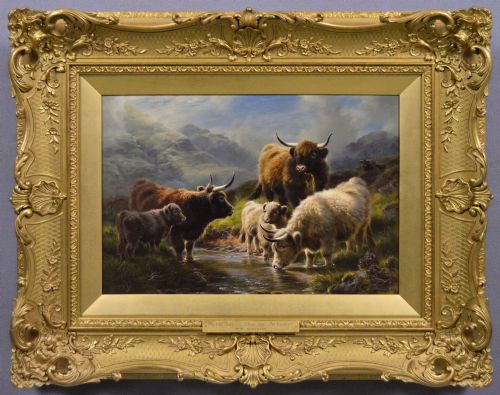
When you search for original pastoral landscape canvas, you are looking at oil paintings on canvas depicting rural scenes from past centuries.
Original Pastoral Landscape Canvas
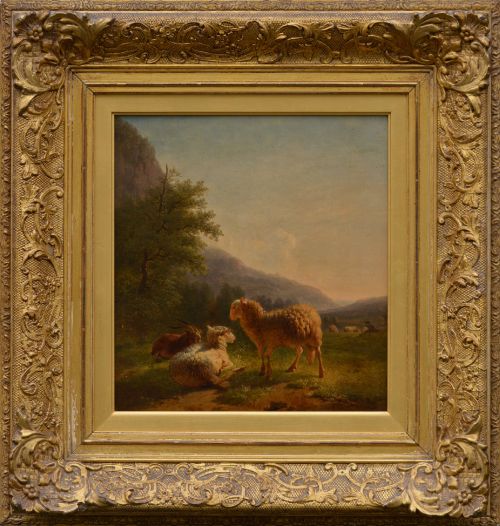
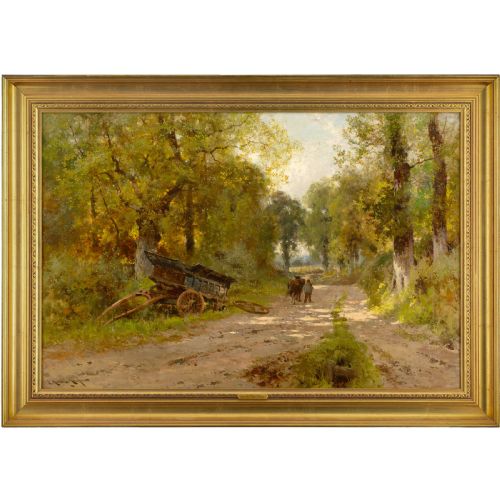
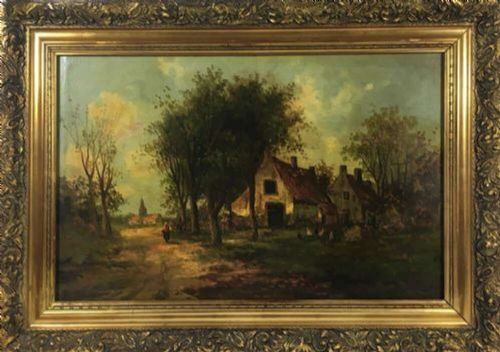
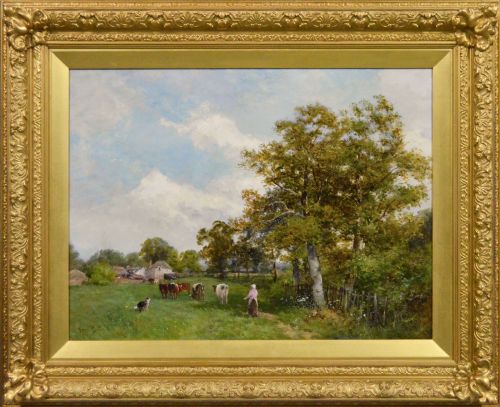
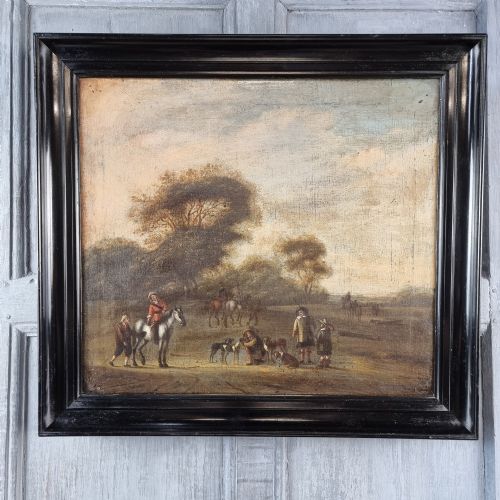
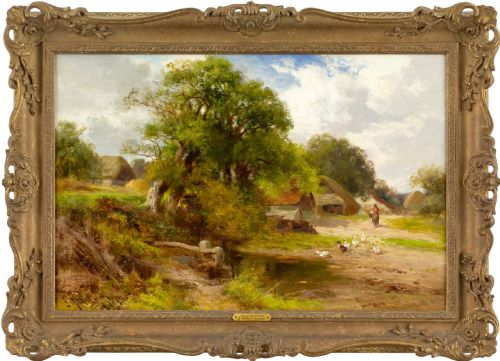
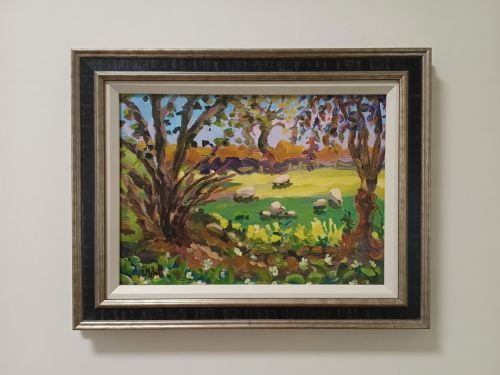
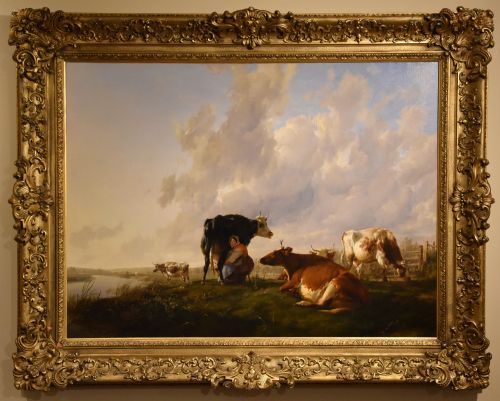
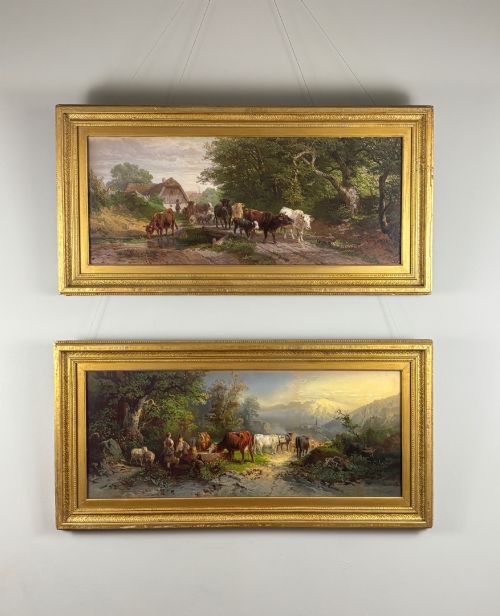
An original pastoral landscape canvas captures rural life, farmland, river valleys, and agricultural work across the nineteenth and early twentieth centuries. These paintings frequently portray figures, livestock, cottages, and agrarian scenes rendered in oil paint on woven fabric supports.
You will most commonly encounter nineteenth century and Edwardian works on this page, reflecting British and European rural subjects. The compositions range from intimate studies of sheep and cattle to expansive views of English and continental countryside.
Makers and painters represented include named artists such as John Horace Hooper, Owen Bowen, and Thomas Sidney Cooper, alongside works attributed to the British School or the Barbizon School. These pieces document changing rural traditions through realist and impressionist approaches.
How They Were Made
Artists painted primarily with oil paint on stretched canvas, occasionally utilising wood supports or incorporating gesso grounds for preparation. The pigment application varies from smooth, blended brushwork to more textured impasto.
Many surviving examples retain their original giltwood frames, which provide structural support and aesthetic contrast to the painted surface.
Cows, sheep, and horses appear across the countryside canvases with surprising frequency, occasionally outnumbering the human labourers.
What Varies in Quality
Quality rests upon the handling of light, atmospheric depth, and the naturalistic rendering of anatomy in animals and figures. Stronger works demonstrate confident brushwork and harmonious tonal balance across the canvas.
The degree of preservation in the oil paint layer and the canvas tension also influence the character of each piece. Surviving signatures and known provenance further distinguish individual paintings within the broader selection.
Eugène Verboeckhoven·Thomas Sidney Cooper·John Horace Hooper·William Watson Jnr·Owen Bowen·Robert John Hammond
The Original Pastoral Landscape Canvas Glossary
- Oil on Canvas
- A painting technique using pigments bound in a drying oil medium applied to a stretched woven fabric support. This combination offers durability and allows for subtle blending of tones.
- Giltwood
- Wood carved and covered with a thin layer of gold leaf, commonly utilised for traditional picture frames. It provides a reflective border that complements the painted composition.
- Barbizon School
- A mid-nineteenth century French movement focused on plein-air landscape painting and direct observation of nature. Its members influenced rural realism across Europe.
- Impasto
- Paint applied thickly to a canvas, standing out in relief from the surface. This technique adds tactile texture and catches light across foliage or water.
Original Pastoral Landscape Canvas: Frequently Asked Questions
What defines a pastoral landscape?
A pastoral landscape depicts rural scenery, typically featuring farmland, agricultural workers, livestock, and domestic animals in natural settings. These scenes romanticise or document agrarian life.
In these paintings, artists focus on the quiet rhythms of the countryside, often showing figures resting from labour or herds grazing by rivers.
How can I date an oil painting on canvas?
Dating relies on stylistic clues, artist signatures, framing materials, and the physical characteristics of the canvas and stretcher frame. Nineteenth-century works often exhibit specific tonal ranges and subject matter.
Examining the back of the canvas, labels, and inscriptions can provide additional evidence regarding the creation date and previous ownership.
How should I care for an antique oil painting?
Keep paintings away from direct sunlight, high humidity, and extreme temperature fluctuations to protect the canvas and oil paint. Dust the surface gently with a soft, dry brush without applying pressure.
Avoid using liquid cleaners or touching the paint layer directly, as oils remain sensitive to moisture and abrasion over time.
What is the Barbizon influence in these landscapes?
The Barbizon influence stems from a nineteenth-century French artistic approach that prioritised direct observation of the natural world and unidealised rural scenes. Painters captured shifting light and weather outdoors.
This movement encouraged British and European artists to portray everyday countryside life with greater realism and atmospheric depth.