

Original Paper Drawing
When you handle an original paper drawing, you hold a direct record of an artist's hand from the nineteenth or twentieth century.
Original Paper Drawing
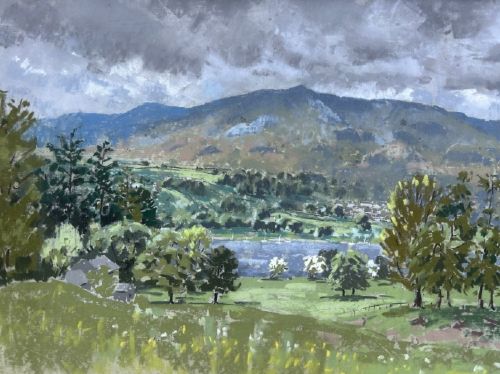
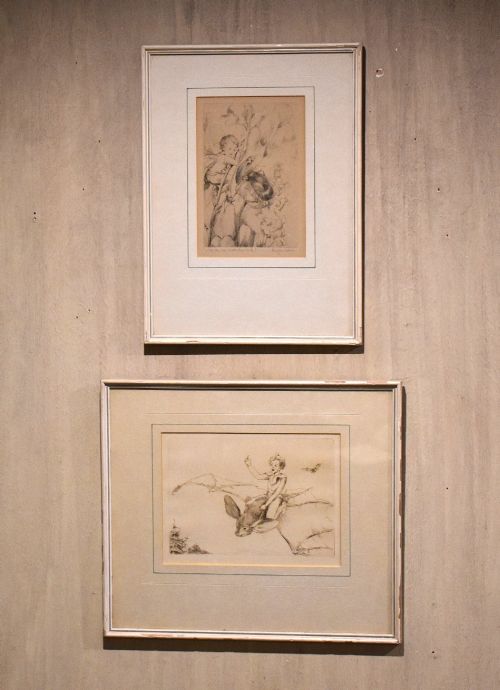
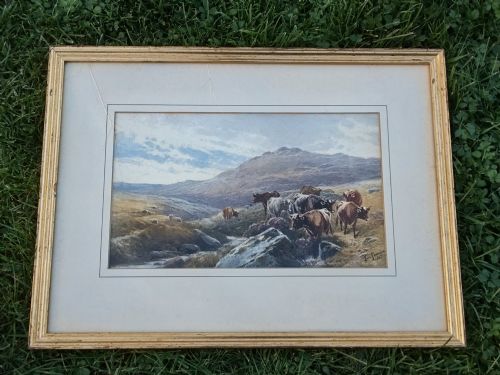
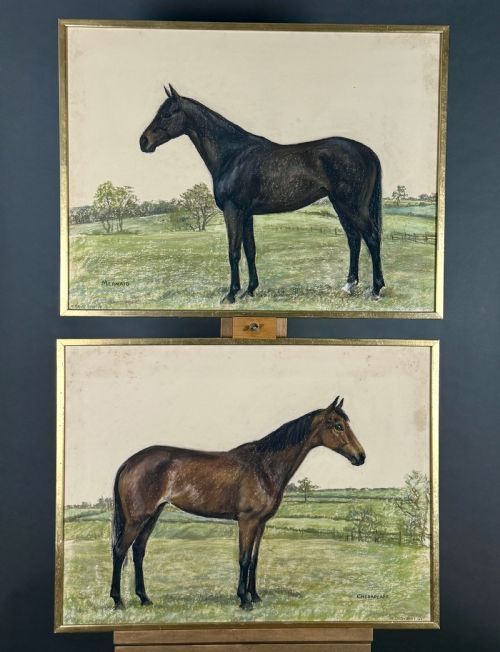
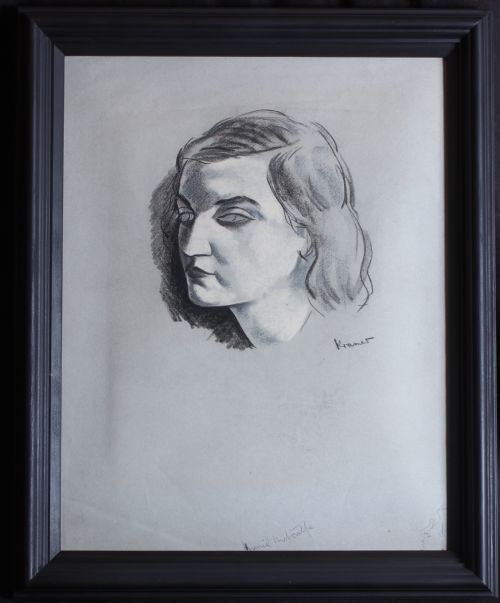
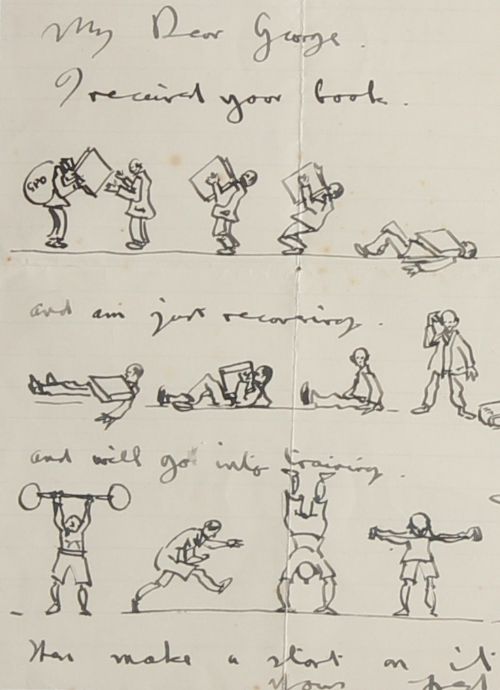
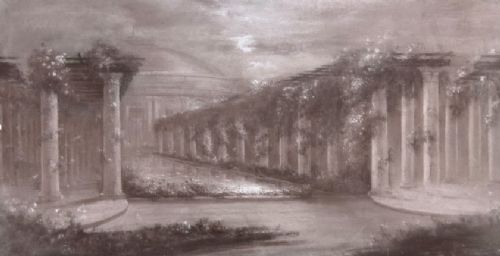
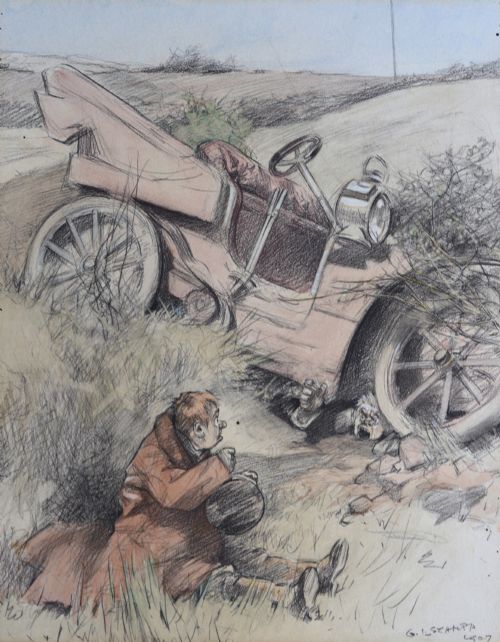
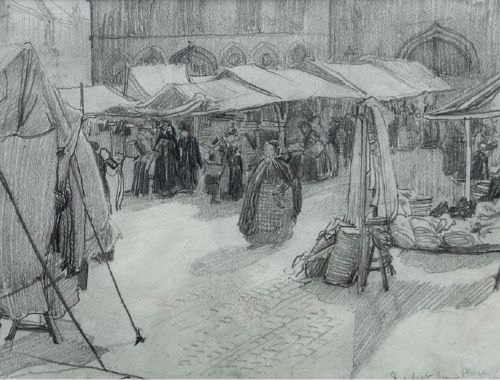
An original paper drawing captures immediate artistic expression through graphic marks made directly onto a paper surface. Collectors seeking an original paper drawing find works spanning from the Georgian period through to the mid-twentieth century, encompassing landscape studies, portraits, and caricatures.
The most common examples on this page are early twentieth-century and Victorian works executed in pencil, charcoal, or ink. Many of these pieces retain their original framing under glass, preserving the delicate surfaces from atmospheric wear.
How they were made
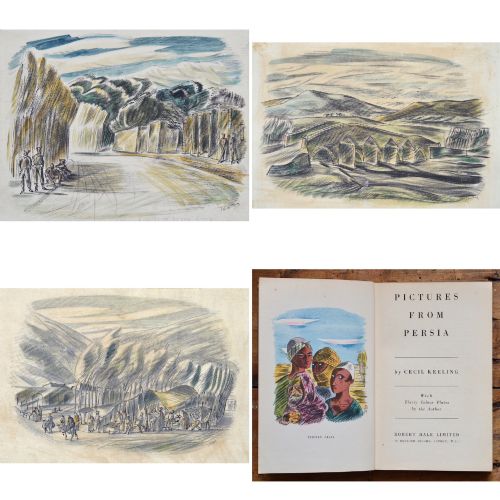
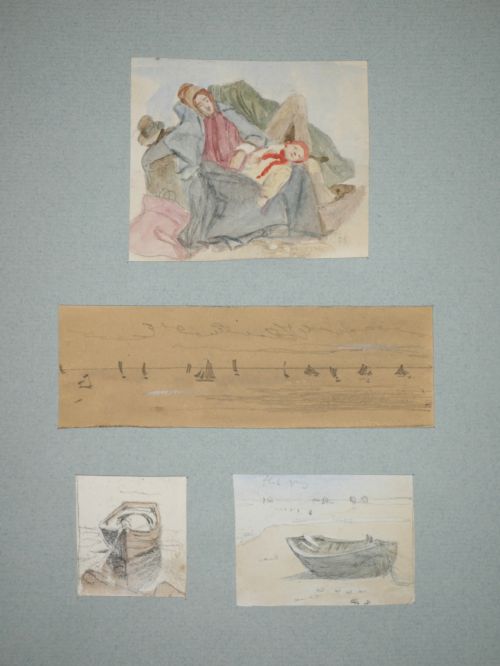
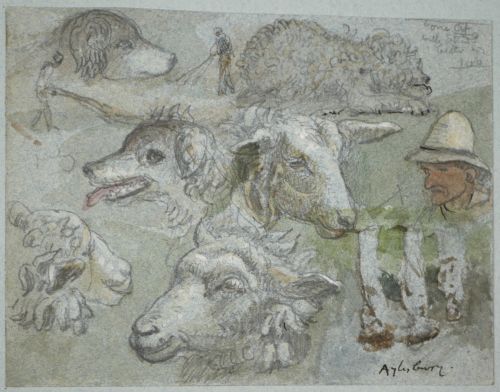
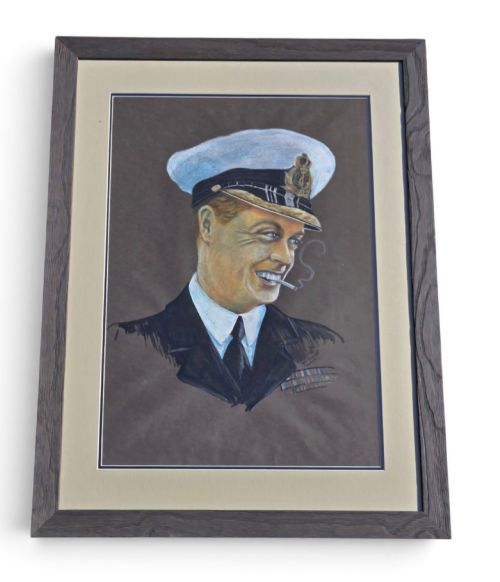
Artists utilised dry and wet media on various paper stocks, combining graphite, charcoal, and pastel with pen, ink, and wash techniques. Some works employ gouache or watercolour highlights over pencil outlines on buff, embossed, or watermarked sheets.
Support methods vary according to the period, with earlier works occasionally mounted directly onto canvas stretchers or heavier backing paper to stabilise fragile supports.
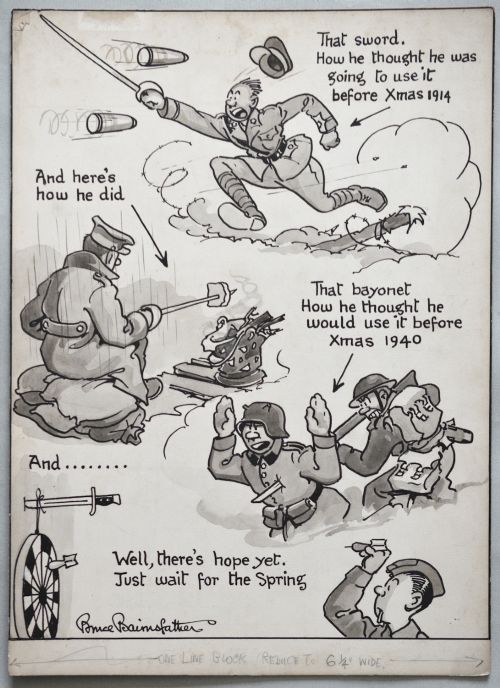
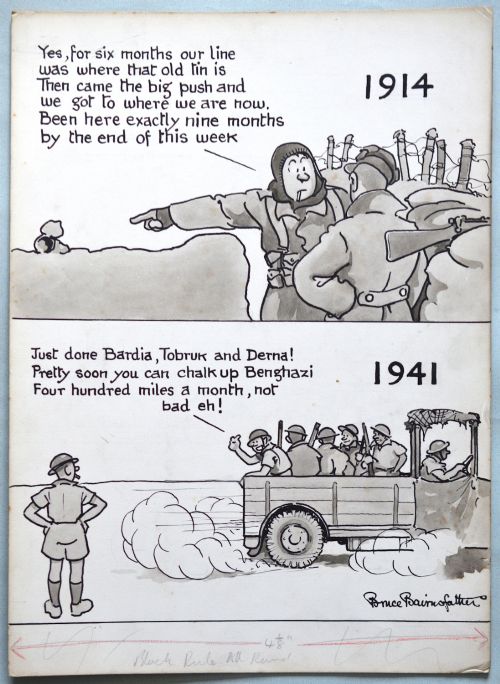
Keep an eye out for military caricatures and precise locomotive blueprints tucked amongst the pastoral landscapes and sombre portraits.
What varies in quality
Quality rests in the economy and confidence of the draughtsmanship rather than the finished scale of the composition. A swiftly executed sketch by a known hand often displays superior observation compared to a heavily worked academic exercise.
Condition and preservation dictate the standing of a piece, particularly the stability of the medium, the absence of excessive foxing on the paper, and the survival of period mounts and frames.
George Lorain Stampa·Henry Percy Huggill·Alfred Young Nutt·James Smetham·Bruce Bairnsfather·William Marshall Craig·Fred Lawson·Maurice Brianchon·Frank Dobson·Herbert Johnson Harvey·Samuel Rabin·Russell Sidney Reeves·Emily Eyres·Dame Laura Knight·Albert Ludovici Jnr·Michael Healy·William Greaves·Augustus John
The Original Paper Drawing Glossary
- Wash
- A diluted layer of ink or watercolour applied with a brush to create translucent areas of tone behind linear work.
- Gouache
- An opaque watercolour paint containing a binding agent that provides solid matte colour blocks within a drawing.
- Foxing
- Brown spots caused by chemical reactions in the paper over time, frequently encountered in antique works on paper.
- Sanguine
- A reddish-brown chalk used historically for figure studies and portraits to achieve warm flesh tones.
Original Paper Drawing: Frequently Asked Questions
What is the difference between a drawing and a painting?
Drawings rely primarily on linear marks made with instruments such as pencils, charcoal, pens, or chalks. The emphasis rests on contour, hatching, and tonal shading rather than heavy layers of pigment.
Paintings utilise fluid media applied with brushes to cover the surface in opaque or translucent colour blocks. Many works on paper blur this distinction by combining ink lines with watercolour washes.
Can I hang a charcoal drawing in a lit room?
Charcoal and pastel particles sit loosely on the paper surface and require careful protection behind glass. Low-level ambient light prevents the paper support from yellowing while keeping the friable medium stable.
Avoid rooms with high humidity, such as kitchens or bathrooms, which can cause paper to warp and encourage foxing spots. Stable indoor climates keep works on paper secure for decades.
How do I identify the period of a drawing?
Examine the watermark, the texture of the paper stock, and the framing style for clues regarding age. Stylistic conventions in clothing, hair, and subject matter often point toward specific decades like the Edwardian era or the nineteen-thirties.
Signatures, dates, and inscriptions written on the reverse or mount provide direct evidence of creation. Comparing handling techniques to known dated works by the same school helps narrow the timeframe.