


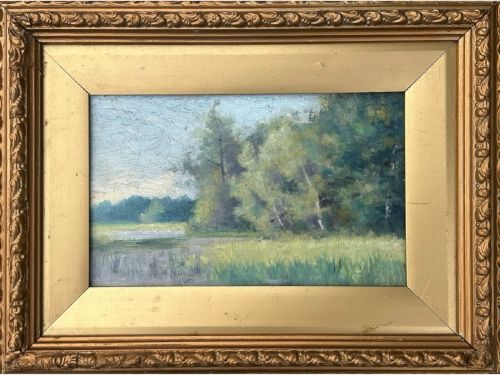


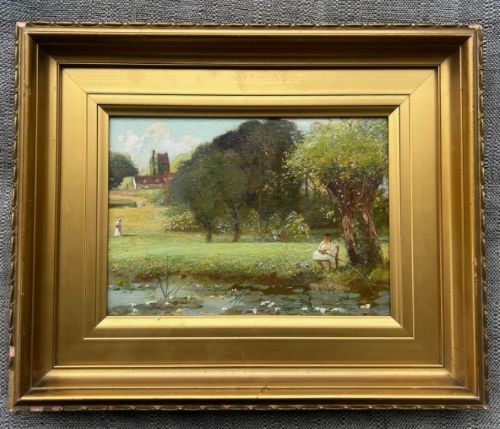


Original Oil Landscape Panel
An original oil landscape panel brings intimate pastoral views and coastal scenes into focus through compact, durable painted wood surfaces.
Original Oil Landscape Panel
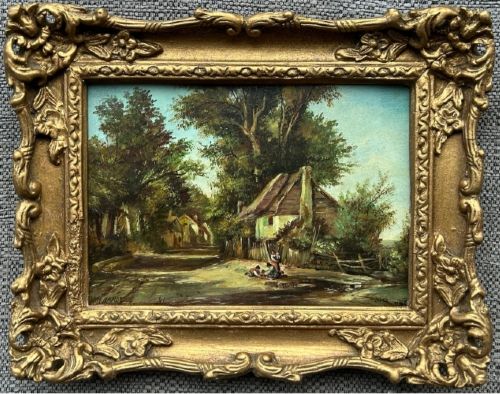
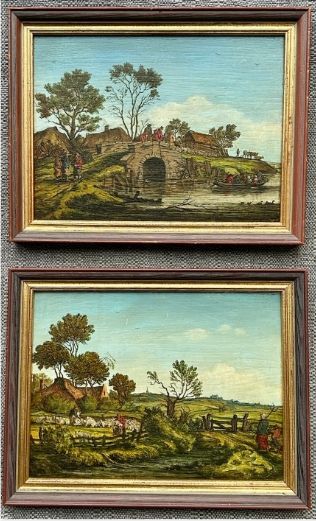
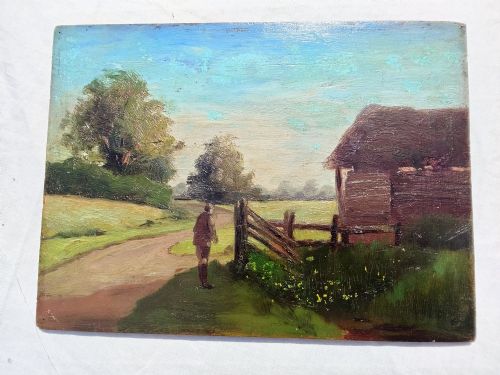
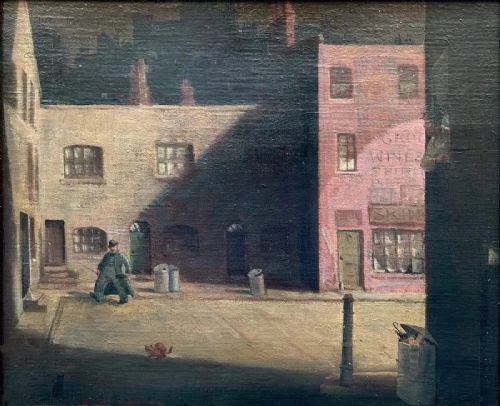
Collectors seeking an original oil landscape panel will encounter portable works executed across the nineteenth and twentieth centuries by British, French, and Italian artists. These compositions frequently capture rural vistas, river valleys, and quiet coastlines on solid wooden supports rather than stretched fabric.
Makers span named academic painters, provincial followers of established schools, and anonymous hands working outdoors in plein air traditions. Buyers often acquire these objects for their rich texture, historical immediacy, and manageable cabinet scale.
Materials and Construction
Artists painted directly onto rigid supports including hardwood panels, mahogany boards, and occasionally gesso-primed wooden blocks. The density of the wood prevented the flexing and cracking associated with older canvas supports.
Makers applied rich oil paint in varying thicknesses, from smooth glazing to thick impasto that built tactile surface relief. Finished panels were frequently housed within ornate carved wooden frames or simple gilt mouldings to protect the edges.
Original Oil Landscape Panel Retail Price Guide 2026
Typical asking prices for original oil landscape panel among the pieces listed under this phrase on Sellingantiques today, from the lower quarter to the upper quarter. They describe what is for sale here now, not the wider market.
Listings feature wood panels and boards spanning the nineteenth and twentieth centuries, encompassing British Impressionism and the Scottish School.
Factors Defining Quality
Quality rests upon the handling of light and atmospheric perspective across the wooden plane, distinguishing hurried sketches from finished cabinet pieces. Superior works demonstrate confident brushwork and harmonious tonal balance within the chosen landscape.
The physical condition of the wooden support and paint layer heavily influences value, noting whether panels retain their original surface without excessive overpaint or warping. The presence of a period frame matching the era of the painting enhances historical integrity.
Tom Campbell·William Howard Hardy·Florence Adelina Hess·Hubert Wellington·Sir David Murray·Fernando Del Basso·Kershaw Schofield·Henri Joseph Harpignies
The Original Oil Landscape Panel Glossary
- Wood Panel
- A rigid support made from timber such as mahogany, oak, or deal used by artists as a stable alternative to canvas. It provides a smooth, unyielding surface that accepts fine detail.
- Gesso
- A traditional primer mixture of gypsum, chalk, and binder applied to wooden panels to create a smooth, absorbent white surface for oil painting. This preparation seals the wood grain and secures the paint layers.
- Plein Air
- The nineteenth-century practice of painting outdoors directly from nature to capture transient effects of light and weather. This direct approach generated spontaneous brushwork on portable wooden boards.
- Impasto
- Paint applied thickly to a panel, standing proud of the surface so that the marks of the brush or palette knife remain visible. It adds physical depth and texture to highlights.
- Cabinet Painting
- A small-scale artwork designed for close viewing within an intimate domestic interior rather than large gallery exhibition. These portable pieces were often framed in deep gilt wood.
Original Oil Landscape Panel: Frequently Asked Questions
Why did artists paint on wood panels instead of canvas?
Wooden supports offered a completely rigid surface that resisted punctures and required no complex stretching. This made panels exceptionally portable for artists working outdoors.
Panels also provided a smooth, non-absorbent ground that allowed fine brushwork and luminous glazing techniques to endure across centuries.
How should I care for an antique oil panel?
Keep wooden panel paintings away from direct heat sources and dramatic humidity swings to prevent the wood from expanding or splitting. Stable room temperatures preserve both the wooden support and the brittle oil paint.
Dust the surface gently with a soft, dry brush and avoid using any liquid cleaners or commercial polishes on the paint or frame.
How can I tell the age of a landscape panel?
Dating relies on examining the type of wood, the preparation layer, and the framing style used for the specific artwork. Tool marks on the reverse of the panel often reveal whether the board was hand-sawn or machine-cut.
Stylistic cues within the brushwork, clothing of any figures, and written inscriptions or signatures on the back provide further historical context.
Were these landscape panels meant to be framed?
Virtually all finished landscape panels were fitted into protective wooden frames to shield their fragile outer edges from damage. Original period frames often feature gesso ornamentation and gilding appropriate to the decade of creation.
Matching a panel with its period frame preserves the historical presentation intended by the original maker or early owner.