
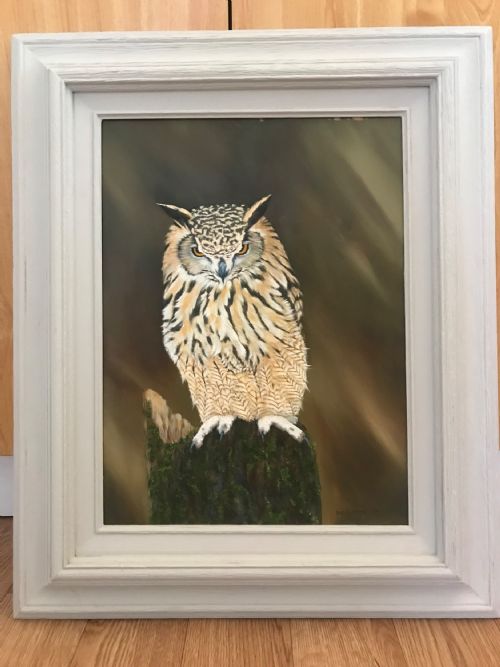
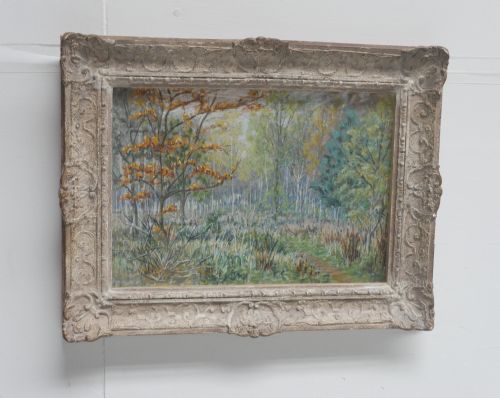


Original Nature Painting
An original nature painting brings the quiet weight of woodlands, rivers and open skies directly into a room through the enduring touch of the artist's hand.
Original Nature Painting
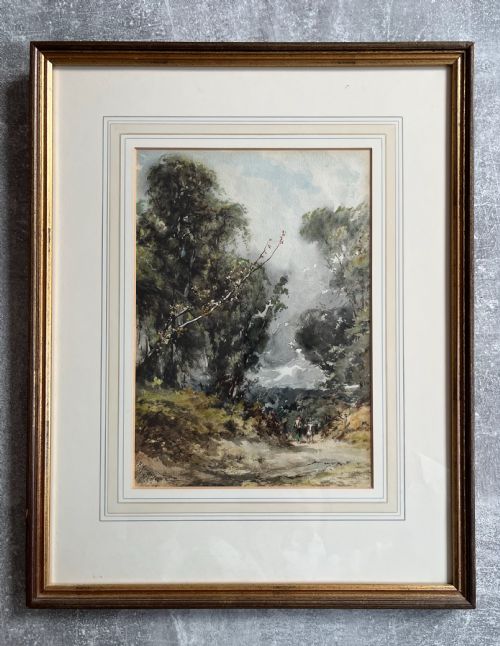
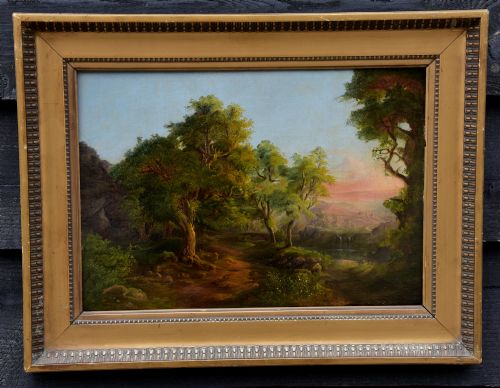
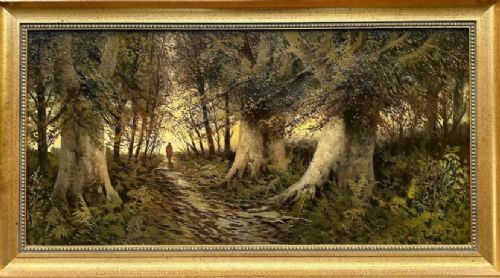
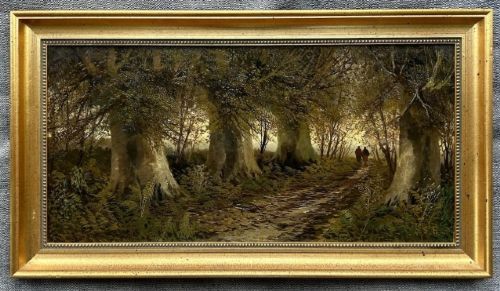
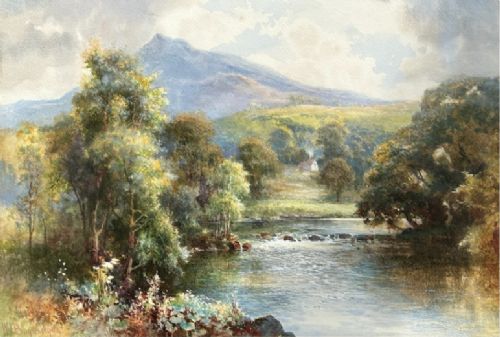
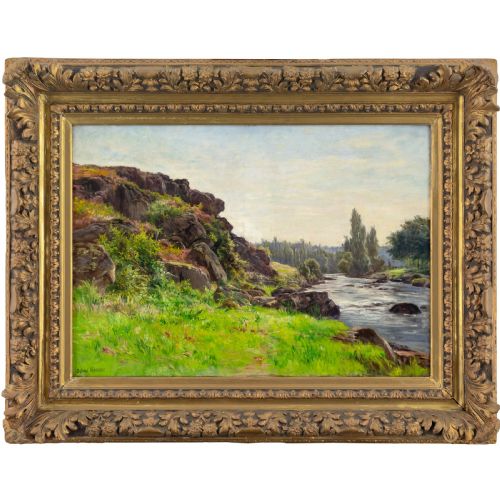
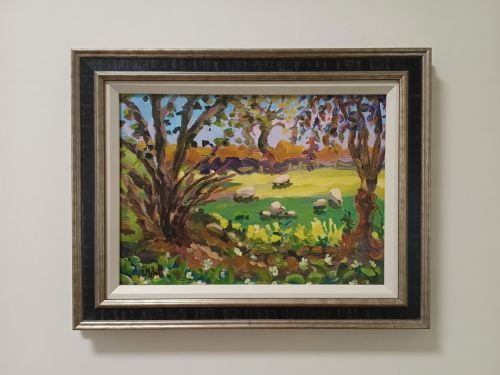
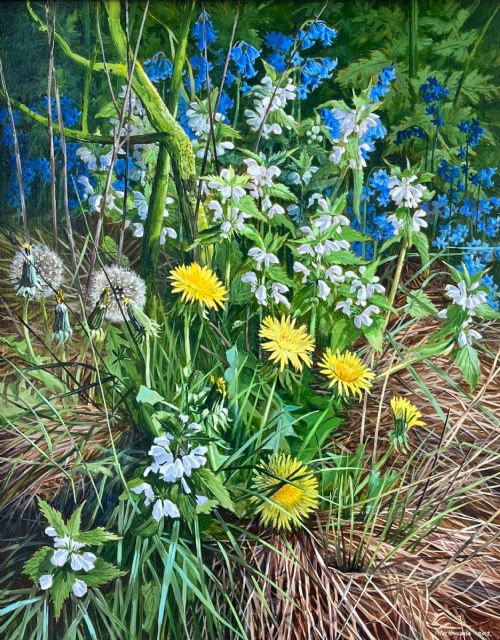
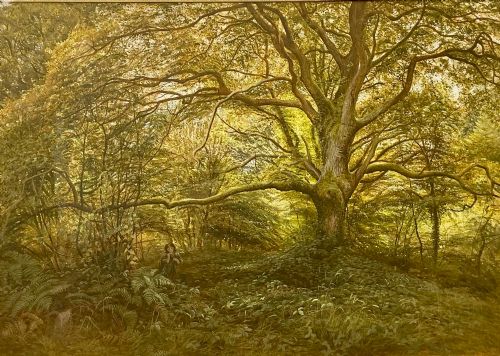
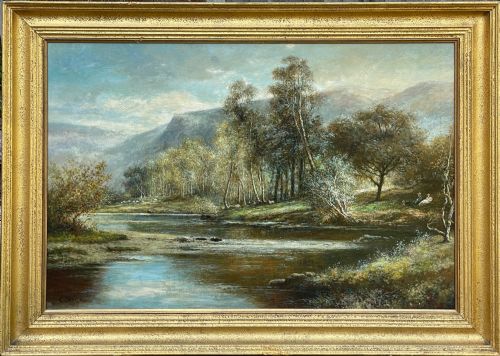
When you search for an original nature painting, you encounter works capturing landscapes, rural scenes, rivers and woodland views across the nineteenth and twentieth centuries. The most common pieces on this page are traditional watercolours and oil paintings created by British and European artists working from direct observation.
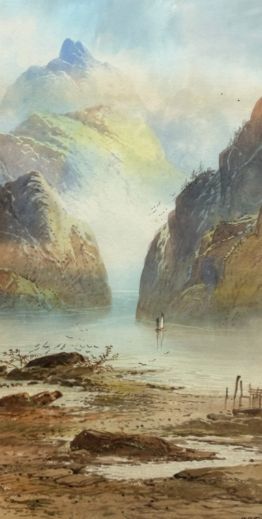
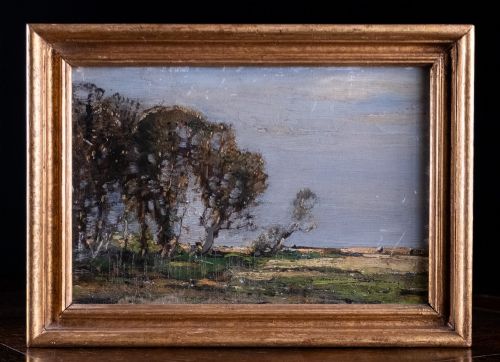
These works range from late Victorian Highland vistas and Edwardian river scenes to mid-century depictions of trees, fields and coastal views. The subjects focus closely on the natural world, recording changing seasons, blossoming hedgerows, lakes and rural waterways.
The selection includes framed artworks on canvas, paper, wood panel and board, reflecting both named regional painters and accomplished anonymous hands. Each piece offers a direct window into historical landscapes through varied Impressionist, Post-Impressionist and realist approaches.
Materials and construction
The physical foundation of these works relies principally upon stretched canvas, heavy paper, wood panels or board. Artists applied oil paint for rich texture and luminous depth, or utilised watercolour washes on paper for translucent light and delicate detail.
Pigments were worked using brushes and occasionally palette knives, fixed to supports that preserve the integrity of the composition over decades. Many retain their period wooden frames, occasionally protected beneath glass depending on the medium.
Several paintings capture the unexpected charm of farm animals and inquisitive owls observing the British countryside.
Distinctions in execution
Quality rests upon the artist's command of light, shadow and atmospheric perspective within the natural setting. Stronger works demonstrate confident brushwork and precise tonal balance, capturing the specific quality of a landscape rather than relying on formulaic repetition.
The stability of the medium and the preservation of the surface further divide the range. Superior examples maintain their original pigment vibrancy without heavy overpainting, and sit within complementary period frames that respect the integrity of the artwork.
George Fotherly Hargitt·William Henry Earp·Kershaw Schofield·Thomas W Lascelles·William Joseph Boyes·Gabriel Mathieu·Lucy Pratt·Peter Newcombe·Bonomi Edward Warren·William Hoggatt·George Arthur Fripp·John Wright Oakes·William Langley·Rowland Henry Hill·William Stephen Coleman·John Hobson Nicholson·Alfred W Parsons·George F Wetherbee·T B Garvie·Owen Bowen
The Original Nature Painting Glossary
- Watercolour
- A painting method where fine pigment is suspended in a water-soluble binder and applied to paper. This technique relies on the white of the paper showing through transparent washes to create luminous effects.
- Oil Paint
- A slow-drying medium composed of pigments suspended in a drying oil, typically linseed. It allows for rich blending, textured impasto and deep saturation.
- Impressionism
- A nineteenth-century painting style characterised by relatively small, thin yet visible brush strokes and an emphasis on accurate depiction of light in its changing qualities.
- Board
- A rigid flat support made of wood pulp or compressed material used instead of canvas for painting. It provides a sturdy and stable surface for oil and acrylic works.
Original Nature Painting: Frequently Asked Questions
How do I care for an antique painting?
Keep the artwork away from direct sunlight and drastic fluctuations in temperature or humidity. Avoid touching the painted surface directly, and consult a professional conservator for cleaning.
Ensure the hanging environment remains stable to protect both the canvas or paper support and the original frame.
Are these paintings all original works?
Yes, the listings comprise one-off original paintings rather than modern mass-produced prints. Each piece was created by hand using traditional painting media on its respective support.
Signatures, dates and historical framing often provide additional context regarding the provenance of individual works.
How can I tell the period of a landscape painting?
Clues emerge from the style of brushwork, the pigments used, the framing methods and any inscriptions on the reverse of the canvas or board. Nineteenth-century works frequently feature heavier varnishes and traditional academic composition.
Later twentieth-century pieces often adopt looser modernist or impressionistic interpretations of natural scenery.
What is the difference between oil and watercolour?
Oil paint utilises an oil binder that dries slowly, allowing artists to build thick textures and deep, luminous layers. Watercolour uses a water-soluble medium on paper, producing lighter, translucent effects.
Watercolours require protection beneath glass, whereas oil paintings on canvas or board are typically displayed open to the air.