
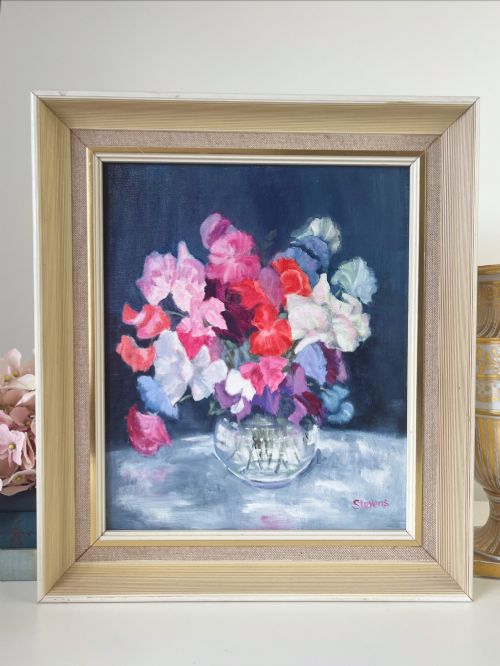
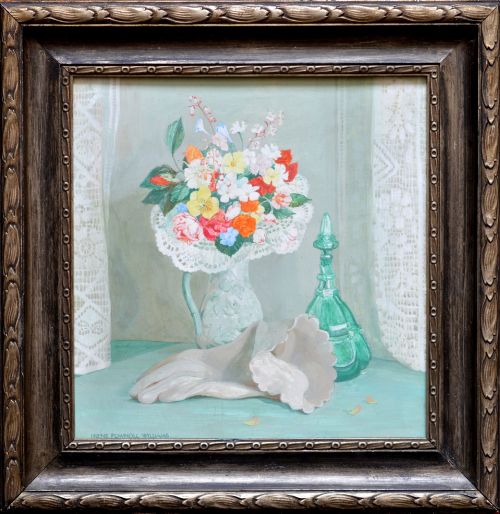
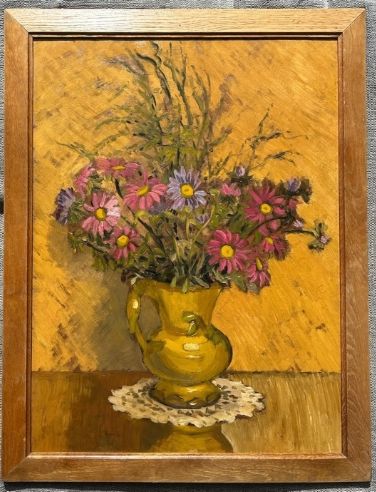

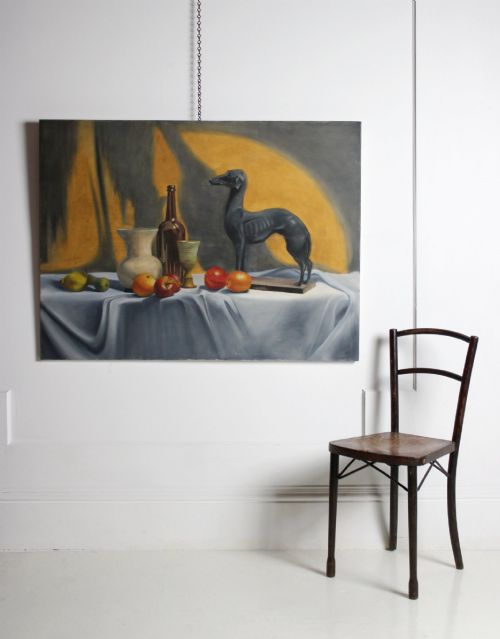

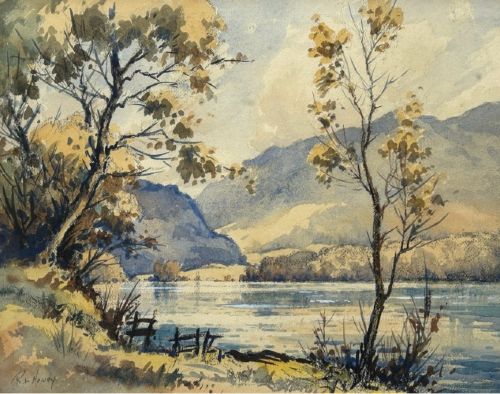
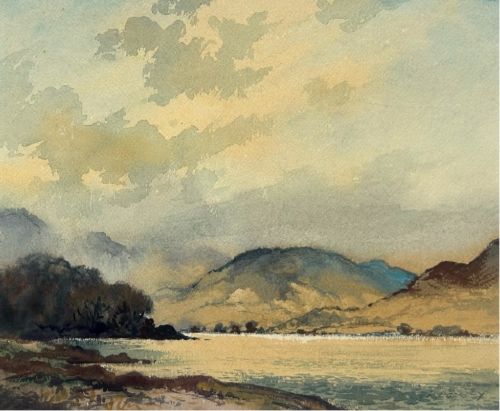
Original Mid Century Painting
An original mid century painting captures the varied modernist visions and expressive landscapes of the twentieth century for any interior.
Original Mid Century Painting
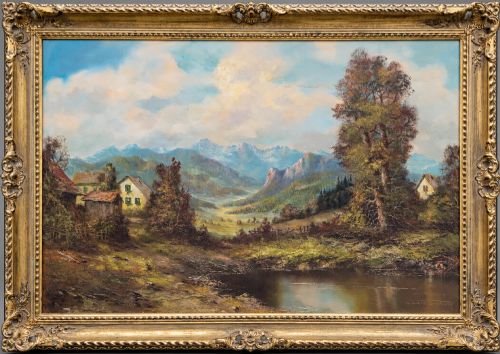
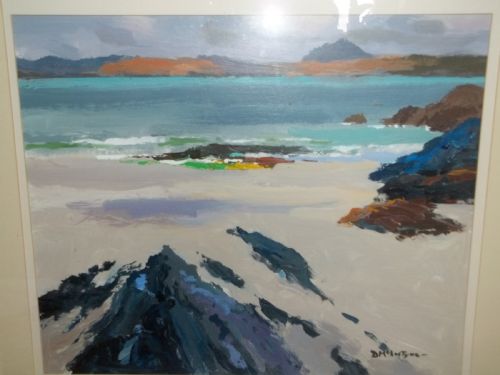
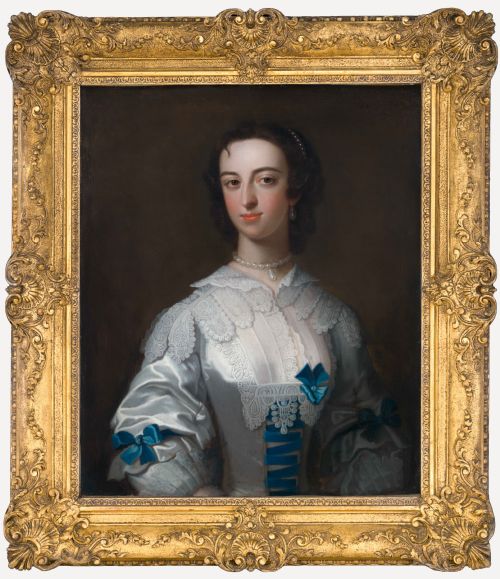
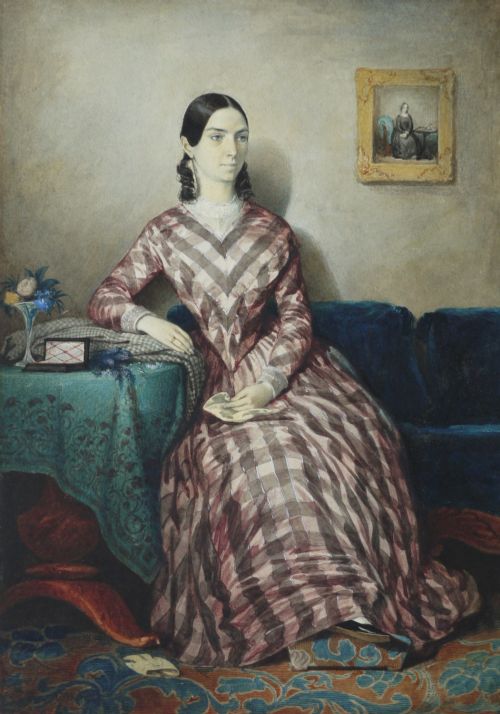
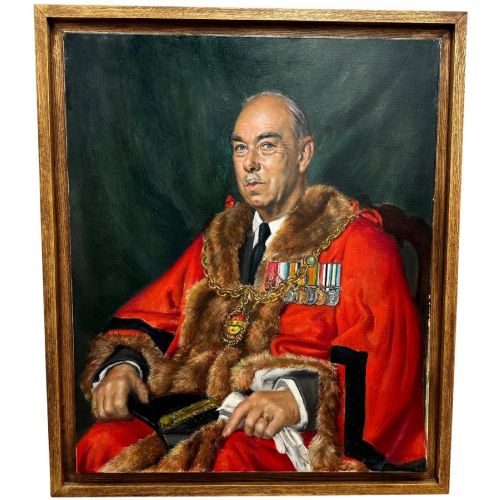
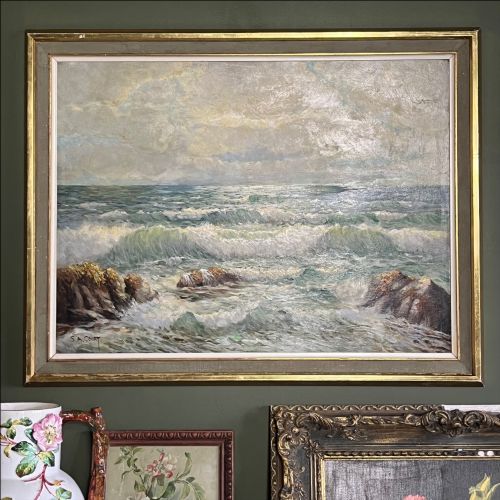
An original mid century painting encompasses works created primarily across the middle decades of the twentieth century, featuring diverse subjects from coastal scenes and country landscapes to floral still lifes and character portraits. The selection spans distinct movements including Modern British, Post-Impressionism, and twentieth century realism, reflecting the shifting artistic priorities of the period.
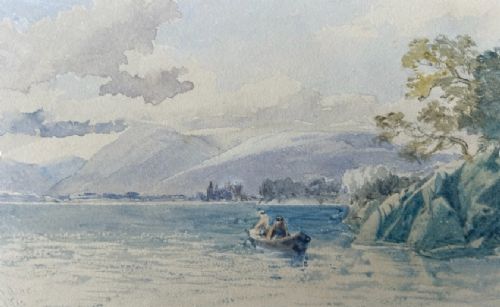
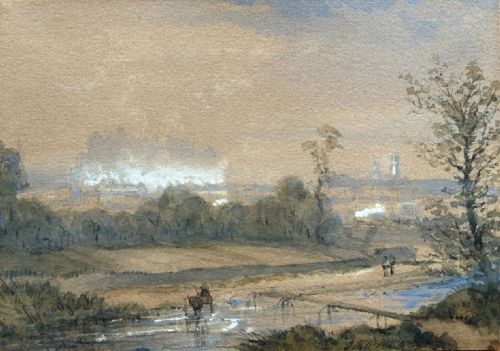
Buyers frequently encounter works executed on board, canvas, and paper, capturing British and European views rendered through oil, watercolour, and pastel. These pieces range from intimate topographical studies of the Lake District and Yorkshire Dales to vibrant continental canal scenes and domestic interiors.
Works attributed to regional British painters sit alongside international examples, offering a broad spectrum of modernist expression. The common thread across these listings is direct execution by the hand of the artist during the period, providing authentic historical character for collectors.
How They Were Made
Painters of this era utilised oil paint applied directly to canvas, wooden board, or panel, often building texture with thick impasto strokes or working en plein air to capture immediate atmospheric effects. Watercolour and pastel on paper served as primary mediums for rapid landscape studies and detailed topographical views.
Support materials varied from stretched canvas and primed board to heavy art paper and card, dictating the physical weight and preservation requirements of each artwork. Frames constructed from wood, frequently finished with gilt details, completed the presentation of these original compositions.
Primary supports recorded in the inventory include stretched canvas, wooden board, heavy art paper, and milk glass.
What Varies in Quality
Compositional confidence and the handling of light distinguish exceptional works from routine topographical exercises, revealing the artist's mastery over their chosen medium. The immediacy of brushwork in oil or the fluid control of watercolour demonstrates the creator's technical training and sureness of vision.
The integrity of the original support material and the stability of the paint layer determine the overall physical standard of a surviving piece. Works that retain their vibrant pigment without excessive fading or structural canvas degradation represent the higher tiers of the surviving record.
Kenneth Cozens·Thomas Miles Richardson Jnr·Bernard Hailstone·John R Prentice·Robert Leslie Howey·Antonio DeVity·Clive Browne·Peter Brannan·Samuel Rabin·Christine Nesbit·Donald McIntyre·William Burns·Fernando Del Basso·Percy Hipkiss·Henry Portal·Walter C Horsnell·Phyllis I Hibbert·John Syer·Harry Turner·Gordon Clifford Barlow·Harold Wharfe·William B Dealtry·Fred Lawson·Joseph Pighills·Tom Whitehead
The Original Mid Century Painting Glossary
- Board
- A rigid wooden or manufactured substrate used as a sturdy alternative to stretched canvas for oil painting. It provides a completely flat working surface favoured by twentieth-century artists.
- En Plein Air
- A French expression describing the practice of painting outdoors to capture natural light and direct environmental conditions. This method produces lively, immediate observations of landscapes and coastal views.
- Impasto
- A technique where paint is laid onto a surface in very thick areas, usually thick enough that the brush or painting-knife strokes are visible. It adds tangible physical texture and depth to the artwork.
- Monogram
- A motif made by overlapping or combining two or more letters to form a single symbol, often utilised by artists to sign their work in place of a full signature.
- Post-Impressionism
- An artistic movement extending roughly from the late nineteenth century to the mid twentieth century that rejected impressionist naturalism in favour of bolder colours and distinct forms.
Original Mid Century Painting: Frequently Asked Questions
How should I hang an original mid century painting?
Select a wall space protected from direct sunlight to prevent the watercolour pigments or oil colours from fading over time. Ensure the fixing matches the weight of the wooden frame and the specific wall construction.
Position the centre of the artwork at average eye level to create a balanced focal point within the room. Allow adequate breathing space around the piece so it does not crowd adjacent furniture or decorations.
What subjects are most common in mid century art?
Landscapes form a significant portion of the available selection, capturing rural scenes, coastal villages, and urban waterways across Britain and Europe. Still lifes featuring flowers or everyday objects also appear frequently alongside portraiture.
Artists during this era frequently recorded local topography, documenting specific towns, rivers, and regional landmarks. These topographical works offer a direct glimpse into mid-century landscapes and rural life.
How do I identify a mid century watercolour?
Look for paper supports that display appropriate age toning, alongside fluid pigment application characteristic of mid-century watercolour techniques. Signatures, dates, and inscriptions on the reverse often provide helpful clues to the exact year of creation.
Examine the framing materials and backing boards for historical indicators such as old framer labels or vintage papers. These secondary elements frequently help confirm the period of the piece.
Are these paintings suitable for modern interiors?
The expressive brushwork and varied colour palettes of mid-century artwork complement both contemporary minimalist spaces and traditional home decors. Their historical depth adds an authentic focal point to any room.
Mixing different mediums, such as pairing an oil on board landscape with a framed watercolour study, creates a curated gallery wall effect. The compact scale of many pieces allows for flexible placement throughout the house.