
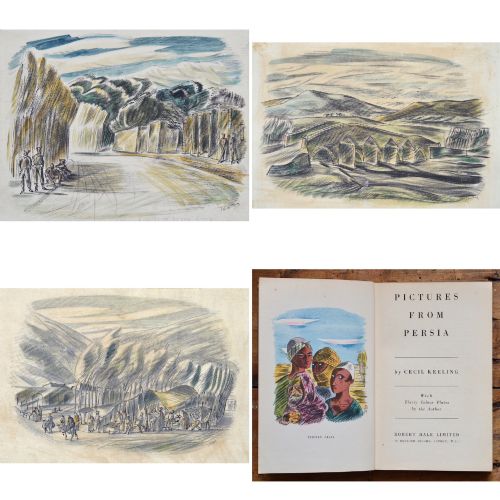
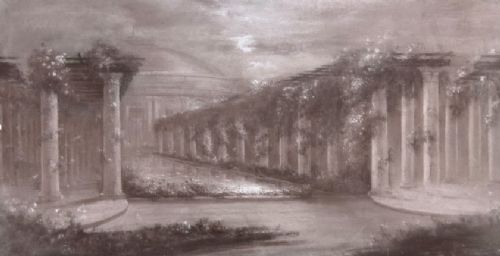
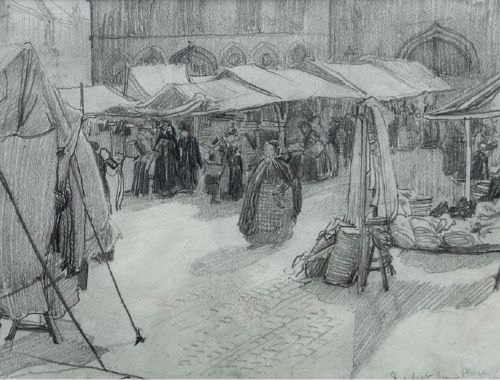
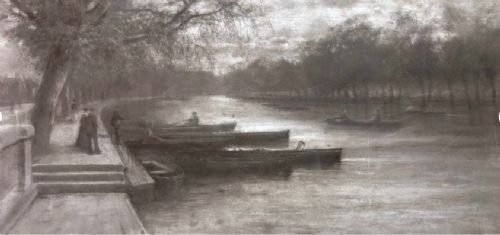


Original Landscape Sketch
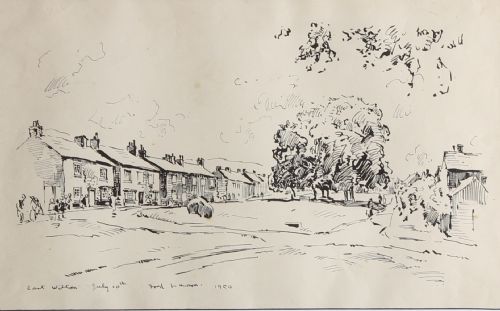
An original landscape sketch captures the immediate impression of scenery, offering buyers a direct window into the hand and eye of the artist.
Original Landscape Sketch
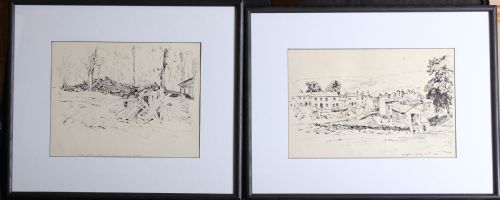
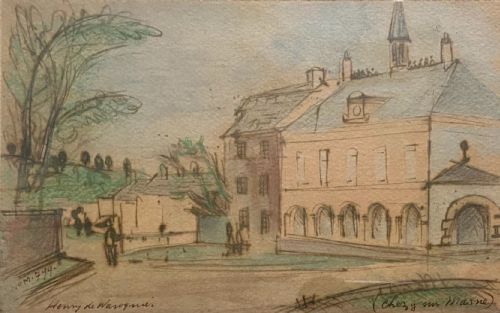
When searching for an original landscape sketch, collectors encounter works on paper executed in graphite, charcoal, ink, and watercolour spanning from the late eighteenth century through the mid-twentieth century.
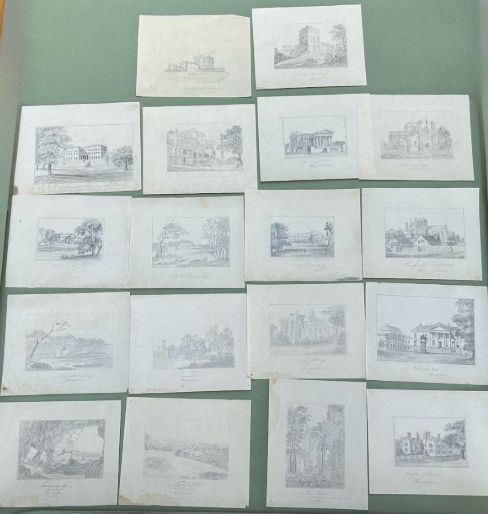
The selections on this page heavily feature British topographical views, country estates, and northern townscapes alongside continental scenes executed by both named artists and studio hands.
Buyers will find rapid field studies, detailed architectural drawings, and finished watercolours intended as independent works or preparatory pages from dismantled sketchbooks.
How They Were Made
Artists relied primarily on graphite pencil and charcoal for initial outlines and tonal shading directly on paper or card.
Many sheets incorporate pen and ink line work combined with washes of watercolour to build depth and atmospheric weather effects in the field.
Listings feature works executed in pencil, charcoal, ink, and watercolour upon paper supports dating from the Georgian era to the mid-twentieth century.
What Varies in Quality
Quality rests on the confidence of the draftsmanship and the economy of line used to define topography, foliage, and structures without overworking the paper.
Works that retain dynamic composition and fresh, uninhibited brushwork or pencil pressure stand apart from rigid, mechanical copies lacking atmospheric vitality.
Cecil Keeling·Fred Lawson·Henry de Waroquier·George F Pennington·Edward Dayes·J W Hogley·Hercules Brabazon Brabazon·Sir Francis Leggatt Chantrey·Maurice Asselin·Henry Bright·Henry Edridge·Henri Joseph Harpignies
The Original Landscape Sketch Glossary
- Grisaille
- A monochrome painting executed entirely in shades of grey, often used to study light and volume before applying colour.
- Wash
- A thin, semi-transparent layer of diluted watercolour or ink spread evenly across paper to create skies or shadows.
- Verso
- The back side of a sheet of paper, canvas, or board, which frequently holds artist inscriptions, dates, or secondary sketches.
Original Landscape Sketch: Frequently Asked Questions
What is an original landscape sketch?
An original landscape sketch is a unique, hand-drawn or painted work capturing natural scenery, rural estates, or townscapes directly from observation or imagination. These pieces range from rapid pencil notations made outdoors to finished watercolours created on paper.
Collectors prize them for recording the unvarnished creative process of an artist before a final studio canvas is produced. Each sheet offers a direct encounter with the materials and techniques of past centuries.
How were these sketches used historically?
Artists produced these drawings primarily as field studies to record weather, architecture, and lighting conditions for later reference. Many were bound into portable sketchbooks or executed on loose sheets during travels across Britain and the continent.
Amateur artists and professional topographers alike utilised these portable mediums to document the changing countryside, historic ruins, and urban expansion. Consequently, many surviving sheets retain contemporary annotations identifying the exact location on the reverse.
How should I frame and display works on paper?
Works on paper require careful framing behind conservation-grade glass to block ultraviolet light that causes fading in watercolours and inks. Window mounts should be utilised to prevent the delicate surface of the drawing or painting from touching the glass directly.
Display these pieces away from direct sunlight and high humidity to preserve the integrity of the paper support. Acid-free backing boards ensure the sheet does not discolour or degrade over decades of enjoyment on the wall.
How can I tell the period of a sketch?
Dating relies heavily on the style of the clothing worn by any figures present, the architectural details of depicted buildings, and the handwriting found in contemporary inscriptions. Paper stocks also offer clues, as watermarks and paper thickness changed significantly between the Georgian era and the mid-twentieth century.
Stylistic conventions provide further evidence, such as the palette and loose brushwork associated with Victorian watercolours or the distinctive mark-making of mid-century British modernism.