


Original Ink Art
Original ink art brings direct draughtsmanship and expressive line work into spaces through works spanning several centuries.
Original Ink Art
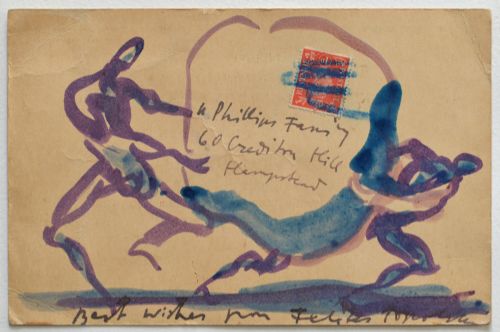
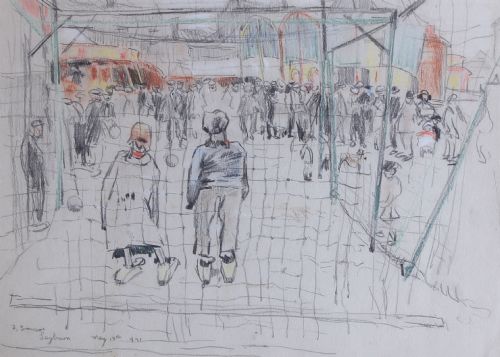
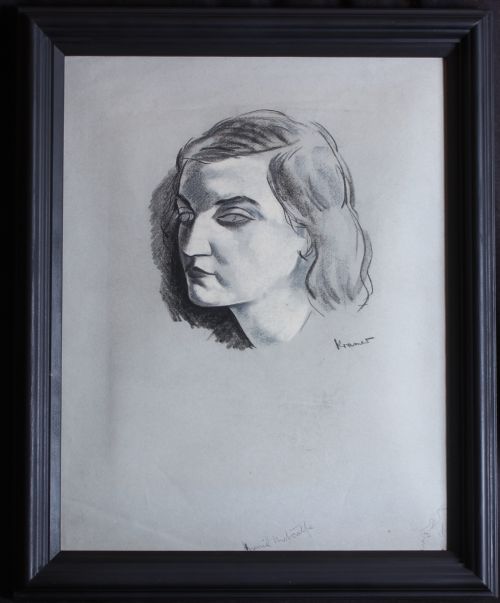
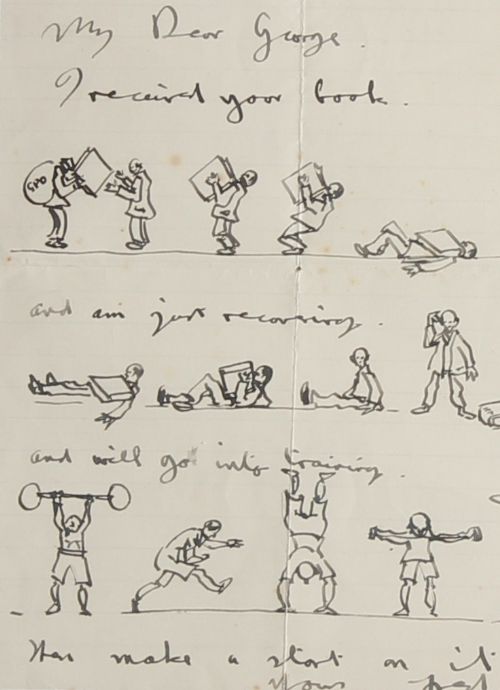
Original ink art encompasses hand-drawn sketches, finished portraits, and preparatory studies executed on paper surfaces. Collectors seeking original ink art frequently encounter mid-century compositions alongside pieces originating from the nineteenth century and earlier decades.
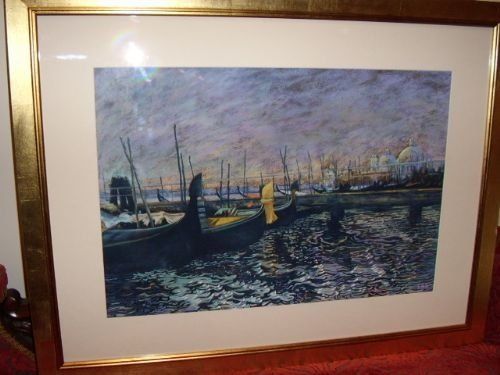
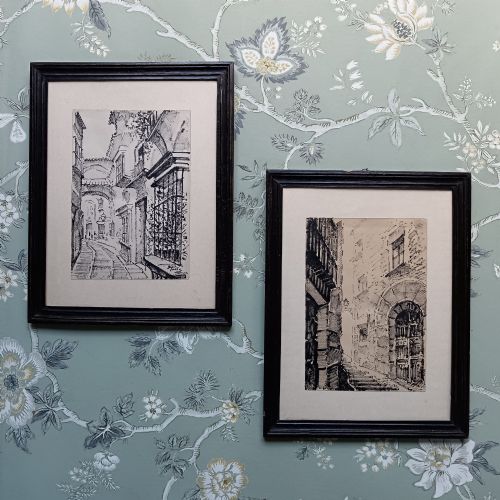
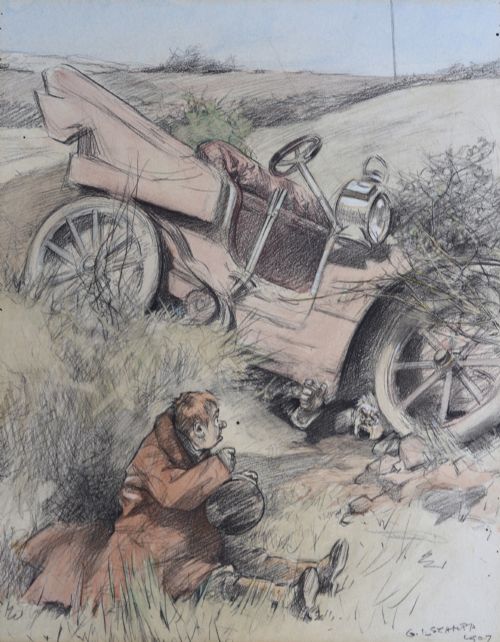
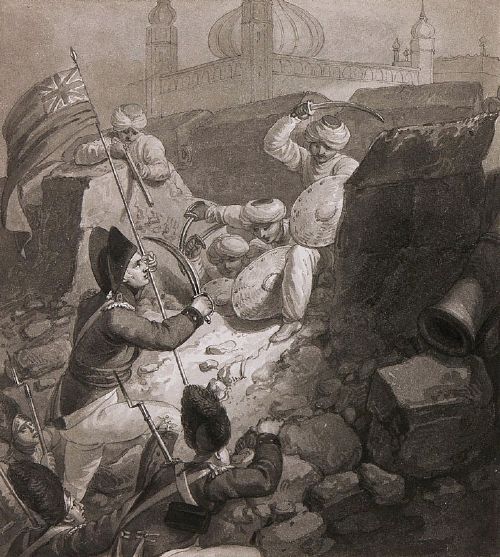
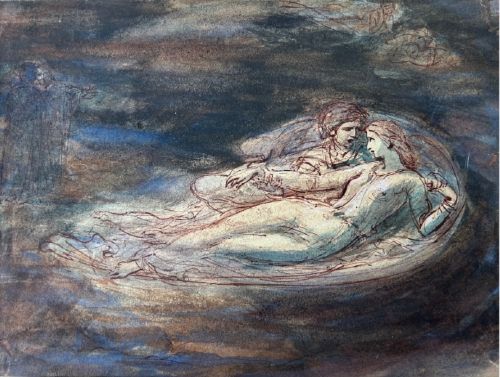
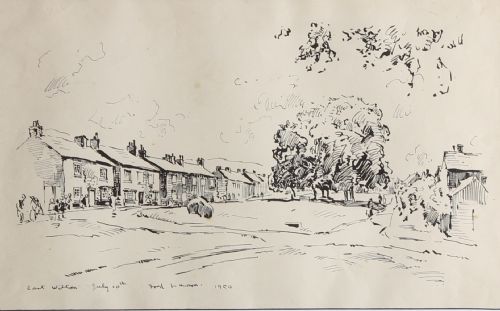
The selections span diverse subjects, ranging from architectural studies and landscape scenes to figure drawings and literary illustrations. Works often integrate secondary media such as watercolour, wash, or gouache alongside the primary ink lines.
Styles represented across the inventory move from traditional Georgian and Pre-Raphaelite renderings to modernist and mid-century British expressions. Pieces typically arrive framed or mounted on paper, ready for domestic display.
Materials and Technique
Artists relied upon pen and ink applied to various grades of paper, often building tone through fine cross-hatching or fluid ink washes. The inclusion of watercolour and gouache added selective areas of colour to monochrome compositions.
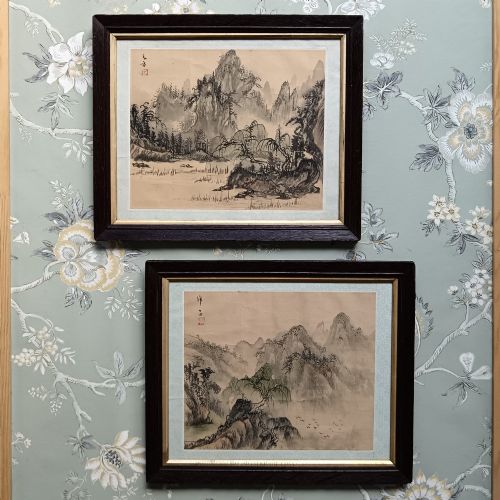
Supports predominantly consist of paper sheets housed within timber frames, occasionally accompanied by glass protection and gilt wood accents. Silk serves as an alternative ground in specific Eastern works within the collection.
Original Ink Art Retail Price Guide 2026
Typical asking prices for original ink art among the pieces listed under this phrase on Sellingantiques today, from the lower quarter to the upper quarter. They describe what is for sale here now, not the wider market.
Listings feature works on paper spanning from the eighteenth century through the mid-twentieth century, employing ink, wash, and gouache.
Assessing the Pieces
Quality rests upon the sureness of the line and the artist's ability to capture form economically within ink and wash. Stronger examples display confident draughtsmanship where every stroke contributes directly to the subject's structure and mood.
Condition of the paper ground and the stability of the ink pigments significantly influence desirability. Works retaining crisp contrast without excessive fading or paper degradation command greater attention from discerning collectors.
Jacob Kramer·Fred Lawson·Bruce Bairnsfather·William Marshall Craig·Maurice Brianchon·Henry de Waroquier·Cecil Beaton·Michael Healy·Gen Paul·James Tower·Anne Goldthwaite·Alfred Dehodencq·Herbert Dicksee·Stanley Orchart·Edward Dayes·William Edward Frost·Louis Wain·Augustus Edwin John·Lucien Freud·Thomas Rowlandson·James Dobie·W. Dendy Sadler
The Original Ink Art Glossary
- Wash
- A technique where diluted ink or watercolour is applied to paper in thin, transparent layers to create tonal shadows and depth. It frequently accompanies sharp pen lines in landscape and figure studies.
- Gouache
- An opaque water-based paint that provides solid, matte colour highlights over ink drawings. Artists utilise it to introduce opaque light effects into dark compositions.
- Pre-Raphaelite
- A nineteenth-century artistic movement focused on detailed observation, bright colour, and serious literary subjects. Works from this circle display meticulous linear precision.
- Etching
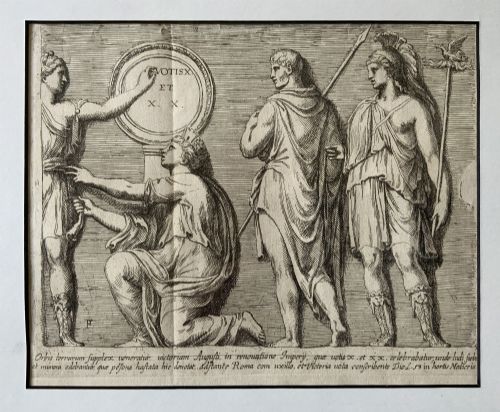
- A printmaking method where lines are bitten into a metal plate with acid before being inked and pressed onto paper. Although distinct from direct drawing, these printed works share the linear qualities of ink art.
- Gilt wood
- Timber frames finished with a thin layer of gold leaf or metallic gilt paint. They frequently house traditional watercolours and drawings from the eighteenth and nineteenth centuries.
Original Ink Art: Frequently Asked Questions
How should I hang original ink art?
Position works away from direct sunlight to prevent the ink and paper ground from fading over time. Maintain stable indoor humidity levels to protect the paper from warping within its frame.
Ensure frames are securely anchored to wall studs, particularly for larger glazed pieces. Professional framing with acid-free mounts further safeguards the artwork for long-term display.
Are these works unique or printed?
The selection comprises hand-drawn and painted works where the artist applied ink directly to the paper surface. Each piece represents a singular creation rather than a modern reproduction.
Print formats such as etchings appear occasionally, representing limited editions pulled from artist-prepared plates. Examine the surface under magnification to distinguish hand-applied ink strokes from printed dots.
What subjects are most common?
Portraits, landscapes, and figurative studies dominate the available selection across various twentieth-century and earlier periods. Artists frequently recorded everyday scenes, architectural details, and literary narratives.
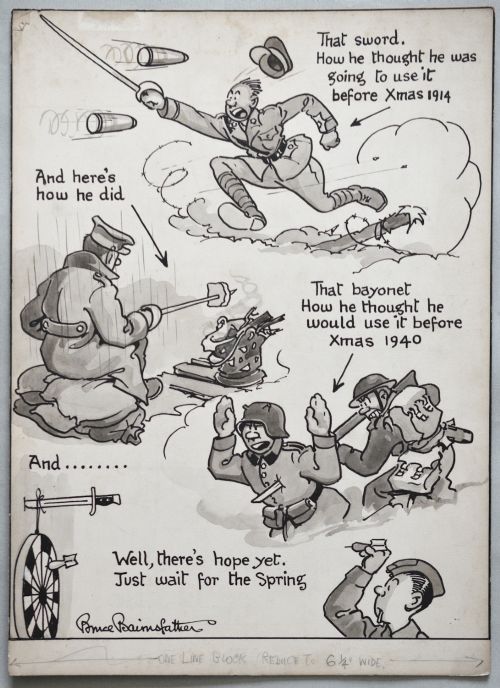
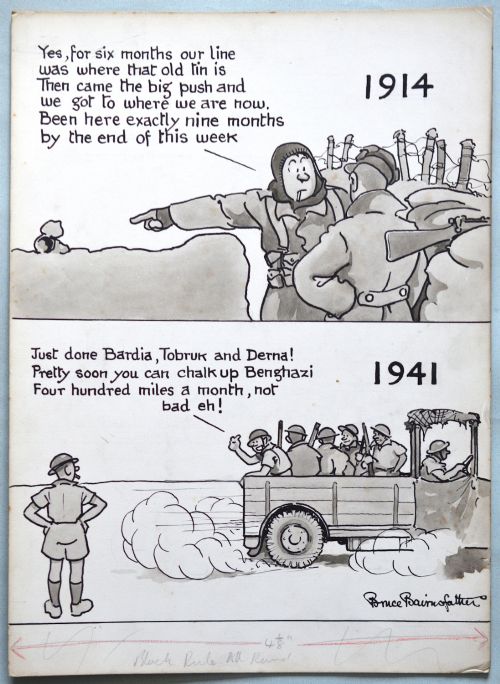
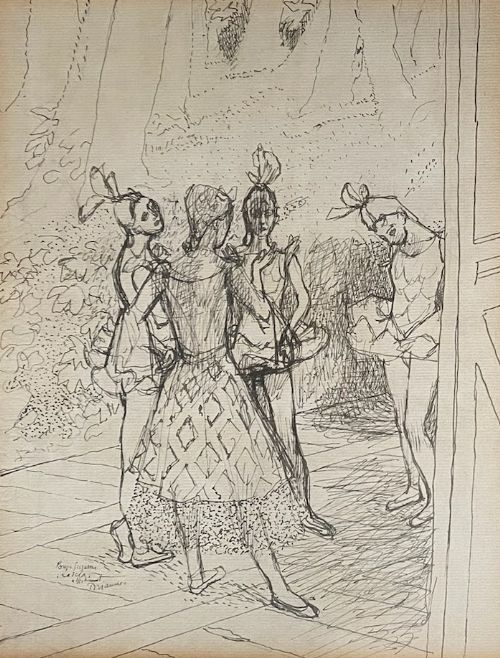
Specialist themes such as theatrical backstage moments and wartime records also appear. These subjects reflect the personal observations and immediate sketches of the respective artists.
How do I identify the date of a piece?
Look for signatures, dates inscribed directly by the artist, or gallery labels attached to the reverse of the frame. Stylistic indicators, such as mid-century modernist abstraction or Edwardian traditionalism, provide a reliable chronological framework.
Material analysis of the paper and framing style offers additional clues regarding the era of creation. Consulting artist registry records helps confirm active working periods for signed pieces.