

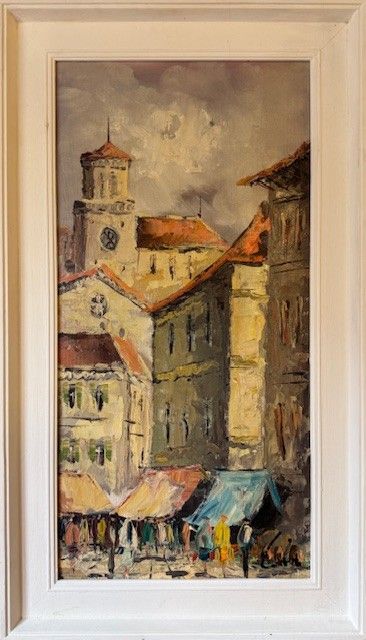


Original Impressionist Architectural Landscape
Original impressionist architectural landscape paintings capture town squares, European capitals and country houses through fluid brushwork and atmospheric light.
Original Impressionist Architectural Landscape
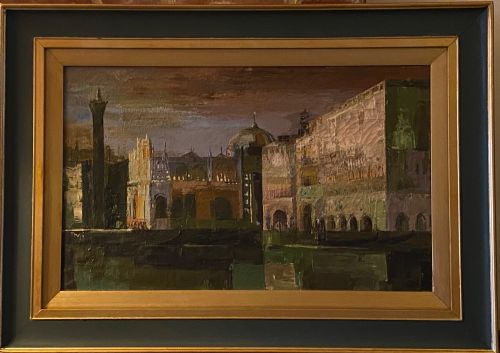
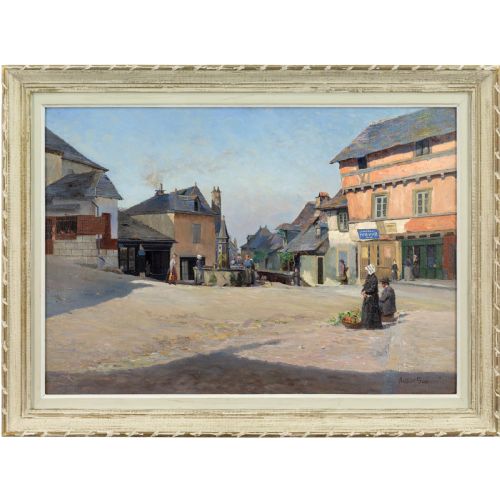
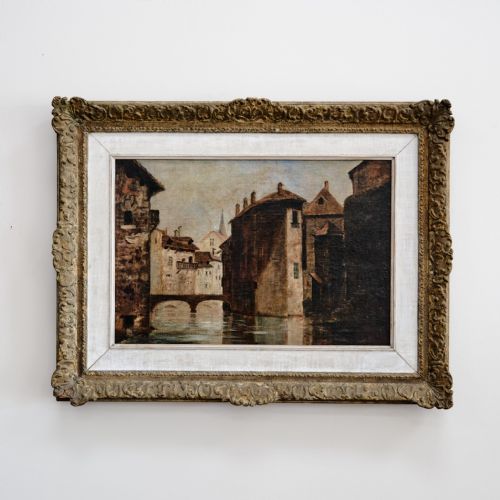
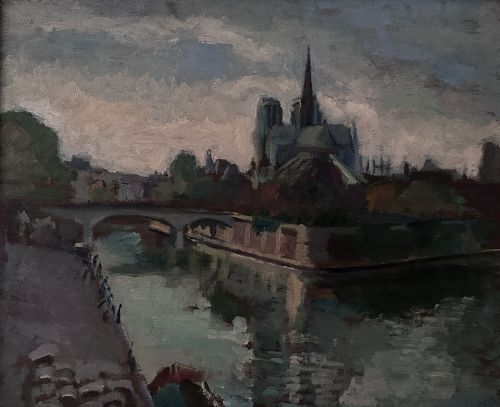
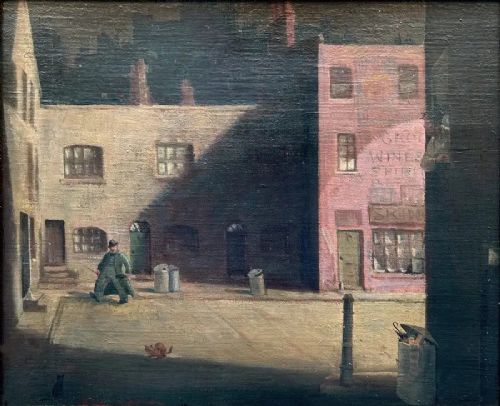
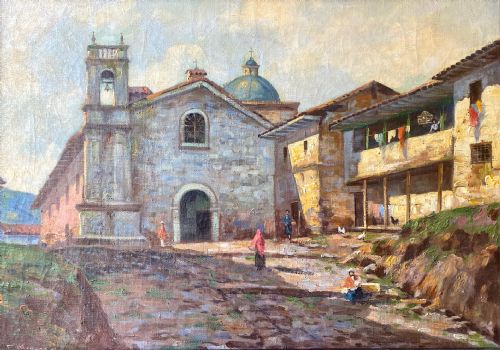
An original impressionist architectural landscape brings together historic buildings, cathedrals and street scenes rendered through the lens of late nineteenth and twentieth-century movements. Buyers seeking an original impressionist architectural landscape will encounter works spanning the Edwardian era to mid-century modernism, predominantly originating from Britain, France and continental Europe.
The chronological scope reaches from the nineteenth century through the 1960s, encompassing Post-Impressionism, British Impressionism and regional stylistic variations. These pieces record historical streetscapes and town halls through varied painterly interpretations.
Materials and technique
Artists utilise oil paint on canvas, wood or board to build textured surfaces that capture shifting light on architectural stonework. The application of pigment relies on broken brushstrokes and visible layering rather than precise academic drafting.
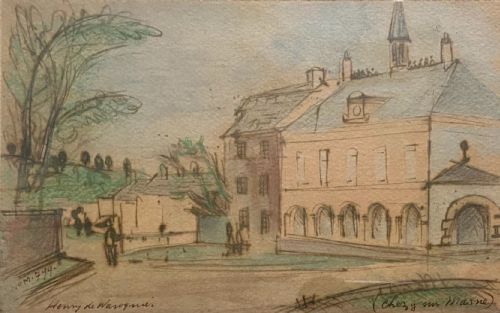
Works on paper employ watercolour and ink mixed media to achieve luminous washes and rapid notations of urban movement. Paper supports allow for spontaneous capture of atmospheric conditions during outdoor sketching sessions.
Panels and canvas boards provide rigid supports favoured by plein air painters recording townscapes and rural landscapes on location. These diverse supports dictate the physical texture and longevity of each composition.
Several artists captured bustling market squares and hurried pigeons outside historic European churches with hasty strokes.
Assessing quality and execution
Quality rests upon the artist's ability to balance architectural perspective with the fugitive effects of light and atmosphere. Superior examples demonstrate confident handling of medium where structural forms dissolve convincingly into surrounding air and shadow.
The distinction between standard works and exceptional pieces lies in the vitality of the brushwork and the cohesion of the palette. Stronger compositions maintain structural integrity while capturing the immediate sensory experience of a specific place and hour.
Arthur Gué·Francisco Sancha·Alexander Jamieson·Charles James Lauder·Ron Folland·Rowland Henry Hill·Hercules Brabazon Brabazon·Robert Lesley Howey·Emanuele Cappello·Franz Reder-Broili·Maurice Asselin·Peter Greenham·Victor Haddrell·Armand Guillaumin
The Original Impressionist Architectural Landscape Glossary
- Impressionism
- A nineteenth-century painting style focused on capturing the visual impression of the moment, especially shifting light and colour. This approach prioritises loose brushwork over precise finish.
- Post-Impressionism
- A predominantly French art movement developing from impressionist foundations that emphasises symbolic content, formal order and expressive brushwork. Artists often employed distinct colour harmonies to structure architectural space.
- Plein air
- The practice of painting outdoors directly from the subject to capture transient natural light and weather conditions. This method produces immediate records of urban and rural scenes.
- Mixed media
- An artwork combining two or more artistic materials or mediums, such as watercolour and ink on paper. This technique permits varied textural effects within a single composition.
- Canvas board
- A stiff board covered with primed canvas fabric used as a portable painting support. It provides the texture of woven fabric without the need for a wooden stretcher frame.
Original Impressionist Architectural Landscape: Frequently Asked Questions
What subjects appear in these paintings?
The works depict European street scenes, cathedrals, town halls, bridges and historic country houses. Urban centres such as London, Paris and Venice feature prominently alongside French and Italian provincial towns.
Compositions frequently capture specific architectural landmarks under varying atmospheric conditions, ranging from morning sunlight on public plazas to rainy city squares.
How should I frame an antique oil painting?
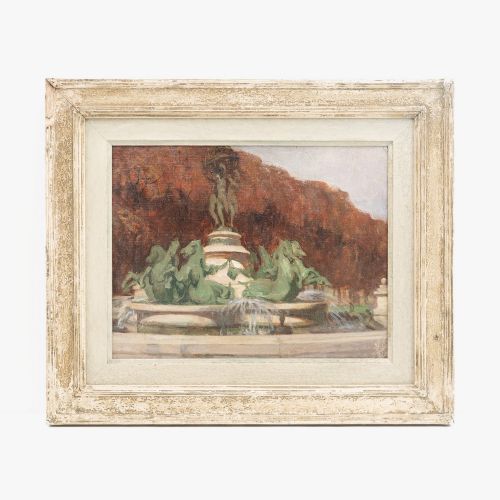
Traditional wooden frames complement the period aesthetic of these mid-century and earlier works while protecting the edges of the canvas or board. Selecting a moulding profile appropriate to the painting's era enhances the visual depth of the architectural subject.
Ensure the frame allows adequate ventilation at the back and avoids pressing directly against the painted surface of the canvas.
How do I distinguish watercolours from oil paintings?
Watercolours utilise transparent pigments suspended in water applied to paper supports, often revealing the white of the paper beneath light washes. They require protective glazing when displayed.
Oil paintings utilise viscous pigments bound in drying oils applied to canvas, wood or board, creating a textured surface that can be displayed without glass.
What periods are represented in the collection?
The selection spans from the nineteenth century through the 1960s, encompassing Edwardian works, early twentieth-century pieces and mid-century modern interpretations. Stylistic approaches range from strict impressionism to post-impressionist experimentation.
Each period reflects distinct regional developments in landscape and architectural representation across Britain and continental Europe.