



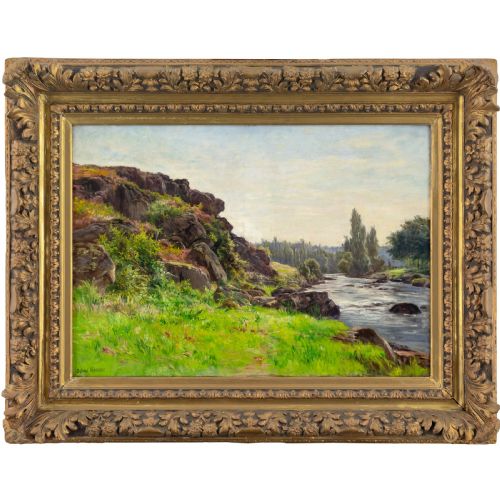
Vintage Impressionist Oil Landscape
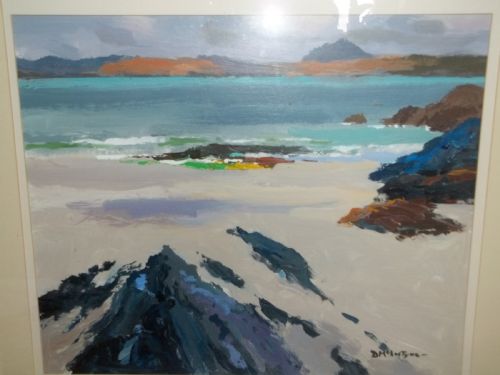
A vintage impressionist oil landscape captures light and atmosphere quickly, offering immediate depth through visible brushwork.
Vintage Impressionist Oil Landscape
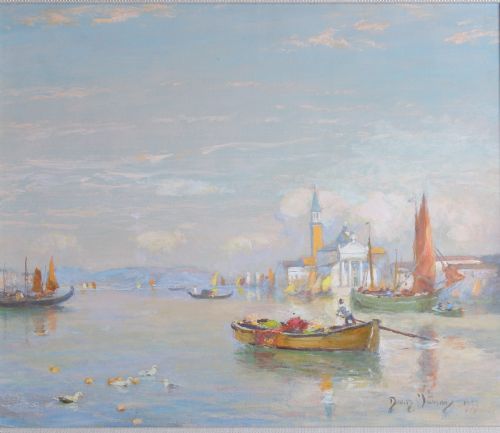
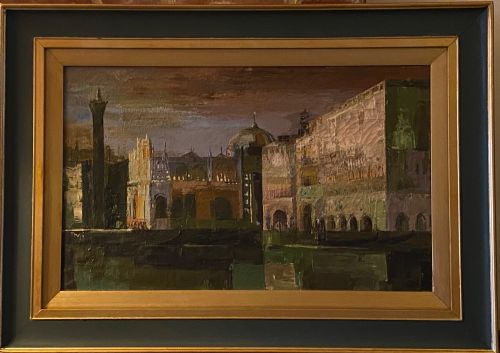
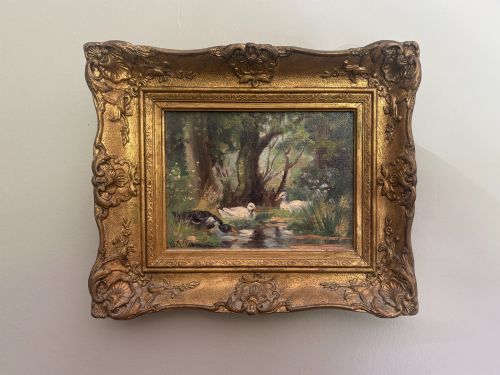
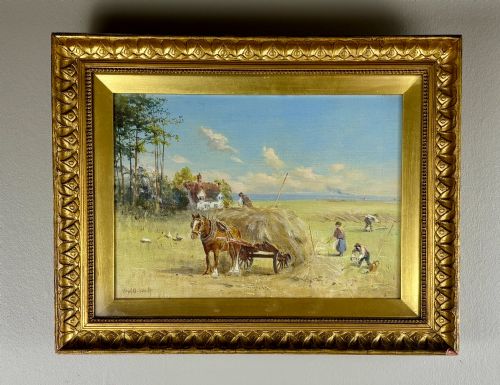
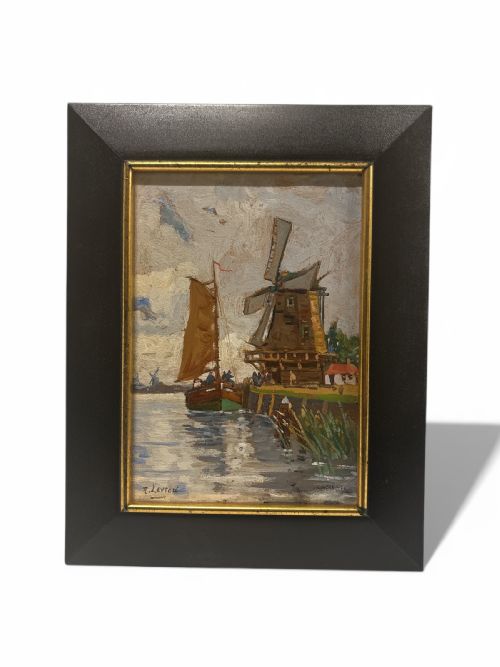
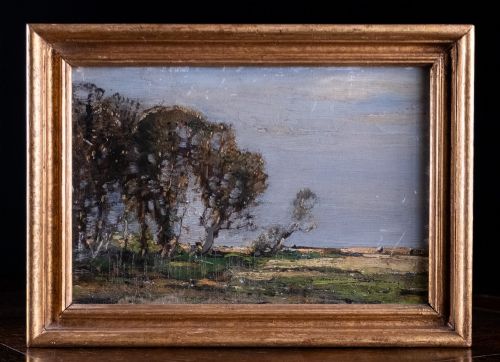
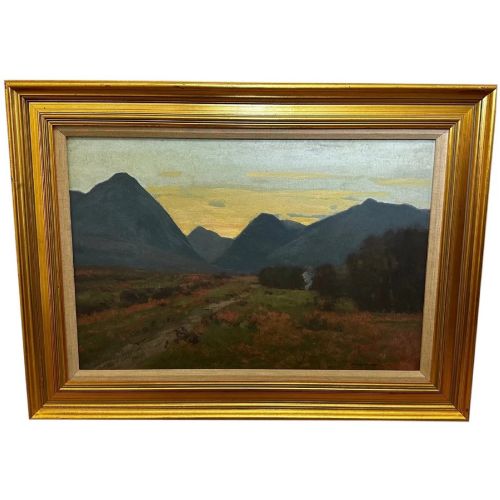
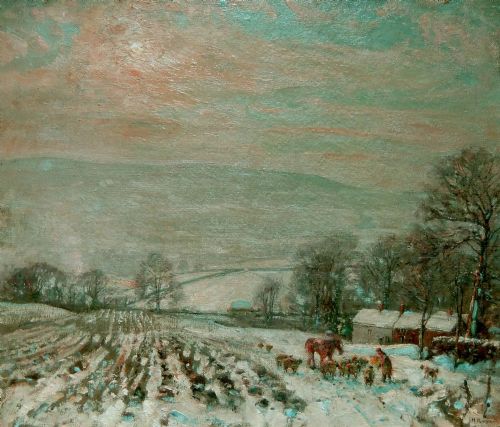
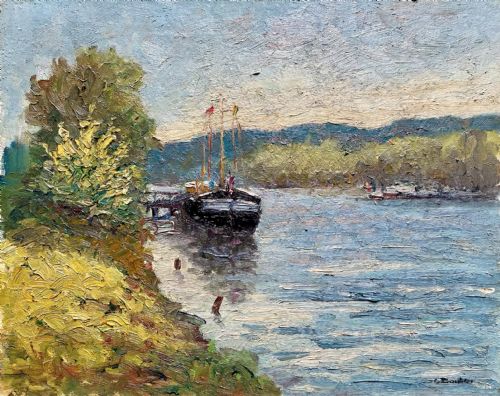
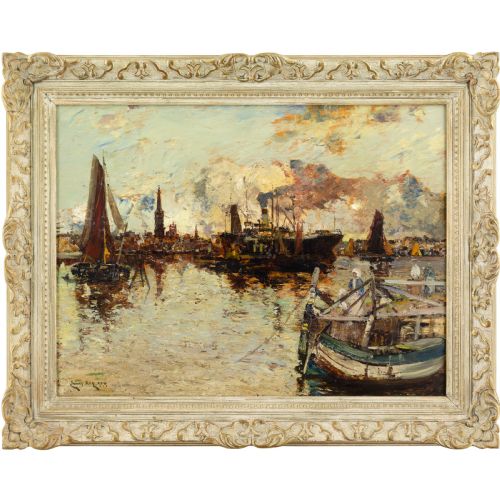
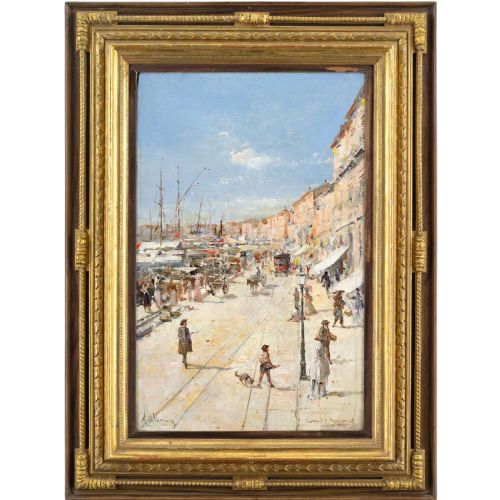
A vintage impressionist oil landscape presents outdoor scenes, coastal views and urban spots through looser brushwork and atmospheric light. You will frequently encounter works originating from British, French and wider European schools spanning the late nineteenth century through the mid twentieth century. These paintings focus on transient effects of weather, water and sunlight rather than precise botanical or architectural detail.
The subjects on this page range from quiet rural river paths and farmyards to bustling continental street scenes and maritime harbours. Canals, coastal cliffs and woodland interiors appear repeatedly across the selection, often recorded en plein air. Most pieces arrive housed in their original moulded wood or gilt frames which complement the painterly surface.
Materials and technique
Artists built these compositions primarily using oil paint applied to stretched canvas or wooden boards, occasionally utilising thicker impasto to build physical texture. The support material is typically framed by gesso-prepared mouldings finished in gilt or painted wood.
Brushstrokes remain visible and direct, capturing rapid shifts in illumination rather than blending pigments into a smooth finish. Painters laid down contrasting colours side by side, allowing the viewer's eye to mix tones optically from a distance.
The selection includes works executed on canvas and wood boards across multiple European schools.
Assessing the work
Quality rests upon the confidence of the brushwork and the artist's command of tone and natural light. Stronger works convey space and atmosphere decisively, whereas weaker examples rely on formulaic repetition without genuine observation.
The relationship between the painted surface and the frame also influences the overall integrity of the piece. Well-matched period framing enhances the visual depth of the composition, while unsympathetic replacements diminish the visual balance.
Clifford Hanney·Kershaw Schofield·George Houston·Herbert Royle·James Kay·Augusto Alberici·Arthur Gué·Charles Houben·Antonio DeVity·Paul Bret·Willem Bos·Ernest Higgins Rigg·Sir Alfred East
The Vintage Impressionist Oil Landscape Glossary
- Impasto
- Paint applied thickly to a canvas or panel, leaving distinct brush or palette knife marks that stand proud of the surface.
- En plein air
- Painting outdoors to capture direct observations of natural light and weather.
- Post-Impressionism
- An artistic development following impressionism that explored emotional response and structural form rather than pure optical realism.
- Gesso
- A plaster mixture applied to wood panels or frames to prepare a smooth surface for painting or gilding.
Vintage Impressionist Oil Landscape: Frequently Asked Questions
How do I clean an oil painting?
Surface dust should be removed gently with a soft, dry brush without applying pressure to the canvas.
Chemical cleaners or water must be avoided, as they can damage the delicate pigment and varnish layers.
Where should I hang my landscape?
Choose a wall away from direct sunlight and sudden temperature changes to protect the canvas and wooden frame.
Stable indoor conditions prevent the paint layer from cracking and keep the wooden support from warping.
Are these paintings signed by the artist?
Many works bear visible signatures or initials from the painter, sometimes accompanied by dates or location notes.
Other pieces remain unsigned or carry indistinct markings, reflecting the spontaneous nature of outdoor painting.
How do I date an antique frame?
Original frames often display period construction methods, corner mitres, and appropriate gesso or gilt ageing.
Comparing the wear on the frame with the condition of the canvas helps confirm if they have remained together.